
Antique Table Vases
These antique table vases bring substantial decorative presence to a room, spanning delicate porcelain and robust bronze forms.
Antique Table Vases
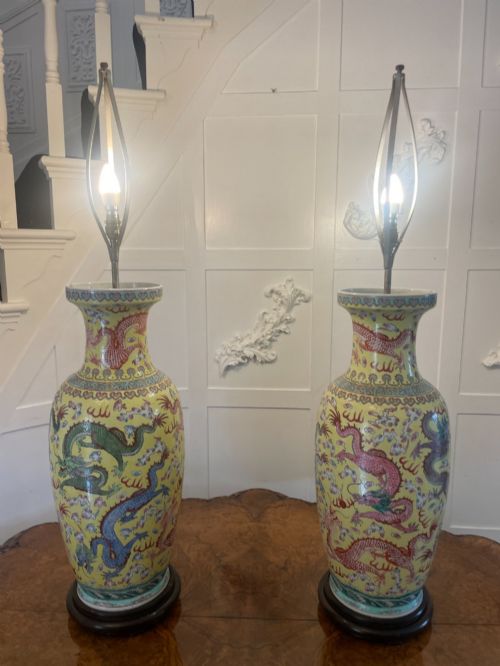
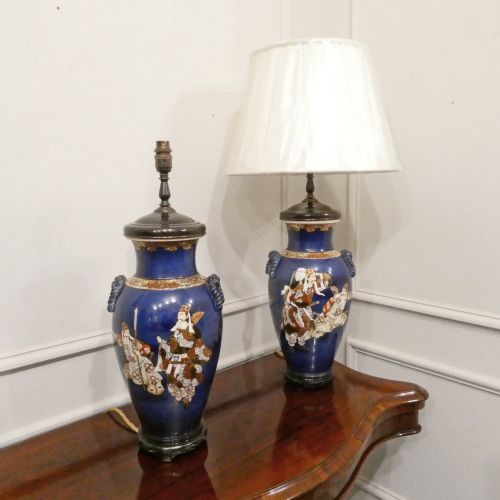
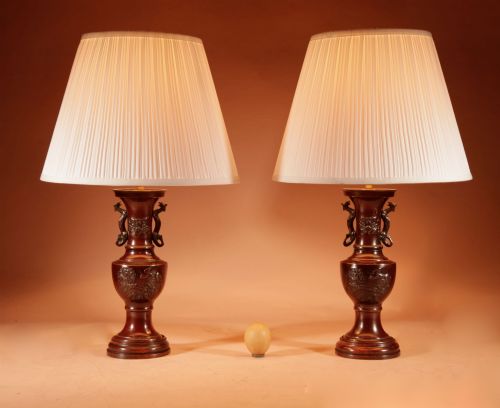
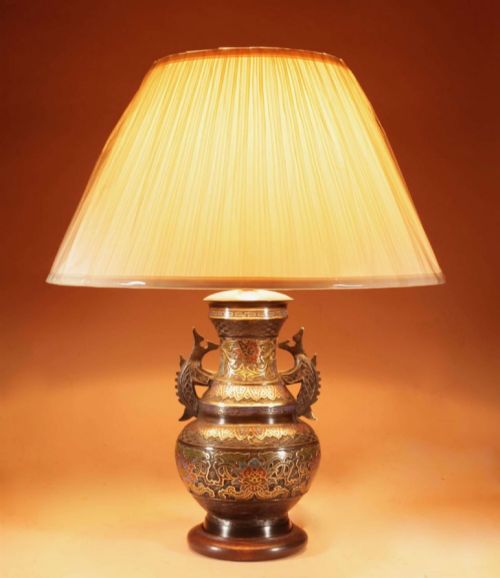
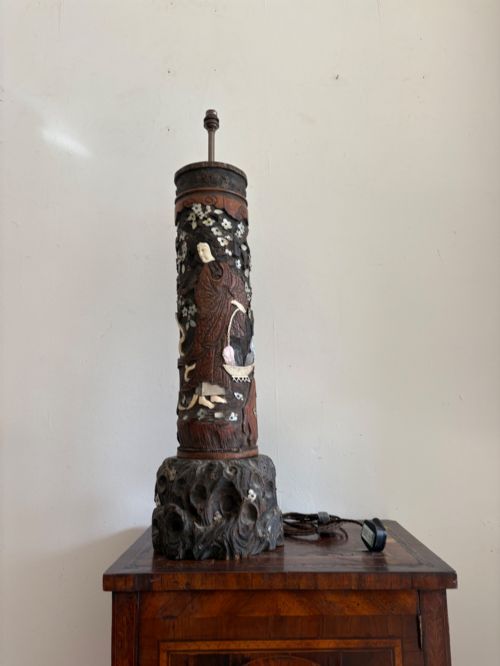
When you search for antique table vases, you encounter a diverse group of ornamental vessels and vessels later adapted into lighting, originating from the eighteenth, nineteenth, and early twentieth centuries. Many pieces bridge the gap between pure display and practical illumination, featuring wiring additions or conversions executed decades after their initial manufacture.
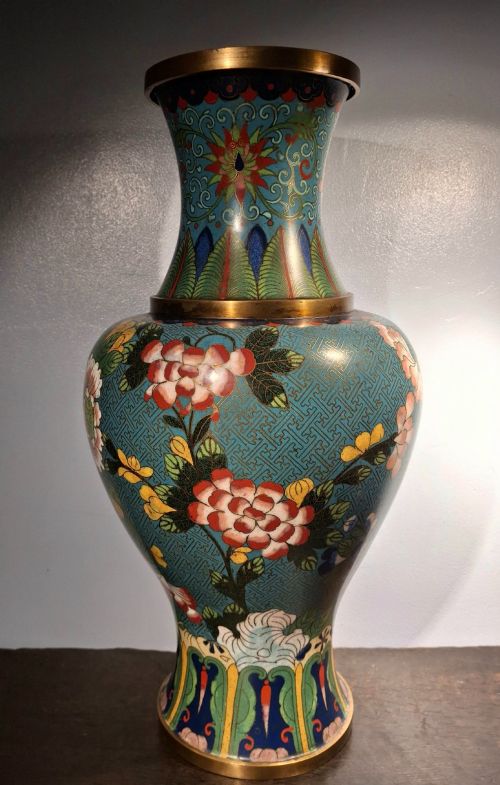
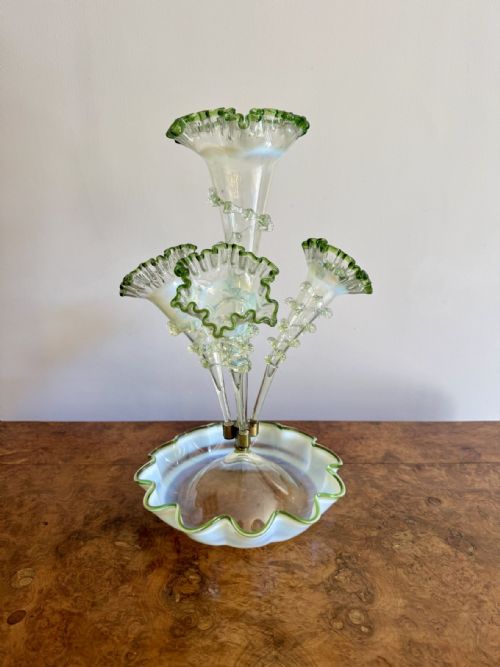
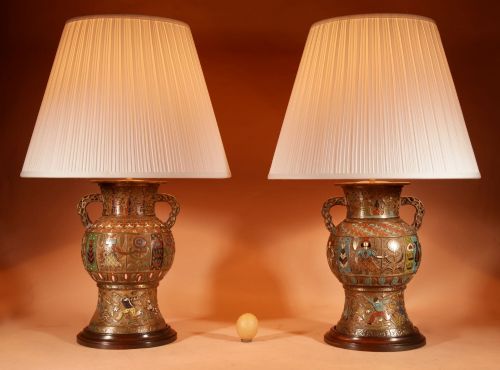
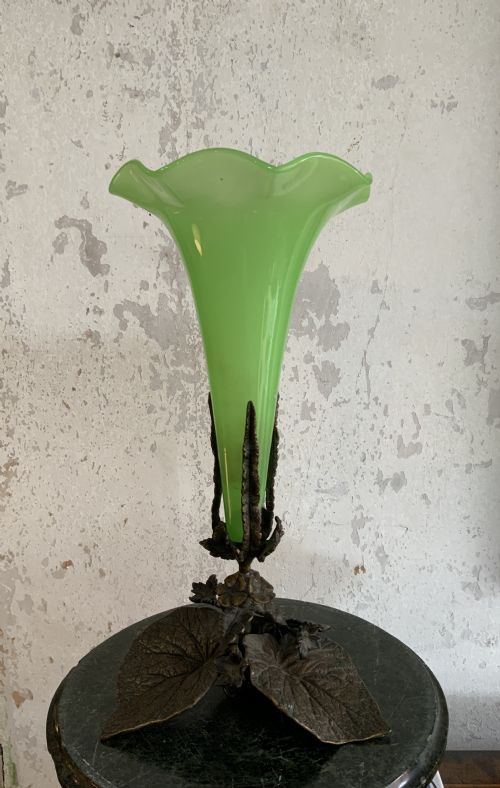
The selection on this page leans heavily toward Japanese Meiji period bronzes, Satsuma ceramics, and intricate Chinese cloisonné enamel pieces alongside English and French glass epergnes and lustres. These items frequently appear in pairs, designed originally to balance a mantelpiece, sideboard, or grand table setting.
How they were made
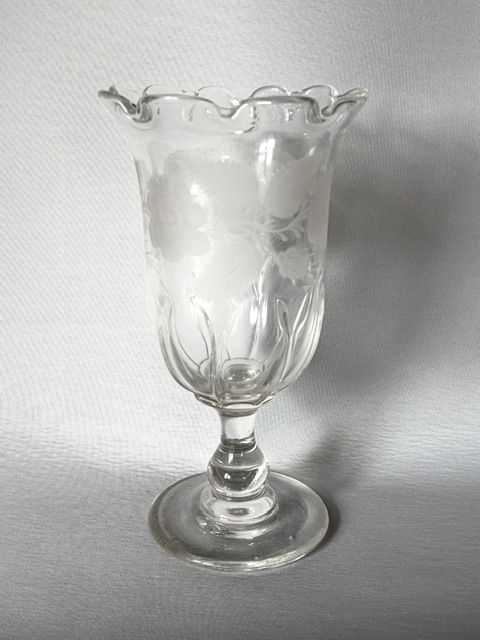
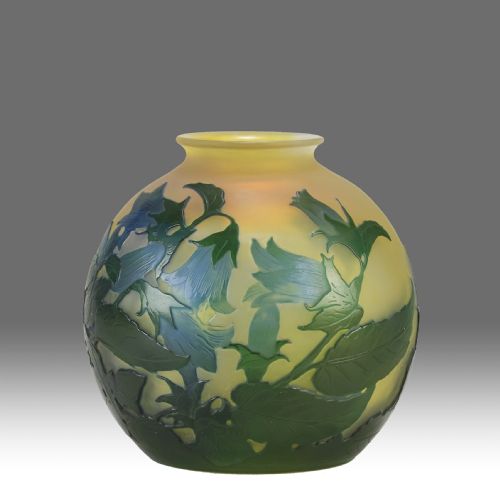
Artisans employed rigorous hand-crafting techniques across metalwork, ceramics, and glass, utilising lost-wax casting for bronzes and champlevé or cloisonné methods to inlay vibrant enamels onto brass and bronze foundations. Glassmakers blew uranium, cranberry, and vaseline glass into multi-trumpet epergnes or etched delicate motifs onto vessels like celery vases.
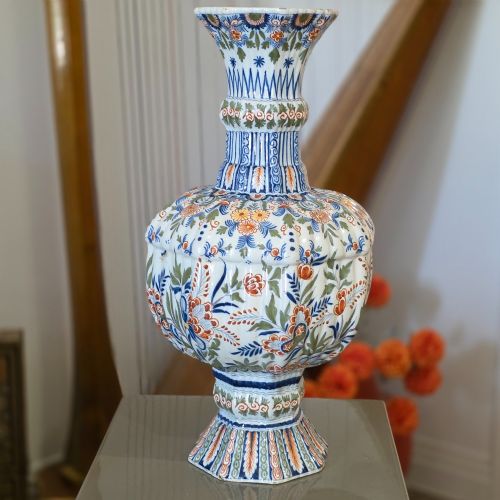
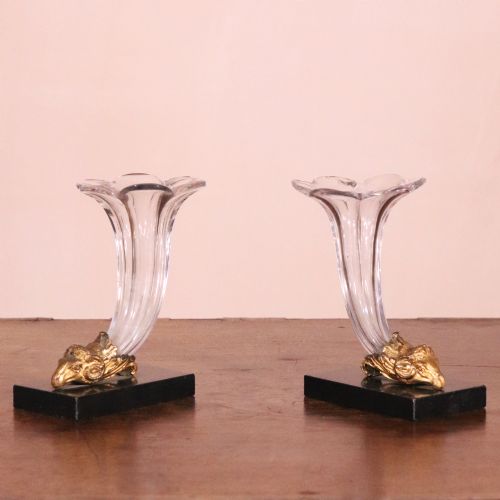
Ceramic bodies range from heavy ironstone and fine Satsuma earthenware to hard-paste porcelain painted with hand-applied floral and figural enamel decoration. Mounts in ormolu or gilt bronze frequently secure marble or porcelain sections together, showcasing precise metal-chasing.
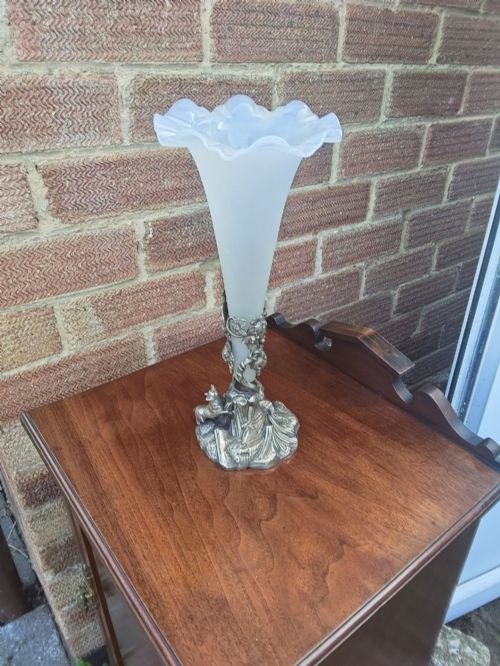
Foxes and grapes watch over the blooms in opaque glass epergnes, eternally poised mid-leap across Victorian dining tables.
What varies in quality
Quality rests primarily on the crispness of the hand-chasing in bronzes, the complexity of the enamel work, and the artistic merit of hand-painted ceramic motifs. Pieces displaying deep, even patination and precise cloisonné wirework stand distinctly apart from simpler mass-produced variations.
The integrity of the form also dictates standing, particularly where original components remain intact rather than altered during later lamp conversions. Balanced proportions in matched pairs and substantial weight in glass and metal elements signal superior workshop output.
Royal Worcester·Royal Doulton·Emile Gallé·Hicks and Meigh·Royal Vienna
The Antique Table Vases Glossary
- Epergne
- A tabletop centrepiece featuring a central bowl with multiple detachable arms or trumpets used for holding fruit, flowers, or sweetmeats. These glass and metal structures often dominate a dining table.
- Cloisonné
- A metalwork technique where fine wires form raised barriers on a surface to enclose distinct compartments filled with vitreous enamel paste. Firing fuses these coloured pastes into hard decorative patterns.
- Champlevé
- A method where troughs or cells are gouged directly into a thick metal surface and filled with enamel before firing. This differs from wire-based cloisonné by utilising carved recesses.
- Mantel Lustre
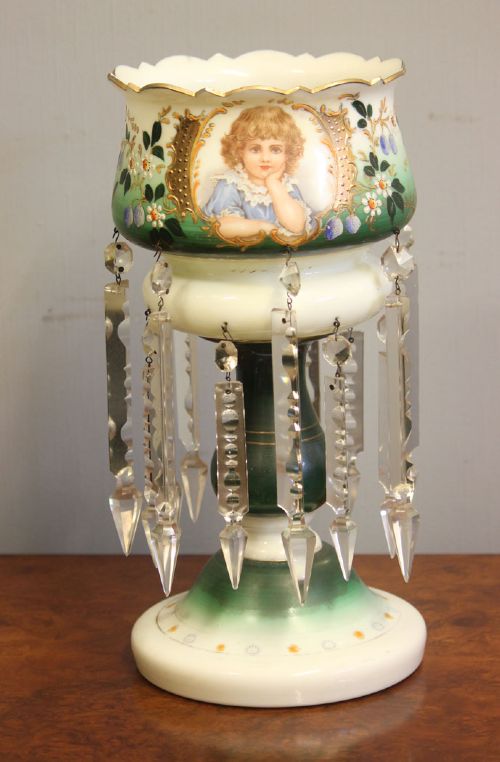
- A decorative ceramic or glass vase fitted with hanging crystal prisms that catch and reflect candlelight or daylight. They typically sit in pairs upon living room fireplaces.
- Satsuma
- A type of Japanese earthenware featuring a crackled creamy glaze decorated with polychrome enamels and gilt. These wares became highly popular for export during the Meiji period.
Antique Table Vases: Frequently Asked Questions
What are antique table vases?
These pieces comprise decorative ceramic, glass, and metal vessels manufactured during the eighteenth, nineteenth, and early twentieth centuries for display on tables and mantelpieces. Many surviving examples have been converted into table lamps while retaining their original decorative bodies.
They encompass diverse global traditions, notably Japanese Meiji bronzes, Chinese cloisonné enamels, and Victorian English coloured glass epergnes.
How were antique table vases used?
Original owners utilised these vessels to display fresh or dried botanical arrangements, or simply placed them as ornamental centrepieces on side tables and mantelpieces. Lustres and epergnes specifically served to catch candlelight and brighten formal dining and drawing rooms.
Over subsequent decades, many of these decorative vases were carefully fitted with electrical hardware to function as lamps without destroying their primary aesthetic appeal.
How do I live with them?
Position these substantial vessels on sturdy side tables, mantels, or dedicated pedestals where their weight and delicate materials remain secure from accidental knocks. Ensure metal and glass components are kept away from direct, harsh heat sources to preserve glazes and patinas.
Pairing matching vases or lamp conversions creates symmetry on a sideboard, while single exceptional pieces function well as standalone focal points in a room.