


Antique Table Snuff
An antique table snuff brings tangible social history to a room, offering heavy silver or tactile lacquer crafted to hold tobacco.
Antique Table Snuff
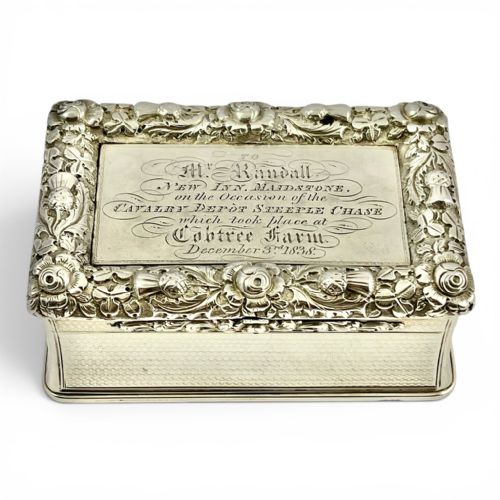
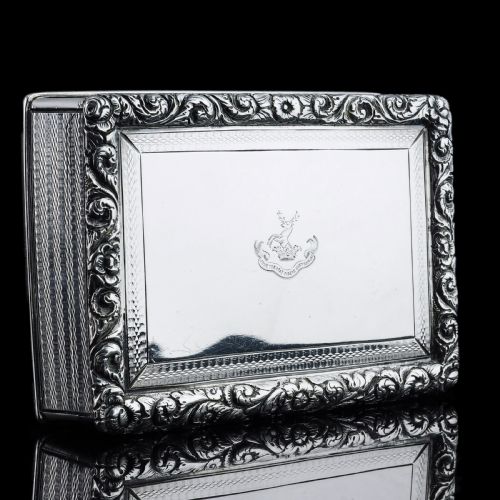
When searching for an antique table snuff, collectors examine substantial containers designed to sit on a surface rather than fit a waistcoat pocket. The pieces encountered here span the eighteenth, nineteenth, and early twentieth centuries, encompassing Georgian and Victorian eras alongside continental and Dutch examples.
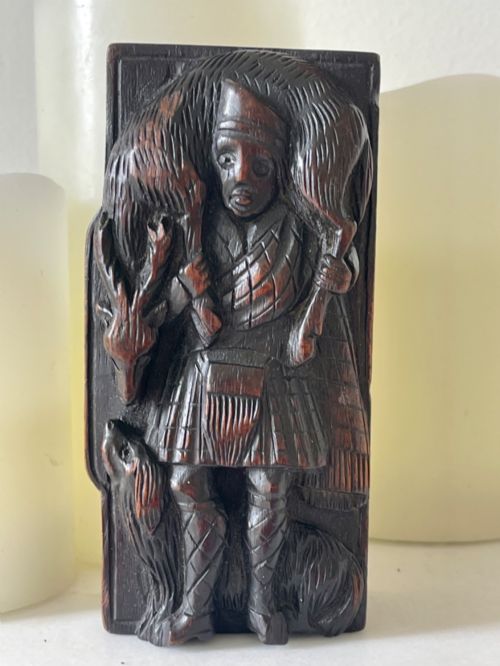
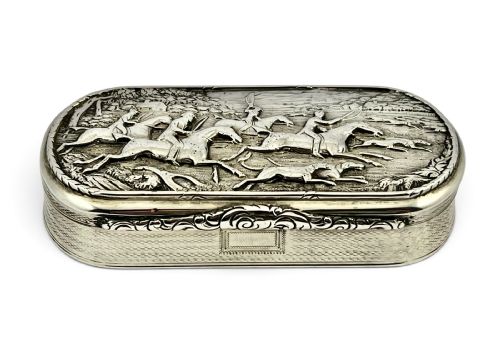
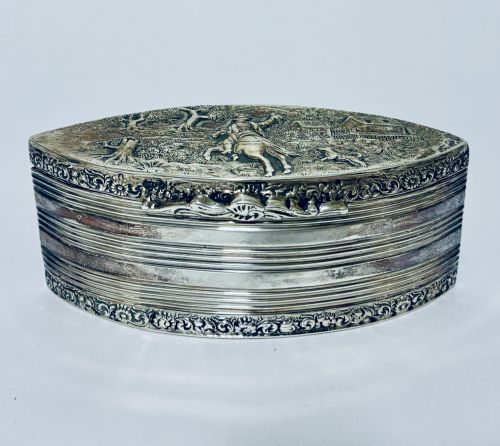
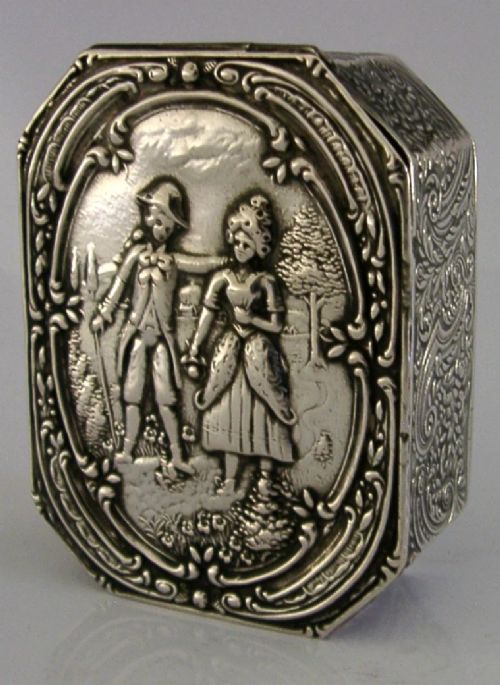
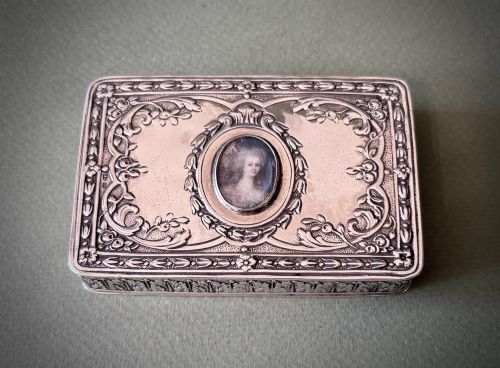
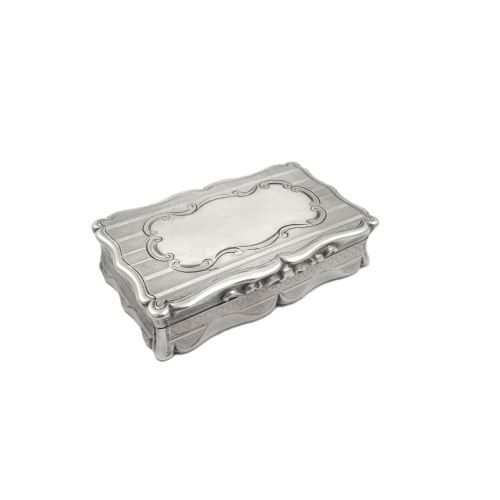
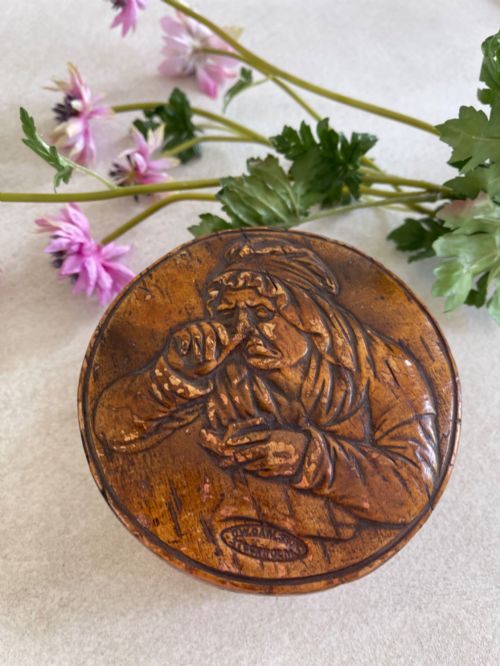
The physical forms include heavy silver boxes with cast borders, picture castle tops, and figural scenes alongside pressed papier-mache and turned hardwood vessels. Makers utilised various media, producing navette shapes, cartouche outlines, and round walnut or shell configurations intended for communal use.
Proportions range from modest pocket-adjacent pieces to heavy desk-scale boxes weighing several hundred grams. These receptacles served social rituals in dining rooms and drawing rooms, where hosts offered powdered tobacco to guests.
How They Were Made
Silversmiths employed sterling and solid silver, utilising techniques such as picture casting, floral chasing, and silver gilding to ornament the heavy gauge metal. Continental workshops applied niello inlay and figural repousse work, while German and Dutch makers produced intricate desk boxes with detailed architectural scenes.
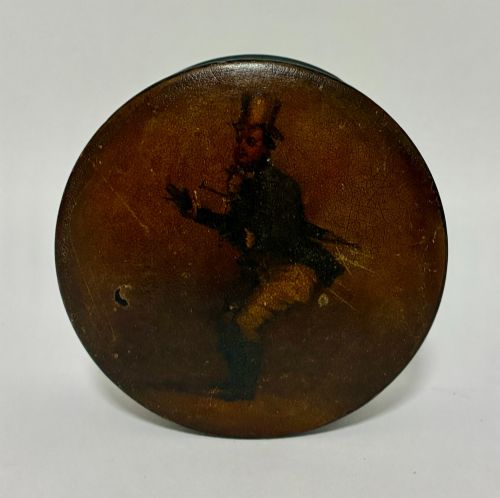
Non-metal versions rely on natural materials including papier-mache, lacquer, turtle shell, horn, and carved hardwood. Artisans shaped these organic substrates with smooth patinas, pairing them occasionally with silver mounts and engraved cartouches.
Antique Table Snuff Retail Price Guide 2026
Typical asking prices for table snuff among the pieces listed under this phrase on Sellingantiques today, from the lower quarter to the upper quarter. They describe what is for sale here now, not the wider market.
What Varies in Quality
Distinctions across the range depend on the crispness of chased borders, the depth of figural cast relief, and the integrity of the hinge and closure. Pieces bearing clear maker marks and town hallmarks demonstrate higher workshop distinction than unmarked continental wares.
Material density and weight separate standard containers from heavy gauge desk boxes. Surface execution, whether hand-engraved scrollwork on silver or the preservation of lacquer on papier-mache, dictates the standing of an individual box.
Joseph Wilmore·Thomas Shaw·Edward Smith·Edward Edwards·Frederick Mason·David Pettifer
The Antique Table Snuff Glossary
- Castle top
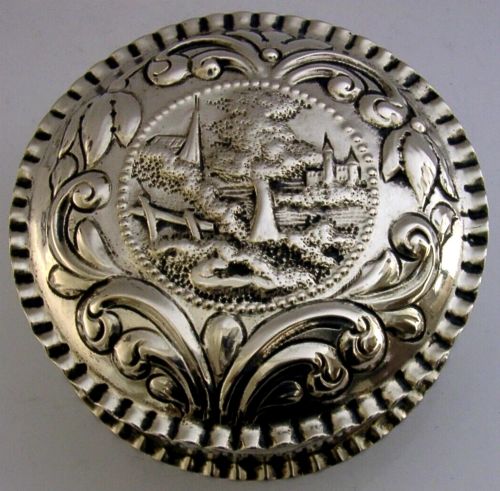
- A box lid featuring a high-relief cast architectural scene, often depicting a specific stately home or landmark. These pictorial lids represent peak nineteenth-century silver manufacturing.
- Cartouche
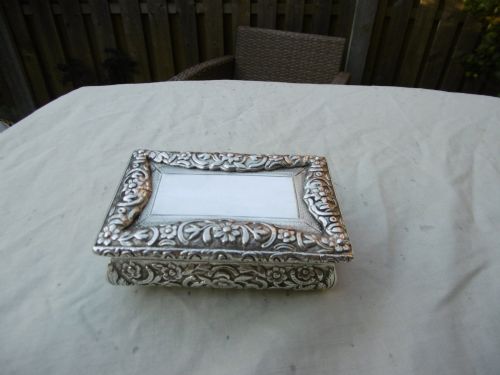
- An ornamental framed panel on a lid or base, often left blank for engraved initials. This decorative device appears frequently on mid-Victorian silver boxes.
- Niello
- A black metallic alloy used as an inlay on engraved silver surfaces to produce contrasting dark designs. French and continental makers utilised this technique for pictorial lids.
- Navette
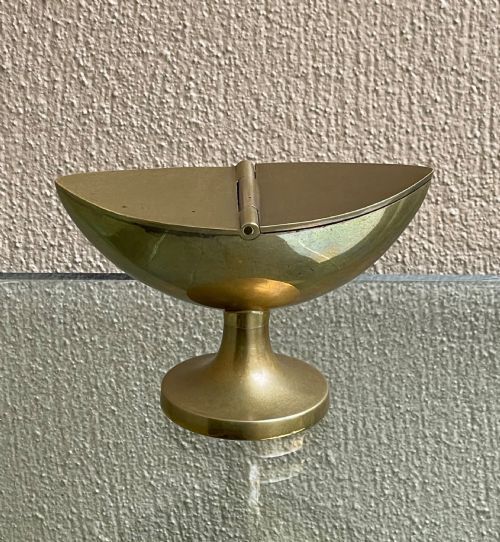
- A pointed, boat-like oval shape popular for Georgian brass and silver snuff containers. This symmetrical geometry sits low on a table surface.
- Repousse
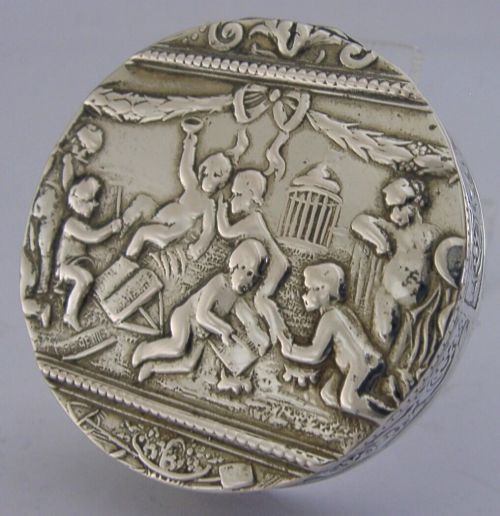
- Metalwork shaped by hammering from the reverse side to form raised designs on the front. This method creates the high-relief cherub and floral motifs seen on continental silver.
Antique Table Snuff: Frequently Asked Questions
What is an antique table snuff box?
An antique table snuff box is a large container designed to hold tobacco powder on a surface rather than in a pocket. These vessels were kept in communal spaces for guests to share during social gatherings.
The survivals on this page include heavy silver examples from Birmingham and London silversmiths, alongside papier-mache and hardwood pieces from the eighteenth and nineteenth centuries.
How were table snuff boxes used?
Hosts placed these boxes on dining and drawing room tables after meals to offer pinches of scented or dry tobacco to company. Guests would open the heavy hinged lid to access the contents.
The larger desk-scale versions could hold supplies for daily household use or travel, reflecting the formal etiquette of Georgian and Victorian social life.
How do I date a silver snuff box?
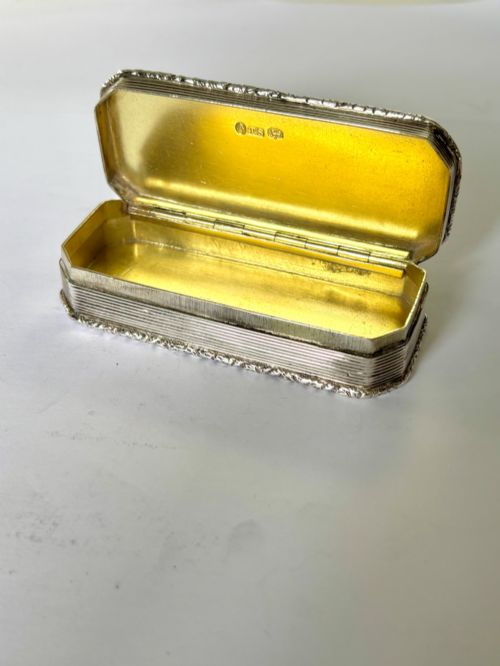
Dating relies on identifying stamped assay office hallmarks, maker marks, and date letters struck into the silver metal. British pieces usually show a monarch profile alongside city marks.
Stylistic cues such as Rococo revival scrolls, floral chased borders, or Art Deco geometry also help narrow the decade of production.
What materials were used besides silver?
Workshops utilised papier-mache coated in lacquer, tortoise shell, carved hardwood, horn, and brass alongside ceramics. These organic materials offered alternative textures for domestic vessels.
Many non-metal containers feature metal hinges, silver mounts, or inset coins to add decorative weight.