


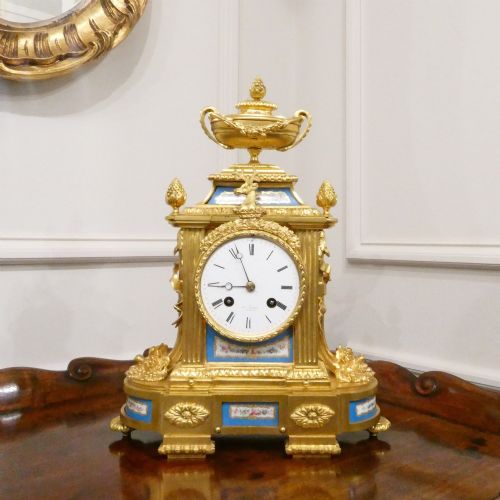
Antique Table Shelf
These pieces combine surface and display through the antique table shelf, bringing compact utility and period timber into everyday rooms.
Antique Table Shelf
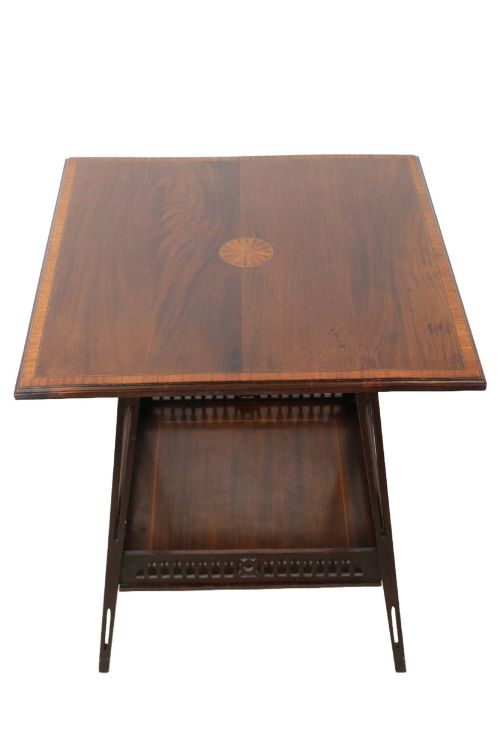
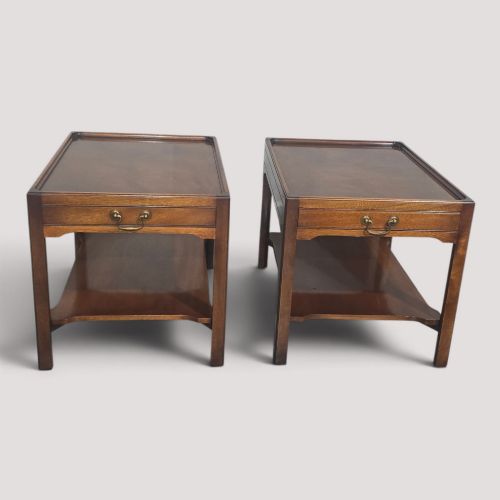
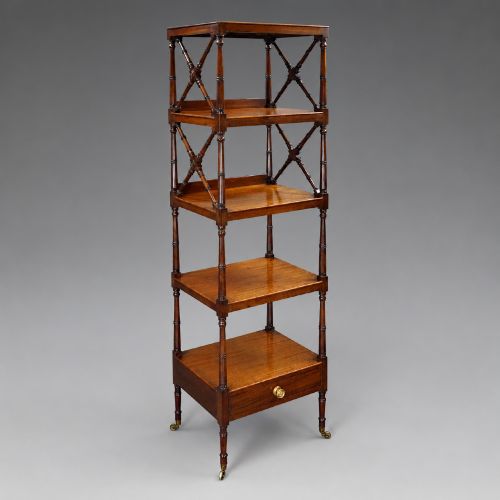
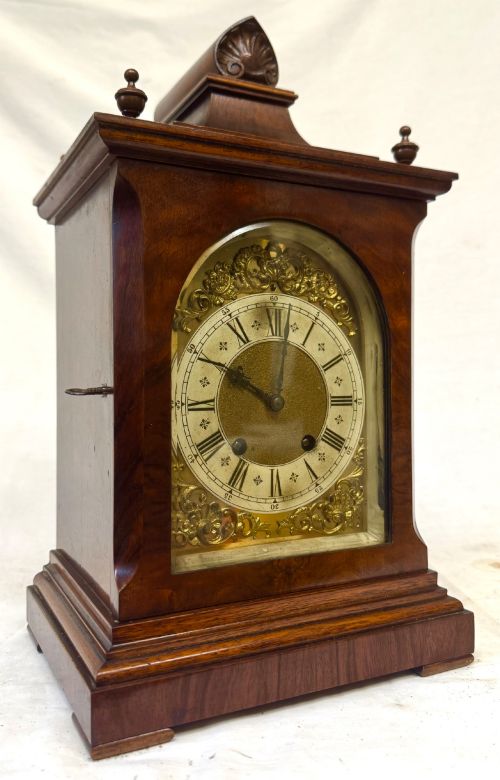
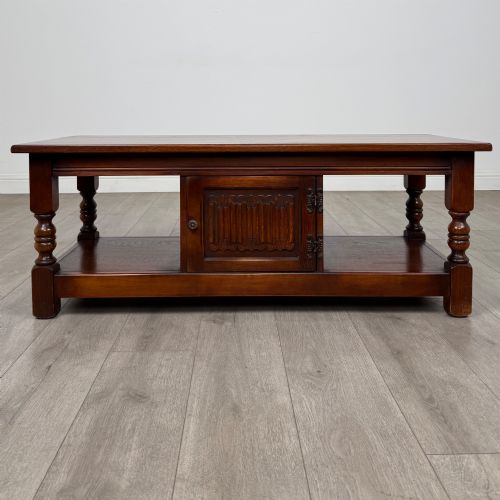
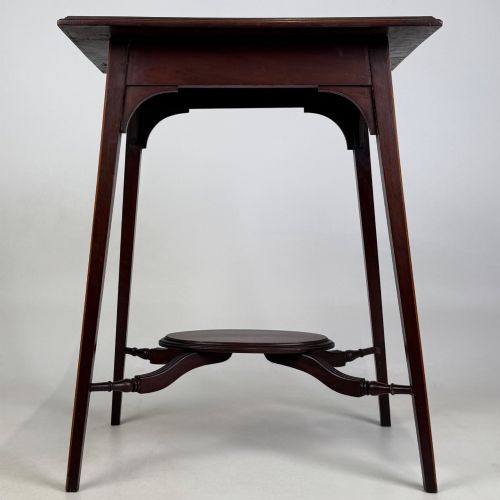
The term antique table shelf covers an array of hybrid furniture designed to offer both a flat surface and a secondary tier for storage or display. Pieces meeting this description on this page range from occasional side tables with magazine racks to bedside cabinets, book troughs, and whatnots.
Most examples hail from the Victorian and Edwardian eras, executed in mahogany, oak, and walnut. Smaller forms, such as miniature apprentice pieces and revolving bookcase stands, appear alongside country oak side tables featuring fitted under-shelves.
Buyers also encounter specialised variants like washstands with over-shelves and davenport desks incorporating open shelving beneath writing surfaces. These forms reflect a historical domestic demand for tidy vertical organisation within modest floor spaces.
How they were made
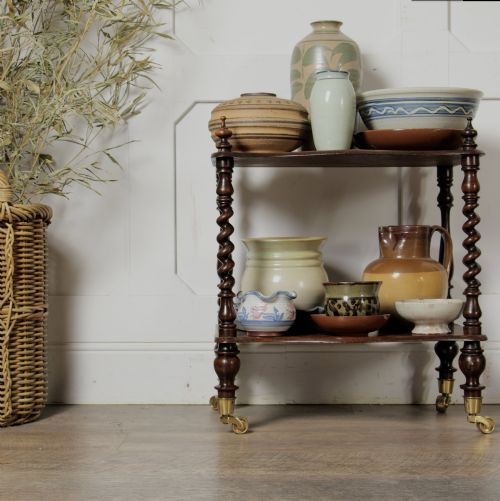
Construction relies heavily on traditional hardwoods like mahogany, oak, and walnut, often shaped into sturdy frames, turned legs, or barley twist supports. Joinery techniques from the nineteenth and early twentieth centuries ensure that multi-tiered structures remain rigid under daily weight.
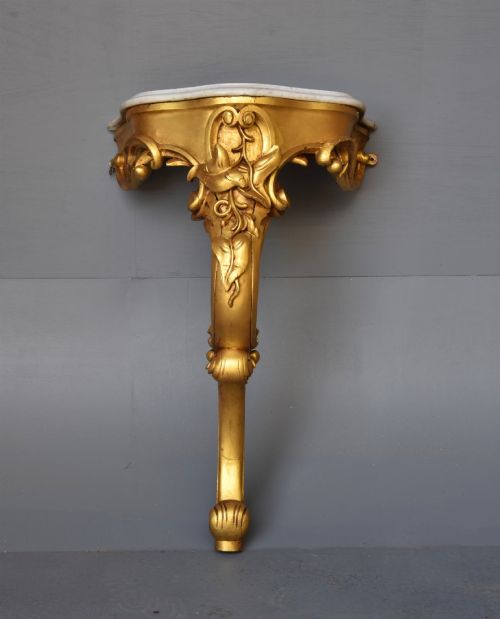
Secondary materials such as brass fittings, glass panels, leather inserts, and marble tops integrate structural resilience with decorative finish. Marquetry inlay, carving, and polished lacquer surface treatments complete the construction methods recorded across these periods.
Listings feature items spanning the Victorian and Edwardian periods, constructed primarily in mahogany, oak, and walnut.
What varies in quality
Quality rests upon the structural integrity of the tiered joinery and the selection of timber grain. Superior examples exhibit tightly fitted shelf supports, stable vertical alignment, and uncompromised secondary woods beneath the main surfaces.
Refinement in carving, crispness of inlay work, and the original matching of brass or bronze hardware distinguish higher-grade workshop production from utilitarian domestic furniture.
Trevor Page & Co·Henry Marc·Charles a Orleans·Achille Brocot·James Mein of Kelso
The Antique Table Shelf Glossary
- Barley Twist
- A type of turned wooden column resembling a twisted rope. This decorative support appears frequently on nineteenth-century stands and tables.
- Marquetry
- The art of applying decorative veneer pieces in various woods to a structural surface. It creates geometric or pictorial patterns on table tops and cabinet fronts.
- Over-shelf
- An elevated secondary shelf mounted above a main surface, common on washstands and sideboards. It provides additional vertical display space.
- Apprentice Piece
- A miniature item of furniture constructed by a trainee craftsman to demonstrate mastery of joinery techniques. These small pieces often replicate full-sized tables or cabinets.
Antique Table Shelf: Frequently Asked Questions
What distinguishes an antique table shelf from a standard side table?
The defining characteristic is the inclusion of a secondary under-shelf or tier positioned beneath the main surface. This extra plane provides functional storage for books, magazines, or display items without enlarging the furniture footprint.
Such designs emerged strongly during the Victorian and Edwardian periods to maximise utility in domestic interiors.
Where were these multi-tiered tables typically placed in a home?
These versatile pieces served various rooms, acting as bedside tables, lamp stands in drawing rooms, or hallway drop surfaces for small items. Versions with built-in book troughs or revolving shelves sat beside reading chairs or desks.
Washstands with integrated over-shelves found their natural home in bedrooms for holding washing accessories.
How can I tell a Victorian example from an Edwardian one?
Victorian pieces tend to utilise darker timbers like heavy walnut and mahogany, often featuring richer carving, barley twists, or dense architectural details. They convey a heavier, more solid visual weight.
Edwardian items frequently display lighter mahogany frames, delicate marquetry inlay, and a generally brighter aesthetic influenced by evolving domestic tastes at the turn of the century.
How do I care for the polished timber surfaces?
Maintenance requires keeping the wood away from direct heat sources and strong sunlight to prevent the timber and polish from drying out. Regular dusting with a soft, dry cloth preserves the finish without chemical buildup.
Applying a traditional beeswax polish occasionally helps nourish older mahogany and oak surfaces.