





Antique Table Pockets
These antique table pockets include pocket watches, desk clocks, and side tables, offering practical utility and period craftsmanship for your interior.
Antique Table Pockets
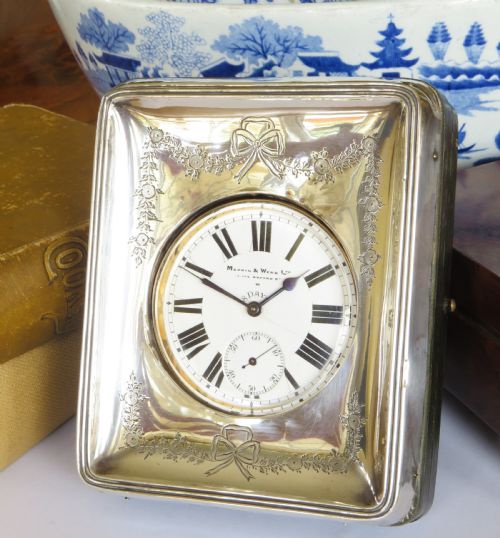
When you search for antique table pockets, you encounter various domestic items associated with desks, side tables, and pocket storage, including small furnishings and desk accessories. The selection spans periods from the eighteenth century through the nineteenth century, taking forms such as bedside tables and miniature globes on stands. French nineteenth-century pieces alongside Georgian and Victorian examples define the range available.
Bedside tables and vide-poche forms provide the direct link to the phrase, functioning as small receptacles or tables for pocket contents. Other items bridge the descriptor through miniature scales, desk placement, or pocket-related utility like travel clocks and snuff boxes. This variety reflects the diverse domestic habits of earlier centuries.
How they were made
Makers utilised mahogany for small tables, applying traditional cabinet-making methods to create compact bedside furniture. Wood is shaped and finished to highlight natural grain patterns suited to domestic placement.
Antique Table Pockets Retail Price Guide 2026
Typical asking prices for table pockets among the pieces listed under this phrase on Sellingantiques today, from the lower quarter to the upper quarter. They describe what is for sale here now, not the wider market.
One tiny French table was destined solely to catch the stray coins and keys from a gentleman's waistcoat pocket before sleep.
What varies in quality
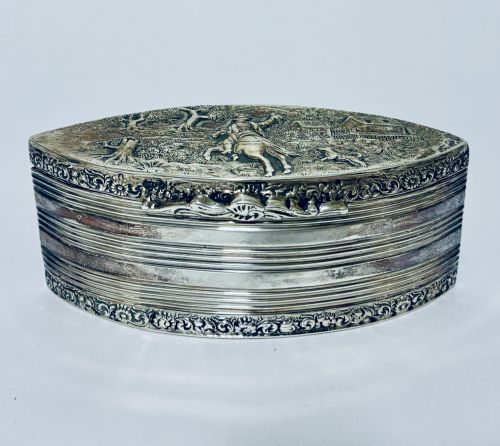
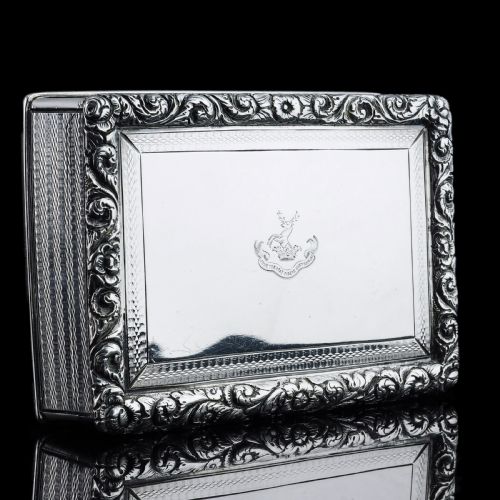
Quality shows in the precision of decorative metalwork, such as cast acanthus borders and detailed hand engraving on silver boxes. Sharply defined chasing and substantial weight distinguish superior metal items from simpler productions.
In wooden furniture, the integrity of the timber and the subtlety of the joinery determine the standard. Well-proportioned bedside tables display careful attention to structural framing and surface finish.
The Antique Table Pockets Glossary
- Vide-poche
- A small tray or table intended for emptying pockets of small items at the end of the day. These items originate frequently from nineteenth-century French workshops.
- Niello
- A black metallic alloy used to fill designs engraved on silver. This technique creates contrasting patterns on table snuff boxes.
- Champleve enamel
- A technique where troughs are dug into a metal surface and filled with enamel colours before firing. It appears on decorative desk clocks.
- Chasing
- A metalworking method where designs are hammered into the front surface rather than engraved by cutting metal away. This creates raised ornamental borders on silver boxes.
Antique Table Pockets: Frequently Asked Questions
What is a vide-poche table?
A vide-poche is a French term translating to empty pocket, describing small tables designed to hold personal items.
These pieces served as convenient receptacles for pocket contents at the bedside.
How do I date a silver box?
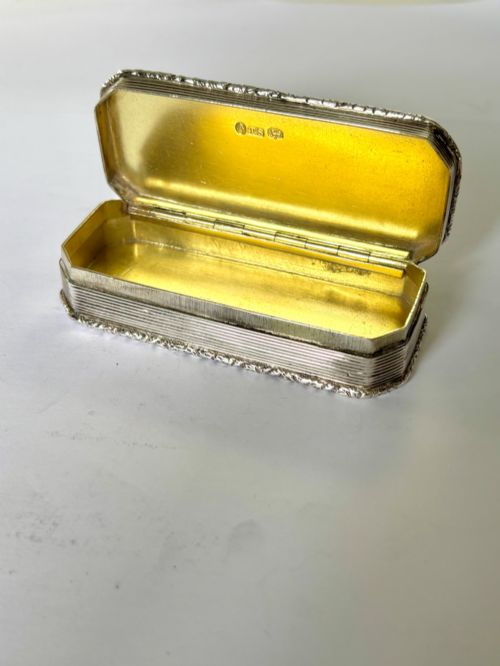
Silver pieces often carry hallmarks indicating the year of production and the maker.
Examining the assay office marks and date letters provides precise chronological placement.
Where were miniature globes placed?
Miniature globes sat upon desks or specialised stands during the eighteenth and nineteenth centuries.
They functioned as educational instruments and decorative library accessories.
What materials are common?
Items frequently employ solid silver, mahogany, gilt bronze, and enamel.
These materials reflect the domestic utility and decorative tastes of the Georgian and Victorian eras.