
Antique Table Lamp Bases
These antique table lamp bases bring character and warmth to a room, offering everything from classic brass columns to striking Art Deco figures.
Antique Table Lamp Bases
When you search for antique table lamp bases, you encounter a diverse selection of lighting fixtures and repurposed objects spanning the nineteenth and twentieth centuries. The assortment includes traditional column designs, figurative pieces, and converted vessels from various design movements.
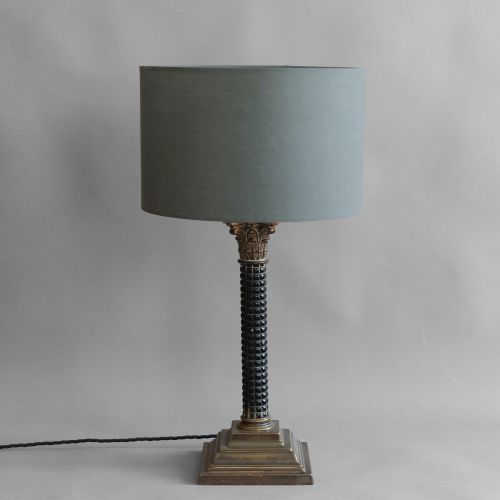
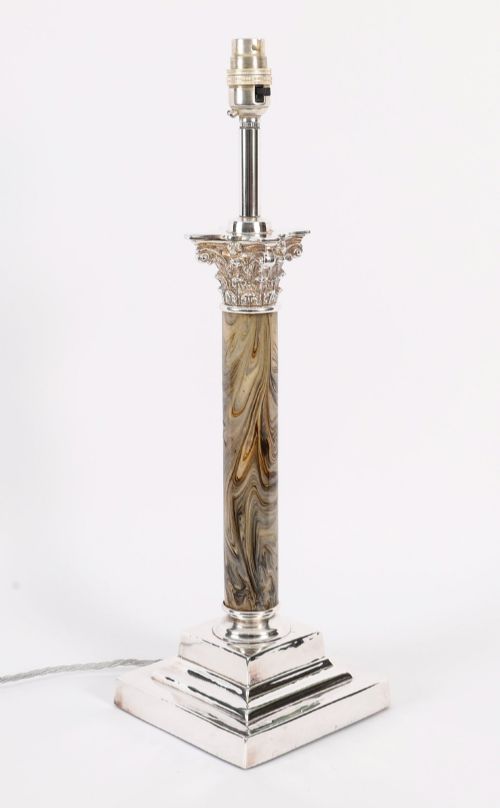
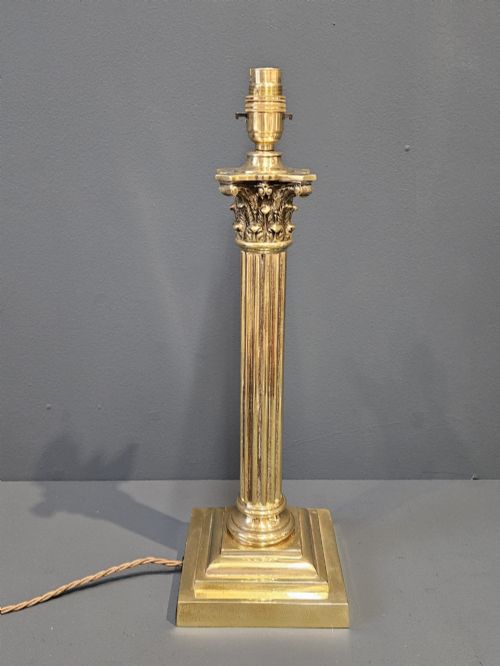
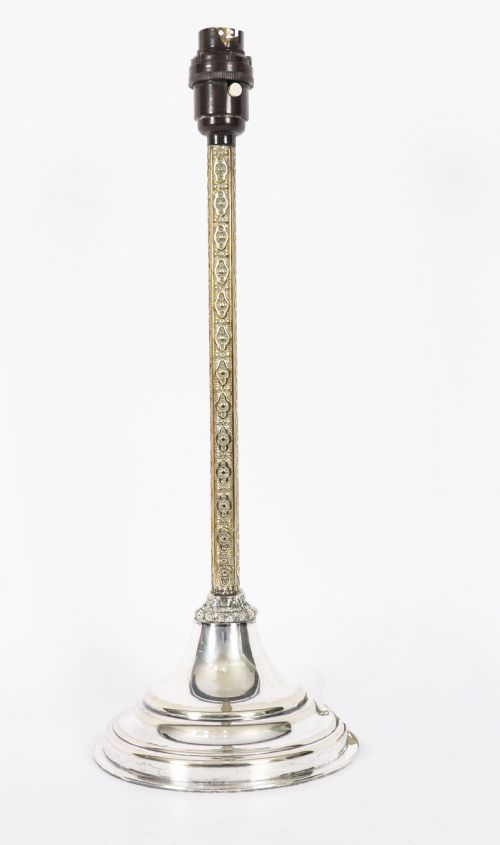
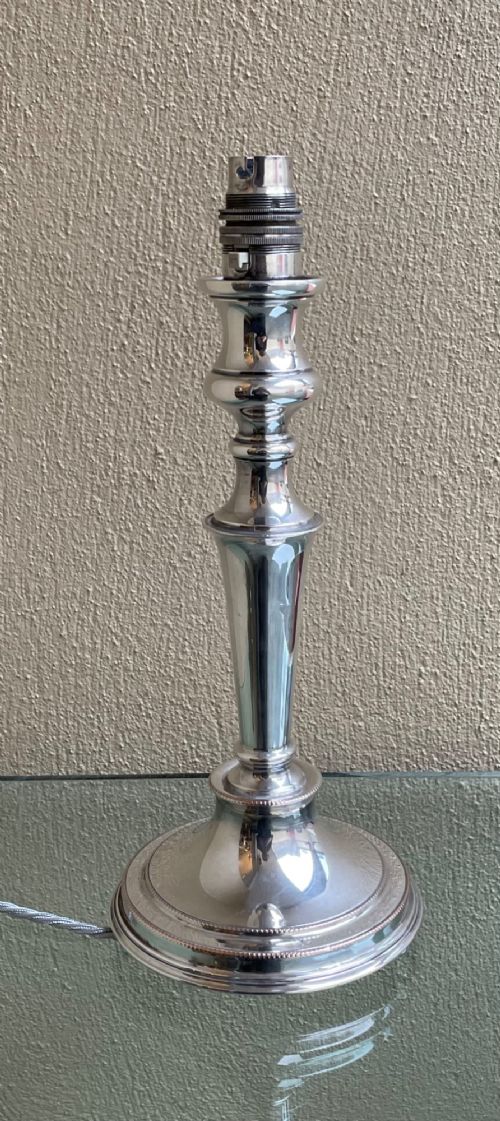
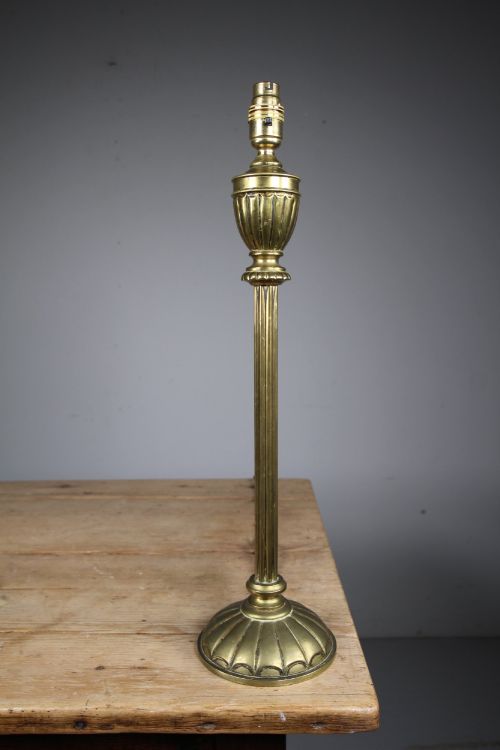
Victorian brass and silver plated Corinthian column lamp bases appear frequently, alongside Edwardian brass designs and distinctive Art Deco lady lamps. You will also find pieces incorporating marble, crystal, onyx, and ceramic elements, reflecting the aesthetic preferences of their respective periods.
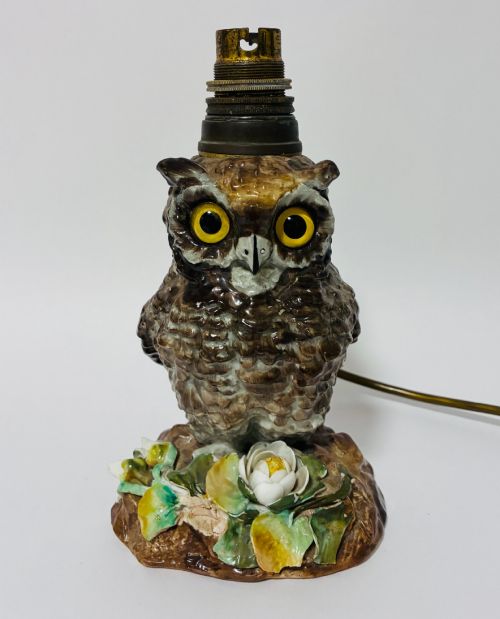
The selection extends across multiple stylistic influences, encompassing Neoclassical Revival, Arts and Crafts, and Anglo-Indian designs. Many pieces demonstrate how earlier lighting technologies, such as oil lamps, were later adapted for electricity.
How they were made
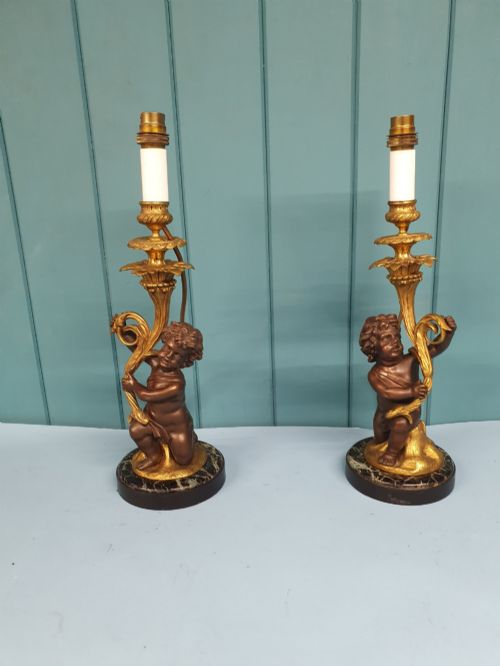
Metalworking techniques defined a large portion of these pieces, utilising cast brass, silver plate, ormolu, and bronze to form detailed columns, figures, and mounts. Makers often combined these metals with stone elements like marble and onyx to add weight and visual contrast.
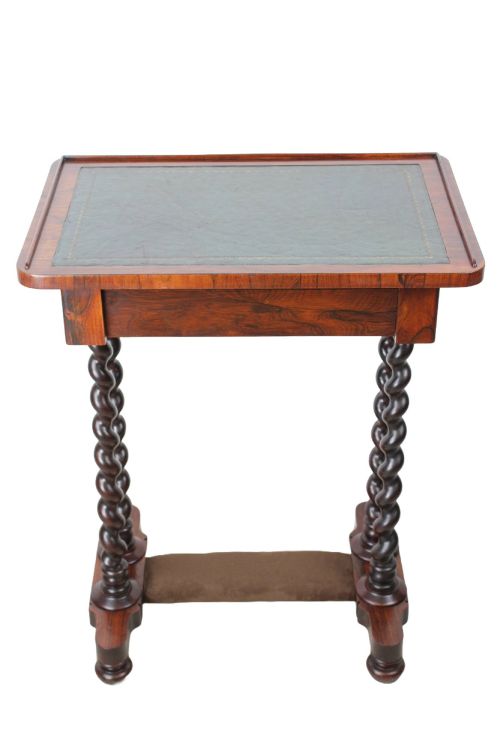
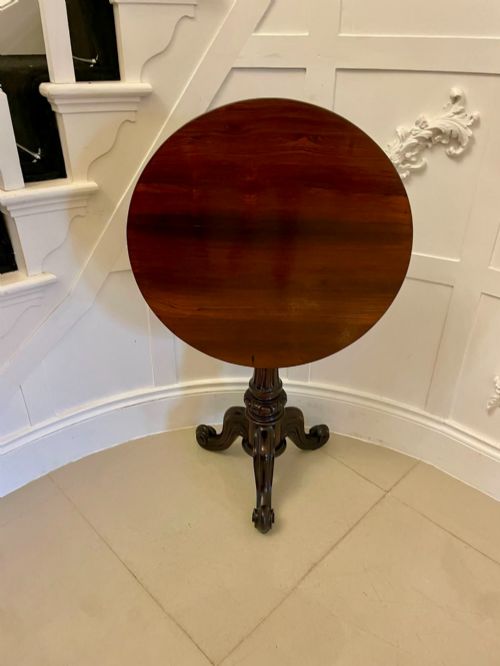
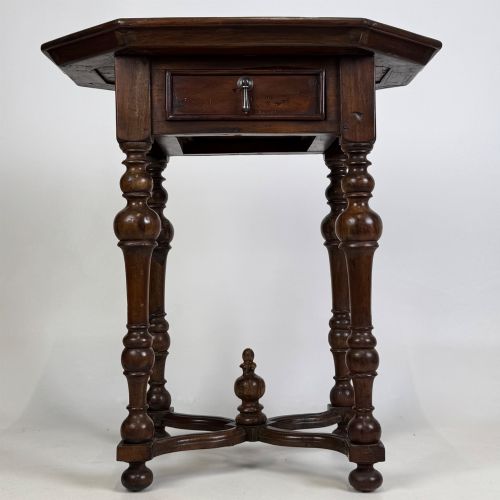
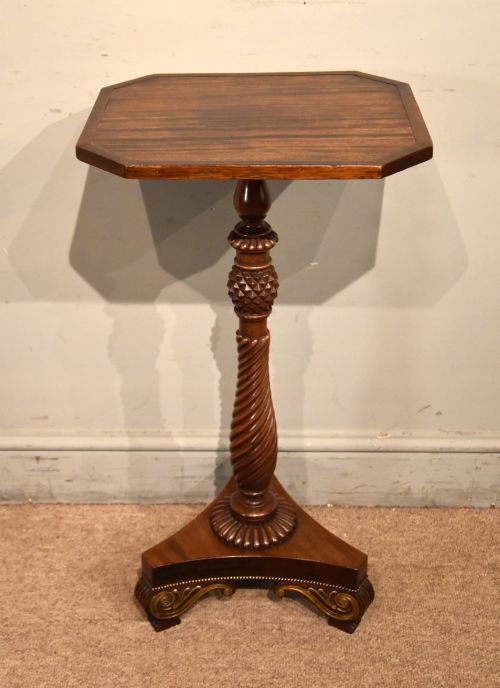
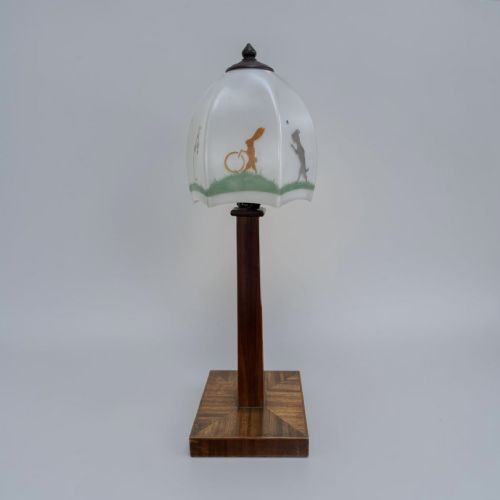
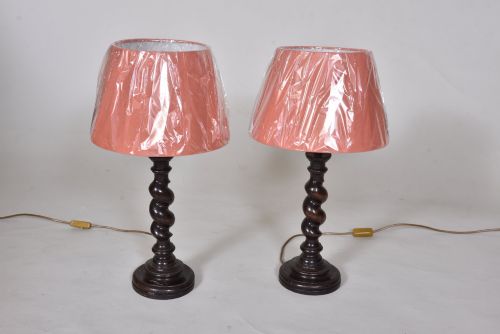
Woodworking traditions also shaped the selection, employing hardwoods such as mahogany, rosewood, oak, and walnut in turned, carved, or pedestal forms. Ceramic and glass production contributed specialised components, including crackle ware bodies and opaline shades.
Decorative surface treatments varied widely, incorporating parcel gilt highlights, hand-painted details, and intricate carving, particularly on items originating from Kashmiri workshops.
Listings feature periods spanning the nineteenth century through the 1930s, alongside materials including brass, marble, mahogany, and gilt bronze.
What varies in quality
The standard of execution in casting and chasing separates standard examples from exceptional ones, particularly on metal columns and bronze figures where crisp detail defines the best work. Heavier gauge metals and genuine ormolu rather than simple plating indicate superior original manufacture.
Material selection plays a decisive role, with choice hardwoods, unblemished onyx, and high-grade crystal commanding greater attention from collectors. The integration of different components, such as secure mounts on stone bases and balanced proportions, marks out the more accomplished pieces.
Mappin and Webb
The Antique Table Lamp Bases Glossary
- Corinthian column
- A classical architectural column form featuring an ornate capital decorated with acanthus leaves. This motif proved especially popular for Victorian and Edwardian brass and silver plated lamp bases.
- Ormolu
- Gilded bronze, typically produced using a mercury amalgamation process on French decorative pieces. It provides a rich, warm metallic finish found on Neoclassical and Louis-style bases.
- Onyx
- A banded variety of chalcedony used as a solid base material for decorative lamps, often paired with gilt bronze trim. Its natural translucency and varied strata added luxury to turn-of-the-century interiors.
- Crackle ware
- Pottery or porcelain featuring a network of fine cracks in the glaze, deliberately produced for decorative effect. French examples from the late nineteenth century utilise this finish on lamp bodies.
- Baluster
- A moulded shaft with a swelling lower portion, frequently seen in the turned profiles of wooden or brass lamp bases. The shape derives from architectural stair railings.
Antique Table Lamp Bases: Frequently Asked Questions
How do I date an antique brass lamp base?
Dating relies on examining the manufacturing methods, such as cast versus stamped components, and stylistic clues from periods like the Victorian, Edwardian, or Art Deco eras. Screw threads, wiring channels, and maker's marks also offer chronological markers.
Changes in interior design fashions dictated the popularity of specific column designs and surface patination over the nineteenth and twentieth centuries. Comparing the construction details with dated examples helps narrow down the decade of production.
Were all these bases originally made as lamps?
Many metal and ceramic examples were indeed produced specifically as lighting fixtures, including oil lamps and early electric standards. Other pieces began life as candlesticks or architectural elements before later conversion.
Craftsmen frequently adapted decorative objects to meet the growing demand for domestic electric lighting during the early twentieth century. This conversion process often involved drilling or adding weighted bases to ensure stability.
How should I care for silver plated lamp bases?
Silver plated surfaces require gentle cleaning with a soft cloth to avoid abrading the thin metallic layer over the base metal. Commercial dips should be avoided in favour of non-abrasive silver foams designed for antiques.
Maintaining a dry environment prevents the base metal from showing through where the plating has thinned from historical polishing. Regular, light dusting preserves the natural patina accumulated over decades.
What styles dominate early twentieth century lamp bases?
The early twentieth century embraced diverse aesthetics, ranging from traditional Neoclassical Revival columns to modernist Art Deco figures. Anglo-Indian and Kashmiri turned wooden pieces also gained popularity during the 1920s.
Exotic materials like onyx and crackle ware appeared alongside straightforward brass and painted metal designs. This period reflected both a continuation of Victorian grandeur and a turn toward streamlined, geometric forms.