




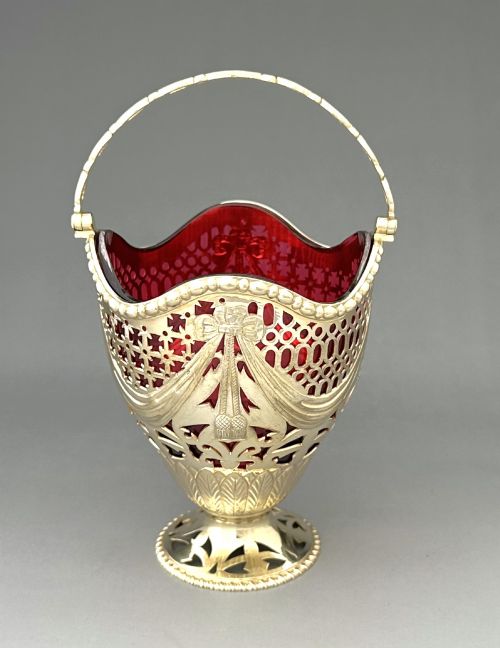
Antique Table Glass Bowl
An antique table glass bowl brings colour and light to a room, offering a versatile vessel for fruit, flowers or dressing table items.
Antique Table Glass Bowl
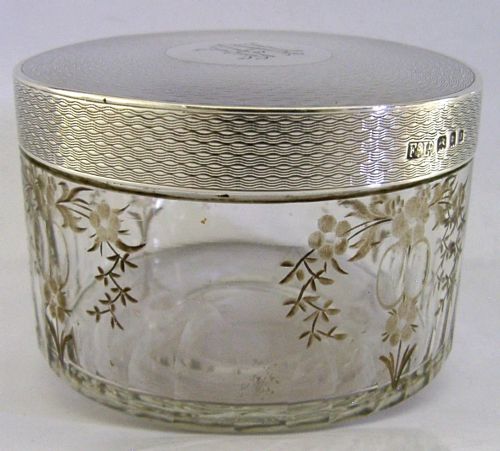
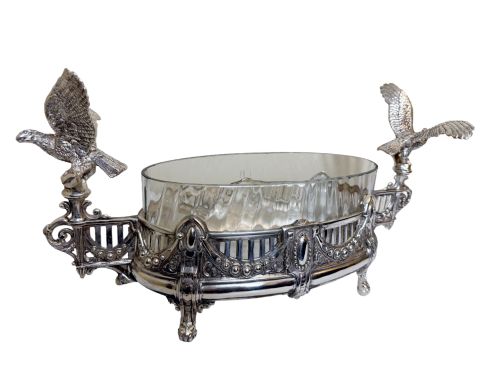
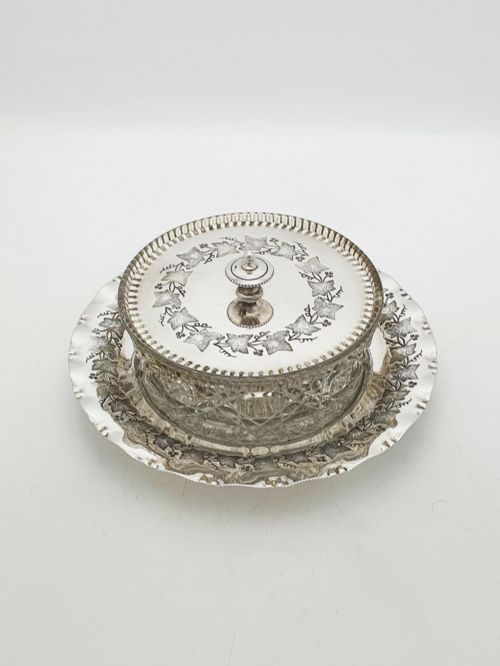
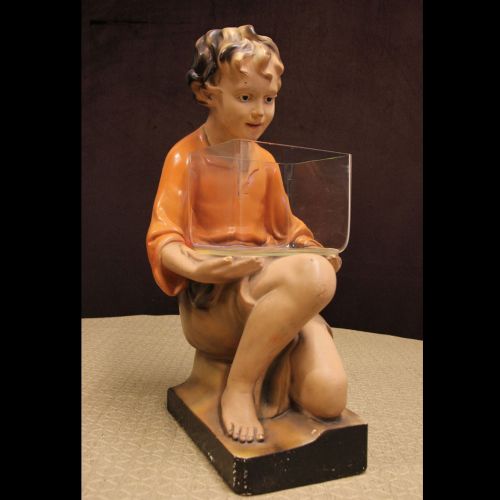
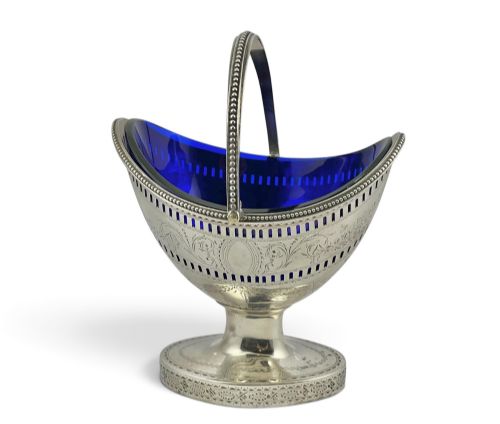
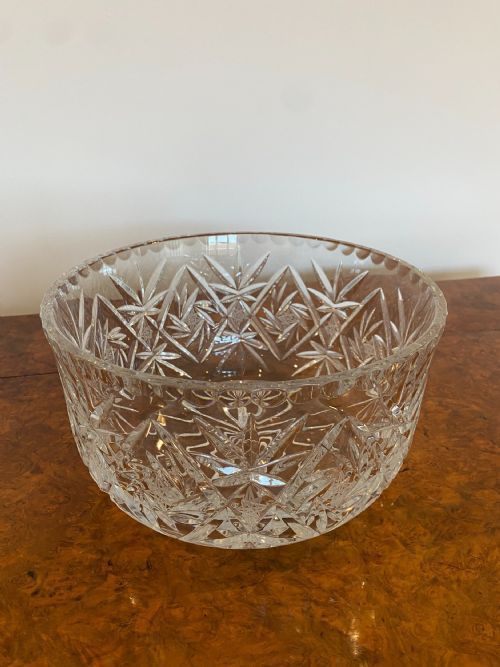
An antique table glass bowl spans various forms from the nineteenth and early twentieth centuries, including large centrepieces, fruit bowls, finger bowls and dressing table jars. These pieces often incorporate metal mounts such as sterling silver, silver plate, gilt bronze or ormolu.
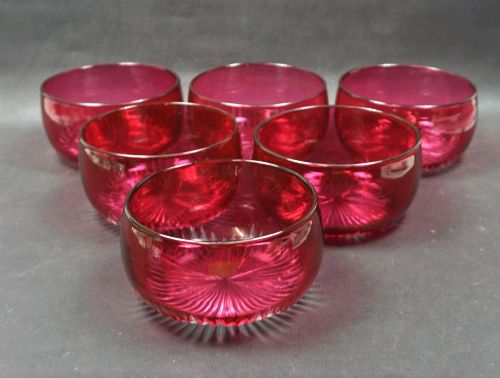
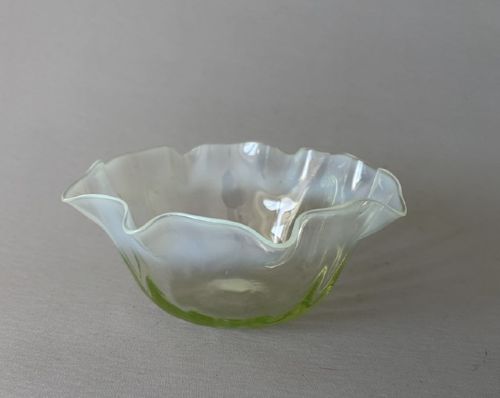
Origins range from English workshops to continental makers, utilising specific glass types such as cranberry, vaseline, uranium and Bristol blue glass alongside clear crystal.
How they were made
Glass production relied on hand blowing and moulding techniques, often finished with deep wheel-cut facets to catch the light. Coloured glass achieved its distinctive hues through mineral additions to the molten batch, such as uranium or gold.
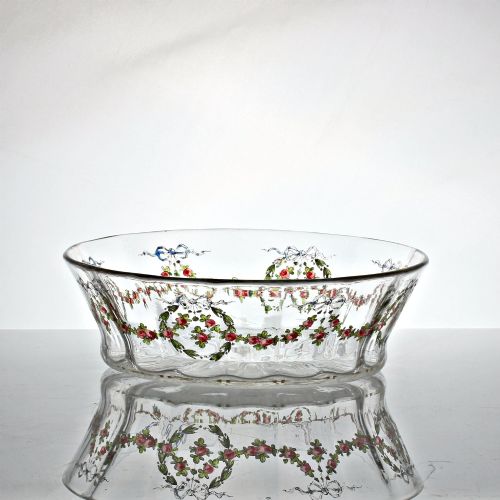
Metal mounts were cast, pierced and plated to cradle the fragile glass inserts securely. Enamelling and gilding were frequently applied to the glass surface by hand before being fixed in a kiln.
Antique Table Glass Bowl Retail Price Guide 2026
Typical asking prices for table glass bowl among the pieces listed under this phrase on Sellingantiques today, from the lower quarter to the upper quarter. They describe what is for sale here now, not the wider market.
Some vessels even incorporate Connemara marble alongside silver, proving that Victorian table ornaments enjoyed mixing geology with dinner.
What varies in quality
The weight and clarity of the crystal or glass set the foundation for a piece, alongside the precision of the hand-cut facets. Thicker glass with deep, crisp cutting and minimal internal bubbles indicates superior execution.
The craftsmanship of the accompanying metalwork differentiates the standard of manufacture. Finely chased silver mounts, robust silver plating and delicate hand-painted enamel details elevate the overall object.
Louis-Antoine Damon·Rene Lalique·Tiffany and Co·St Louis glassworks
The Antique Table Glass Bowl Glossary
- Epergne
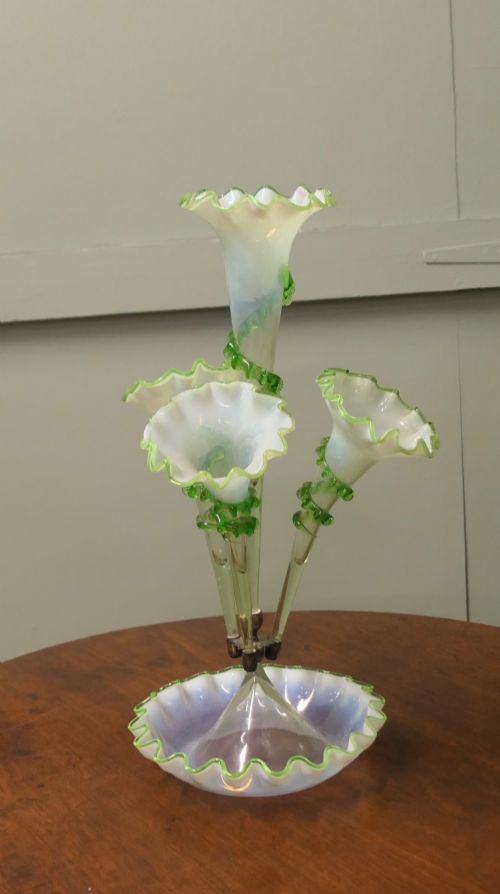
- A centrepiece dish featuring multiple branching trumpets or small baskets for holding fruit or flowers. These multi-part items were popular dining table ornaments in the Victorian era.
- Vaseline glass
- A transparent or translucent yellow-green glass that owes its characteristic hue to the inclusion of uranium dioxide. It glows under ultraviolet light.
- Finger bowl
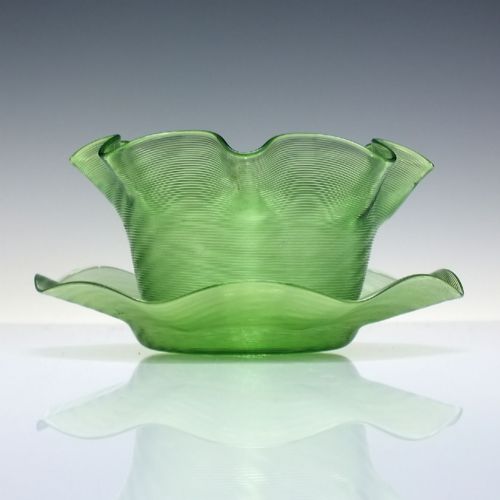
- A small bowl filled with water, placed beside a diner's plate for rinsing fingers between courses. They often coordinate with a matching saucer.
- Ormolu
- Gilt bronze ornamentation applied to furniture and decorative objects. The technique involves creating a finely chased bronze base and coating it with a layer of gold amalgam.
Antique Table Glass Bowl: Frequently Asked Questions
How were glass bowls used on dining tables?
Dining tables featured these vessels as centrepieces for displaying fresh fruit, sweetmeats or floating flowers during formal meals. Smaller finger bowls sat at individual places for cleansing hands between courses.
Servants cleared or rearranged these table wares as the meal progressed through multiple courses. Their reflective surfaces added brilliance to candlelit dining rooms.
What is cranberry glass?
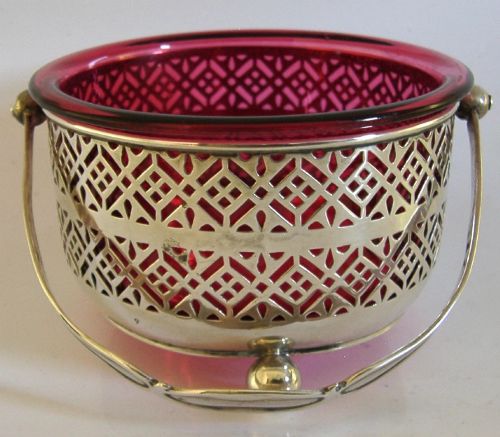
Cranberry glass is a red-pink transparent material created by adding gold chloride to the molten glass batch. It gained immense popularity during the Victorian period for tableware and dressing accessories.
Makers often paired this striking pink glass with pierced silver-plated baskets or mounts. The contrast between the bright red glass and polished metal remains a defining aesthetic of the era.
How do I care for antique glass bowls?
Wash these pieces gently by hand using lukewarm water and mild detergent, avoiding harsh scrubbers that can scratch the surface. Metal mounts should be kept dry and polished carefully to prevent tarnish accumulation.
Extreme temperature changes can crack old glass, so avoid hot water or direct heat sources. Storing them on stable surfaces away from heavy traffic protects both the glass and any delicate metal feet.
How can I tell the period of a glass bowl?
Dating relies on a combination of stylistic clues, metal hallmarks and manufacturing techniques. Heavy cut crystal and ornate ormolu mounts often point towards the nineteenth century, while geometric lines suggest the nineteen-thirties.
Silver mounts frequently carry assay office marks and date letters that pinpoint the exact year of manufacture. Examining the base for pontil marks helps determine whether the glass was hand-blown.