

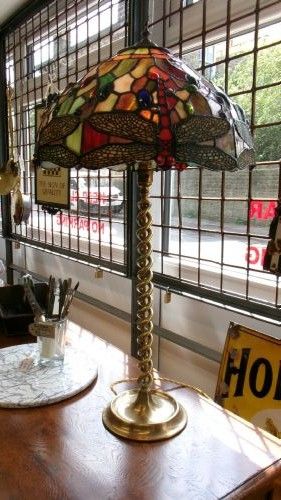
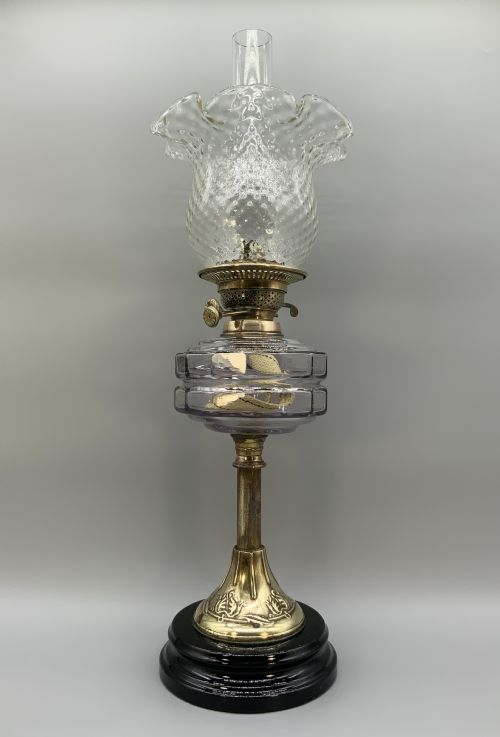


Art Nouveau Table Glass
Art nouveau table glass brings organic lines, iridescent finishes, and fluid forms into domestic interiors through lamps, vases, and centrepieces.
Art Nouveau Table Glass
When you search for art nouveau table glass, you encounter functional and decorative items designed to grace tabletops, desks, and dressing surfaces. These pieces emerge from periods spanning the late nineteenth century into the early decades of the twentieth century, including Victorian and Edwardian eras.
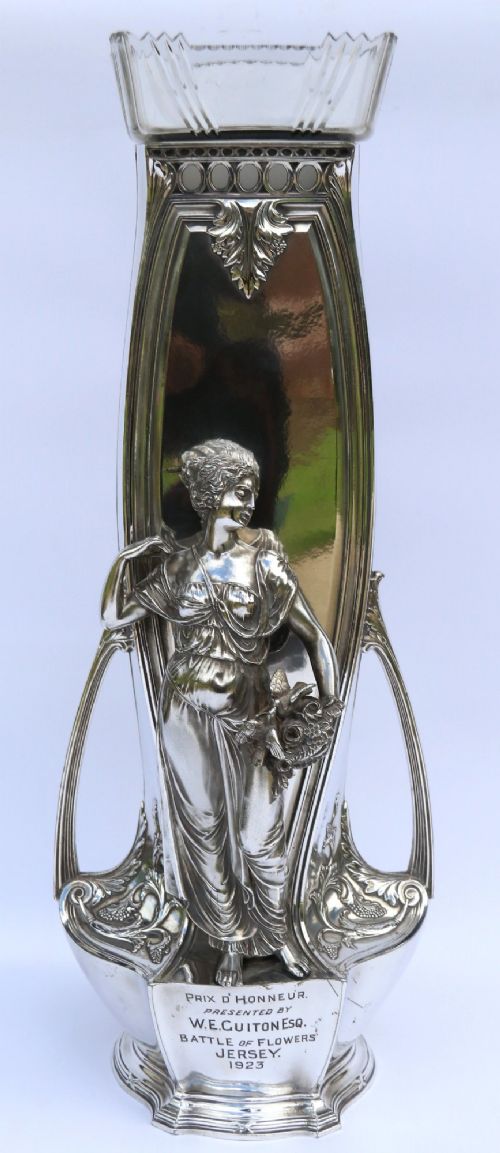
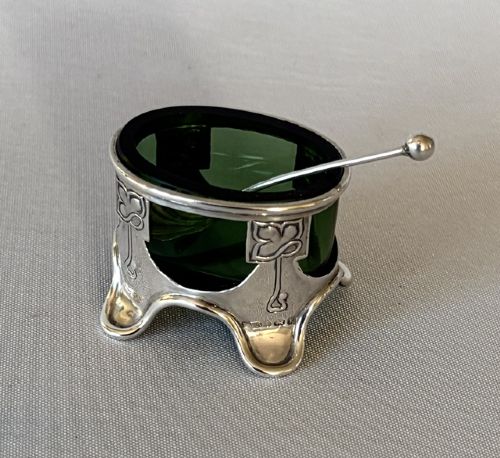
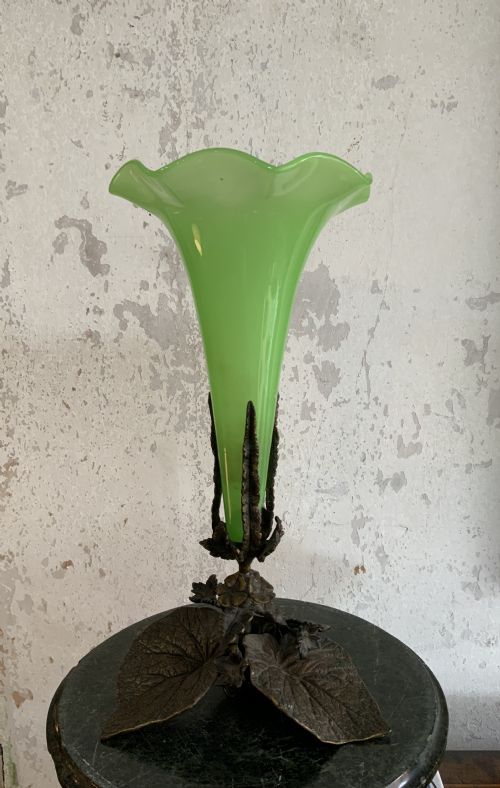
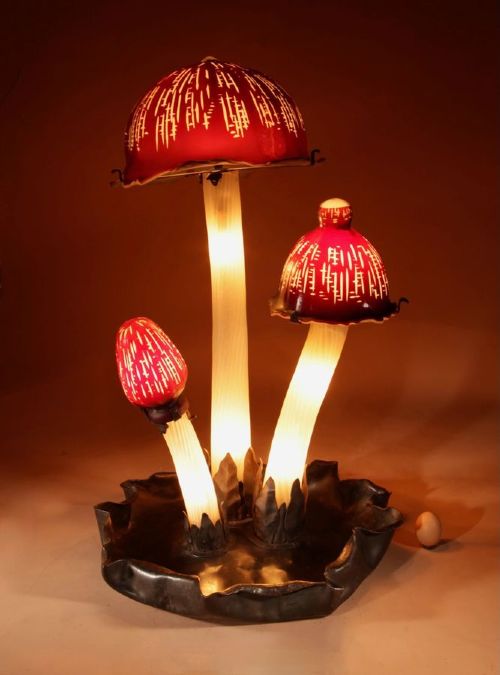
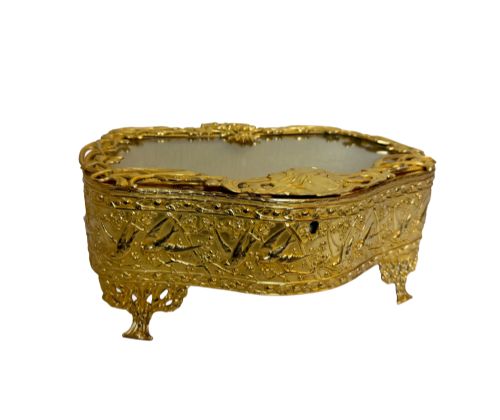
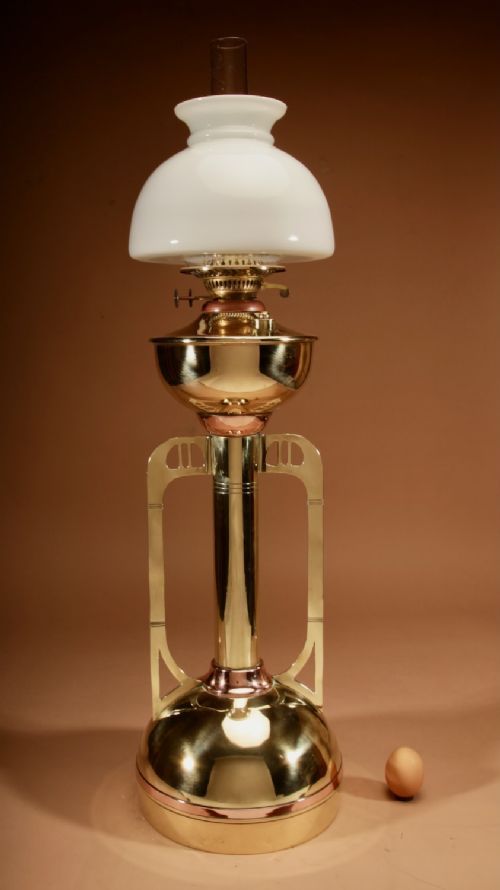
The most common forms on this page include oil lamps, perfume bottles, vases, and centrepieces. Many combine blown glass bowls or shades with metal mounts in brass, bronze, or silver plate.
Origins stretch across European and American workshops, uniting French design, English metalwork, and Bohemian glassmaking under a distinct aesthetic movement.
Materials and Technique
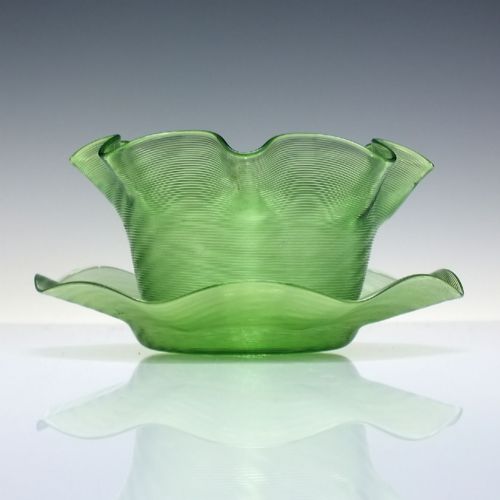
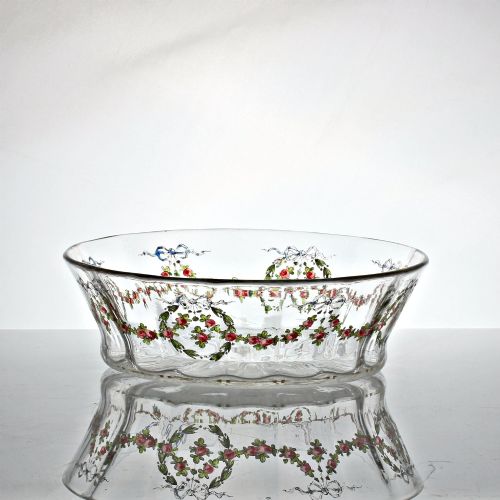
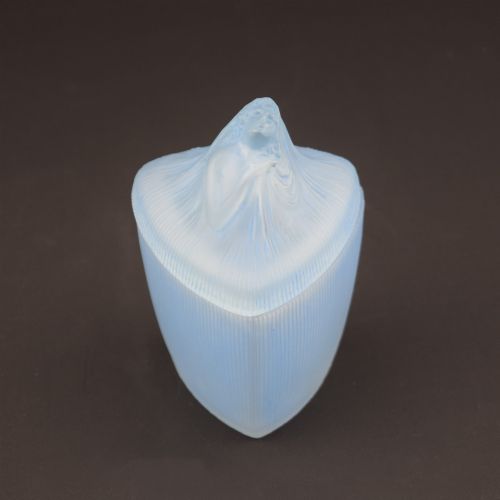
Makers utilised blown glass, frosted glass, and crystal as primary canvases, frequently applying enamel, gilding, or cameo carving to achieve surface texture. Iridescent and uranium glass treatments introduced shifting colour effects under changing light.
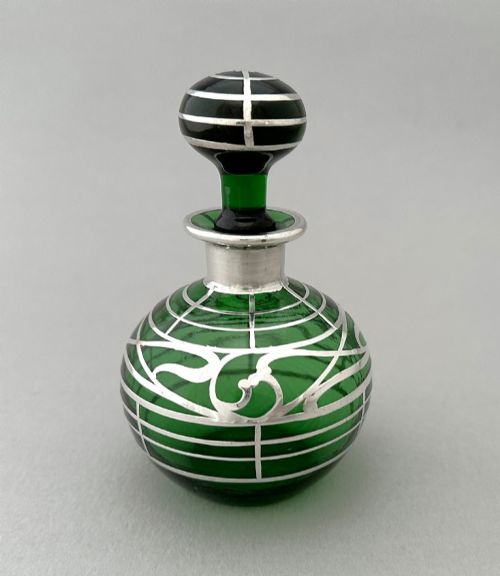
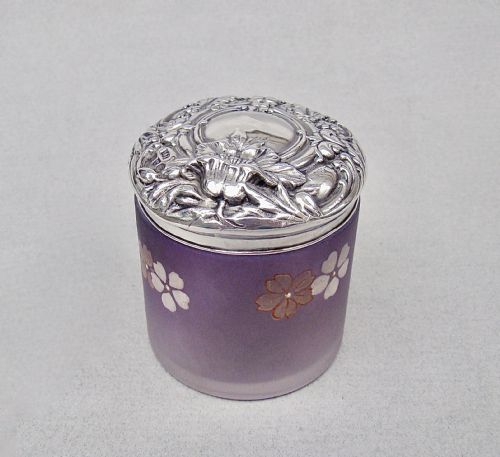
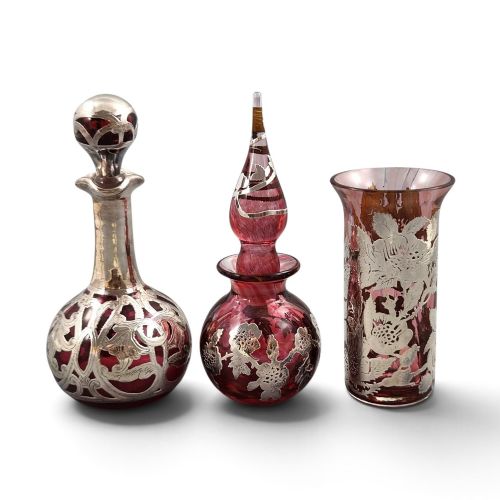
Metal components relied on brass, copper, sterling silver, and silver plate, shaped into organic tendrils or geometric supports that gripped or framed the glass vessels. Silver overlay provided an intricate metallic web directly onto perfume bottles and jars.
Art Nouveau Table Glass Retail Price Guide 2026
Typical asking prices for art nouveau table glass among the pieces listed under this phrase on Sellingantiques today, from the lower quarter to the upper quarter. They describe what is for sale here now, not the wider market.
Materials span blown glass, frosted glass, and crystal combined with brass, bronze, silver plate, and sterling silver.
Craftsmanship and Harmony
Quality rests in the fluidity of the glass form and the crispness of the applied decoration, such as hand-painted enamel landscapes or deep acid-etched cameo layers. Superior examples demonstrate a seamless integration between the glass body and its metal mount.
Lesser items show mechanical rigidity in their metalwork and flat, uninspired surface painting that lacks depth. The finest pieces command attention through confident manipulation of hot glass and substantial metal gauge.
Louis-Antoine Damon·WMF·Rene Lalique·Gustave Serrurier Bovy·Georges Leleu·St Louis glassworks·The Charles Parker Company·Galle·Tiffany Studios
The Art Nouveau Table Glass Glossary
- Cameo glass
- Glass formed with multiple layers of different colours fused together, then carved or acid-etched to create a raised design. This technique allows light to pass differently through the thinned background and opaque motif.
- Vaseline glass
- Glass containing uranium dioxide that glows under ultraviolet light, typically appearing in transparent yellow or green shades. Victorian and Edwardian makers favoured this material for decorative bowls and epergnes.
- Silver overlay
- Sterling silver bonded onto the exterior of a glass bottle or jar in decorative patterns. The metal is etched and polished after application to contrast with the glass beneath.
- Epergne
- A tiered table centrepiece featuring a central bowl with branching holders for smaller vases or dishes. These combinations frequently mix coloured glass with metal frames.
- Secessionist
- A stylistic offshoot of the art nouveau movement that embraced more geometric structures alongside organic curves. Items from this period balance ornate floral motifs with restrained architectural lines.
Art Nouveau Table Glass: Frequently Asked Questions
What is art nouveau table glass?
Art nouveau table glass encompasses decorative and functional vessels created during the height of the movement, characterised by asymmetrical lines and natural motifs. These objects range from delicate scent bottles to heavy oil lamp shades.
Craftsmen drew inspiration from plant stems, insect wings, and flowing water, translating organic shapes into durable household items.
How were these pieces used originally?
Many items served practical domestic functions, such as lighting rooms with oil lamps or holding flowers in centrepieces and vases. Dressing table items kept perfumes and powders contained in decorative jars.
Wealthy households displayed these objects in principal rooms to demonstrate taste and modernity during the Edwardian and Victorian eras.
How do I date a piece?
Dating relies on stylistic markers, hallmarks on silver mounts, and manufacturing techniques recorded in the titles. Pieces from the late nineteenth century often feature heavier bronze bases, while later items embrace refined glass treatments.
Maker marks and registration numbers stamped into metal components provide precise chronological reference points.
How do I care for art nouveau glass?
Gentle dusting with a soft cloth preserves delicate enamelling and gilded surfaces without risking abrasion. Metal mounts benefit from appropriate cleaners kept strictly away from the glass.
Avoiding harsh chemicals and direct sunlight protects the iridescent finishes and coloured glass bodies from deterioration.