
Antique Table Decor
Antique table decor encompasses smaller ornamental and functional dining pieces from the eighteenth to the early twentieth century.
Antique Table Decor
When searching for antique table decor, buyers encounter a diverse selection of dining and dressing accessories designed to enhance the surface of a room. The items span periods from the eighteenth century through to the Edwardian era and the nineteen-thirties, reflecting changing tastes in hospitality and interior presentation.
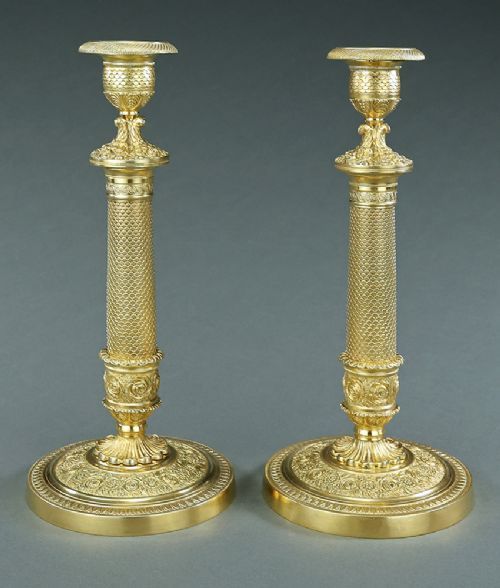
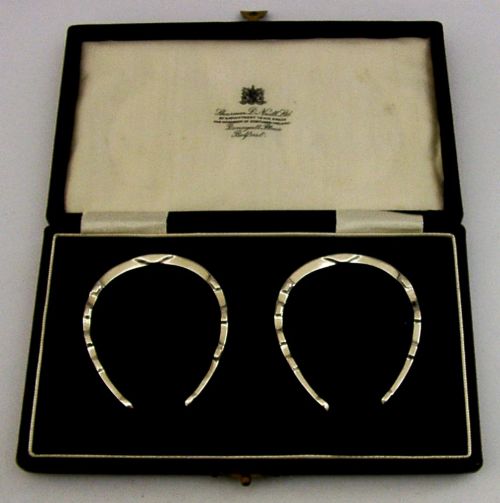
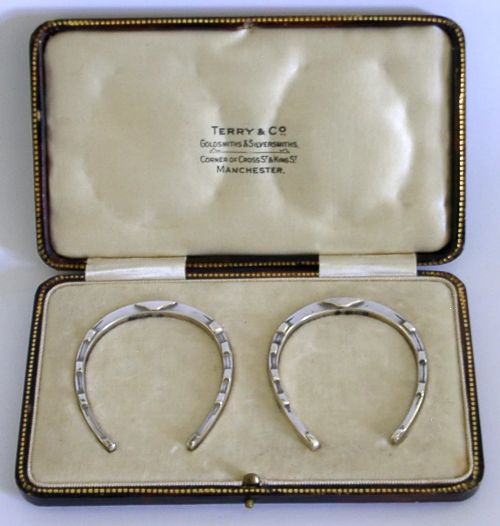
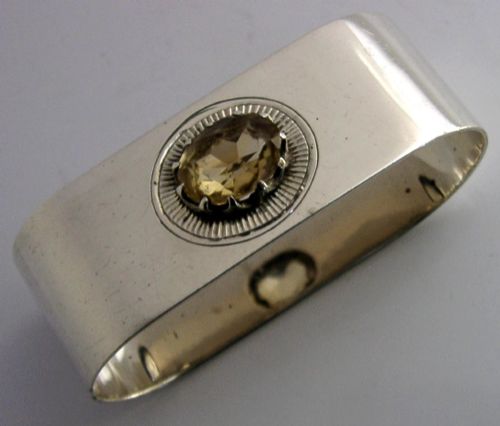
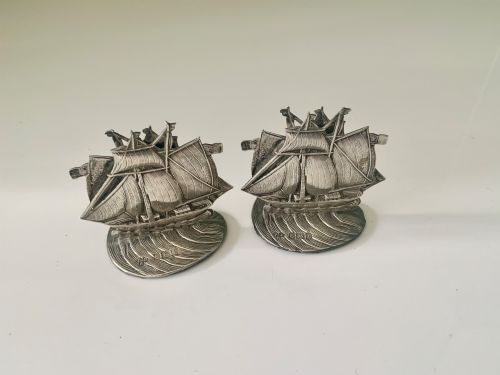
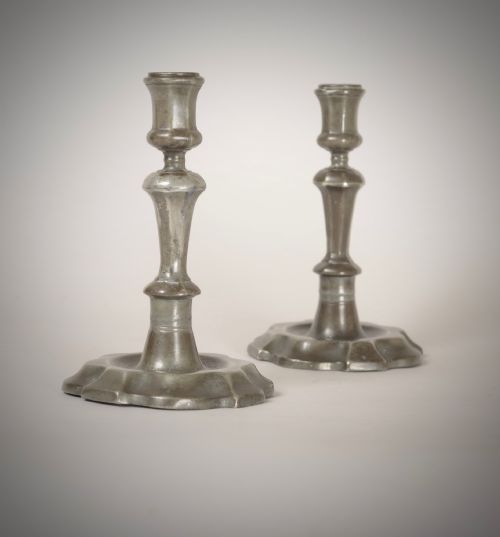
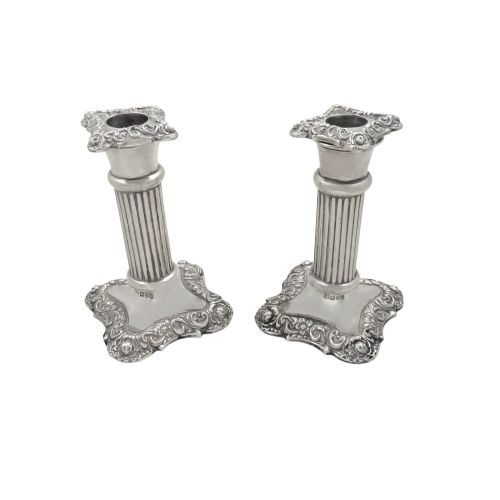
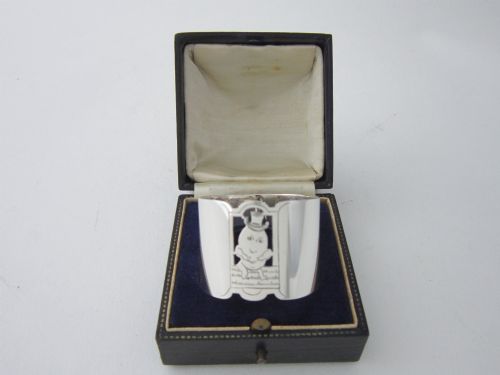
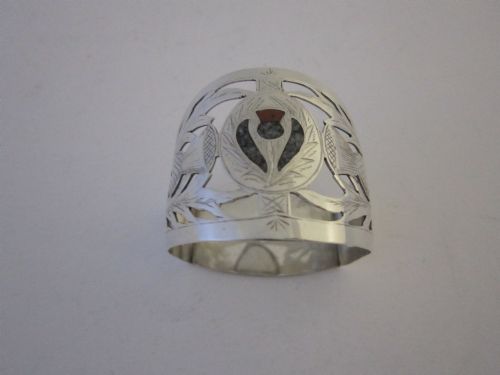
Napkin rings, candlesticks, menu holders, and knife rests form the most common categories visible in the collection. These pieces appear frequently in sterling silver, silver plate, and brass, often stamped with hallmarks or maker marks indicating their precise origins.
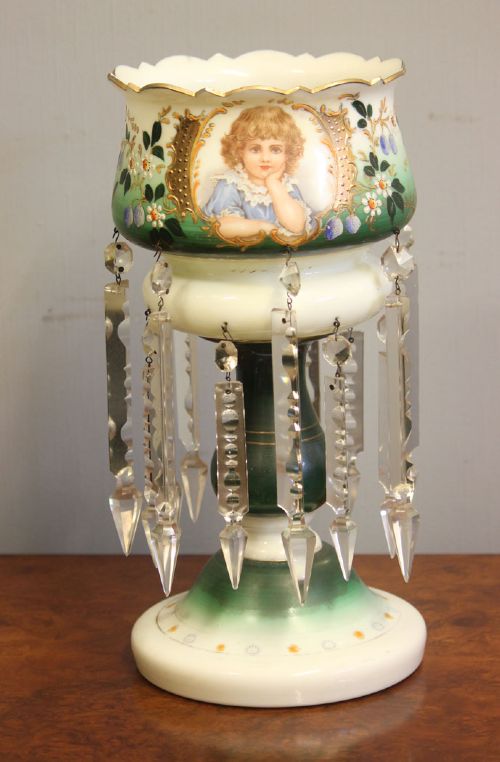
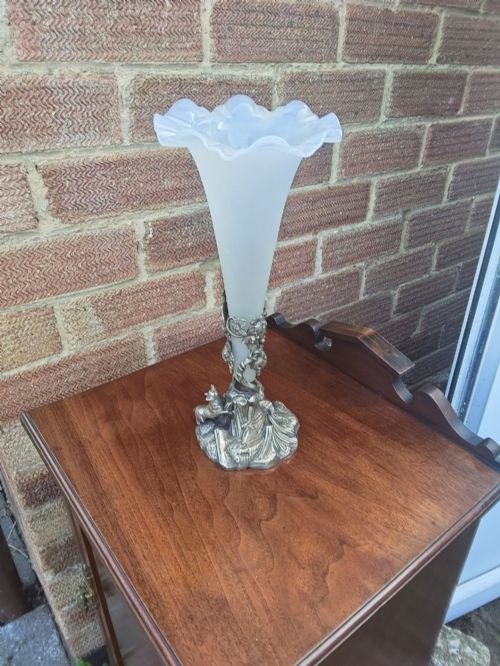
Beyond tableware, the selection includes desk accessories, small lamps, and decorative boxes in materials such as wood, pewter, and glass. Each object serves a specific domestic function while adding visual interest to sideboards, side tables, and dining settings.
Materials and construction methods
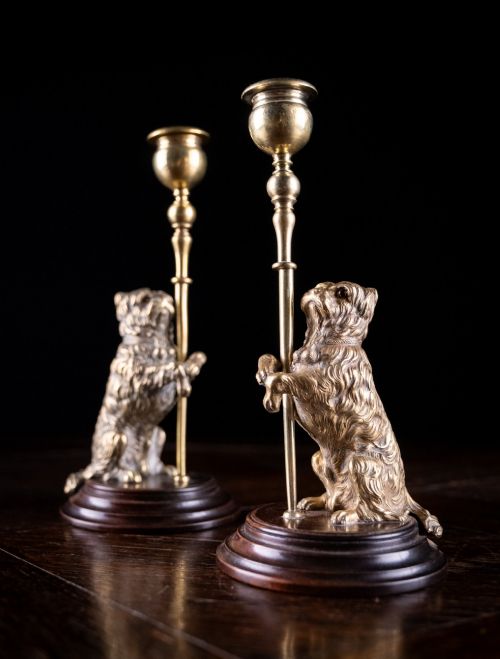
Metals dominate the manufacture of these items, with sterling silver and silver plate shaped through casting, stamping, and hand-chasing. Brass and bronze components frequently utilise seamed construction or detailed figural casting to produce sculptural candlesticks and menu holders.
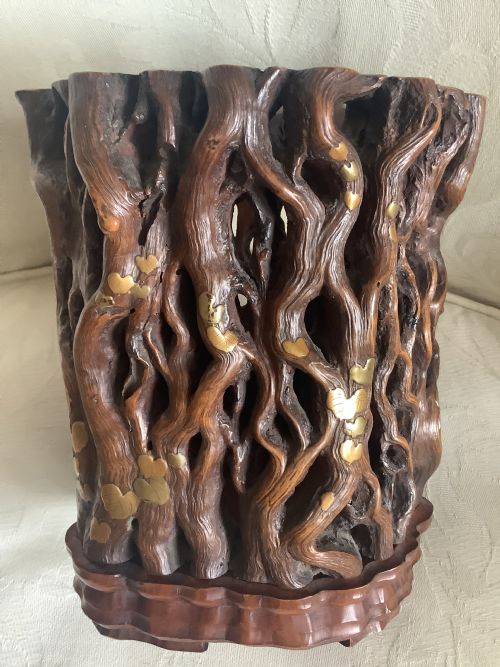
Woodwork relies on hardwoods like mahogany, walnut, and oak, often decorated with marquetry, inlay, or hand-painted lacquer in Chinoiserie and Kashmiri styles. Glass items incorporate cut crystal, white metal mounts, and opaque finishes to achieve decorative contrast.
Distinctions in manufacture and design
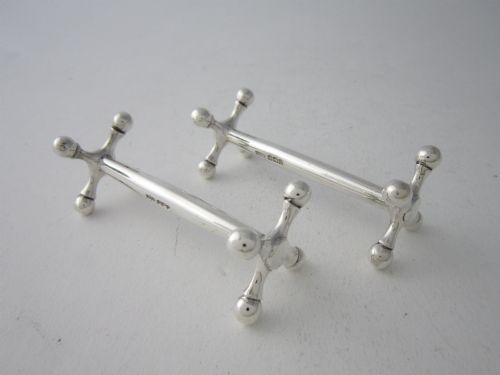
Quality separates standard mass-produced items from superior examples through the crispness of casting and the depth of hand-engraving. Fine silver napkin rings and knife rests exhibit sharp hallmarks, clear maker stamps, and substantial weight rather than thin plating over base metals.
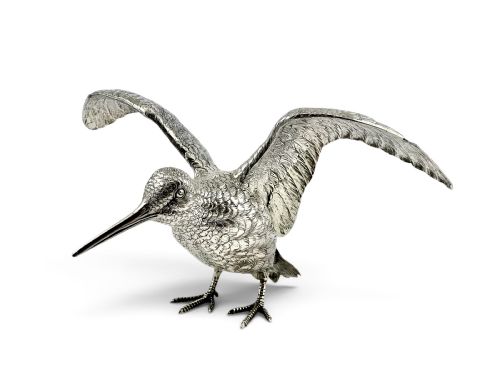
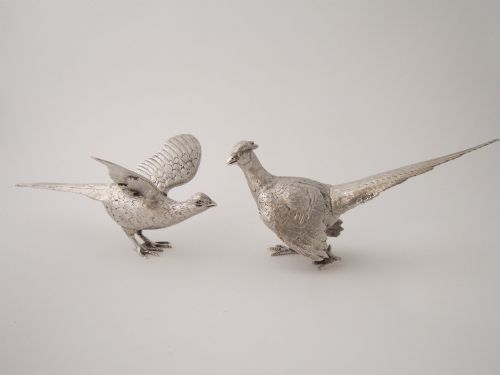
Decorative wooden boxes and lacquer tables demonstrate excellence via tight joinery, precise marquetry banding, and well-preserved painted or inlaid surfaces. In figural pieces, such as animal menu holders and candlesticks, anatomical accuracy and expressive detail distinguish superior artisan output.
The Antique Table Decor Glossary
- Hallmark
- Official marks stamped on precious metals indicating the standard of purity, the assay office, and the year of manufacture.
- Knife rest
- A small horizontal support designed to keep carving or dining knives elevated above the tablecloth between courses.
- Menu holder
- A small upright display stand, frequently figural, used to hold printed meal menus on a dining table.
- Epergne
- A large central table ornament featuring multiple branching dishes or holders for fruit, flowers, or sweets.
- Marquetry
- Decorative patterns formed by veneering thin pieces of wood onto a primary surface to create pictorial or geometric designs.
Antique Table Decor: Frequently Asked Questions
What objects count as antique table decor?
The category includes small functional and ornamental objects placed on dining tables, sideboards, and desks. Common examples are candlesticks, napkin rings, menu holders, and small decorative boxes.
Materials range from sterling silver and brass to papier-mâché, glass, and inlaid woods. These items bridge utility and display.
How do I date silver table accessories?
British silver items carry a set of official hallmarks that reveal the assay office, metal purity, and date letter. These stamps provide a reliable method for determining the year of manufacture.
Stylistic cues, such as Edwardian proportions or Art Deco geometric lines, help confirm the period when hallmarks are absent or worn.
How should I care for antique brass and silver?
Silver pieces require occasional polishing with a soft cloth and a gentle, non-abrasive cleaner to maintain their finish without removing fine engraving. Storing them in dry environments prevents tarnishing.
Brass objects benefit from dust removal with a dry brush and should avoid harsh chemical dips that strip away the natural patination acquired over decades.