

Antique Table Candelabrum
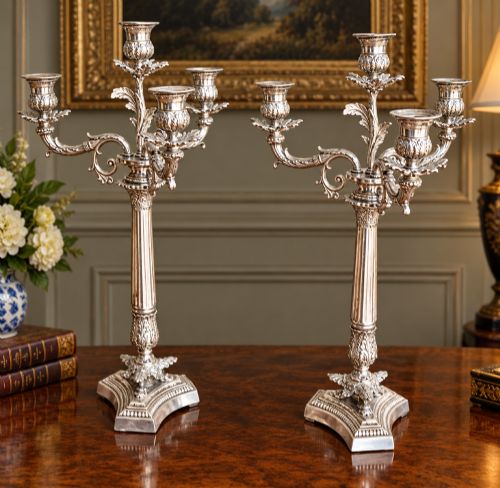
An antique table candelabrum brings structured candlelight and sculptural presence to a room, offering the polished metallurgy and varied branching arms collectors seek.

Antique Table Candelabrum
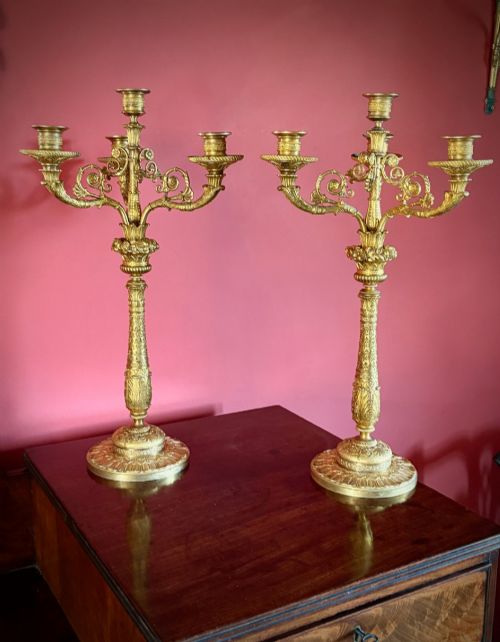
When you search for an antique table candelabrum, you encounter multi-branched lighting fixtures designed to sit centrally on dining tables, sideboards, or mantelpieces. These lighting devices derive primarily from the eighteenth, nineteenth, and early twentieth centuries, spanning periods such as the Georgian, Victorian, and Edwardian eras. French influences also appear frequently, including Régence, Empire, and Rococo Revival styles.
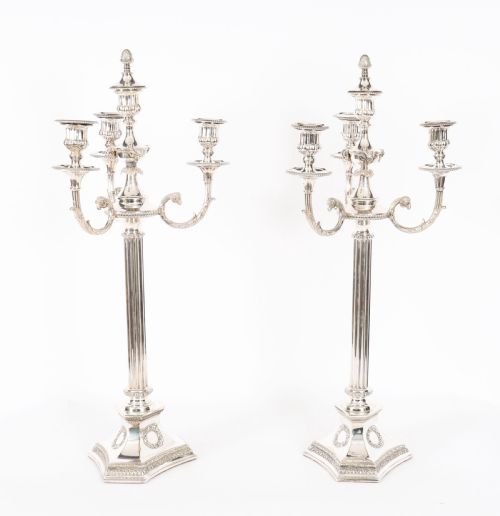
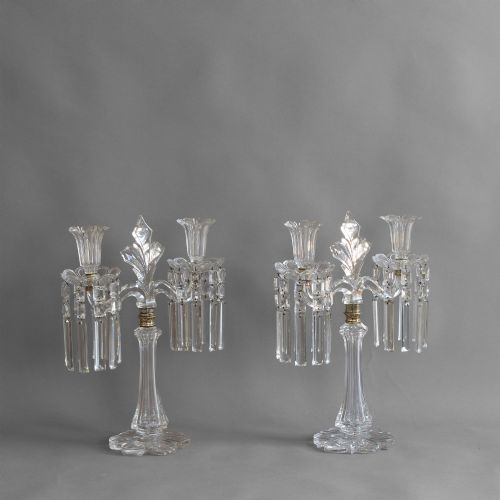
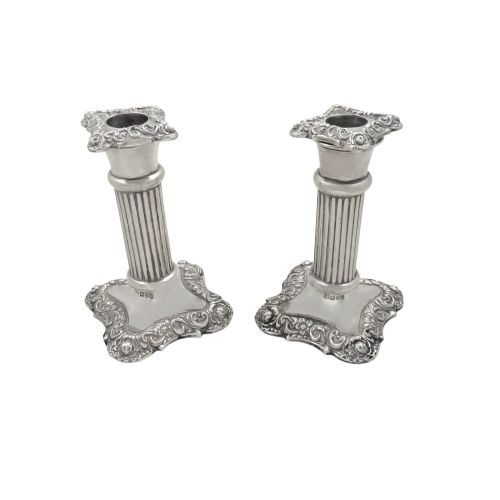
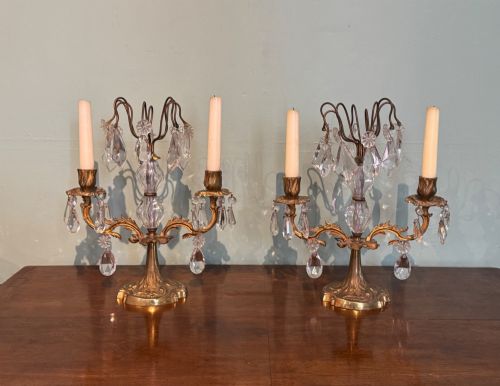
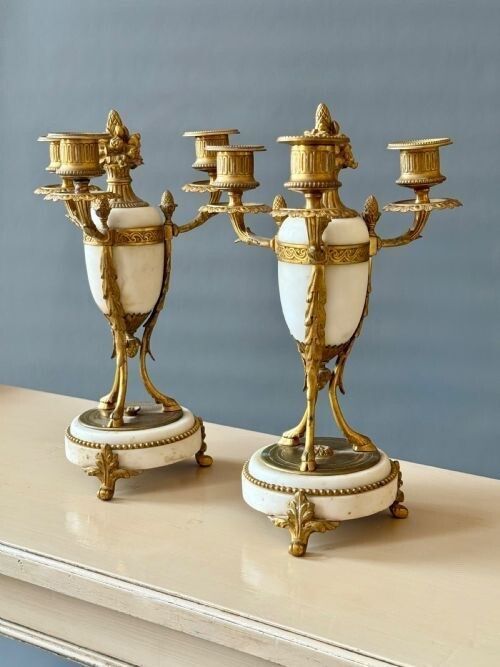
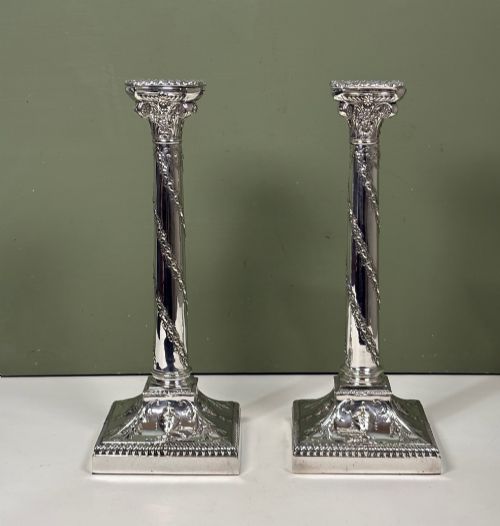
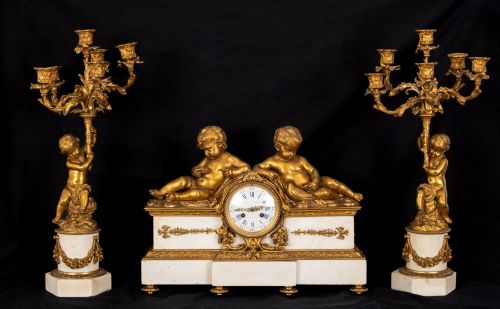
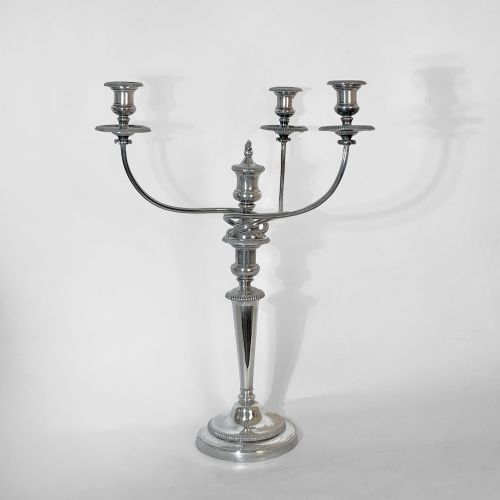
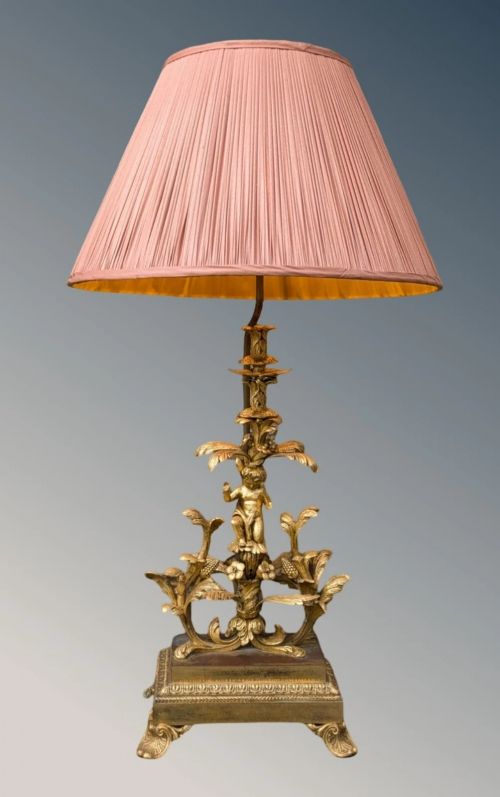
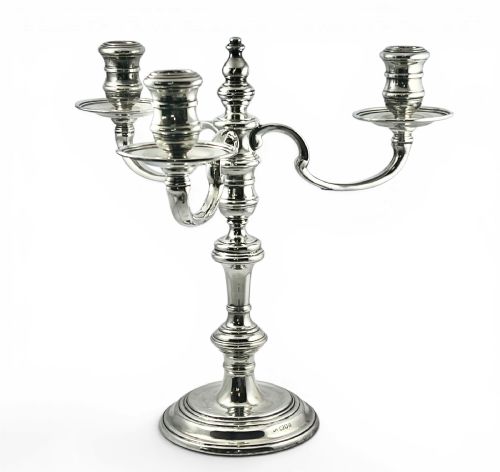
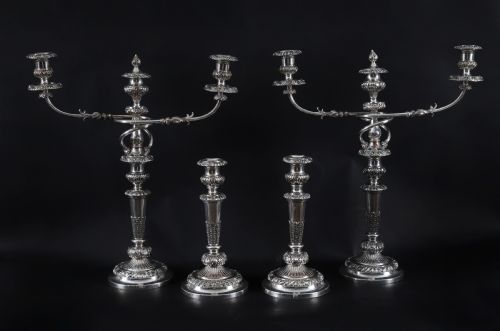
The objects take several forms, most commonly encountered as symmetrical pairs of three-light or four-light branches, alongside convertible candlesticks, clock garnitures, and table mirrors. Materials range from sterling silver and Sheffield plate to silver plate, gilt bronze, ormolu, brass, and occasional combinations with white marble or champlevé enamel. The selection encompasses domestic British craftsmanship and ornate continental workshop output alike.
How they were made
Metals such as bronze, brass, and copper form the structural core of many examples, often finished with fire-gilding to create ormolu or gilt bronze surfaces. Silversmiths utilised sterling silver or applied thin layers of silver onto base metals through Sheffield plating and later electroplating techniques.
Casting and chasing methods allowed artisans to produce complex floral motifs, animal figures, and architectural details on the stems and drip pans. Assemblages frequently incorporate separate component parts screwed or pegged together, permitting branching arms to detach from the main pillar.
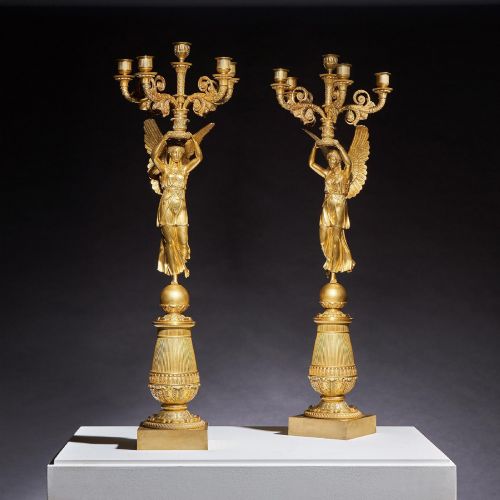
Listings feature eighteenth-century George III work alongside nineteenth-century French Empire, Victorian, and Edwardian productions in silver plate, ormolu, and bronze.
What varies in quality
Original mercury gilt surfaces display a deep, warm lustre that differs from later chemical plating. The structural integrity of the branching arms and matching components determines whether a pair remains uniform in its proportions.
Pierre Philippe Thomire·Hawksworth Eyre·Garrard and Co·Matthew Boulton·Thiebaut Freres·Wm Tonks and Sons·Rabiat
The Antique Table Candelabrum Glossary
- Ormolu
- Gilded bronze produced by applying a mixture of gold and mercury to a bronze base and heating it. This technique creates a durable golden finish characteristic of French decorative objects.
- Sheffield Plate
- An early method of fusing a thin sheet of sterling silver to a thicker copper core. Pieces made this way often reveal faint traces of copper along high-wear edges.
- Clock Garniture
- A matching set consisting of a mantel clock flanked by two decorative objects, such as candelabra or urns. These ensembles provide a unified decorative scheme for interior placement.
- Champlevé
- An enamel technique where troughs are gouged into a metal surface, filled with vitreous enamel powder, and fired. The resulting coloured patterns sit flush with the surrounding metal partitions.
Antique Table Candelabrum: Frequently Asked Questions
How do I clean tarnished silver plated candelabra safely?
Use a soft microfiber cloth and a mild, non-abrasive silver polish formulated specifically for plated items. Avoid aggressive scrubbing that might wear through the thin silver layer down to the base metal.
Take particular care around soldered joints and engraved details where polish residue can accumulate. Regular gentle dusting prevents heavy tarnish buildup and reduces the need for frequent chemical cleaning.
Can converted candelabra be restored back to holding candles?
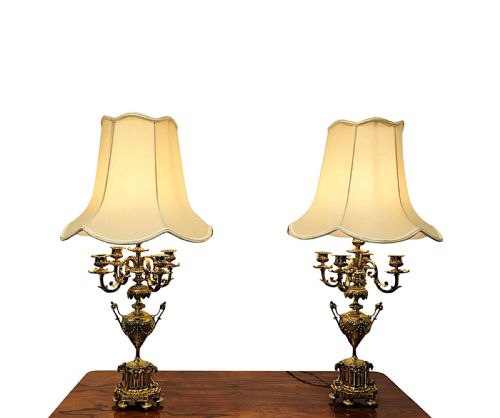
Many converted pieces retain their original sockets hidden beneath modern wiring components, making reversion straightforward for a qualified restorer. The feasibility depends entirely on whether original parts were permanently altered or removed during electrification.
Consulting a professional metalworker helps determine if the internal channels can safely accommodate traditional candle cups again without damaging the surrounding antique frame.
How do I distinguish George III from Victorian examples?
George III pieces frequently exhibit neoclassical restraint, featuring Sheffield plate construction, urn-shaped finials, and linear fluting. Victorian items often display heavier proportions with ornate rococo revival ornamentation and dense floral chasing.
Maker's marks, hallmarks, and manufacturing techniques such as early electroplating versus fused plating help confirm the chronological period of production.