
Antique Swiss Wrist Watch
An antique swiss wrist watch brings together mid-century precision engineering and enduring style on the wrist.
Antique Swiss Wrist Watch
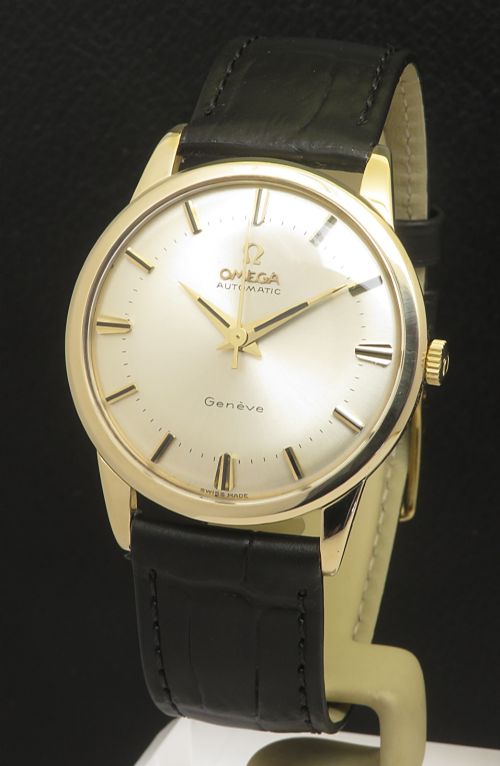
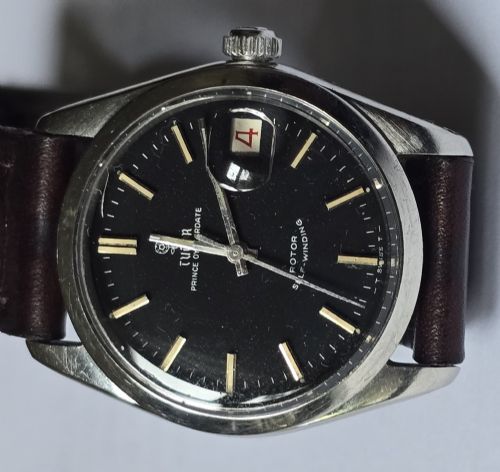
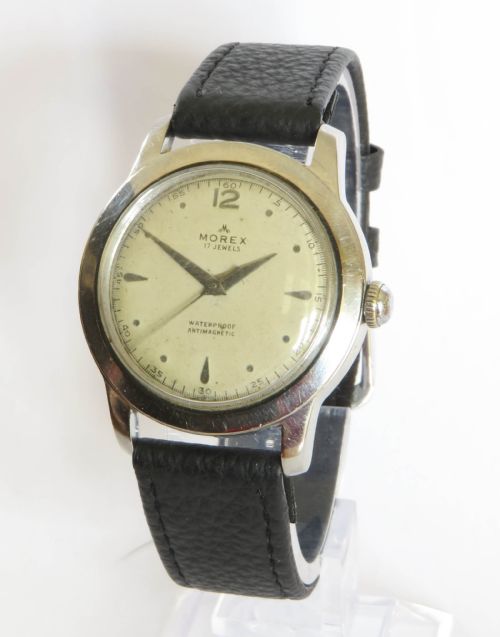
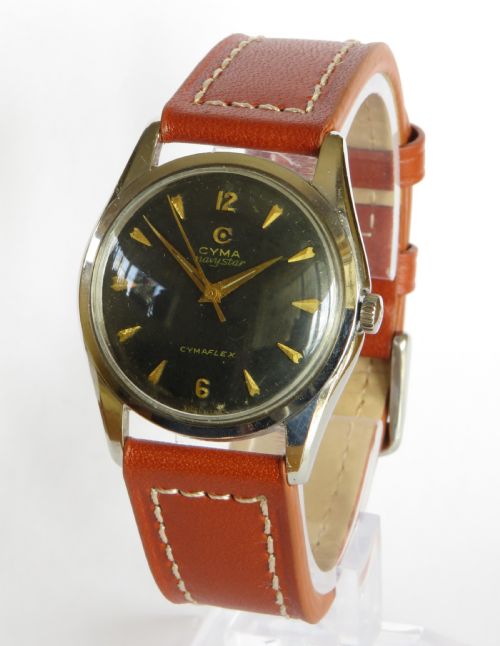
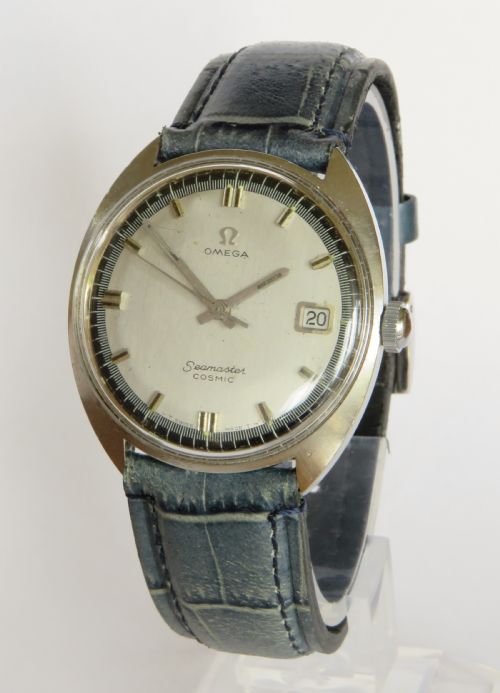
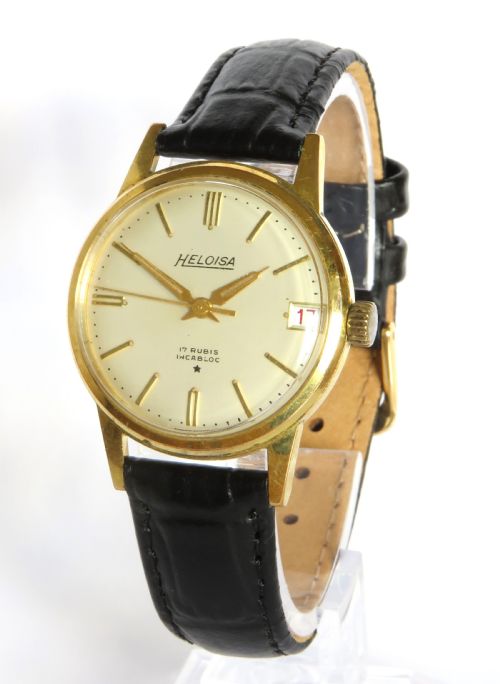
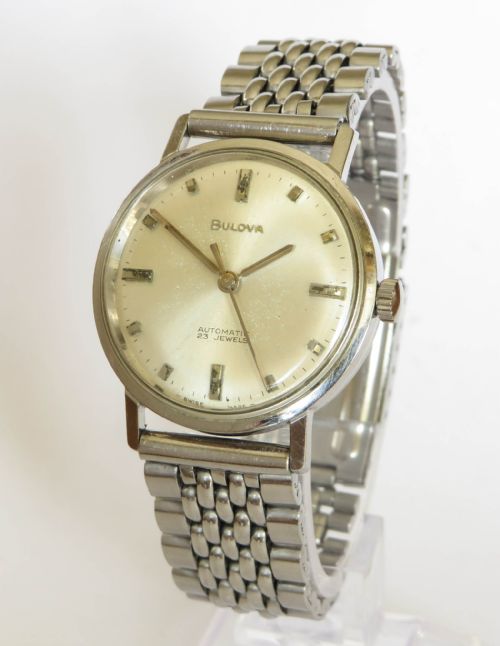
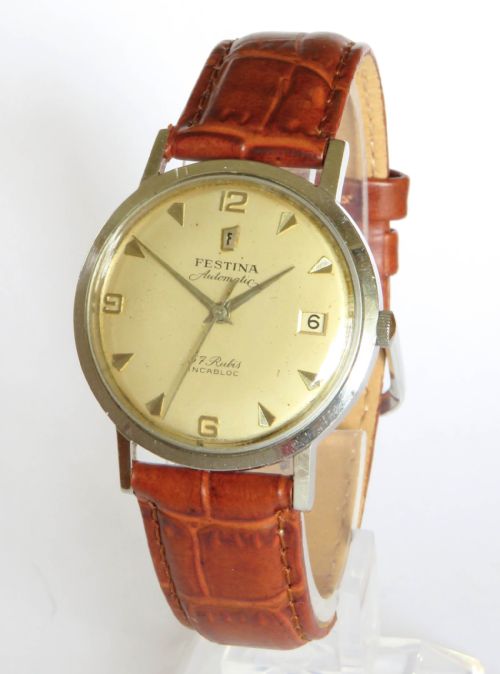
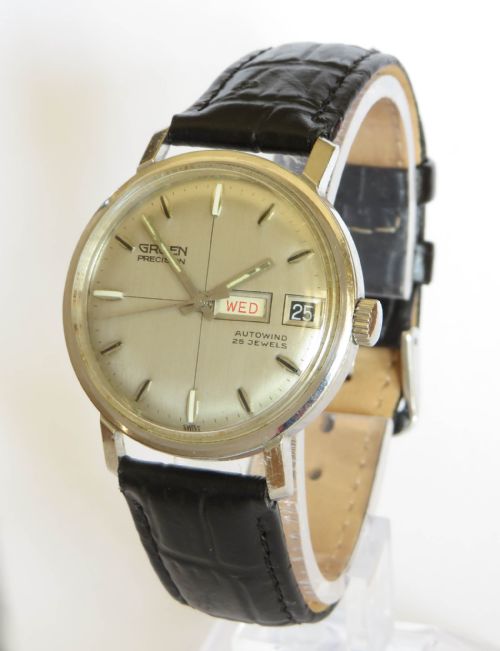
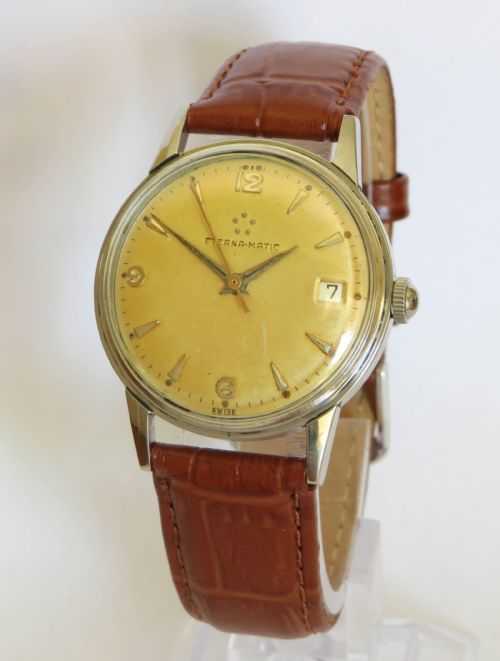
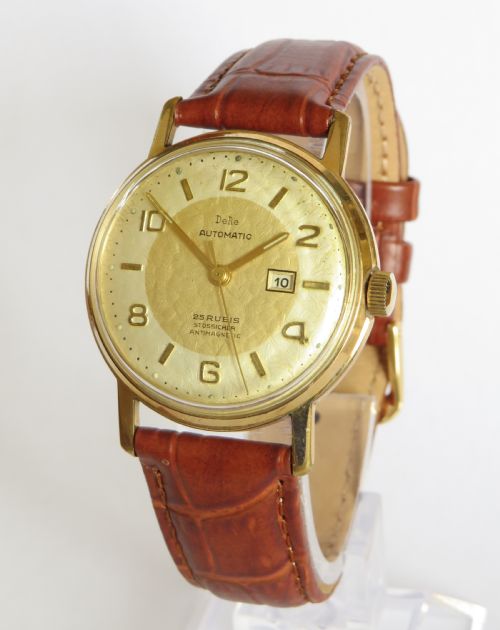
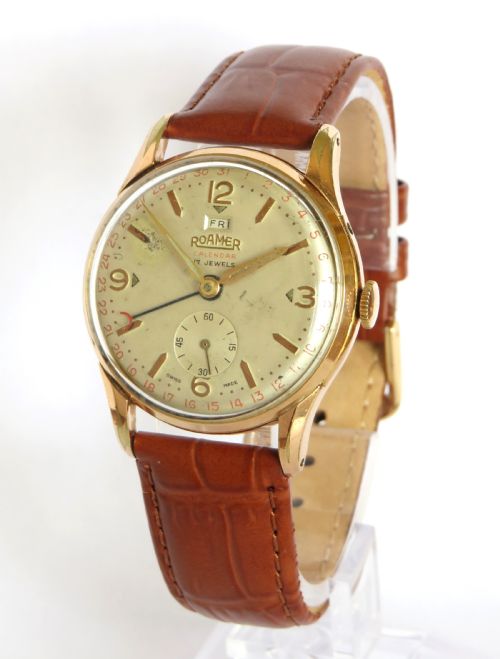
When you search for an antique swiss wrist watch, you encounter timepieces spanning from the early decades of the twentieth century through the mid-century modern era. These items include robust gents chronological designs, military issues, and ornate platinum cocktail pieces set with diamonds. The most common varieties appearing on this page date from the nineteen-fifties and nineteen-sixties, reflecting a peak period of horological production.
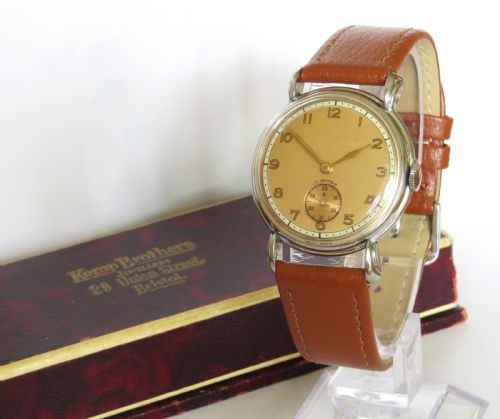
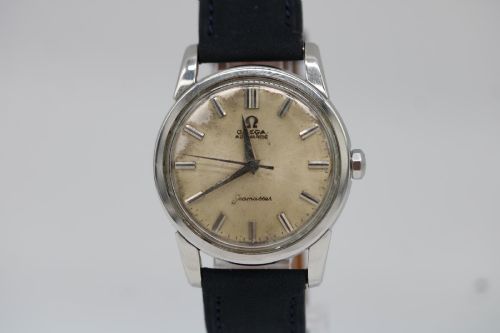
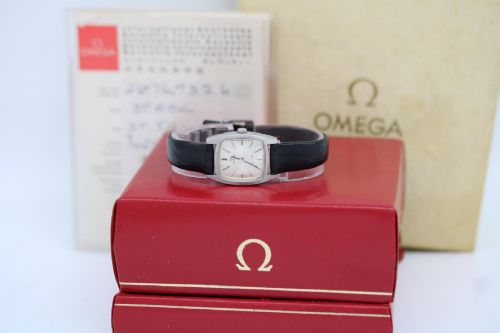
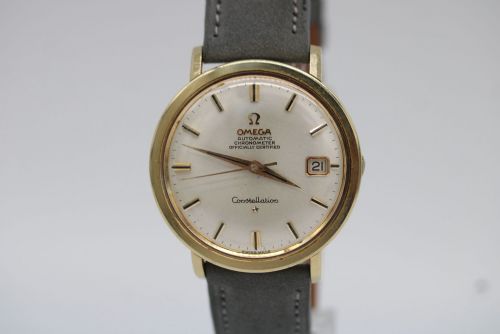
The selection ranges from simple manual wind models housed in stainless steel or gold plate to complex automatic movements by makers such as Omega, Longines, and Bulova. Styles incorporate distinct geometric Art Deco shapes alongside cleaner, minimalist mid-century faces. Many examples retain original elements like patinated dials, leather straps, and branded boxes from their initial period of sale.
Materials and construction
Cases utilise a range of metals spanning stainless steel, chrome, gold plate, solid nine carat and eighteen carat gold, and platinum. Crystals protecting the dial are formed from glass or acrylic, while straps predominantly consist of leather.
Movements rely on intricate mechanical engineering, utilising manual wind, auto-wind, and jewelled lever escapements. Specialised pieces feature chronometer certifications, chronograph complications, and specialised dust-proof hermetic seals.
One tiny military watch carried a German Luftwaffe designation while ticking quietly away inside a Swiss case.
Distinguishing quality
Quality differentiates through the refinement of the internal movement and the grade of materials utilised in the case and dial. Solid gold and platinum housings, alongside jewelled lever mechanisms from established Swiss houses, represent superior manufacturing standards compared to plated or basic pin-lever variants.
The preservation of original components significantly elevates a piece. Dials retaining their factory finish, authentic signed crowns, and matching period packaging distinguish the finest examples from those altered by replacement parts over time.
Montilier·Cyma·Bulova·Festina·Gruen·Omega·Longines·Venus·Rotary·Enicar·Rolex Tudor·Roamer·Marvin·Eterna·Girard Perregaux·Sperina·Zenith·Tissot·West End Watch Co·Garrard
The Antique Swiss Wrist Watch Glossary
- Calibre
- The specific manufacturer's designation for a particular watch movement design. It indicates the internal architecture and dimensions of the mechanism.
- Chronograph
- A watch equipped with a complication that measures elapsed time via an independent sweep second hand. This function is controlled through pushers on the side of the case.
- Automatic
- A self-winding mechanical movement that uses a weighted rotor driven by the natural motion of the wearer's arm. It removes the need for daily manual winding.
- Hermetic
- A specific case construction designed to keep out dust and moisture through threaded inner cases and sealing mechanisms. This early form of protection preceded modern water resistance.
- Dial
- The visible face of the watch displaying hours, minutes, and often subsidiary seconds or complications. Patination on this surface often develops naturally through age.
Antique Swiss Wrist Watch: Frequently Asked Questions
How do I wind a manual antique watch?
Turn the crown gently in a clockwise direction between your thumb and forefinger until you feel gentle resistance. Stop immediately at that point to avoid over-winding and damaging the internal mainspring.
Most vintage mechanical watches require winding once every twenty-four hours to maintain accurate timekeeping throughout the day.
Can I wear my watch every day?
While these pieces were built for daily utility, early mechanisms lack modern shock absorption and water resistance. Regular wear is entirely suitable provided you protect the watch from heavy impacts and moisture.
It is wise to remove the piece during vigorous physical activity or manual work to preserve the delicate internal components and vintage leather straps.
What does a patinated dial mean?
Patination refers to the natural ageing, discolouration, or subtle spotting that appears on the watch face over many decades. Exposure to light and air causes these charming alterations in the original paint or metal.
Collectors generally prize an untouched, patinated dial because it confirms the authenticity and historical integrity of the watch face.
How do I tell the decade of a watch?
Stylistic cues such as case geometry, numeral typography, and hand shapes often point toward specific eras like the geometric lines of the nineteen-thirties or the clean minimalism of the nineteen-fifties. Movement serial numbers provide the most precise dating method when checked against maker records.
Inspecting the interior case back can also reveal hallmarks, import marks, or case maker stamps that narrow down the exact period of production.