
Antique Style Tea Table
An antique style tea table brings formal hospitality into a modern room, offering a surface designed for service and display.
Antique Style Tea Table
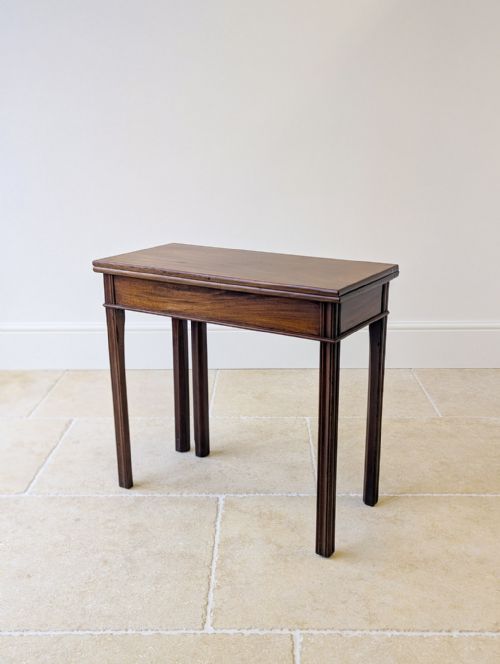
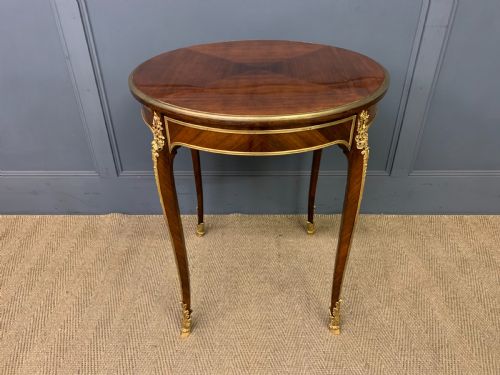
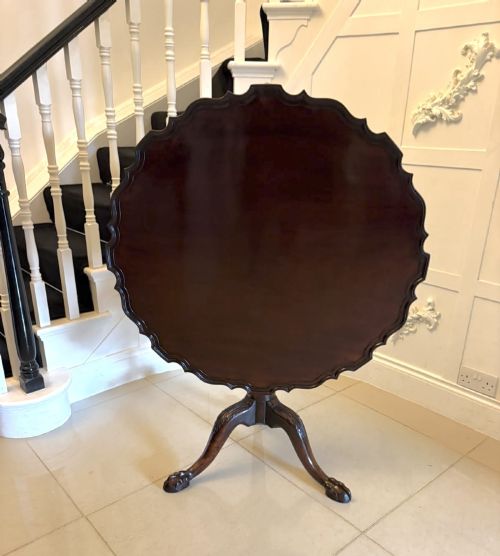
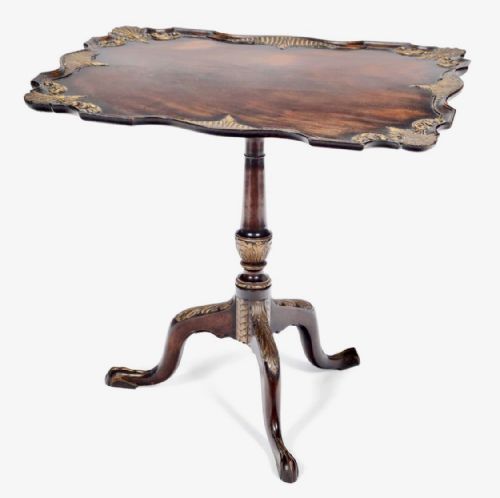
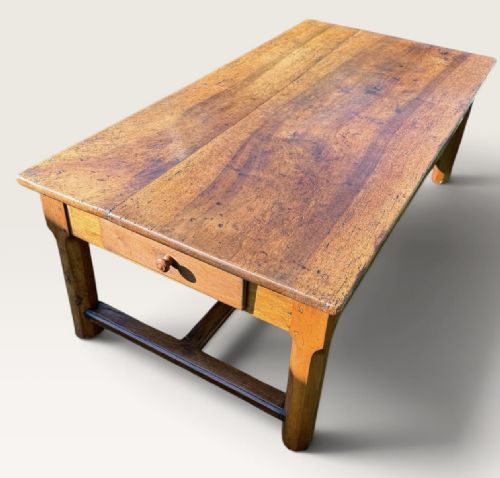
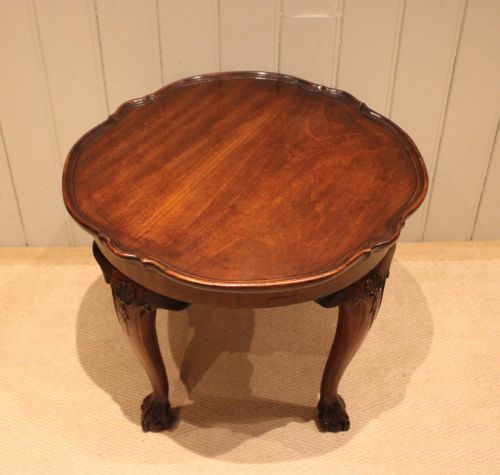
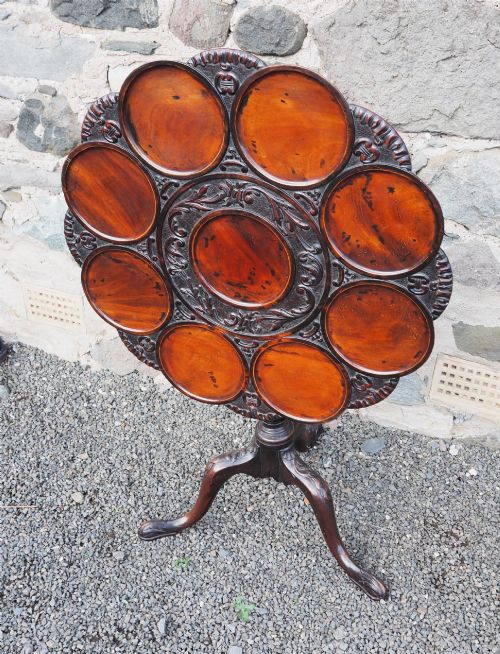
When you search for an antique style tea table, you encounter a variety of forms spanning centuries of domestic furniture design. These pieces include tilt-top tripod tables, fold-over card tables, and occasional tables that adapt the proportions of earlier eras for later homes.
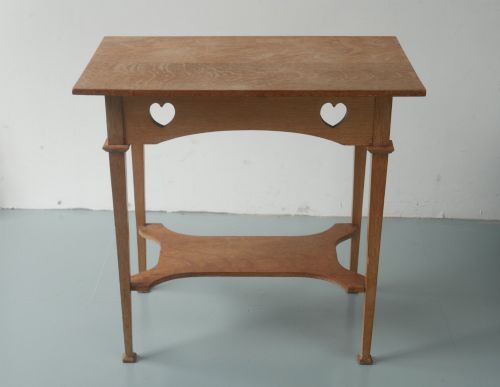
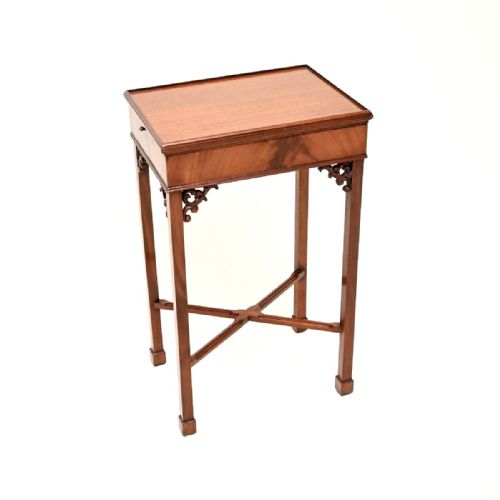
The selections on this page draw from periods such as the Georgian, Victorian, and Edwardian eras, alongside revivals like the Chippendale and Louis XV styles. Mahogany, walnut, and rosewood appear frequently alongside satinwood and oak, reflecting the materials chosen by makers across generations.
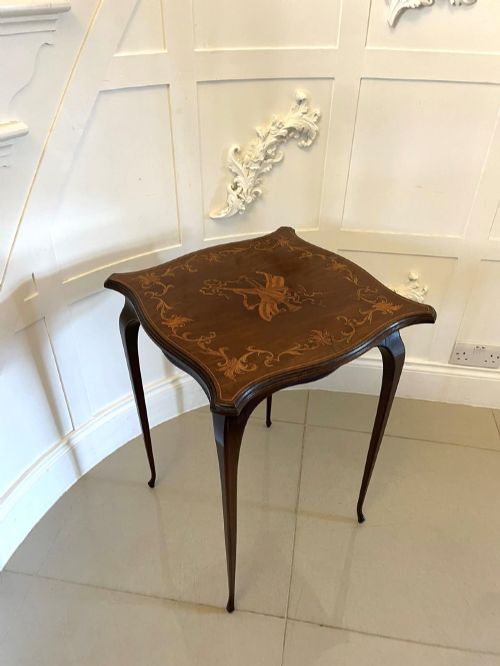
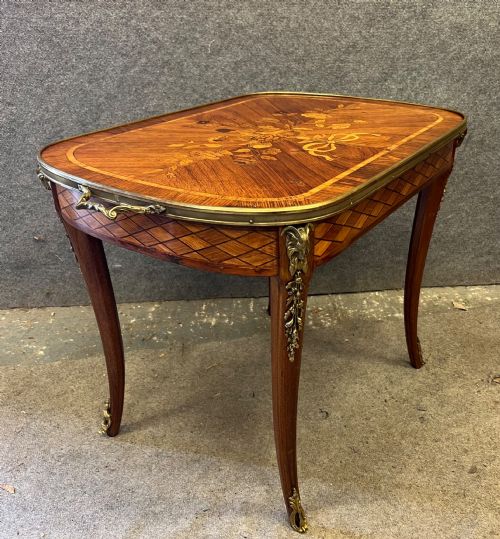
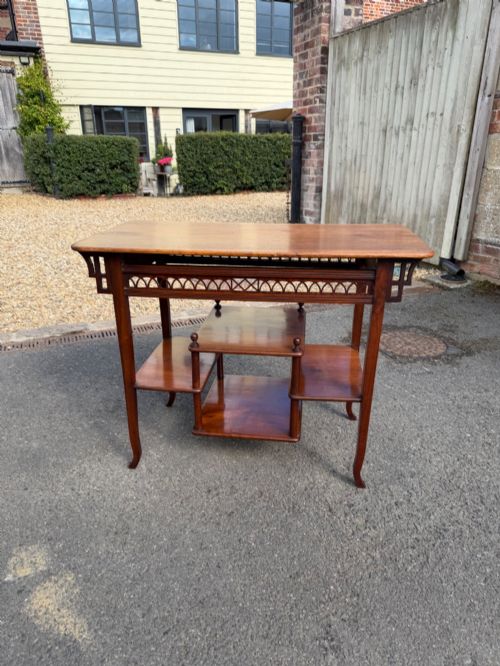
You will find formats ranging from simple low coffee tables to elaborate marquetry étagères and tray-top tables. Each variation serves the fundamental purpose of providing an adaptable surface while displaying distinct regional and stylistic traits.
How these tables were constructed
Cabinet makers utilised dense hardwoods such as mahogany, walnut, and rosewood, often applying fine veneers of satinwood or kingwood to create decorative surfaces. Marquetry and parquetry patterns add geometric or floral interest to tabletops through precise wood inlay.
Structural elements rely on traditional joinery, supported by brass hinges, ormolu mounts, and tilting birdcage mechanisms on tripod bases. Carved details, parcel gilding, and turned legs complete the construction of these tables.
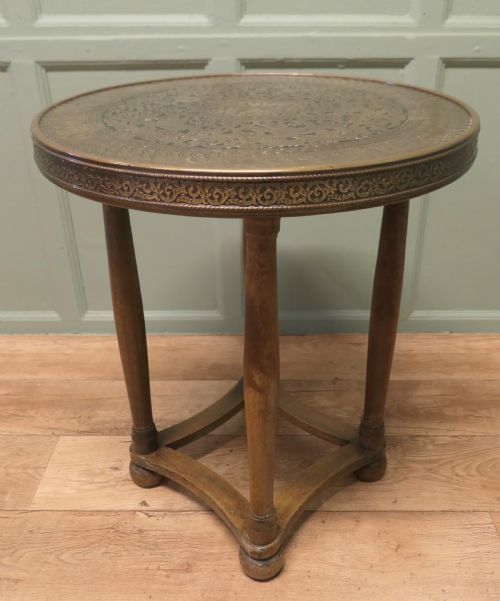
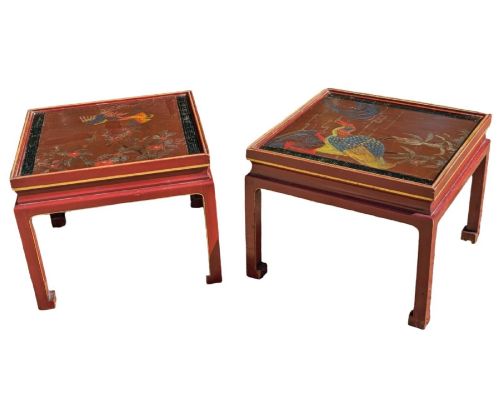
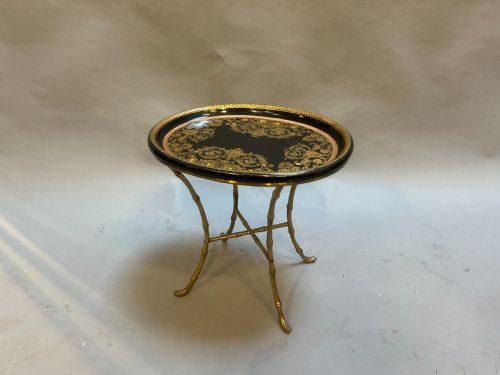
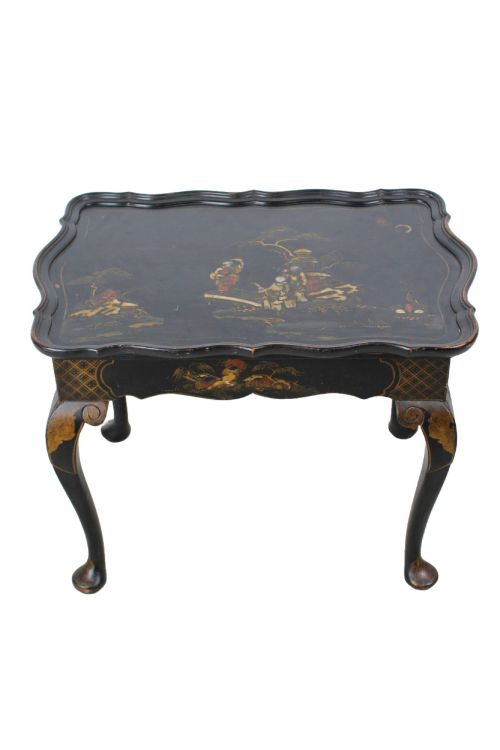
Surfaces receive careful polishing to highlight the natural grain of the timber, while painted decorations and tole trays introduce colour and contrasting textures to specific Edwardian and French style pieces.
One unexpected table top depicts the grand classical narrative of the family of Darius before Alexander rendered in tole.
What distinguishes quality in these tables
The standard of a piece rests on the precision of its timber selection, particularly the choice of figured veneers and solid primary woods. Master makers matched grain patterns symmetrically across fold-over leaves and table tops, creating visual harmony.
Construction methods dictate longevity, seen in the tightness of joints, the smooth action of concertina frames or tilt-top catches, and the crispness of hand-carved mahogany mouldings. Secondary woods chosen for drawer linings and internal frames also signal the tier of the workshop.
Decorative embellishments separate standard production from exceptional work. Finely cast ormolu mounts, intricate marquetry, and delicate stringing demonstrate a higher level of artisan skill than painted substitutes or plain mouldings.
George Bullock·Giles Grendey·Gillows
The Antique Style Tea Table Glossary
- Tilt-top table
- A table with a hinged top that rotates to a vertical position when not in use, allowing it to stand flat against a wall.
- Birdcage mechanism
- A revolving wooden framework beneath a tilt-top table that permits the surface to rotate as well as tip.
- Marquetry
- Decorative veneer work forming pictures or patterns by assembling small pieces of different coloured wood, shell, or ivory.
- Concertina action
- An expanding frame mechanism used on card tables that extends outward symmetrically as the top unfolds to support the opened leaf.
- Tole tray
- A painted or lacquered sheet metal tray, often set upon a matching wooden stand to function as an occasional table.
- Quartetto nest
- A set of four graduating tables designed to slide neatly beneath one another when not in use.
Antique Style Tea Table: Frequently Asked Questions
What is an antique style tea table used for?
These tables provide a decorative surface for holding small items, serving refreshments, or displaying decorative objects in a living space.
Historically, they supported afternoon tea service or provided a stable surface for card games and social gatherings.
What is the difference between Georgian and Edwardian tables?
Georgian tables date from the eighteenth century or later revivals, typically showcasing solid mahogany, piecrust edges, and substantial tripod or card table designs.
Edwardian pieces often incorporate lighter woods like satinwood, painted floral decorations, and inlaid borders reflecting a brighter domestic aesthetic.
How should I care for a mahogany or walnut table?
Protect the wood finish by placing coasters beneath cups and avoiding direct placement near heat sources or strong sunlight.
Apply a microcrystalline wax periodically to nourish the timber and maintain the natural sheen of the polished surface.