



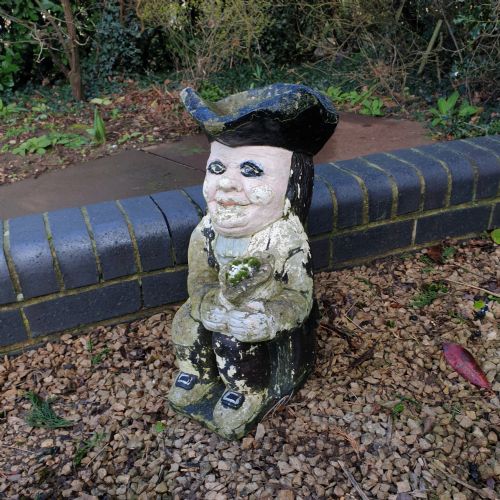


Antique Style Stone Statues
Antique style stone statues bring classical sculpture and period character into gardens and interiors through carved figures, pedestals, and architectural ornaments.
Antique Style Stone Statues
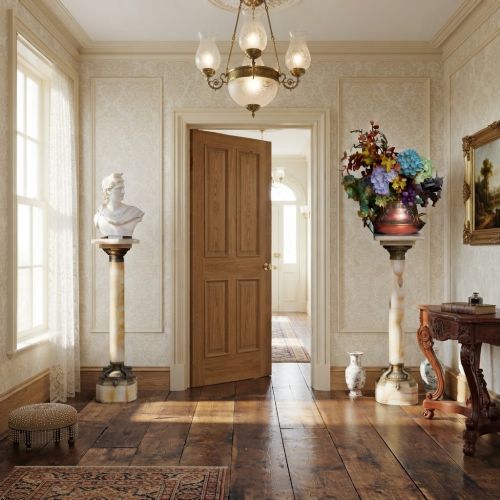
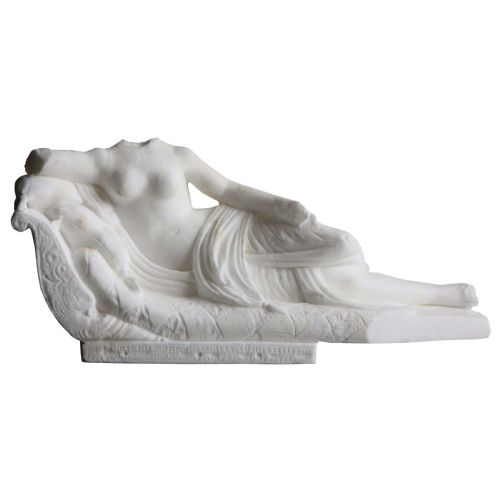
When you search for antique style stone statues, you encounter a range of heavy sculptural works designed for both interior display and garden placement. The selections span major historical periods, extending from early carved figures up to mid-twentieth-century garden ornaments.
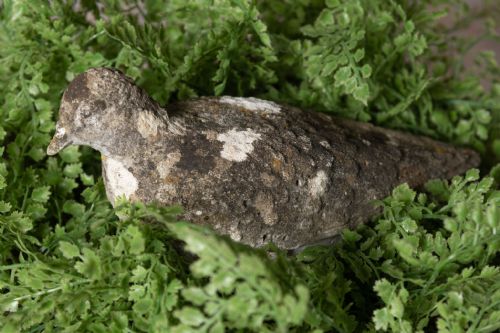
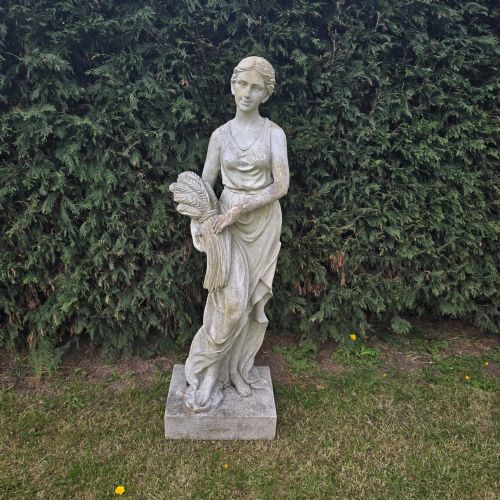
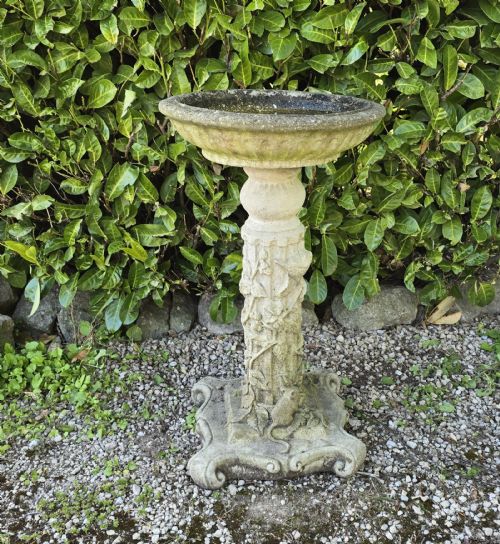
The forms vary considerably across the selection, encompassing life-sized classical maidens, architectural columns, pedestals, bird baths, and animal guardians such as lions and Foo dogs. Many pieces draw heavily on neoclassical aesthetics, classical revival themes, and traditional English country house styles.
Carved marble and alabaster dominate the indoor sculptural works, whereas reconstituted and cast stone appear frequently in garden statuary and outdoor ornaments. Buyers often find that weathered surfaces define the character of these outdoor pieces, showing the natural patination of age.
Materials and construction
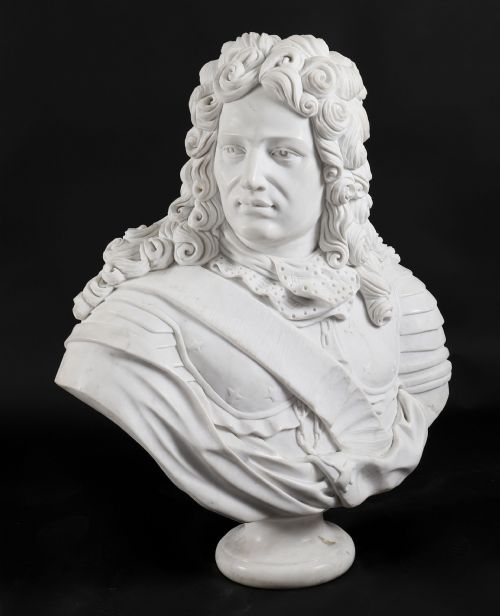
The items are produced using traditional carving and casting methods applied to natural stones and artificial compounds. Artisans worked blocks of Carrara marble, white marble, alabaster, and harder stones using chisels and fine abrasives to achieve detailed drapery and facial expressions.
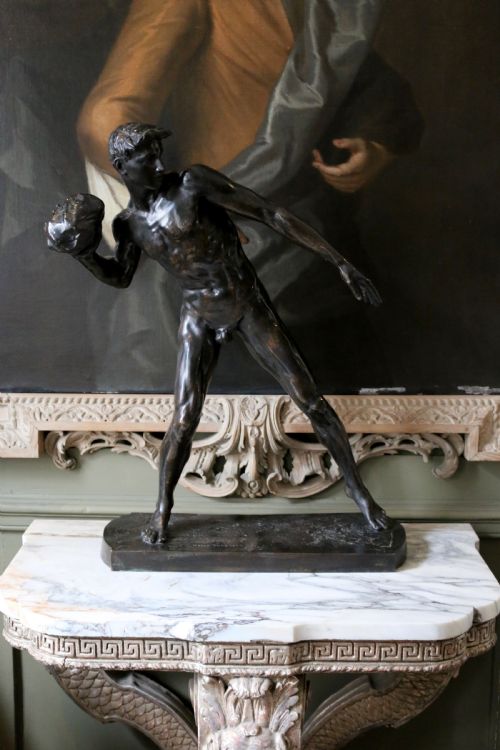
Outdoor pieces rely heavily on cast stone and reconstituted stone, where crushed stone aggregates are bound with cement or lime and poured into moulds. Ormolu collars, bronze elements, and green patinated finishes complement the stone work on specific decorative columns and smaller bronzes.
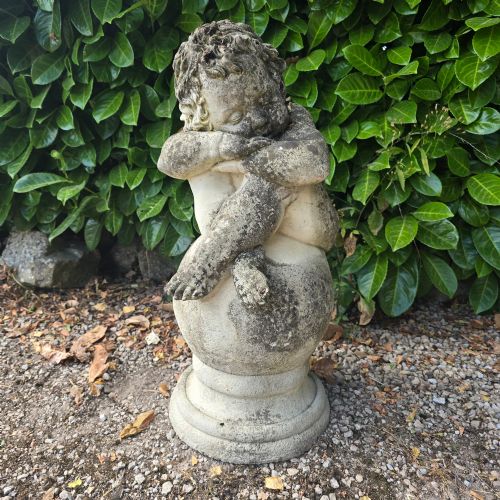
A sleeping cherub rests quietly among the stern stone lions and watchful bishops.
Judging quality
Quality in these pieces rests upon the precision of the carving, the anatomical correctness of the figures, and the quality of the raw material. Finer sculptures display crisp detailing in hair, drapery, and hands, whereas lesser examples show softer edges and simplified moulding.
The integrity of the material also dictates value, with flawless Carrara marble sitting at the upper end compared to standard cast stone. Furthermore, the skill shown in capturing classical proportions separates master-carved works from standard decorative reproductions.
Hamo Thornycroft·Antonio Canova·Mieczyslaw Leon Zawiejski·Antonio Rossellino
The Antique Style Stone Statues Glossary
- Reconstituted stone
- A manufactured material made from crushed stone mixed with a binder to create durable garden ornaments and statues. It allows makers to cast complex architectural details efficiently.
- Carrara marble
- A high-grade white or blue-grey marble quarried in the city of Carrara in northern Italy. Sculptors have prized it since classical times for its fine grain and luminous finish.
- Neoclassical
- A Western cultural movement drawing inspiration from the art and culture of classical antiquity. This style heavily influences many of the nineteenth-century figures and busts seen here.
- Ormolu
- Gilded bronze ornamentation applied to furniture, clocks, and stone columns. The technique involves coating metal in a mercury and gold amalgam.
- Foo Dog
- A traditional Chinese architectural guardian ornament resembling a stylized lion. These temple guard dogs frequently appear as pairs flanking entrances.
Antique Style Stone Statues: Frequently Asked Questions
Are stone statues suitable for outdoor gardens?
Many of these pieces, particularly those made from reconstituted or cast stone, are specifically designed to withstand outdoor conditions. Over time, exposure to the weather develops a natural patina that enhances their appearance.
However, delicate materials like alabaster and fine white marble are better suited to indoor environments or protected garden conservatories to prevent frost damage and surface erosion.
How do I identify a neoclassical statue?
Neoclassical statues often depict figures from classical mythology or ancient history, dressed in flowing robes and adopting formal, balanced poses. The subjects frequently include maidens, philosophers, and deities rendered with idealized proportions.
This aesthetic revival draws directly on the art of ancient Greece and Rome, distinguishing these pieces from later, more expressive Victorian or twentieth-century works.
What is the difference between marble and alabaster?
Marble is a hard metamorphic rock formed from limestone, capable of taking a high polish and resisting weathering outdoors. Its dense crystalline structure makes it ideal for detailed interior busts and grand sculptures.
Alabaster is a softer, finer-grained stone that allows for a translucent quality when carved thinly. Because it dissolves in water and scratches easily, alabaster is strictly reserved for indoor display.
How do I support a heavy stone pedestal?
Heavy stone pedestals and garden figures require a stable, level foundation to prevent shifting or tipping over time. Placing them on a reinforced patio slab or compacted gravel base ensures even weight distribution.
For large indoor marble columns and sculptures, checking floor load capacity and anchoring tall elements prevents accidental toppling in high-traffic areas.