

Antique Style Pot Cupboards
Antique style pot cupboards are compact bedside companions that hide chamber pots and personal belongings with period elegance.
Antique Style Pot Cupboards
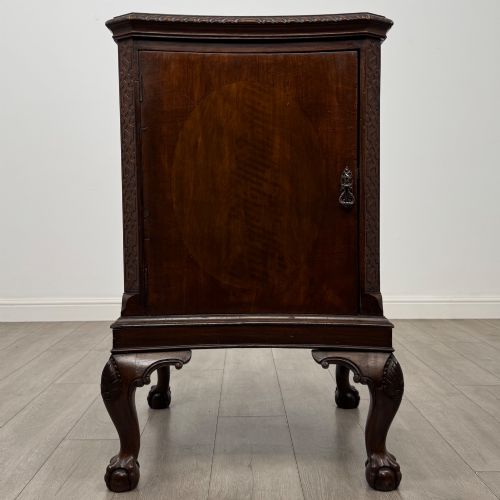
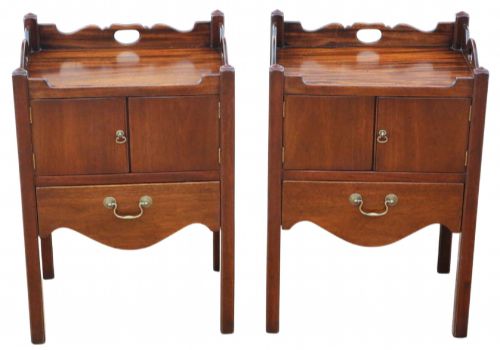
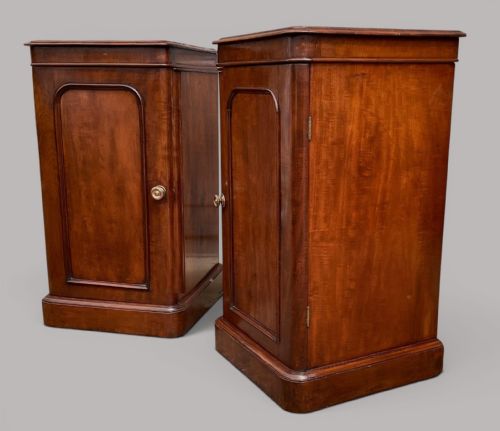
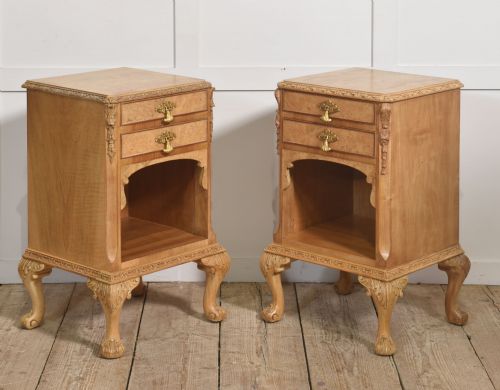
Antique style pot cupboards serve as practical bedside storage units designed to hold chamber pots and personal items discreetly behind closed doors. When searching for antique style pot cupboards, buyers encounter pieces originating from the nineteenth and twentieth centuries, including Edwardian and Victorian iterations.
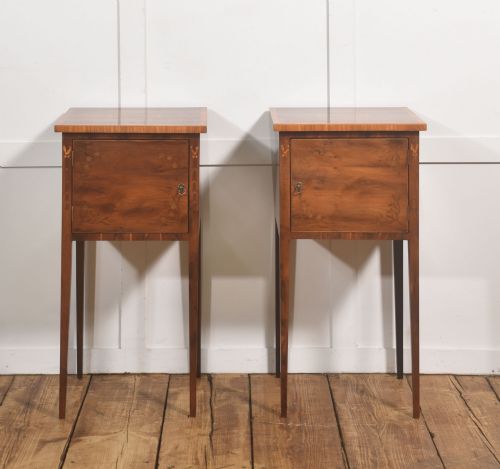
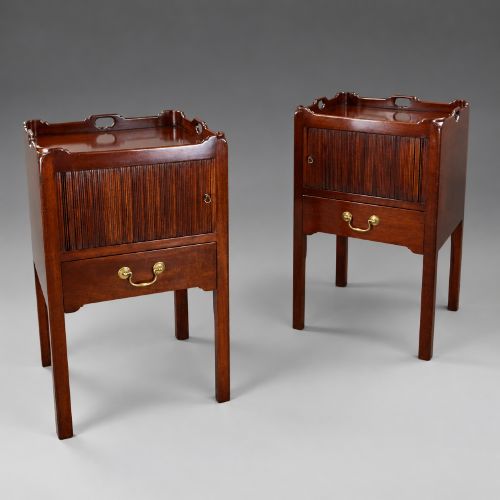
The selection frequently includes matched pairs alongside single pedestal cabinets and bedside tables. Makers and craftsmen drew inspiration from earlier eras, producing revivals in Georgian, Sheraton, and Queen Anne styles.
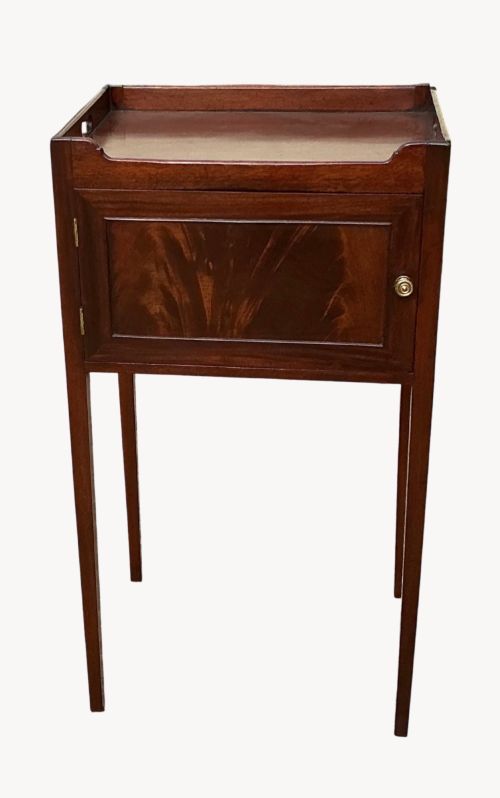
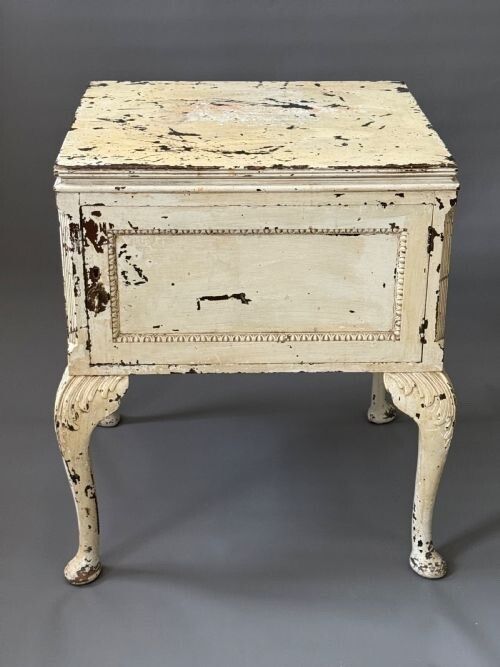
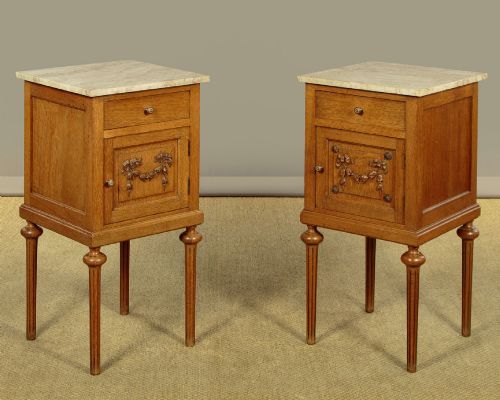
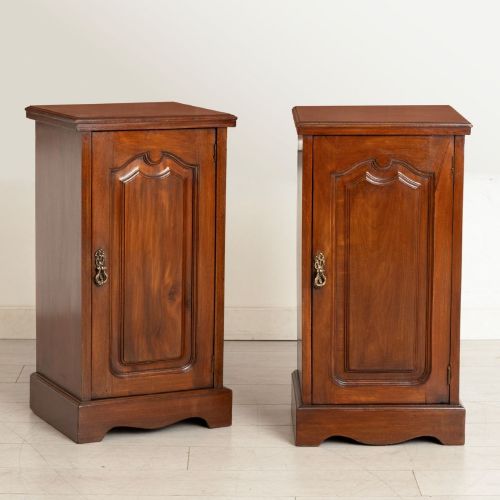
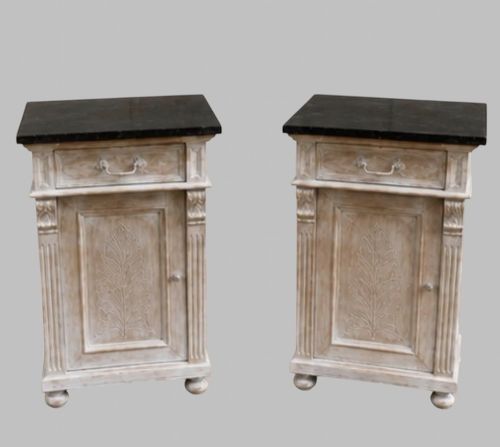
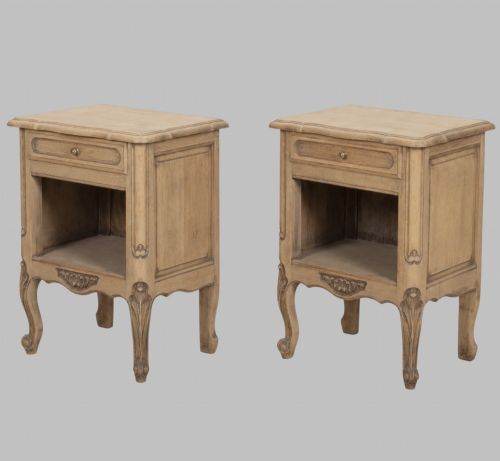
Most examples function primarily as bedside cabinets, offering enclosed shelving and surface space for lamps or night-time essentials. Formats range from simple wooden cupboards to marble-topped nightstands and painted variants.
Materials and construction methods
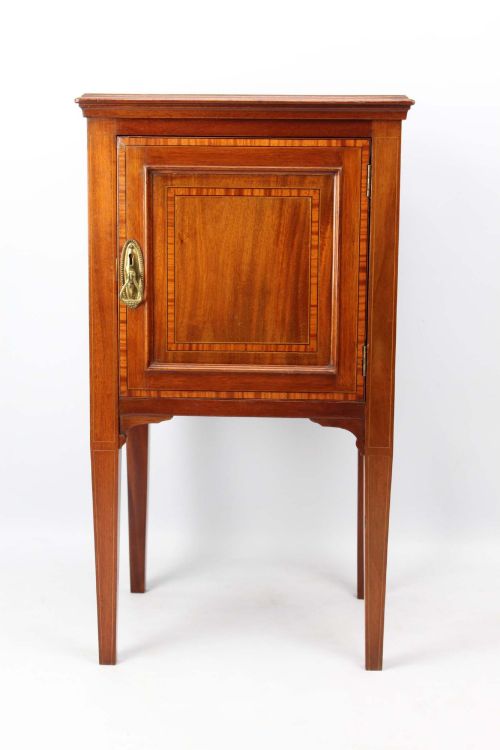
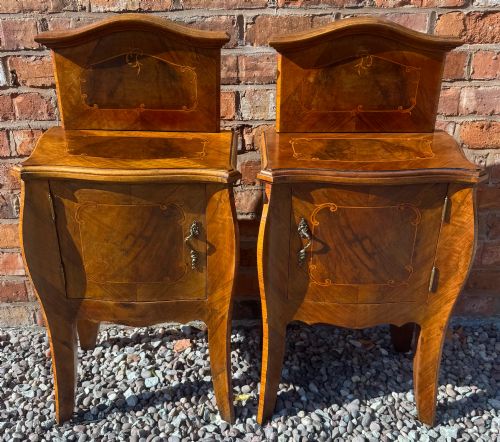
Cabinet makers utilised a variety of solid timbers and veneers, predominantly mahogany, oak, and walnut, alongside satinwood, pine, and kingwood. These woods provided durable structures that supported decorative veneers and inlaid details.
Surface treatments included French polishing, painted finishes, and bleached effects to alter the appearance of the timber. Hardware components such as brass handles and hinges completed the construction of these functional storage items.
The inventory includes marble-topped items originating from France and Italy alongside British Georgian and Victorian revival designs.
Distinctions in craftsmanship and design
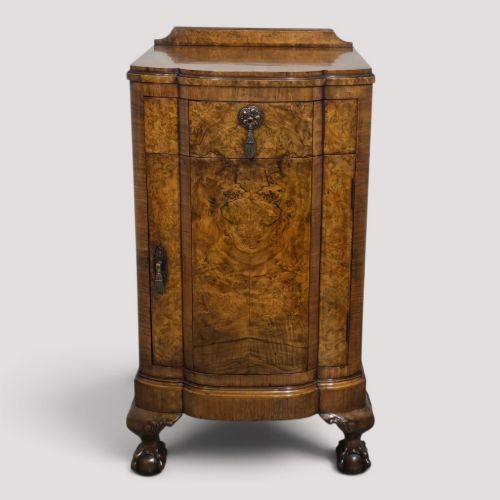
Quality separates simple utility furniture from pieces featuring refined cabinetmaking, such as intricate crossbanding, fine marquetry inlay, and shaped or bowfront structures. Superior examples exhibit precise joinery and well-matched wood grains across the doors and panels.
The choice of materials also dictates standing, with dense hardwoods like mahogany and figured walnut contrasting against simpler painted pine constructions. Integrated stone elements, such as fitted marble tops on French and Italian pieces, elevate the overall execution.
Holland and Sons·Harry and Lou Epstein
The Antique Style Pot Cupboards Glossary
- Pot board
- An open lower shelf fitted beneath a dresser or cupboard, originally intended for storing pots and earthenware. It provides additional structural stability to the base of the furniture.
- Bowfront
- A convex curved cabinet front that projects outward in a smooth arc. This shape requires advanced woodworking skill to construct and fit properly.
- Inlay
- A decorative technique where contrasting pieces of wood, metal, or shell are inserted into recesses within the solid surface. It creates geometric patterns or pictorial designs.
- Pedestal cabinet
- A tall, narrow freestanding cupboard supported on a single column or plinth base. This form maximises vertical storage in small bedside spaces.
- Frieze
- The broad horizontal band situated beneath the top surface of a cabinet, often decorated with carved ornamentation. On these pieces, it frequently conceals a small drawer.
Antique Style Pot Cupboards: Frequently Asked Questions
What is a pot cupboard?
A pot cupboard is a small bedside cabinet historically designed to contain a chamber pot behind a single door. Over time, these compact units evolved into general bedside storage for nighttime necessities.
Today, they function as bedside tables that offer concealed shelving while maintaining a modest footprint beside a bed.
How do I style a bedside cupboard?
These cabinets suit traditional and eclectic bedrooms where wooden textures add warmth and character. Placing a small lamp or a book on the surface utilises the top while the interior provides hidden storage.
Matched pairs work well flanking a bed, whereas single cabinets can serve as standalone accent tables in smaller guest rooms.
How do I identify the period?
Dating relies on examining construction techniques, hardware styles, and the specific timber selections characteristic of particular decades. Revival pieces often combine earlier aesthetic movements with twentieth-century manufacturing methods.
Characteristics such as faux bamboo framing, marble tops, or specific revival styles like Sheraton or Queen Anne offer clues to the era of manufacture.
Were they always made in pairs?
Many bedside cabinets were produced as individual items rather than matched sets, particularly during the nineteenth century. Single cupboards served personal use in smaller chambers or guest quarters.
Matched pairs became more common in Edwardian times and through various revival periods when symmetrical bedroom decoration gained popularity.