
Antique Style Oil Portrait
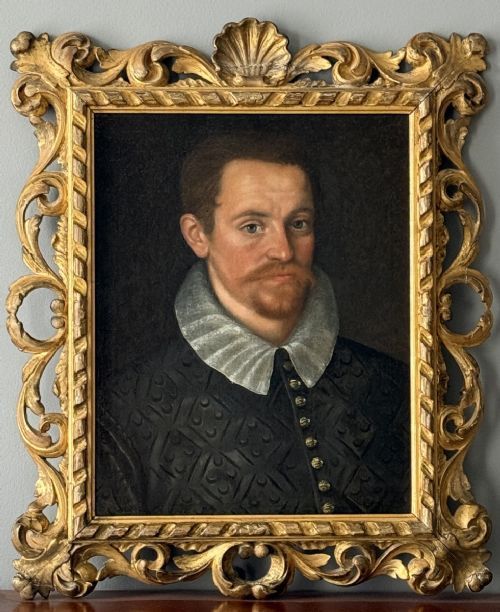
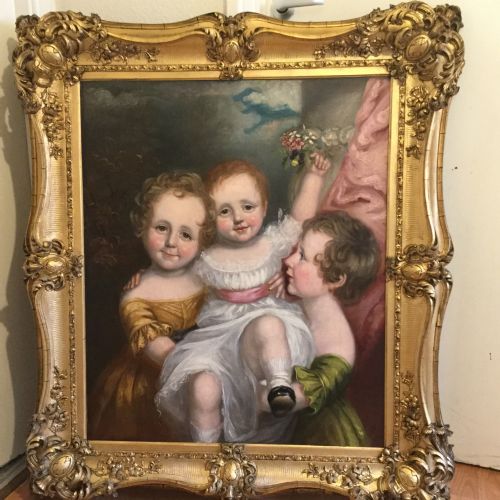
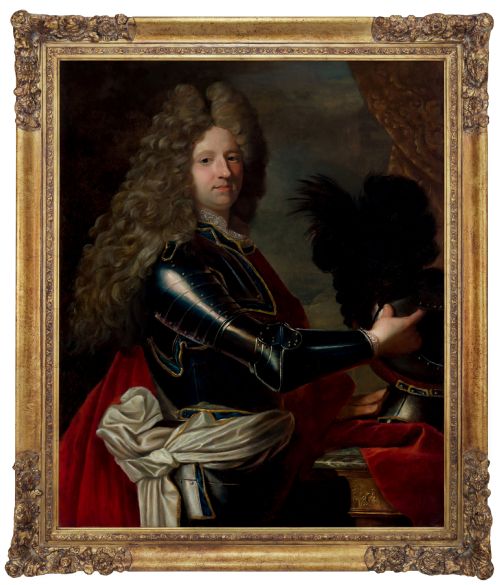
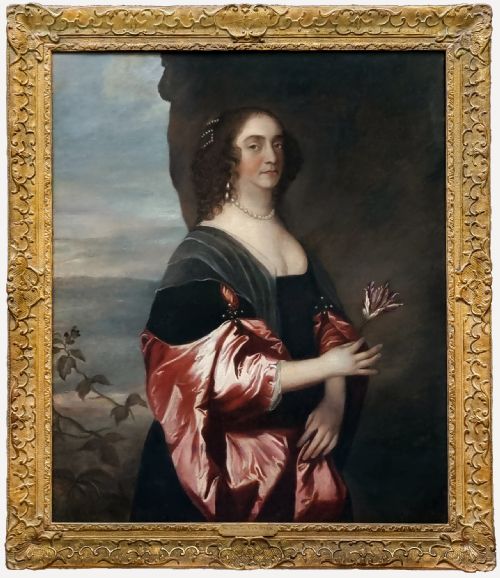
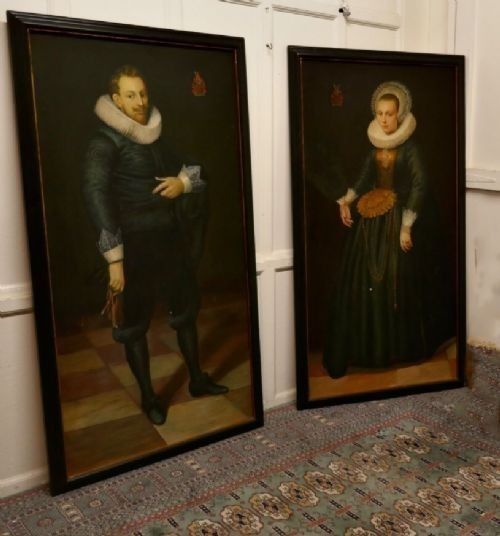
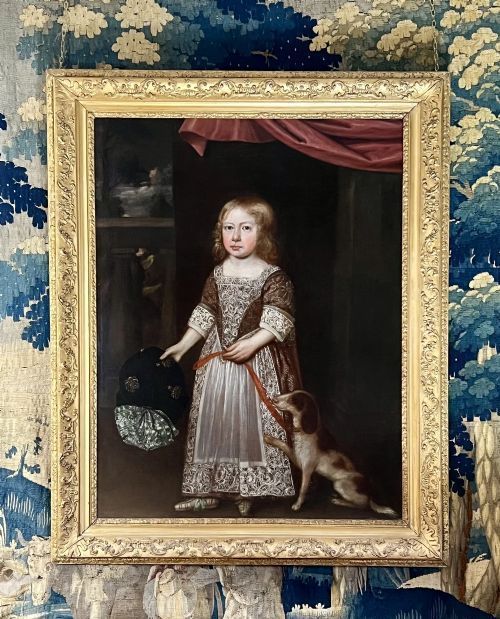
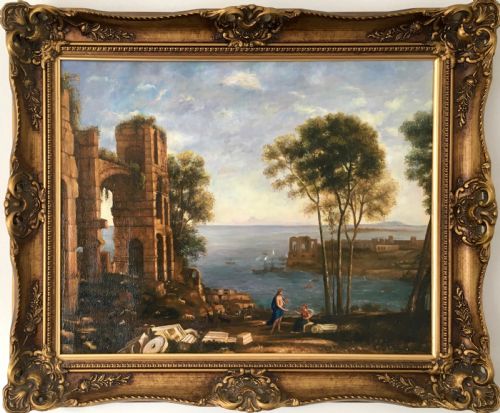
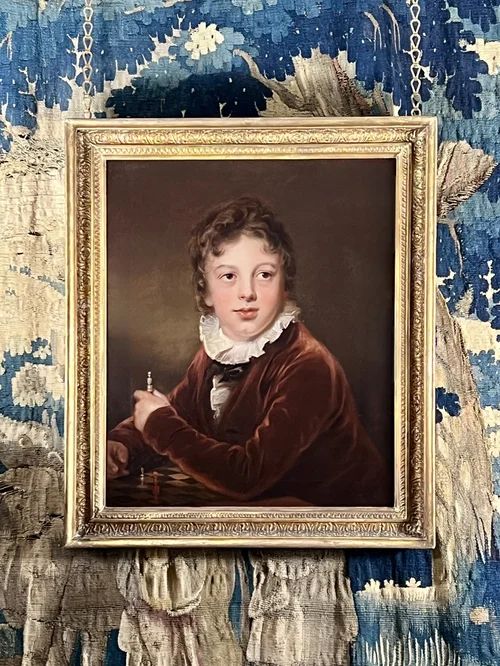
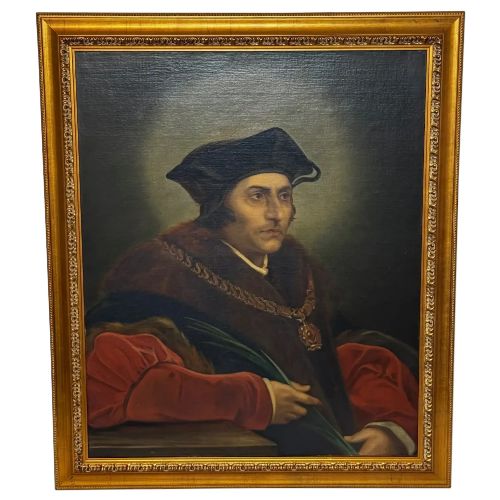
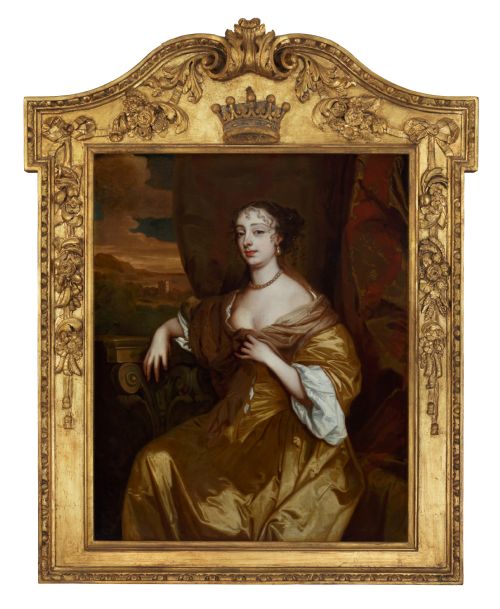
An antique style oil portrait brings historical presence into a room, capturing subjects from nobility to country girls in oils and gilt frames.
Antique Style Oil Portrait
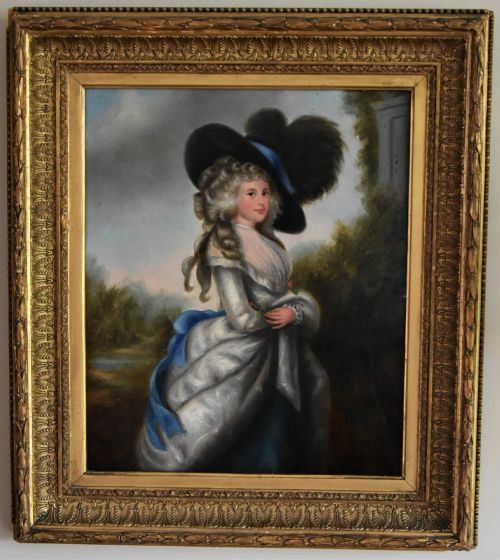
An antique style oil portrait references historical periods such as the seventeenth, eighteenth, and nineteenth centuries, often echoing the brushwork of masters like Sir Peter Lely or Thomas Gainsborough. Buyers seek these works to anchor a traditional interior with the gravitas of past eras.
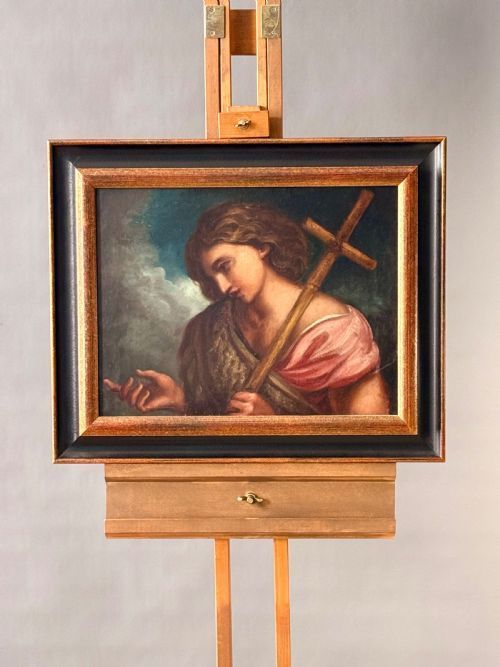
The selections span original period canvases, studio copies, and later revivals executed in the manner of Renaissance, Baroque, or Georgian schools. Subjects range from named historical figures like King Charles I to anonymous nobility and romantic continental beauties.
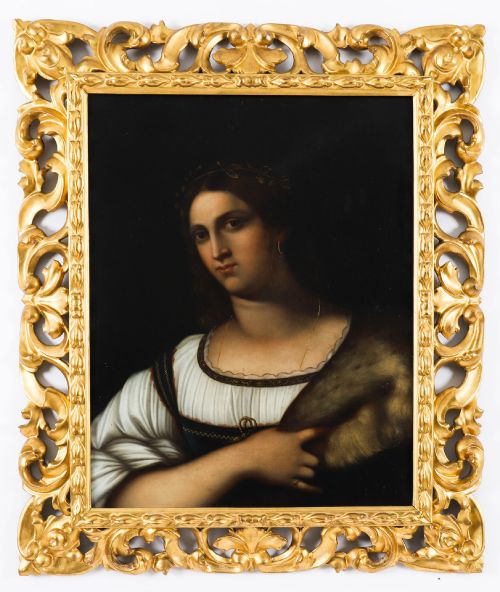
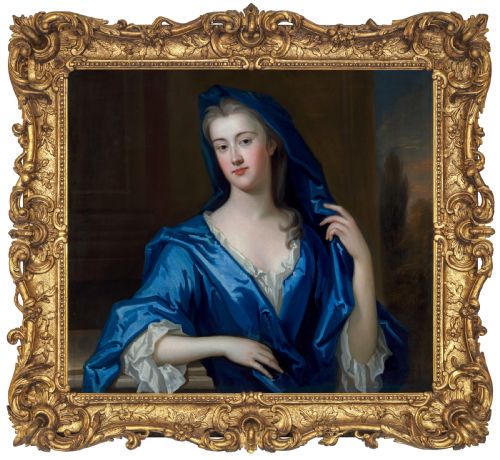
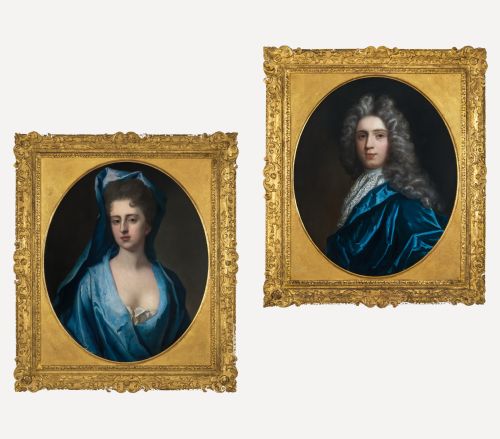
Many pieces display the enduring influence of classical portraiture through specific dress, headdresses, and compositional stances. Whether painted in oils on canvas or panel, these works bridge historical reverence and decorative wall art.
Materials and methods
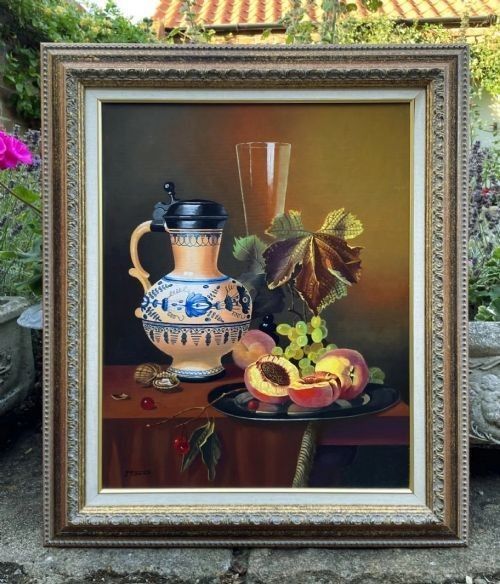
The primary ground for these works is oil paint applied to canvas or wood panel, supported by traditional preparation layers. Pigments build up depth and luminosity, particularly in the rendering of fabrics, skin tones, and shadows.
Frames form an integral part of the physical object, utilising carved wood, giltwood, and gold leaf. Swept frames and Renaissance revival mouldings often match the period aesthetic of the painting housed within.
Materials recorded across pieces include oil paint, gold leaf, canvas, wood, and giltwood.
Assessing quality
Quality rests in the handling of light, shadow, and anatomical proportion by the artist or studio. Stronger examples display confidence in facial expression and fabric folds, distinguishing master copies from mechanical reproductions.
The integrity of the canvas and the preservation of the original paint layer dictate the longevity and visual impact of the piece. Period frames that complement the painting without later alteration further elevate the overall standing of the work.
John Hayls·Sir Peter Lely·Jeremiah Davison·Pierre Mignard·Sir Joshua Reynolds·Charles D’Agar·Sir Thomas Lawrence·Gottlob Fischer
The Antique Style Oil Portrait Glossary
- Oil on Canvas
- Pigment suspended in a drying oil medium applied to a woven fabric support. This combination allows for rich blending and textured brushwork.
- Giltwood
- Wood carved and coated with gold leaf or metallic paint. It provides the ornate, reflective borders typical of period frames.
- Renaissance Revival
- An artistic movement reviving fifteenth and sixteenth-century classical forms. Works in this style borrow heavily from Italian and Northern European compositions.
- Circle of
- A designation indicating the artist worked closely with a named master, absorbing their style and technique. It denotes a high level of contemporary competency.
- Panel
- A flat wooden support used for paintings before canvas gained widespread favour. Panels offer a rigid foundation that often survives centuries with minimal flex.
Antique Style Oil Portrait: Frequently Asked Questions
What is a passage portrait?
A passage portrait refers to a specific compositional type often replicated after established masters. These works trace historical lineages of portraiture.
They serve as decorative records of notable historical figures and dynasties.
How do I date an oil portrait?
Dating relies upon examining the preparation of the canvas, the ageing of the oil paint, and the style of the subject's clothing. Frame construction also offers clues to the period of assembly.
Comparing brush techniques with known studio samples helps narrow the timeline.
Where should I hang these portraits?
These paintings suit traditional reception rooms, libraries, and hallways where period furniture creates a cohesive environment. They require wall space away from direct sunlight to protect the pigments.
Pairing them with matching giltwood frames enhances their presence in formal settings.
What does after an artist mean?
This attribution indicates the painting is a later copy or studio interpretation of an original work by a named master. These pieces reflect the enduring popularity of specific historical compositions.
Such works often date from subsequent revivals rather than the lifetime of the original painter.