
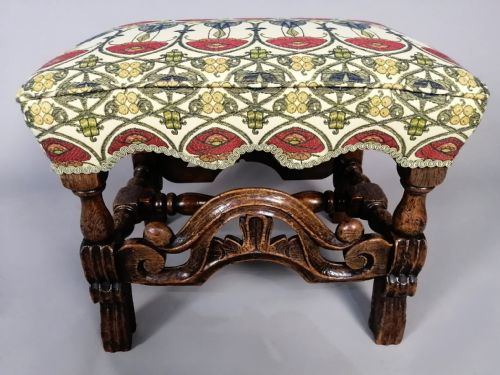
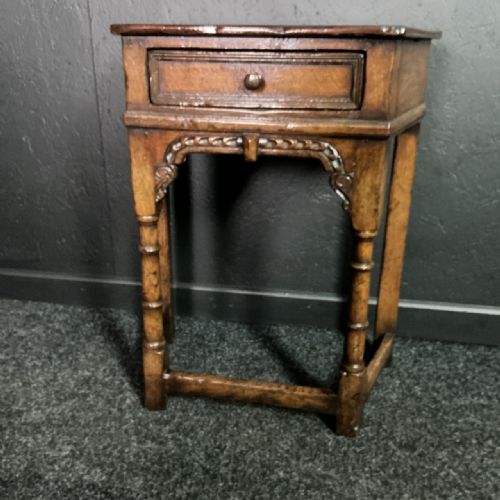
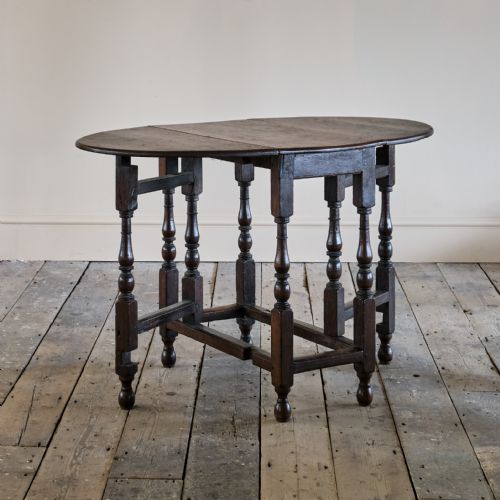


Antique Style Oak Stool
These pieces unite solid timber and period revival design, offering an antique style oak stool that anchors a room with understated historical character.
Antique Style Oak Stool
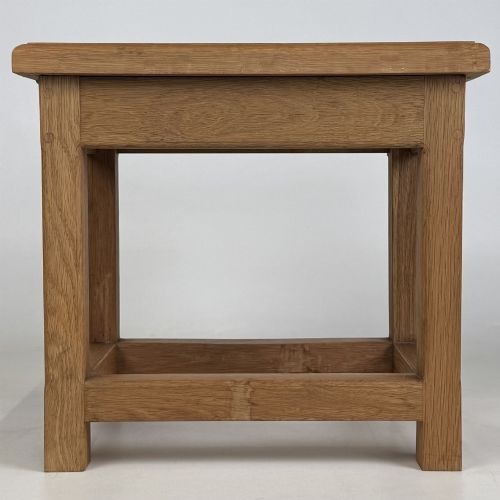
An antique style oak stool draws upon earlier centuries of British woodworking, channeling the functional forms of vernacular seating into decorative items for the home. When exploring this selection, buyers encounter pieces that span simple jointed construction to heavily carved revival interpretations.
The most common examples on this page date from the nineteenth and early twentieth centuries, adopting Jacobean, Gothic and Arts and Crafts aesthetics rather than dating to the actual medieval or Tudor periods. These items serve as extra seating, footstools or low occasional surfaces in traditional and contemporary interiors alike.
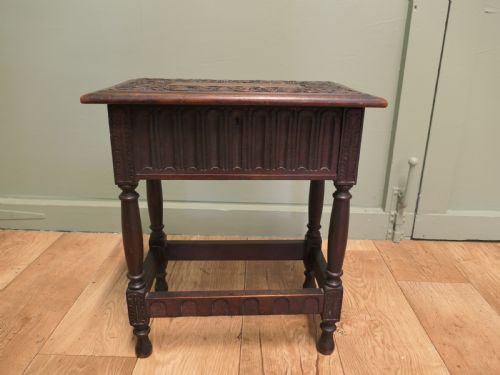
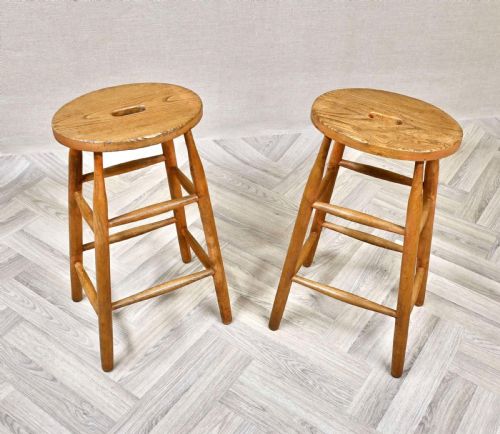
Makers drew inspiration from seventeenth-century joint stools and boarded forms, resulting in sturdy items with upright legs and peg-joined rails. Alongside standard seating, the inventory includes long benches, box stools with hinged lids, and piano stools adapted for modern domestic use.
How they were made
Carpenters constructed these items primarily from solid hardwood, utilising traditional mortise and tenon joints secured with wooden pegs rather than metal fixings. This method ensures lasting structural rigidity across centuries of use.
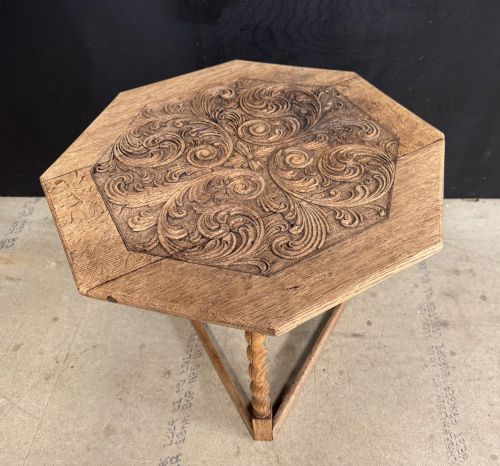
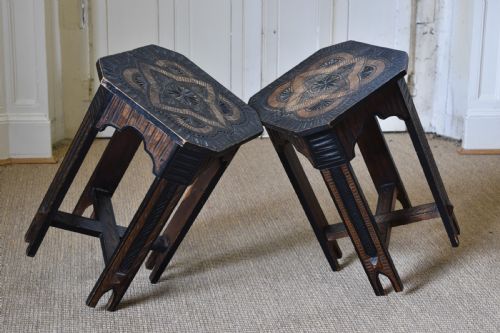
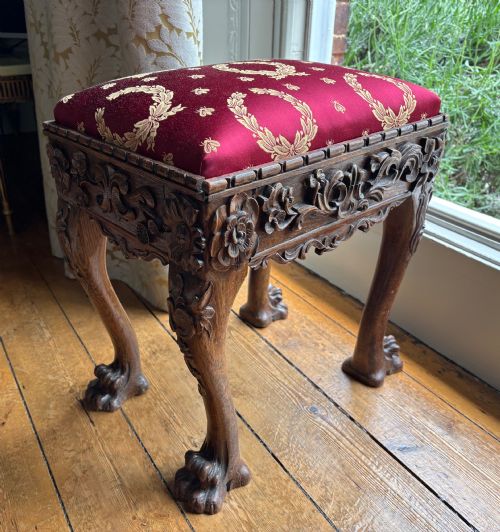
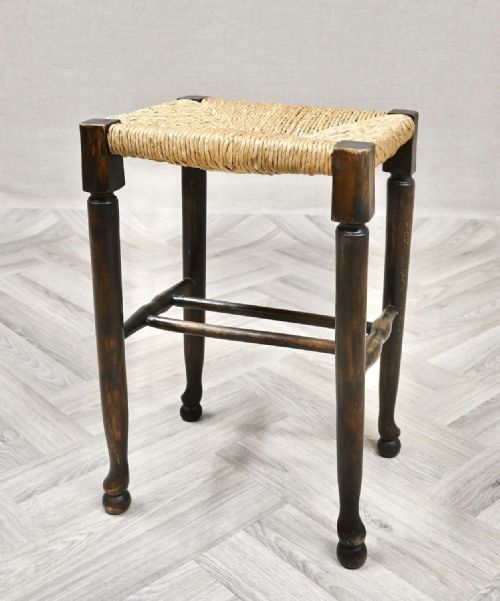
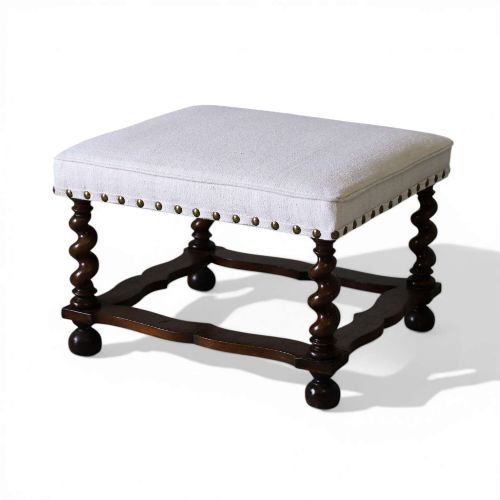
Surface decoration often involves chip carving, geometric panel detailing or turned elements such as barley-sugar legs. Upholstered variants incorporate secondary materials like rush, cane, brass mounts and woven fabric or leather pads.
Several miniature versions on offer served as apprentice pieces or doll furniture, proving that small-scale woodworking commanded serious skill.
What varies in quality
The degree of hand-carving and the choice of timber figure set individual pieces apart, moving basic utility work into the realm of decorative art. Denser grain patterns and crisp, deep relief carving indicate a higher standard of craftsmanship.
Originality of components heavily influences worth, distinguishing period revival items made with genuine aged timber from later mass-produced alternatives. The tightness of the joints and the integrity of secondary materials like rush or cane also define the tier of the piece.
James Shoolbred and Co·Liberty and Co
The Antique Style Oak Stool Glossary
- Joint stool
- A sturdy wooden seat constructed with mortise and tenon joints pegged together, common in sixteenth and seventeenth-century households. These items served multiple domestic purposes before loose seating became widespread.
- Box stool
- A low seat featuring a hollow compartment beneath the lid for storage. They frequently doubled as small tables or closed container units.
- Chip carving
- A form of decoration where small chips of wood are removed from the surface with knives or chisels to create geometric patterns. This technique appears widely on revival vernacular furniture.
- Barley-sugar twist
- A spiral turning resembling a twisted rope, carved into the vertical legs of tables and seating. This decorative flourish gained popularity during the seventeenth century and returned in later revival periods.
- Stretcher
- A horizontal wooden brace connecting the legs of a stool to provide lateral stability. They often feature shaped profiles or central placement to act as a footrest.
Antique Style Oak Stool: Frequently Asked Questions
How were oak stools originally used?
Historical households utilised these sturdy wooden seats at the dining table and around the hearth. Because of their flat tops and solid build, they also functioned as portable surfaces for holding household objects.
Over time, smaller variants served specific roles as piano benches, window seats or low resting places for feet. Their compact footprint allowed them to be tucked away when not in active use.
Are these stools comfortable to sit on?
Unupholstered wooden tops offer a firm seat designed for utilitarian durability rather than lounging. Many surviving examples feature concave surfaces or woven rush pads to soften the feel.
When searching this category, buyers seeking longer comfort often select versions equipped with buttoned leather, damask upholstery or padded cushions. These softer variations bridge the gap between historic style and modern relaxation.
How do I spot a revival piece?
Revival furniture mimics earlier eras such as the Elizabethan, Jacobean or Gothic periods while using nineteenth or twentieth-century manufacturing techniques. Tool marks, wood seasoning and construction methods generally betray the true age of the timber.
Examining the underside and joints reveals machine-cut elements or modern fixings that indicate a later date of manufacture. Sellers usually catalogue these accurately by referencing the specific revival style alongside the true period of creation.
How do I care for antique oak?
Maintaining wooden furniture requires keeping items away from direct heat sources and drastic humidity changes to prevent timber splitting. Regular dusting with a dry cloth preserves the natural grain and historic patina.
Applying traditional beeswax occasionally helps nourish the wood surface without building up synthetic residues. Avoid liquid polishes containing silicone, which can penetrate open-grain oak and alter the finish permanently.