



Traditional English Oak Stool
A traditional english oak stool is a solid, utilitarian seat built to endure centuries of daily domestic use.
Traditional English Oak Stool
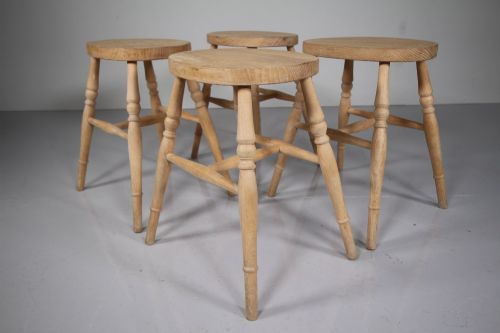
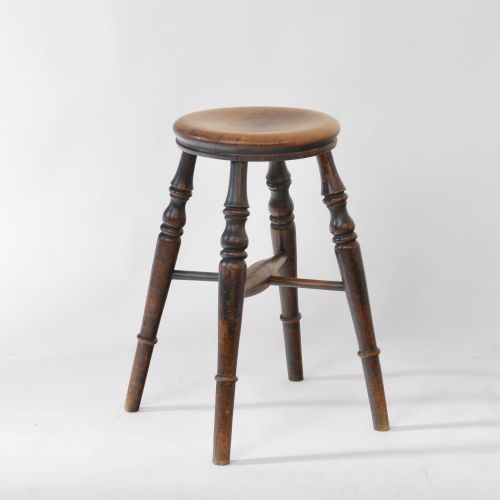
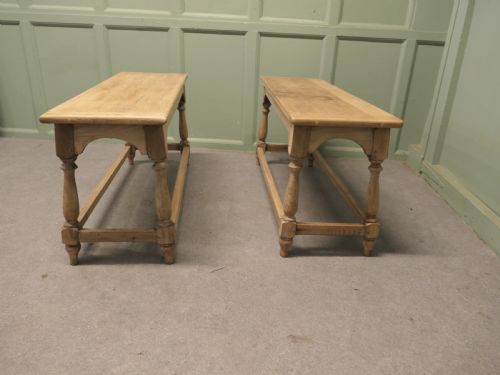
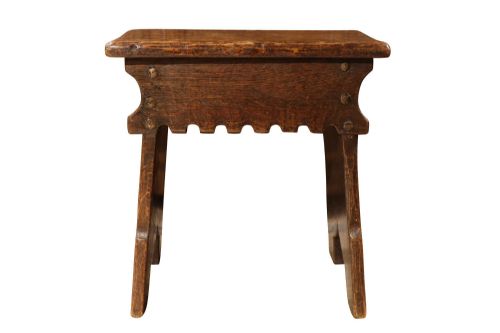
Traditional English oak stools encompass robust joint stools, rustic country forms, and low footstools dating from the eighteenth century through to the mid-twentieth century. Buyers seeking this phrase encounter sturdy four-legged seating made for utilitarian domestic tasks, farmhouses, and taverns.
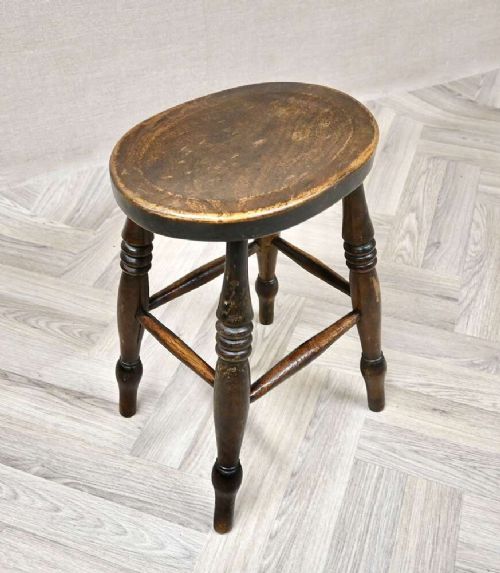
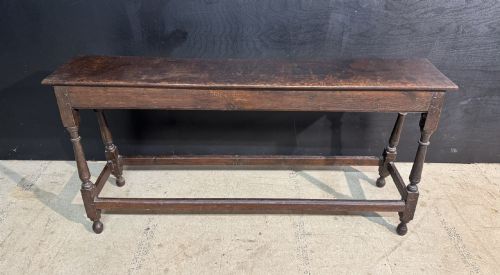
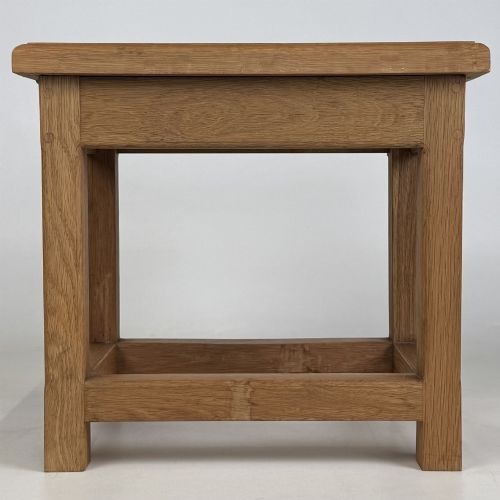
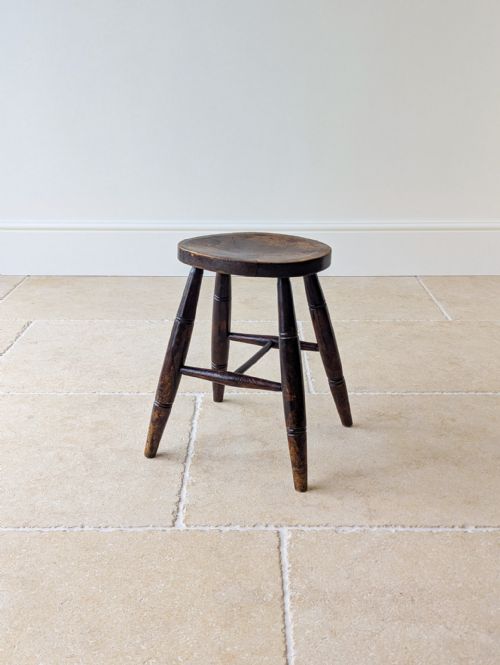
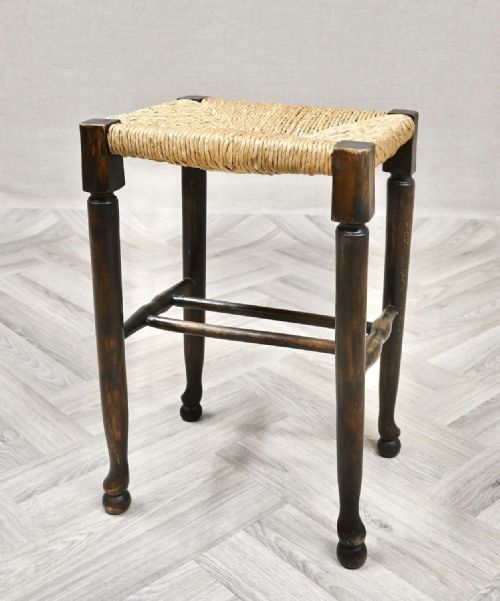
The selection ranges from early pegged joint constructions and Windsor oval seats to revived Jacobean styles and modern artisan interpretations. Simple plank forms and rush-seated variants also appear alongside low side tables adapted from similar vernacular furniture traditions.
How they were made
Makers utilised native English hardwoods, predominantly solid oak supplemented by elm, sycamore, and yew for seats and structural members. Construction relied on traditional pegged joints, mortise and tenon framing, and solid planking designed to withstand heavy downward pressure.
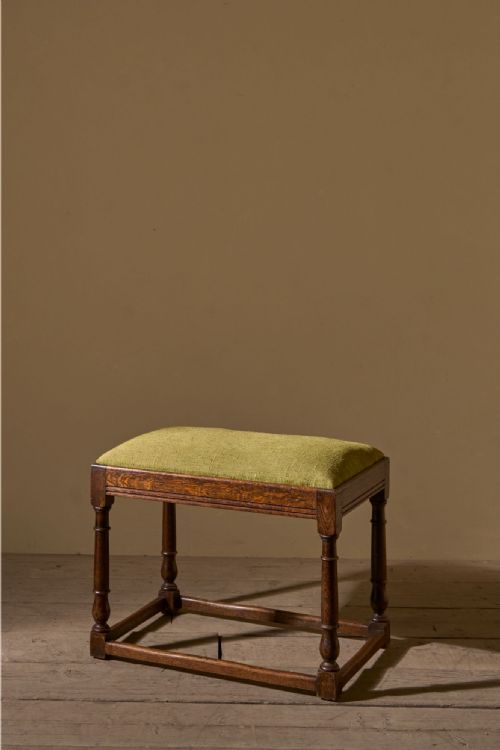
Surface finishes include bleached oak treatments, hand-carved detailing on rails and friezes, and woven rush seating. Upholstered variants incorporate heavy green linen or textiles fixed directly to the wooden frame.
Pub and tavern stools bear the polished patina of countless evenings resting beside smoky hearths and spilled ale.
What varies in quality
Quality rests upon the integrity of the timber selection and the retention of original pegged construction without modern metal intervention. Heavy section oak timbers and untouched patination distinguish superior vernacular pieces from later revivals.
The crispness of hand-carved elements on rails and the retention of original rush or early upholstery materials separate standard utility items from finer examples.
David Oakleafman Langstaff
The Traditional English Oak Stool Glossary
- Joint stool
- A sturdy wooden seat constructed with mortise and tenon joints held together by wooden pegs rather than glue or nails. These pieces formed standard household seating before the widespread adoption of individual chairs.
- Windsor stool
- A traditional form featuring turned legs wedged directly into a thick, shaped wooden seat. These seats are frequently dished or oval in profile for ergonomic comfort.
- Rush seat
- A seating surface woven from dried marsh rushes twisted into cords and laced around the frame. This technique creates a resilient, textured matting common in country vernacular chairs and stools.
- Bleached oak
- Timber treated to lighten its natural tone while retaining the visible grain structure. This finish appears on specific rustic and country house variants within the selection.
- Pegged construction
- A method of joining wooden components by drilling through overlapping joints and driving a tight wooden pin through the hole. This secures the frame without metal fasteners.
Traditional English Oak Stool: Frequently Asked Questions
What is a joint stool?
A joint stool is a rigid wooden seat built with pegged mortise and tenon joints. They served multipurpose domestic roles in early homes.
These sturdy frames supported various household tasks and could be easily tucked beneath tables when not in use.
How do I date an oak stool?
Dating relies on examining tool marks, timber shrinkage, construction methods, and stylistic cues. Eighteenth-century pieces display different hand-planing textures compared to later nineteenth-century revivals.
Peg placement and the wear patterns on the feet also provide reliable indicators of age and original function.
Can I use these stools daily?
Traditional oak and elm stools are exceptionally robust and built for heavy structural loads. Their pegged frames accommodate regular sitting without losing rigidity.
Placing them on level floors prevents undue stress on individual legs and keeps the antique joints secure.