
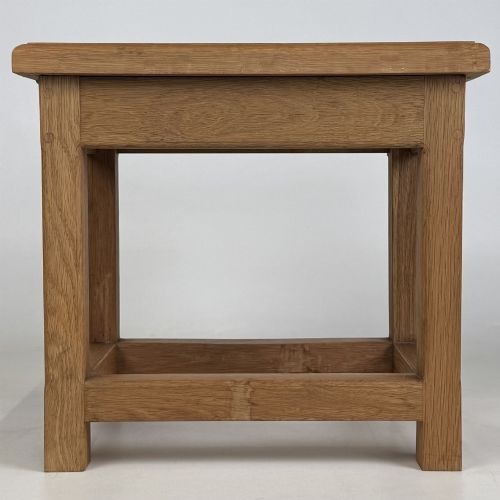
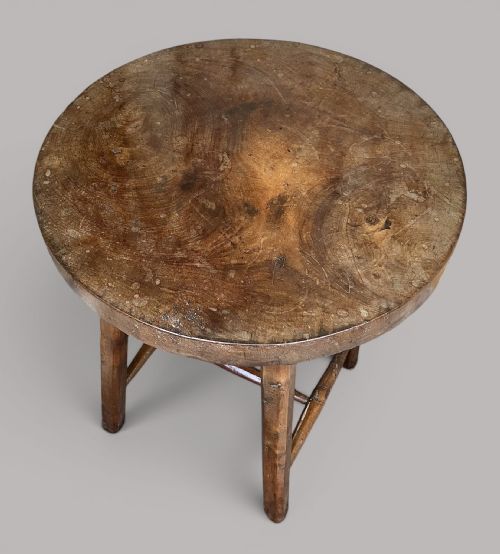
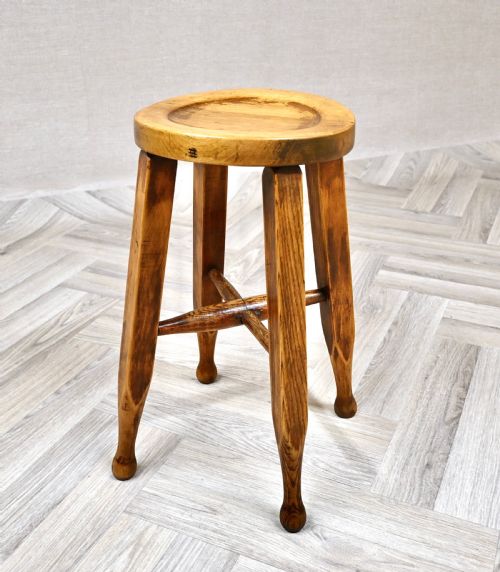

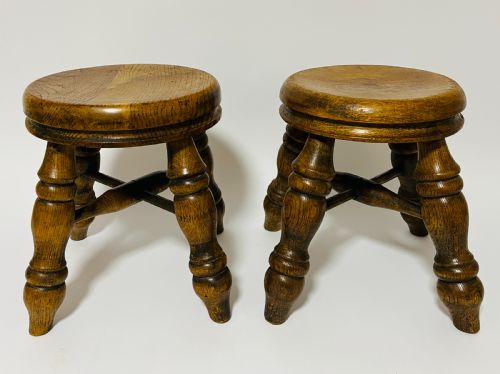


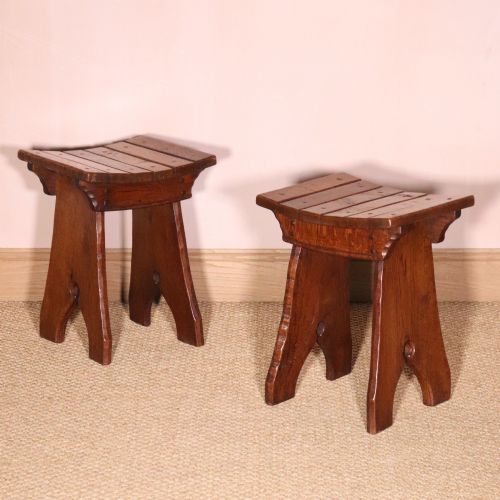


Solid Oak Side Stool
A solid oak side stool brings honest timber and sturdy utility to a room, ranging from seventeenth-century jointed forms to Arts and Crafts revivals.
Solid Oak Side Stool
A solid oak side stool encompasses functional seating and small low tables built primarily from robust timber. Buyers searching for a solid oak side stool will encounter everything from seventeenth-century joint examples to early twentieth-century Arts and Crafts revivals.
The selection ranges across distinct historical periods, including Georgian vernacular pieces and Edwardian interpretations. Makers constructed these versatile items to serve as secondary seating or compact side tables in hallways and parlours.
Stools and low side tables dominate the listings, frequently appearing as joint stools or simple vernacular forms. Many pieces reflect historical revivals, echoing seventeenth-century Jacobean aesthetics or later Arts and Crafts ideals.
Assessing quality and character
The standard of a piece depends on the crispness of hand-carved details and the integrity of the original joints. Superior items display well-figured timber grain and honest patination built up through decades of handling.
Proportion and structural balance separate simpler utilitarian forms from finer examples produced by dedicated workshops. The presence of period construction methods rather than modern metal fasteners distinguishes better pieces in the range.
A French oak tree trunk game block sits among the traditional seating, proving that timber found unconventional uses in the nineteenth century.
Jack Grimble
The Solid Oak Side Stool Glossary
- Joint stool
- A sturdy wooden stool constructed with pegged mortise and tenon joints rather than turned legs glued into a seat. These pieces often served functional roles in seventeenth-century households.
- Jacobean revival
- A nineteenth or twentieth-century style copying the heavy, carved forms of the early seventeenth century. Makers utilised dark oak and geometric mouldings to imitate the earlier period.
- Arts and Crafts
- A movement prioritising traditional craftsmanship and honest materials over mass production. Pieces from this tradition often display simple lines and visible construction details.
- Vernacular furniture
- Domestic items made by local craftsmen for everyday use rather than high-style pieces from metropolitan workshops. These objects rely on regional traditions and readily available timber.
- Patina
- The surface sheen and colour acquired by wood over long periods of use and polishing. Collectors value this natural ageing as evidence of a piece's history.
Solid Oak Side Stool: Frequently Asked Questions
What is a joint stool?
A joint stool is a solid wooden seat held together by pegged joints rather than turned legs glued into a seat. These sturdy items were common in seventeenth-century English households.
Craftsmen built them to be robust enough for daily use, frequently employing them as seating or small tables. Their rigid construction allows them to survive centuries of domestic service.
How old are these oak stools?
The pieces span from the mid seventeenth century through to the mid twentieth century. Many items date from nineteenth-century revivals rather than the original Jacobean era.
Stylistic details and construction techniques help distinguish seventeenth-century originals from later copies. Revivals often borrow historical forms while retaining the manufacturing methods of their own decade.
Where should I place a side stool?
These compact items suit hallways, bedrooms, and living spaces where surface area or extra seating is needed. Their modest footprint allows them to fit easily into tight corners.
Historically, makers designed them for versatile utility close to walls or beside larger chairs. Today they function effectively as small display surfaces or occasional seats.
How do I care for solid oak furniture?
Maintain solid oak by applying traditional beeswax periodically to nourish the timber and preserve the surface sheen. Avoid placing the wood in direct sunlight or near heat sources.
Gentle dusting with a dry cloth prevents the accumulation of grit in carved details. Respecting the natural timber ensures the patination continues to develop over time.