
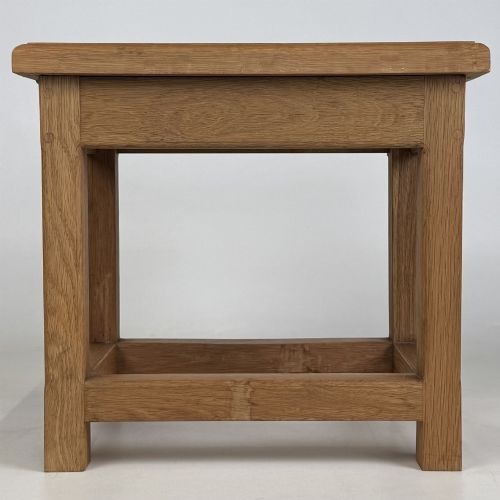
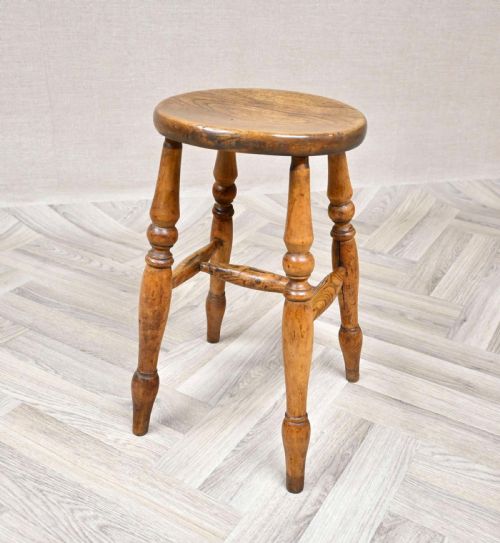
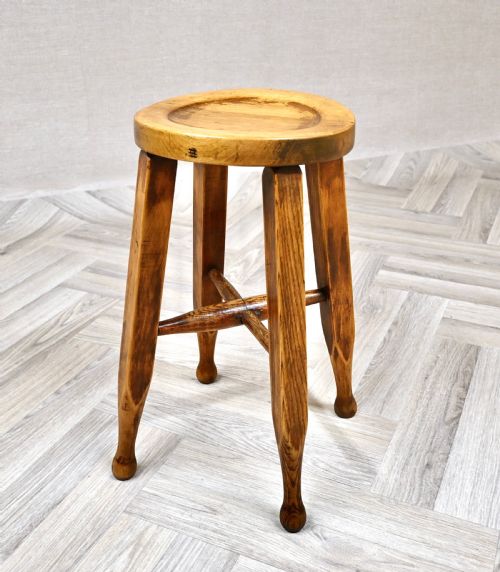


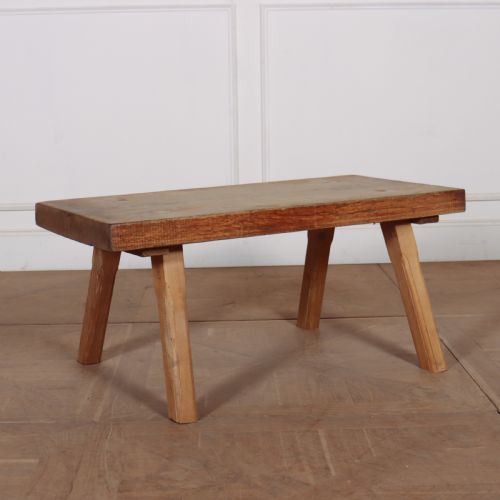
Warm Oak Stool
These warm oak stool pieces offer honest seating shaped by tradition, bringing genuine character and sturdy charm to any room.
Warm Oak Stool
A warm oak stool represents traditional utility furniture, drawing on styles such as Victorian Country and Rustic Farmhouse to provide solid, practical seating. Buyers seeking a warm oak stool often encounter sturdy designs spanning the nineteenth century through the early twentieth century.
The selection ranges from low country models to tall bar variants, incorporating diverse seating forms like rush and cane alongside three-legged country versions. These pieces reflect vernacular woodworking traditions grounded in everyday domestic and rural use.
How they were made
Timbers like oak, elm, ash, and beech form the structural core of these pieces, often shaped into traditional turned legs or joined frames. Artisans utilised solid wood construction methods to ensure longevity and resilience under daily weight.
Seating surfaces frequently incorporate natural materials such as rush and cane work, woven tightly to provide durable support. Iron components occasionally appear in bracing or swivel mechanisms, adding mechanical strength to the wooden frames.
Some vintage swivel stools retain the squeak of nineteenth-century workshops, whispering tales of weary innkeepers and busy country craftsmen.
What varies in quality
Quality differences stem from the integrity of the timber joints and the skill evident in the turning and shaping of the legs. Pieces exhibiting tight joinery and well-preserved natural patination command greater attention from discerning collectors.
The choice of secondary woods and the intricacy of the woven seating elements also distinguish finer examples from standard utilitarian items. Balance, proportion, and the preservation of original surfaces dictate the overall merit of each piece.
The Warm Oak Stool Glossary
- Vernacular
- Everyday utilitarian furniture built by local craftsmen rather than following formal metropolitan design codes. These items prioritise function and local material availability.
- Joint stool
- A sturdy wooden stool constructed with mortise and tenon joints held together by wooden pegs. This method creates a rigid frame capable of heavy daily use.
- Rush seating
- Seats woven from dried marsh grasses twisted into cords. This traditional craft provides a resilient and comfortable surface.
- Patina
- The surface sheen and colour developed by wood through decades of handling, light exposure, and polishing. It serves as a visual indicator of age and history.
Warm Oak Stool: Frequently Asked Questions
How do I care for my stool?
Keep wooden surfaces clean using a soft, dry cloth and nourish the timber periodically with traditional beeswax.
Avoid placing the piece near direct heat sources or in damp environments to prevent wood splitting.
Were these stools used indoors?
Most examples served primarily practical functions within kitchens, alehouses, or workshops as everyday seating and helpers.
Over time, their sturdy utility transitioned into decorative roles within contemporary living spaces.
How can I tell the age?
Examine the tool marks, the method of joinery, and the natural wear patterns accumulated across the wooden surfaces.
Earlier pieces often display hand-turned elements and pegged joints rather than modern mechanical fixings.
Is elm used alongside oak?
Elm frequently appears in seating tops due to its interlocking grain pattern, which resists splitting under pressure.
Makers combined different native hardwoods depending on availability and the specific structural demands of each part.