

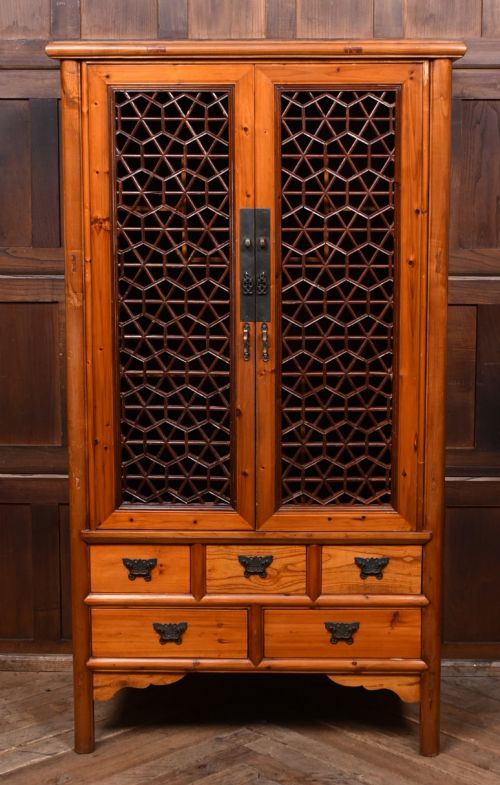


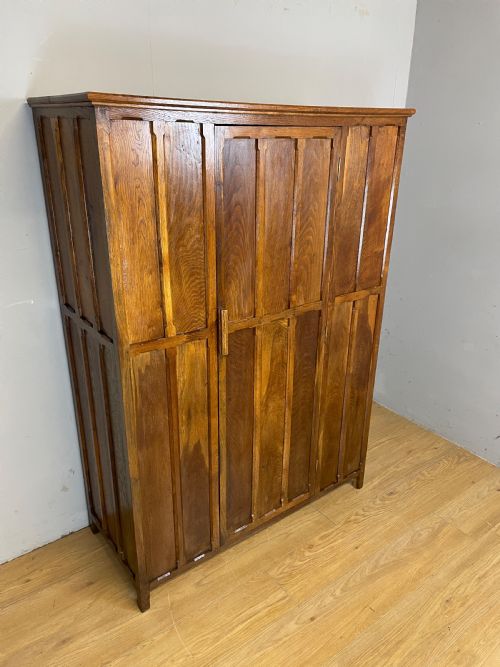


Antique Style Oak Armoire
These antique style oak armoire pieces bring heavy timber storage and regional European revival character directly into modern rooms.
Antique Style Oak Armoire
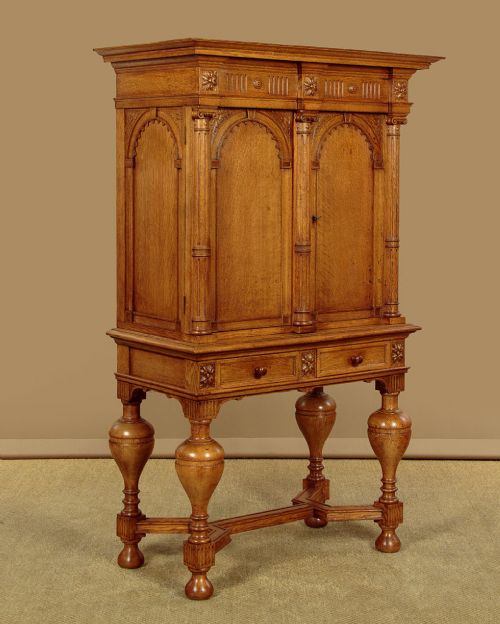
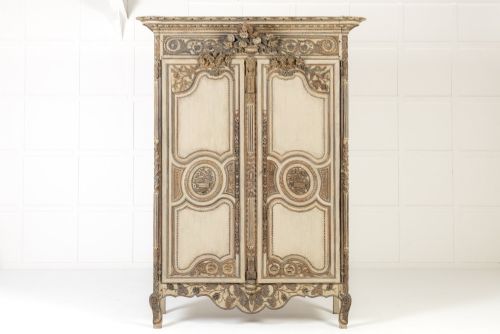
An antique style oak armoire encompasses large storage cupboards, wardrobes, linen presses, and cabinets originating from periods spanning the seventeenth to the twentieth centuries. Buyers seeking an antique style oak armoire frequently encounter French provincial examples, Jacobean revival designs, and Dutch Renaissance pieces.
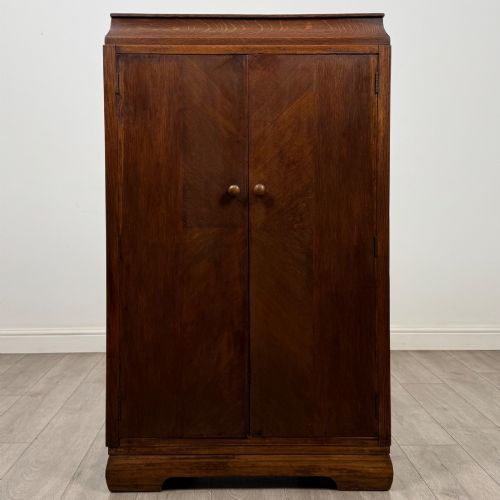
The selections range from heavily carved nineteenth-century wardrobes to bleached triple French armoires and simple 1920s solid oak hall robes. Regional variations include Flemish baroque storage units, Japanese larder cupboards, and Cotswold School interpretations.
Form follows utility across these listings, shifting from early cupboards and linen chests to grand buffets de corps and tall gentleman's wardrobes. Each piece provides substantial enclosed timber storage while displaying distinct revival characteristics from its respective era.
How they were made
Construction relies predominantly on solid oak and regional timbers such as pine, cedar, and walnut, often accented with iron and brass hardware or glass panels. Makers utilised traditional joinery alongside hand-carved detailing to build robust storage furniture designed to last centuries.
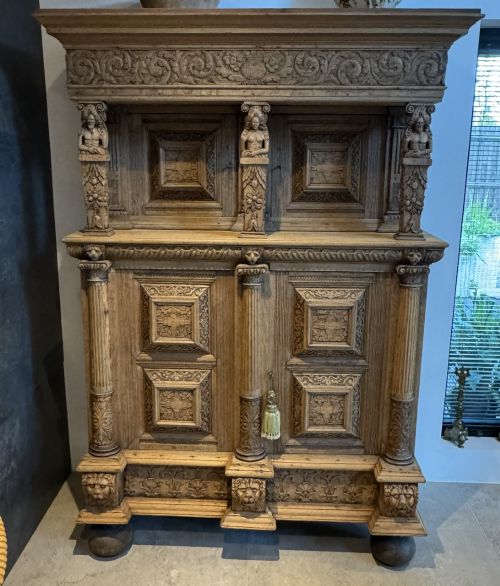
Surface treatments vary from plain waxed finishes and linenfold door carvings to painted surfaces and bleached oak finishes popular in twentieth-century iterations. Carved decoration draws heavily on Gothic, Renaissance, and Flemish baroque motifs executed directly into the timber frame.
Listings feature oak alongside brass, iron, glass, paint, pine, cedar, and solid oak across periods from the seventeenth century to the 1930s.
What varies in quality
Quality rests in the depth and precision of the carved ornamentation, ranging from crisp, purposeful hand-chiselling to simpler machine milling found in later twentieth-century revival pieces. The integration of original brass and iron hardware also distinguishes exceptional examples from standard utilitarian storage.
Structural integrity depends on the selection of solid timber versus secondary woods, alongside the preservation of original doors, hinges, and internal shelving arrangements. Finer pieces demonstrate careful proportion within grand scales, such as triple-door French armoires and buffet de corps forms.
Heals of London
The Antique Style Oak Armoire Glossary
- Armoire
- A tall cupboard or wardrobe used primarily for hanging clothes or storing linens. These large storage pieces often feature double or triple doors.
- Linenfold
- A style of carving on wooden panels that resembles folded cloth. This motif appears frequently on revival furniture and early twentieth-century oak pieces.
- Buffet de corps
- A large, two-tier storage cabinet or sideboard originating from France. It typically combines lower cupboards with an upper section for display or storage.
- Revival
- A stylistic movement that resurrects historical design vocabularies, such as Gothic, Renaissance, or Jacobean styles. Makers applied these older motifs to nineteenth and twentieth-century furniture.
- Linen press
- A tall piece of furniture designed for storing folded linen and garments. It usually incorporates sliding trays or shelves behind panelled doors.
Antique Style Oak Armoire: Frequently Asked Questions
What is an oak armoire used for?
These large timber cupboards serve primarily as substantial storage units for clothing, linens, and household goods within bedrooms and hallways.
They offer deep enclosed space behind panelled or glazed doors to keep items organised out of sight.
How do I identify French provincial styles?
French provincial storage pieces typically feature softer carved details, lighter bleached or painted finishes, and curved lines distinct from heavier English revival furniture.
They emphasise regional craftsmanship and domestic utility while maintaining a grand architectural presence.
Are these wardrobes made of solid oak?
Many listings feature solid oak construction, though secondary timbers like pine and cedar appear in internal components and backing boards.
Twentieth-century interpretations and revival pieces often utilise heavy solid oak timbers alongside brass and iron hardware.
How should I care for an antique oak wardrobe?
Maintain the timber by keeping the piece away from direct heat sources and sudden humidity changes to prevent wood movement.
Apply traditional wax sparingly to nourish the surface and preserve the natural grain of the oak.