
Antique Style Glass Lighting
Antique style glass lighting brings brilliant illumination and period character into a room through brass, bronze and crystal fittings.
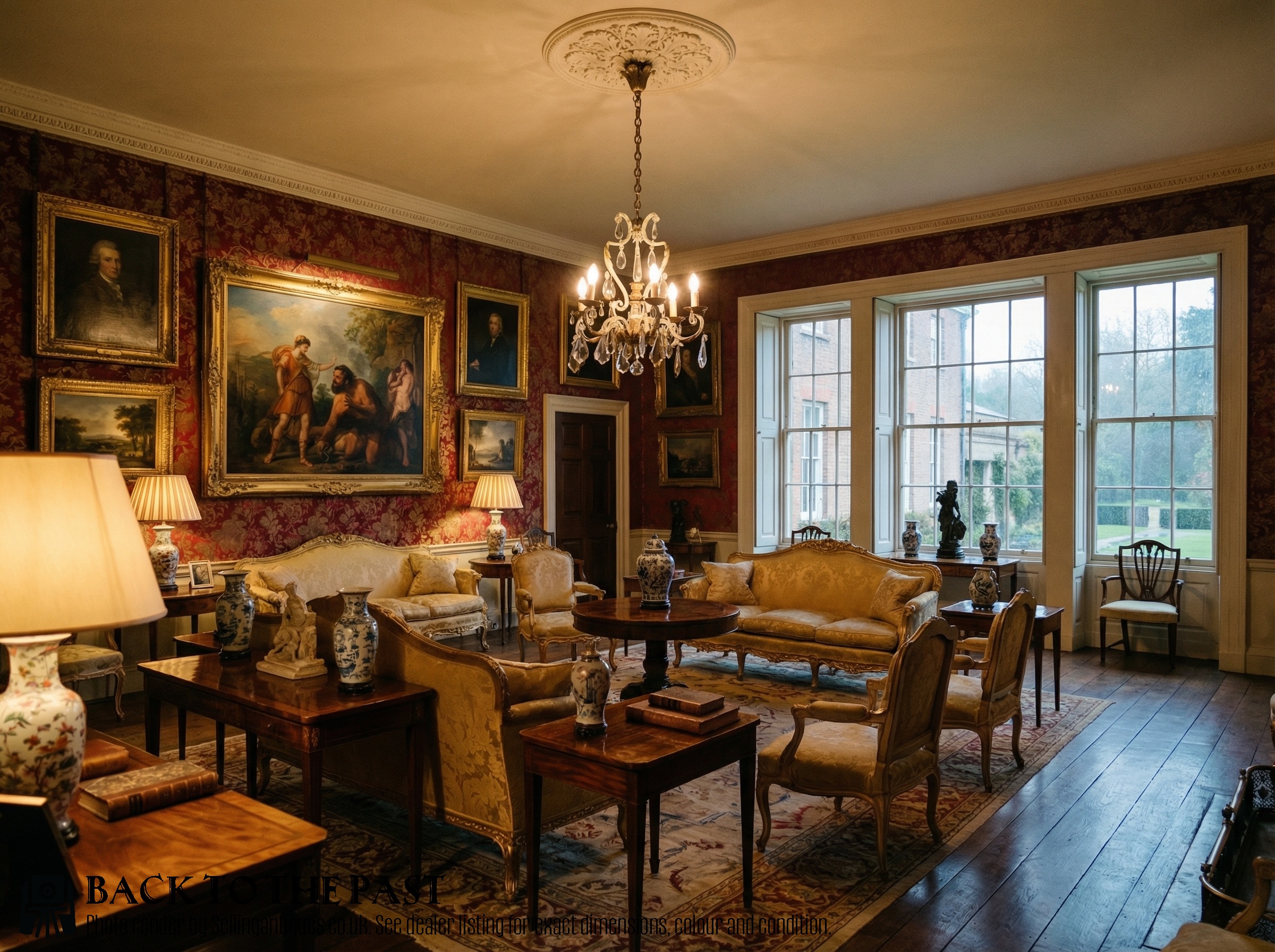
Antique Style Glass Lighting
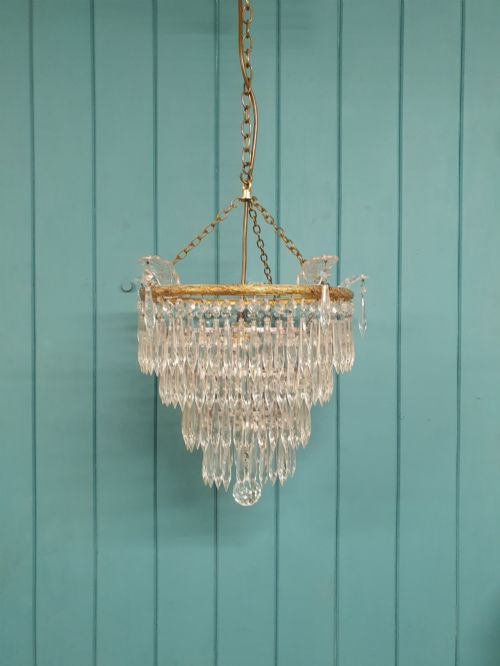
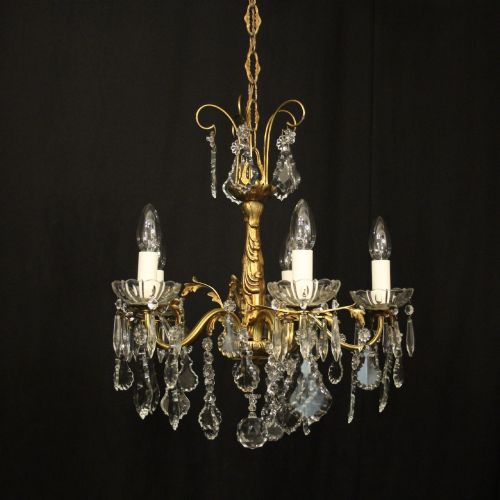
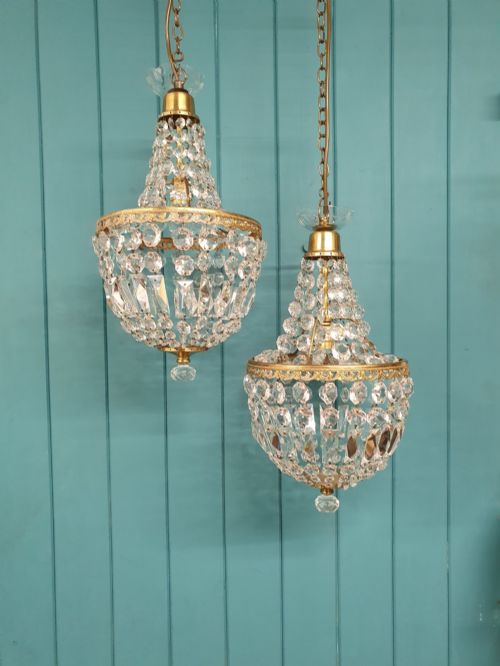
Antique style glass lighting comprises chandeliers, wall lights, lanterns and table lamps originating from periods spanning the nineteenth century through the nineteen-thirties. These fixtures illuminate spaces while serving as sculptural focal points within a room.
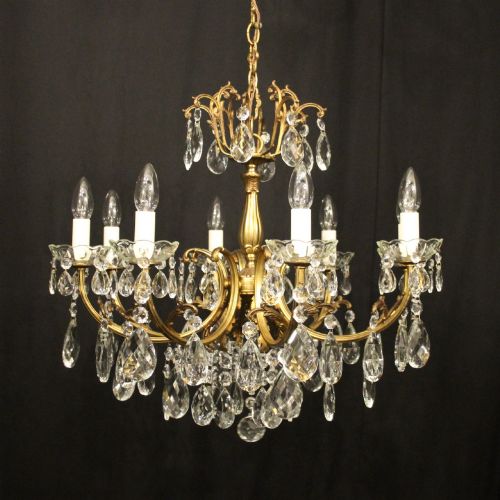
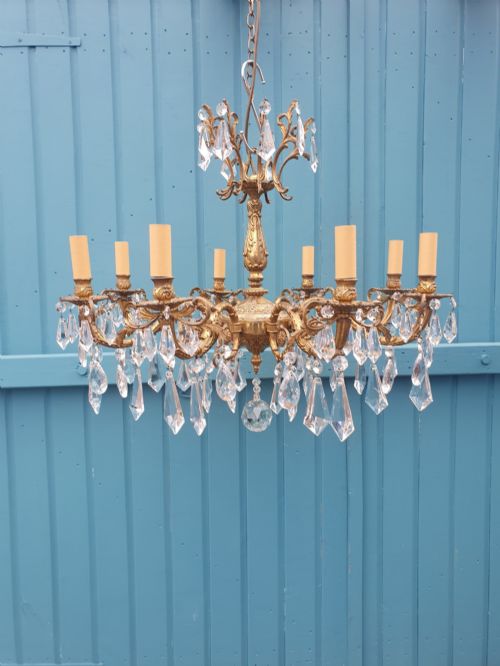
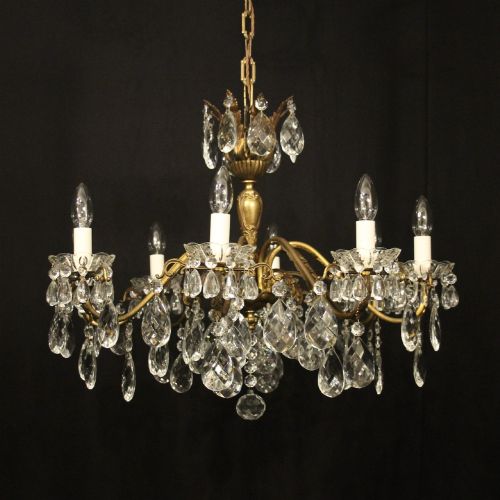
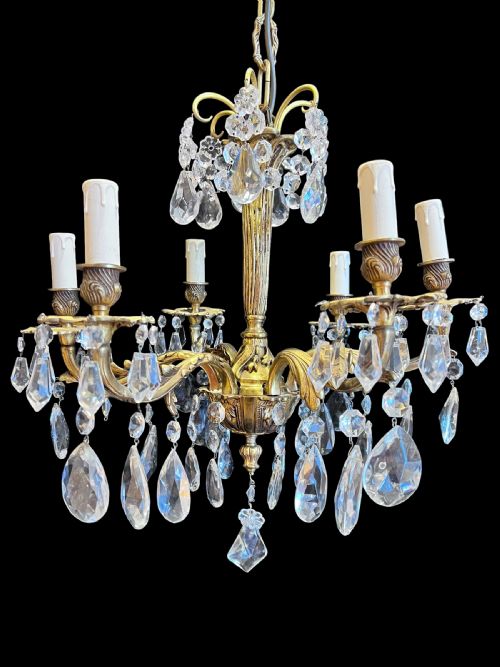
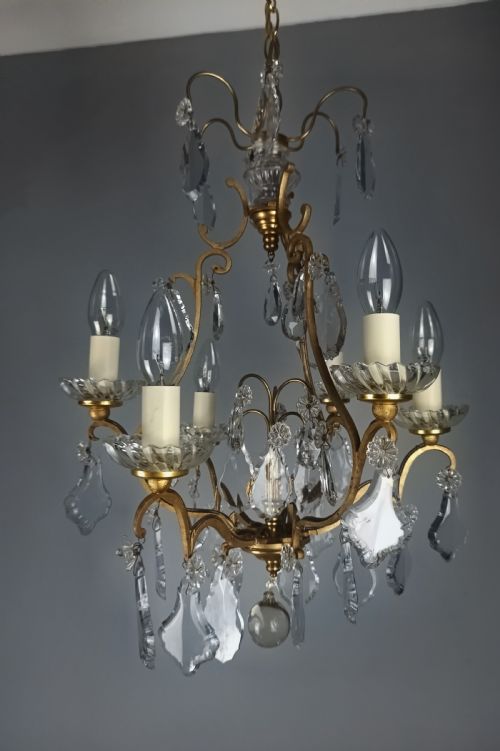
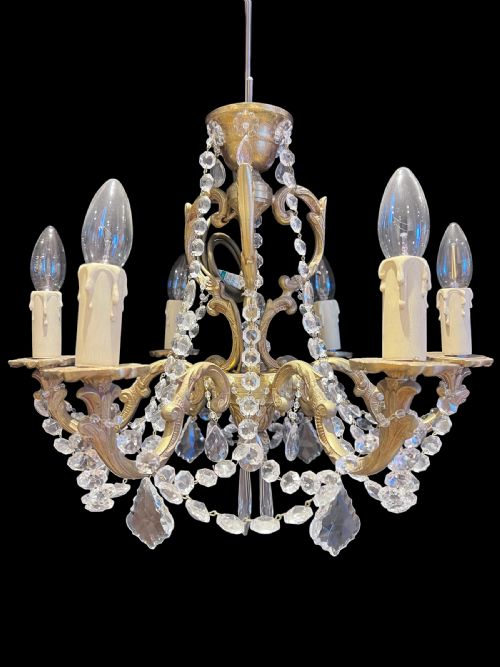
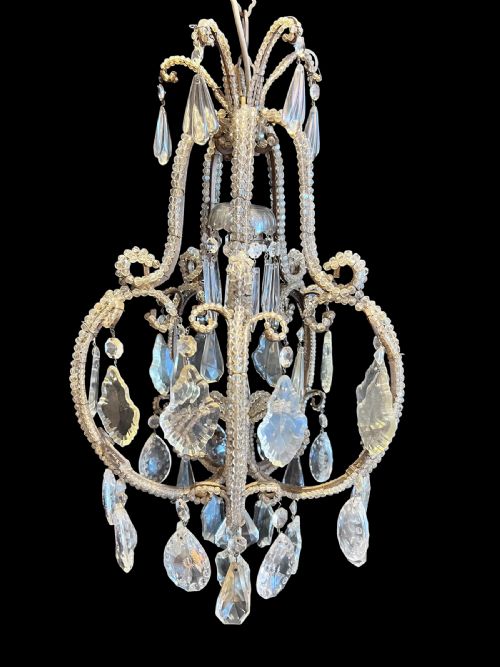
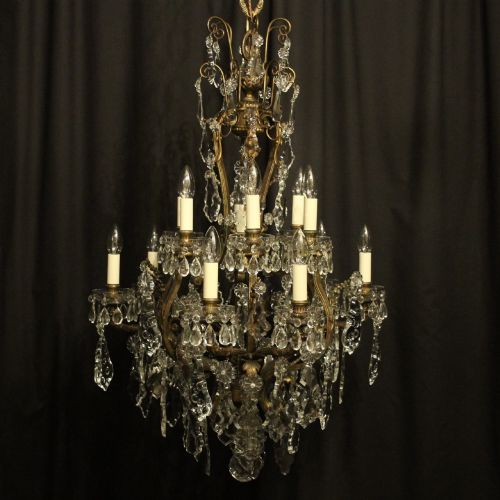
The selections available here lean heavily toward French and Italian designs, including French Empire, Rococo and Neoclassical styles alongside Edwardian and Arts and Crafts examples. Chandeliers featuring multi-light configurations and crystal drops dominate the selection alongside hall lanterns and wall sconces.
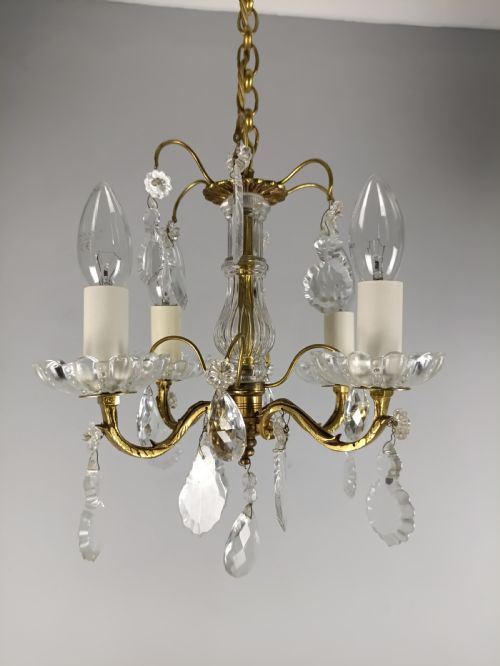
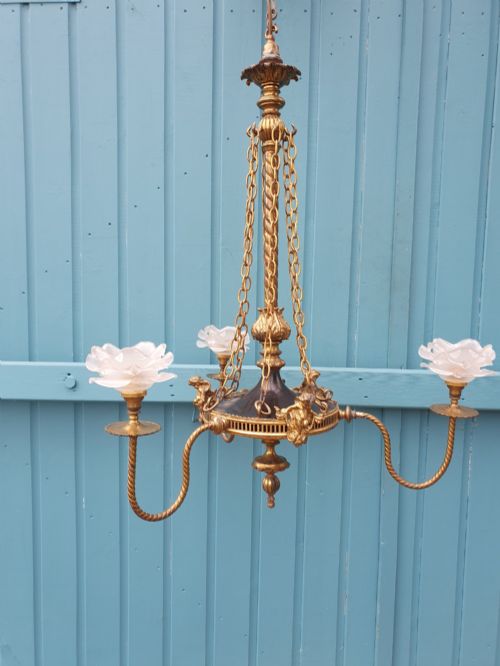
Buyers encounter brass and gilt bronze frames combined with cut glass, crystal and occasionally opalescent or hand-blown bullseye glass. These pieces bring formal nineteenth-century grandeur or early twentieth-century decorative flair to domestic interiors.
How they were made
Frames take shape from cast and pierced brass, bronze and gilt metal, providing sturdy armatures to support heavy glass components. Skilled metalworkers chased and gilded these metal mounts to achieve rich surface textures and warm metallic tones.
Glass elements rely on crystal cutting, mould-blowing and specialised techniques for opalescent or bullseye panes. Cut glass lustres and droplets hang from wire pins, catching and refracting light across the room.
Listings feature brass, crystal and gilt bronze materials across nineteenth-century and early twentieth-century periods.
What varies in quality
The refinement of the metal casting and the precision of the crystal cutting distinguish exceptional pieces from standard production. Crisp detailing in gilt bronze mounts and high lead content in glass drops create superior brilliance and weight.
Cohesion of design and completeness of original components dictate the standing of a fixture. Uniformity in matching crystal lustres and authentic period suspension hardware elevate an object above assembled or altered examples.
Maison Baguès·Sitzendorf·Lacroix·Lalique
The Antique Style Glass Lighting Glossary
- Chandelier
- A branched ceiling-mounted lighting fixture designed to hold multiple lamps or candles. These units often incorporate crystals to enhance light distribution.
- Lustre
- A cut glass pendant or droplet hung from a chandelier or wall light. They catch the light and create prismatic reflections.
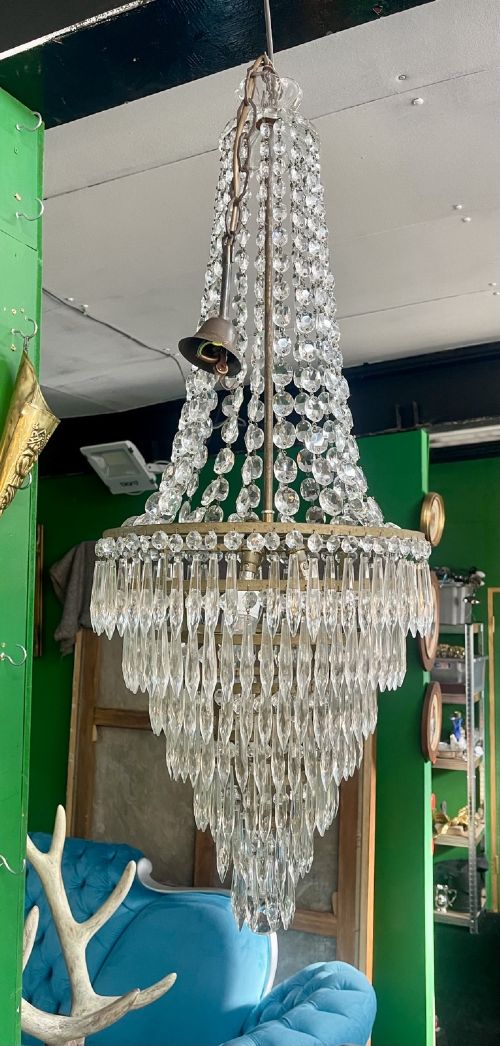
- Tent and waterfall
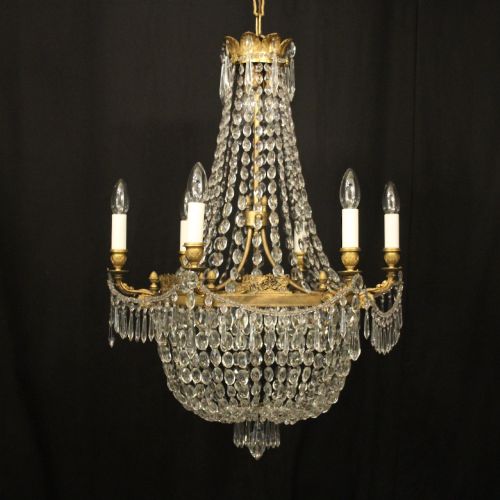
- A chandelier configuration featuring an upper conical section of beads leading down to a wider cascading tier of crystals. This arrangement creates a dense curtain of glass.
- Hall lantern
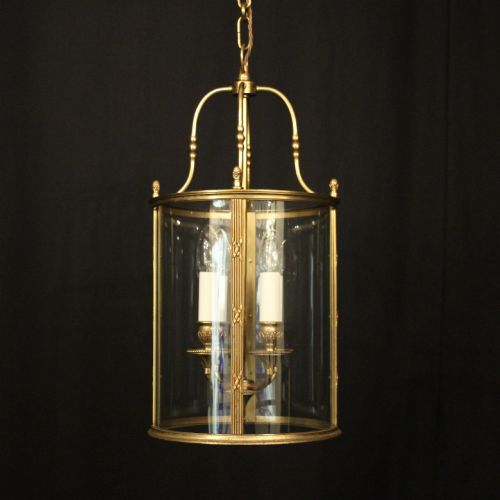
- An enclosed hanging light fixture suspended in an entryway or hallway. They typically feature glass panels set within a brass, bronze or copper frame.
Antique Style Glass Lighting: Frequently Asked Questions
How do I clean an antique glass chandelier?
Cleaning requires a mild solution of warm water and a gentle cleaning agent applied with a soft cloth directly to the glass. Individual crystal drops can be removed and washed separately before being reattached to the frame.
Care must be taken around electrical components and antique gilt surfaces to avoid moisture damage or rubbing away delicate gilding. Working methodically prevents accidental breakage of fragile glass arms and hanging lustres.
Can these antique lights be rewired for modern wiring?
Most antique fixtures can be adapted to meet contemporary electrical standards by a qualified electrician. Modern internal wiring ensures safety while preserving the historic exterior metal and glass components.
Rewiring often involves replacing degraded sockets and internal channels to accommodate current bulb types. Professional intervention protects the structural integrity of delicate brass frames.
Where should a hall lantern be hung?
Hall lanterns suit entranceways, corridors and stairwells where their enclosed design provides focused downward illumination. Their compact profile allows them to hang in transitional spaces without obstructing movement.
Proper placement ensures the fixture commands attention upon entering while safely lighting pathways between rooms. Scale remains important to match the height of the ceiling and the dimensions of the hallway.