


Wrought Iron Glass Chandelier
These wrought iron glass chandelier examples bring together robust metalwork and delicate glass, offering both structure and illumination.
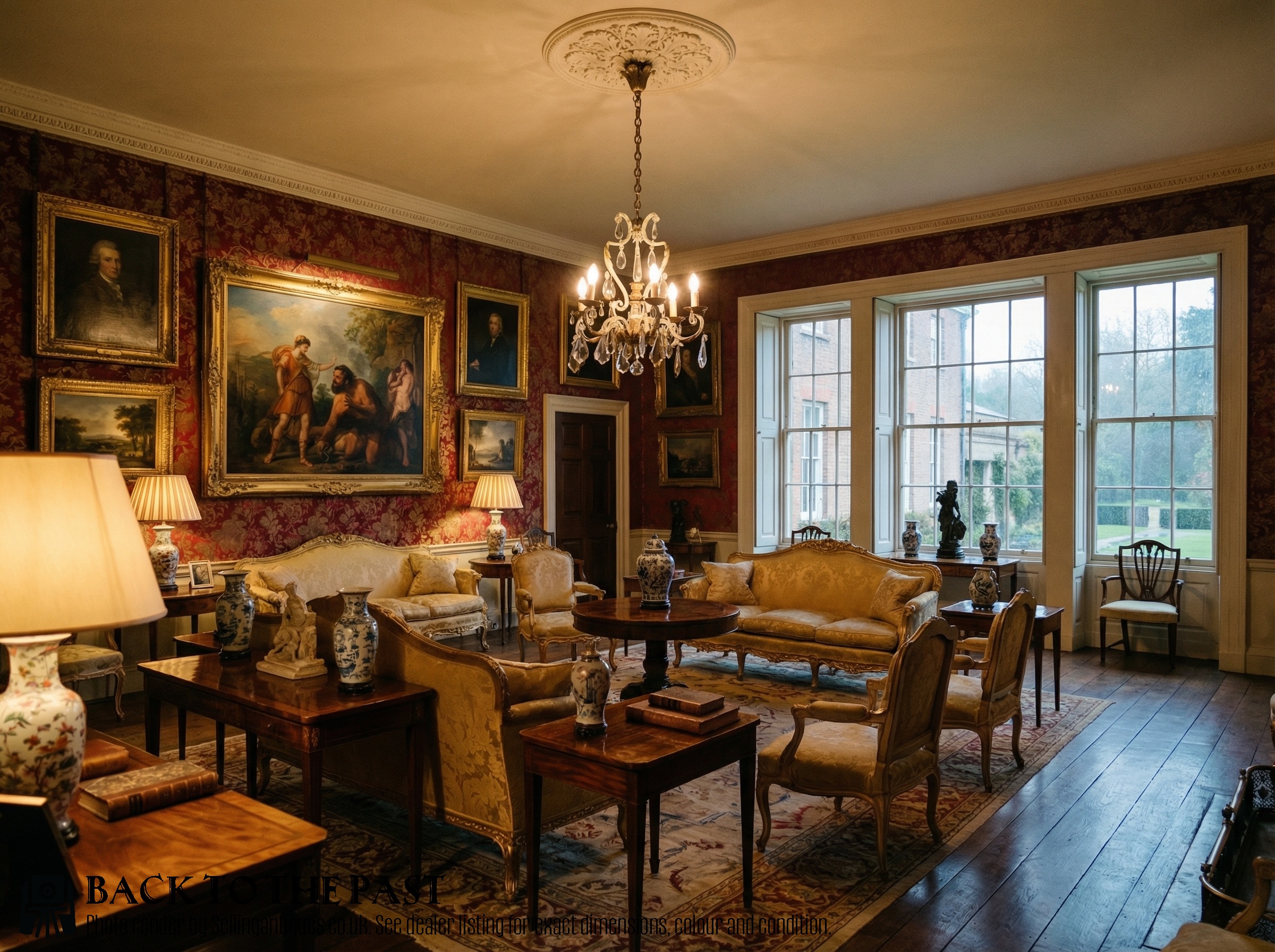
Wrought Iron Glass Chandelier
A wrought iron glass chandelier combines forged metal frameworks with glass elements, forming substantial overhead lighting suited to period interiors. Buyers seeking these fixtures encounter French chateau, Art Nouveau, and Arts & Crafts designs spanning from the Victorian era through the mid-twentieth century.
The selections on this page range from early hall lanterns once lit by candles to multi-branch ceiling lights hung with coloured crystal fruits or frosted glass shades. French provincial and Italian Florentine forms appear frequently alongside industrial steel downlighters and decorative cage chandeliers.
How they were made
The structural framework relies on hand-forged wrought iron or steel, shaped into scrolls, branches, and lanterns by blacksmiths and metalworkers. Gilt metal details and polychrome finishes frequently accent the dark iron surfaces.
Lighting elements incorporate blown, cut, frosted, and pate de verre art glass, alongside crystal drops and coloured glass fruits. Specialised glassworks such as Muller Freres and Verrerie des Vosges provided the specialised shades and drops suspended from the metal frames.
Materials documented across the inventory include wrought iron, steel, frosted glass, crystal, and pate de verre art glass.
What varies in quality
The distinction between standard and superior pieces rests upon the finesse of the ironwork and the artistic merit of the glass components. Master blacksmiths achieved fluid, organic movement in the forged iron, whereas lesser examples display rigid and uniform machine bending.
Signed glass elements from noted makers elevate a fixture above anonymous commercial production. The depth of colour in pate de verre or the precision of hand-cut crystal drops similarly marks the upper tier of execution.
Verrerie Des Vosges·Muller Freres
The Wrought Iron Glass Chandelier Glossary
- Wrought iron
- A tough, malleable form of iron suitable for hand-forging into decorative architectural hardware and lighting. Smiths heat and beat the metal to create visible hammer marks and organic curves.
- Pate de verre
- A glass-making technique involving crushed glass packed into a mould and fused in a kiln. This process yields richly textured, translucent panels with mottled colour effects.
- Hall lantern
- An enclosed ceiling fixture designed specifically for narrow entrance spaces and stairwells. Early versions utilised candles before converting to gas and electric illumination.
- Cage chandelier
- A lighting form where the metal frame encloses the central stem and arms within an openwork structure. Crystal drops often drape across the iron bars to amplify the light reflection.
Wrought Iron Glass Chandelier: Frequently Asked Questions
How do I clean a glass and iron chandelier?
Dust the iron framework regularly with a soft, dry cloth to prevent grime accumulation. Remove glass drops and shades periodically for gentle washing in warm soapy water.
Dry each glass piece thoroughly before reattachment to protect any original wiring or metal fittings from moisture damage. Avoid harsh chemical cleaners that might strip polychrome or gilt finishes on the iron.
Can these antique lights use modern bulbs?
Most antique fixtures accommodate contemporary SES or GES screw bulbs once inspected by a qualified electrician. Rewiring is often necessary to meet current safety standards.
Low-wattage LED alternatives replicate the warm glow of early candles or carbon filament lamps without generating excessive heat. Consult a professional to ensure the internal sockets match modern voltage requirements.
Where should I hang a hall lantern?
Hall lanterns suit entranceways, landings, and high-ceilinged corridors where vertical clearance allows proper suspension. Their enclosed designs protect the light source from drafts in transitional spaces.
Ensure the hanging height permits comfortable passage underneath while positioning the fixture to cast adequate light across the threshold.