



Antique Style Gilt Mirror
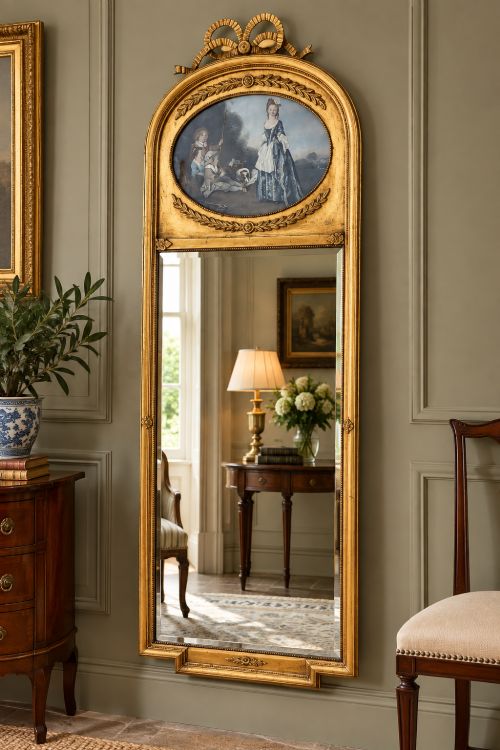
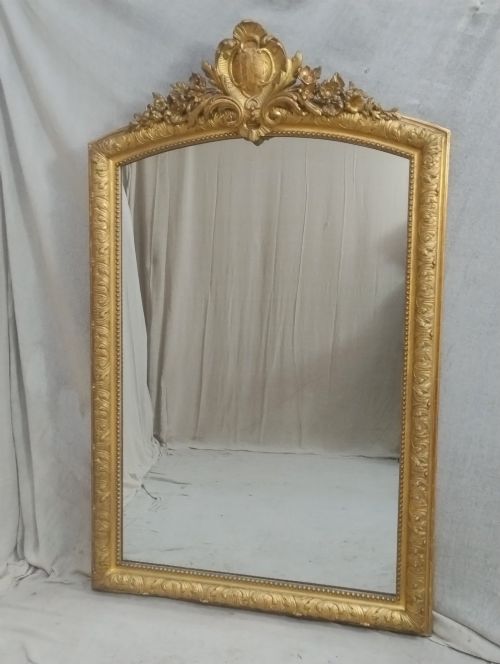
An antique style gilt mirror brings warmth and reflective depth to a room through centuries-old designs executed in carved wood, gesso, and gold leaf.
Antique Style Gilt Mirror
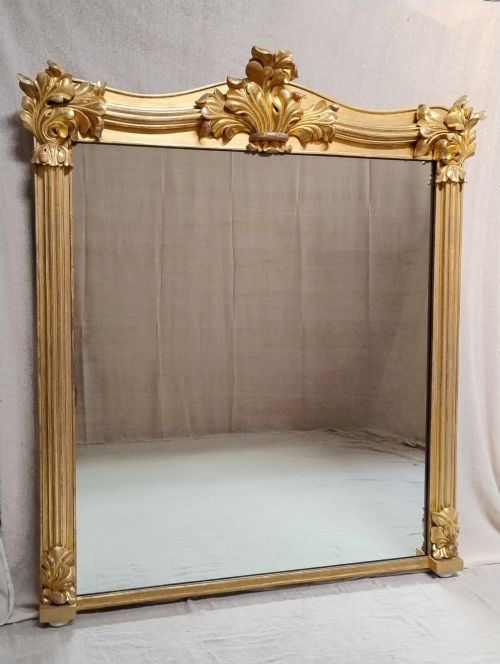
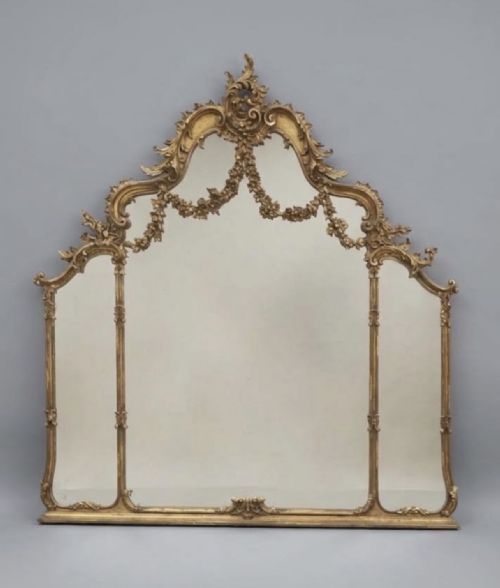
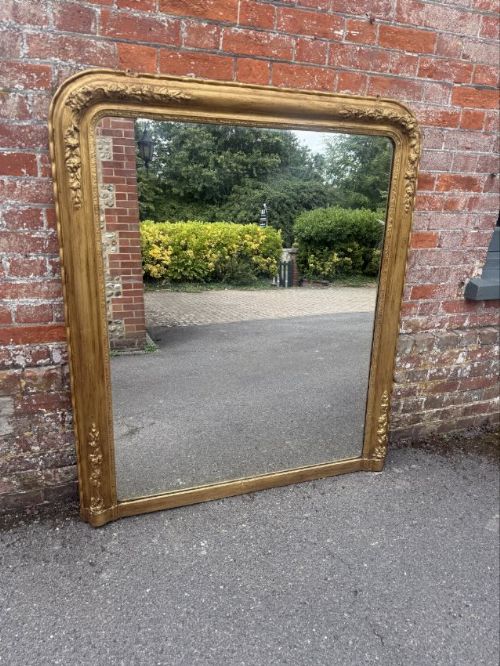
The category encompasses decorative reflective pieces designed in historical aesthetics, predominantly originating from the nineteenth and early twentieth centuries alongside earlier Georgian and eighteenth-century examples. Wall mirrors and substantial overmantle mirrors dominate the selection, frequently featuring architectural proportions intended to sit above fireplaces or serve as focal points in reception rooms.
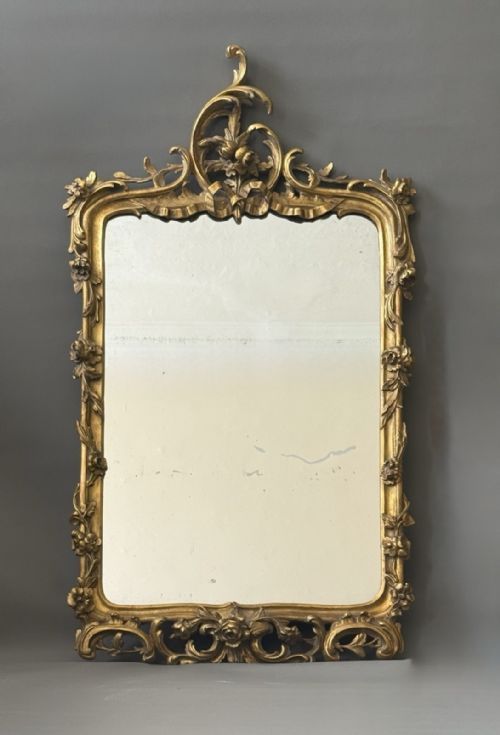
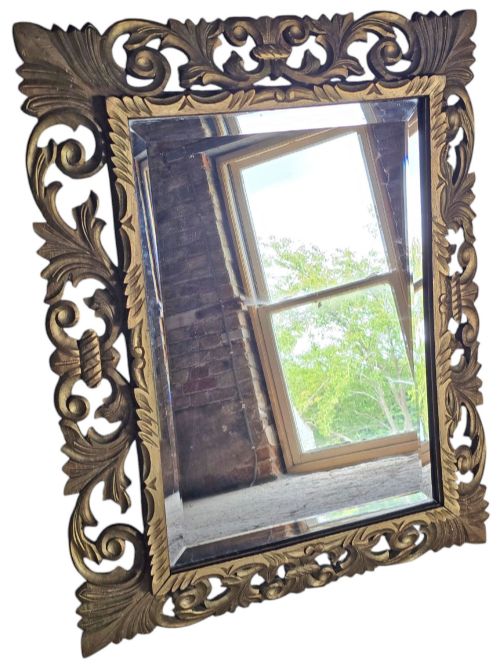
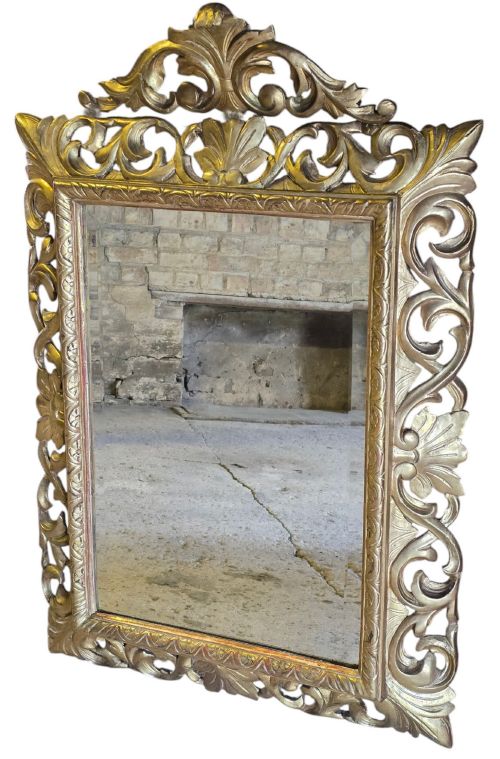
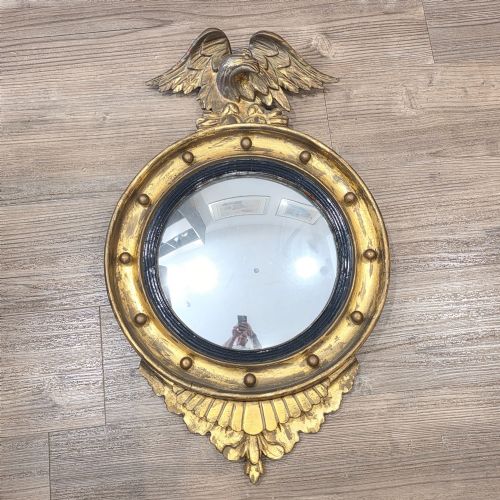
Makers and artisans channel diverse regional traditions, from ornate Florentine and French Rococo creations to restrained Regency and Adam style formats. Buyers encounter everything from tall leaner mirrors and convex circular glasses with eagle surmounts to twin-arm girandoles fitted with candle sconces.
Materials and construction methods
Frames rely on timber carcases carved from woods such as pine, walnut, or mahogany, which provide the structural foundation for intricate decorative schemes. Artisans apply layers of gesso - a chalk and glue mixture - over the wood to build up relief details, ribbons, and foliate scrolls before final gilding.
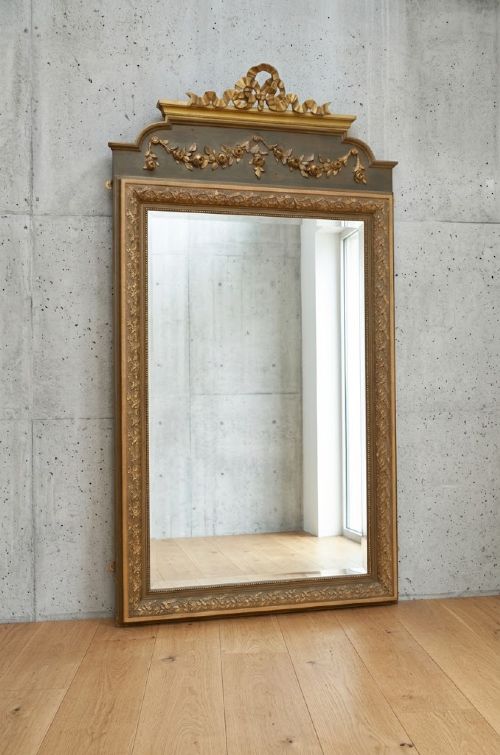
Finishes utilise genuine gold leaf or composition metal applied by hand, sometimes paired with painted elements or olive green accents. Reflective surfaces range from modern bevelled mirror plates to historic mercury glass showing characteristic foxing and age spots.
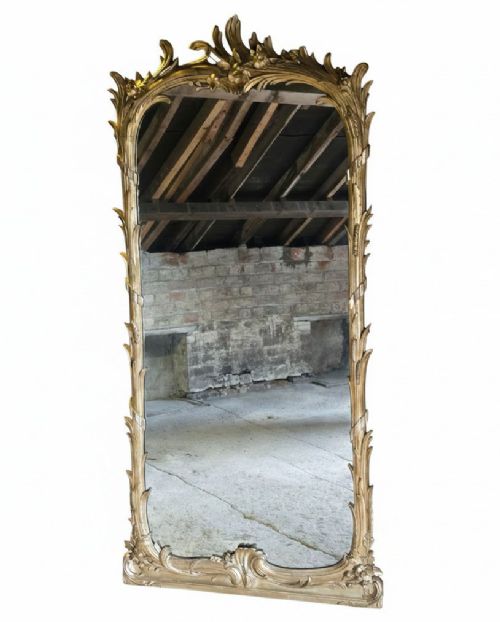
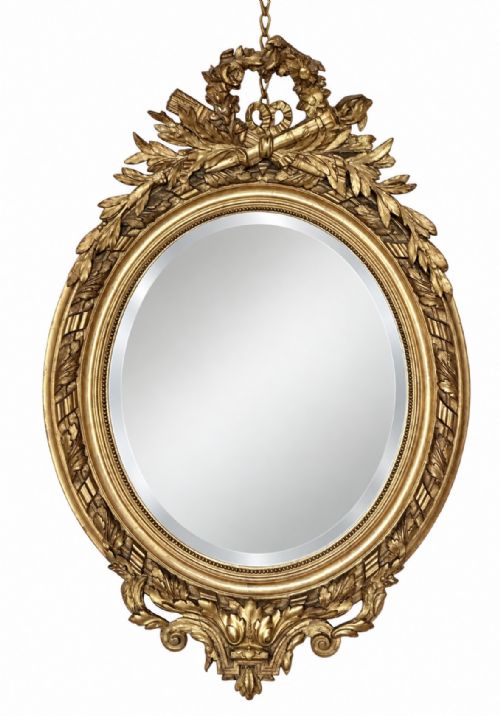
Listings span the 18th, 19th, and early 20th centuries, uniting Victorian, Regency, and French Rococo Revival styles in wood, gesso, and giltwood.
Distinguishing quality across the range
Depth and crispness of hand-carved woodwork separate superior frames from simpler moulded composition alternatives, as skilled carving retains sharp undercut details in floral garlands and scrollwork. The integration between the original timber frame, gesso layers, and gilding determines the structural integrity and visual harmony of the piece.
The character of the glass plate itself influences desirability, with period mercury plates and hand-bevelled edges offering distinct light refraction compared to standard replacement mirror glass. Preservation of the original gilding surface, without excessive overpainting or loss, dictates the historical standing of the object.
The Antique Style Gilt Mirror Glossary
- Gesso
- A plaster-like preparation applied to wood frames to create a smooth surface for carving and gilding. This mixture allows artisans to model fine decorative relief work.
- Overmantle mirror
- A large horizontal looking glass traditionally hung above a fireplace mantelpiece. These pieces often feature arched tops to match architectural chimney breasts.
- Girandole
- A decorative wall mirror fitted with attached candle sconces or arms. The reflective glass amplifies the candlelight within the room.
- Convex mirror
- A circular looking glass with a curved, bulging surface that provides a wide-angle reflection of the interior space. They frequently incorporate eagle surmounts at the apex.
- Foxing
- Age-related spots and discolouration within the silver backing of historic mirror plates. This natural oxidation process creates a mottled appearance cherished by collectors.
Antique Style Gilt Mirror: Frequently Asked Questions
How do I hang a heavy overmantle mirror safely?
Substantial frames require fixing directly into wall studs or masonry using heavy-duty brackets suited to the weight of the timber and gesso construction. Professional installation ensures the piece remains secure against the vertical pull of large wall hangings.
Positioning the glass at the correct height above a mantelpiece or console table balances the visual proportions of the surrounding room.
What is the difference between giltwood and composition frames?
Giltwood frames feature solid timber that has been hand-carved by craftsmen before the application of gold leaf. This method produces deep relief and organic variation in the decorative motifs.
Composition frames utilise moulded paste pressed onto a wooden core to replicate intricate ornamentation at a different scale of production.
Why do some antique mirrors have dark spots?
Dark spots and clouding, known as foxing, occur when moisture reacts with the silver or mercury backing behind the glass over decades of use. This oxidation is a natural sign of age rather than a structural defect.
Many collectors prize genuine foxed plates for the authentic historic character they impart to the reflection.
How should I clean an antique gilt frame?
Dusting requires a soft, dry brush to remove particles from delicate carved gesso and gold leaf without causing abrasion. Liquid cleaners and chemical solvents must be avoided entirely to prevent stripping the delicate metallic finish.
Preserving the dry surface patina maintains the visual integrity of nineteenth-century and earlier gilding.