





Antique Style Floor Carpet
An antique style floor carpet brings enduring Persian and tribal character into a room through rich wool and traditional patterns.
Antique Style Floor Carpet
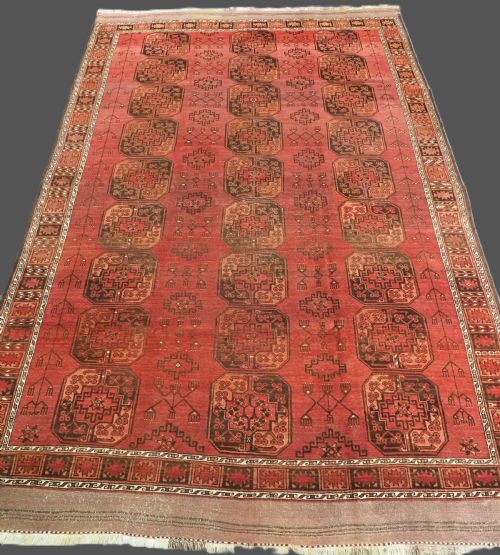
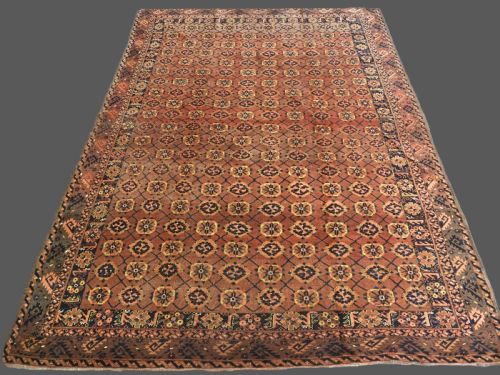
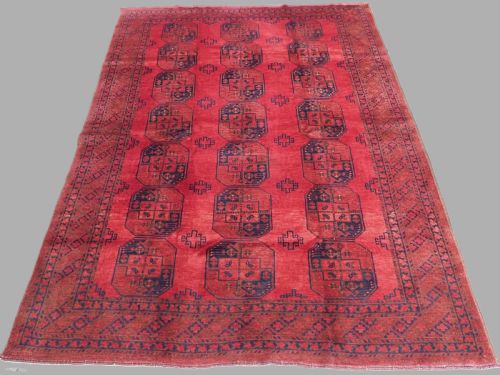
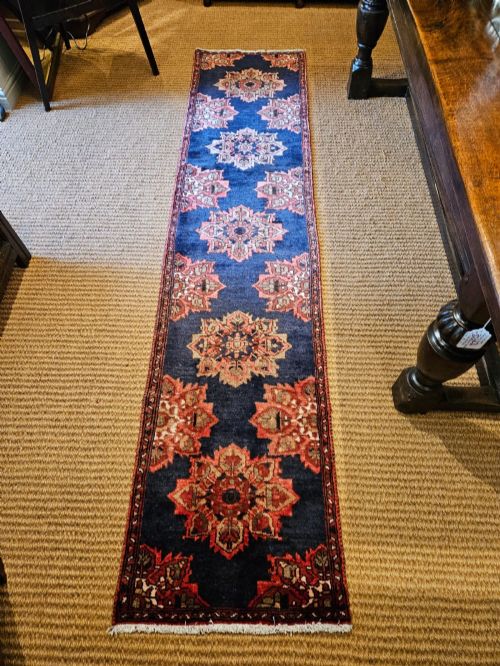
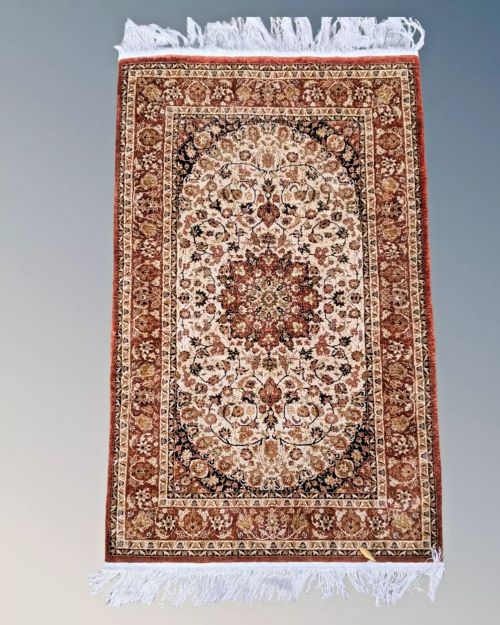
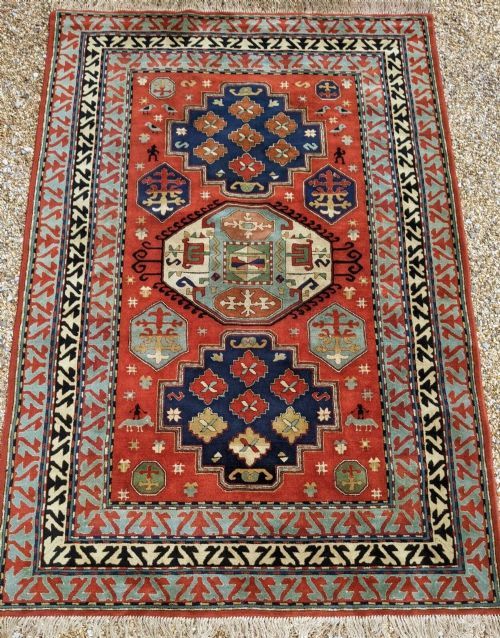
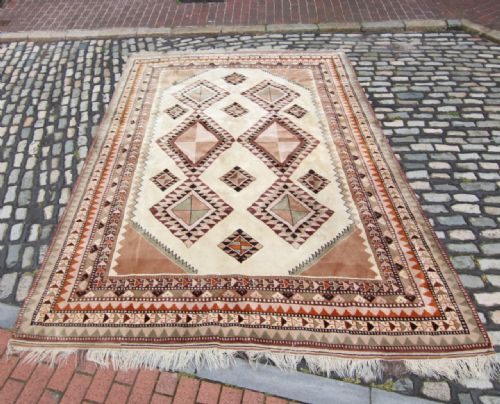
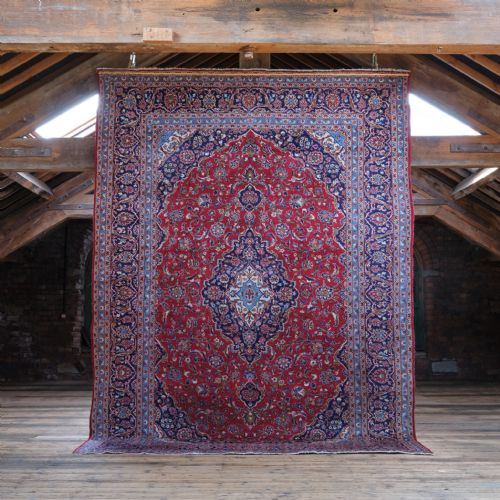
An antique style floor carpet encompasses hand-knotted room-sized coverings, smaller area rugs, and narrow hallway runners originating from traditional weaving regions. These textiles range from Persian Heriz and Karaja carpets to Turkmen tribal pieces and Caucasian designs.
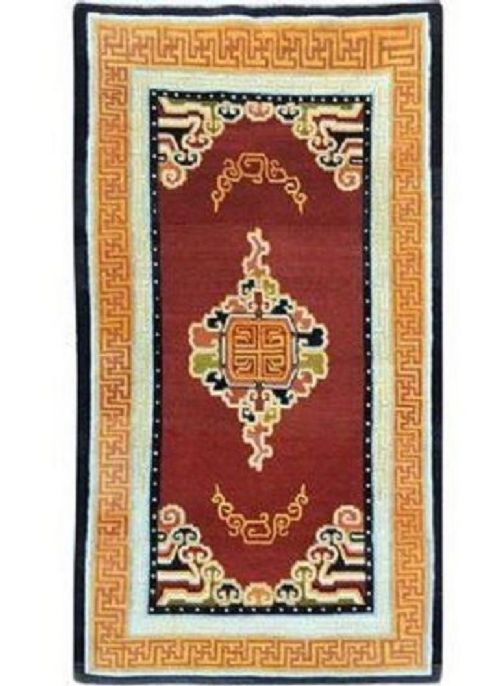
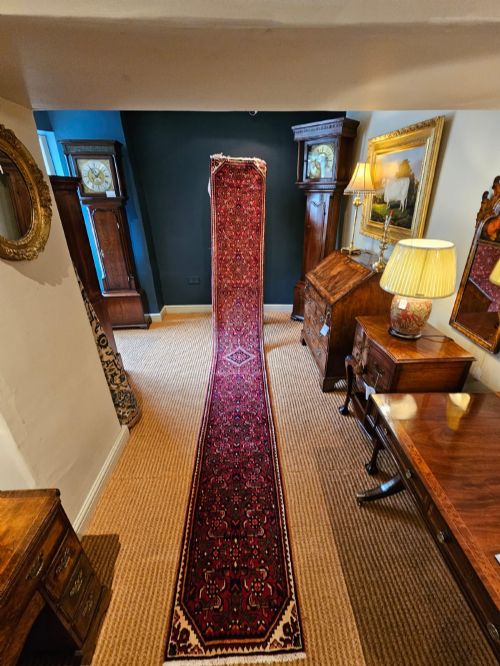
Buyers seeking this category will frequently encounter vintage and antique Persian rugs alongside Afghan, Turkish, and Chinese Art Deco variations. Forms vary from large carpets measuring over four metres to long runners suited for hallways.
Materials and construction methods
These floor coverings rely heavily on wool and cotton foundations, utilising hand-spun wool and hand-knotted techniques to build dense, durable piles. Artisans construct the carpets using traditional knotting methods that secure the yarn firmly to the warp and weft threads.
The materials determine both the weight and flexibility of each piece, with hand-knotted wool providing resilience under foot traffic. Cotton is frequently utilised for the foundational grid supporting the wool pile.
Listings feature wool, cotton, and hand-spun wool across periods ranging from the eighteen-eighties to the nineteen-forties.
Assessing quality in floor carpets
Quality rests in the precision of the knotting, the handling of the wool, and the integrity of the structural foundation. Tighter knots allow for sharper definition within geometric and floral motifs.
The choice of materials also dictates longevity, as hand-spun wool retains natural lanolin that resists wear and maintains colour depth. Evenness of pile and stability along the edges distinguish finer examples from standard village weaves.
The Antique Style Floor Carpet Glossary
- Heriz
- A Persian carpet style known for large geometric medallions and robust, durable wool construction. These pieces originate from the Heris district in North-West Persia.
- Kelleh
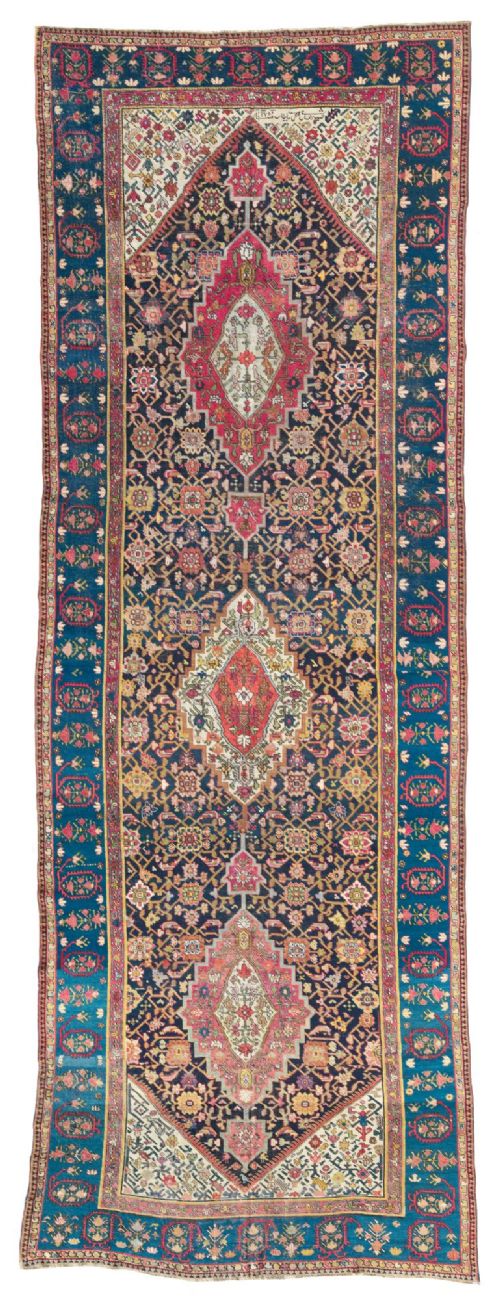
- A long, narrow format carpet traditionally used in Persian rooms alongside larger central carpets. This shape suits rectangular spaces and corridors.
- Runner
- A long, narrow carpet designed specifically for hallways and passages. Dimensions typically prioritise length over width.
- Pile
- The upright yarn loops that form the usable surface of a carpet. The density and height of this wool layer define the texture.
Antique Style Floor Carpet: Frequently Asked Questions
How do I clean an old wool carpet?
Gentle vacuuming without a rotating brush prevents damage to the wool pile. Professional specialist cleaning remains necessary for deeper maintenance.
Harsh detergents and excessive water warp the natural fibres and weaken the cotton foundation. Regular shaking outdoors removes loose dirt trapped within the weave.
Where should I place a runner rug?
Narrow runners fit well in hallways, corridors, and galley kitchens where floor space is restricted. They protect high-traffic wooden flooring while adding pattern.
Ensure the dimensions leave a consistent border of exposed floor around the perimeter. Using a non-slip underlay keeps the carpet flat and stable.
What is the difference between a rug and a carpet?
Carpets generally describe larger floor coverings that span significant portions of a room. Rugs often refer to smaller or medium-sized portable textiles.
Both terms describe woven floor pieces, but historical dimensions usually separate the two categories. Regional naming conventions also influence how makers labelled them.
How do I identify a tribal design?
Tribal designs display geometric motifs, repeating medallions, and abstract animal or plant symbols. Weavers created these patterns from memory rather than formal drawn cartoons.
Ersari, Turkmen, and Caucasian styles showcase distinct regional palettes and symbols. These designs reflect the cultural heritage of the nomadic groups who knotted them.