
Antique Style Dressing Table
An antique style dressing table brings period character and practical surface space into a bedroom, spanning revival designs from Queen Anne to Art Deco.
Antique Style Dressing Table
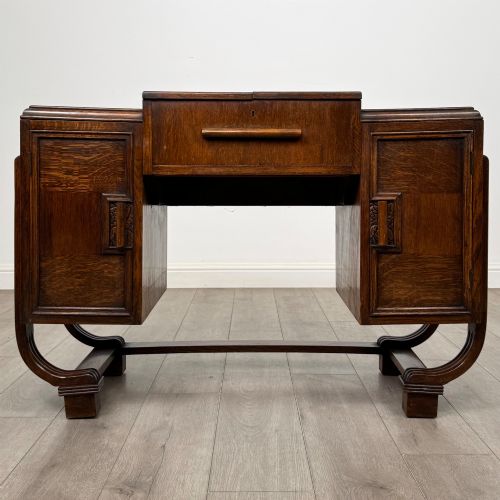
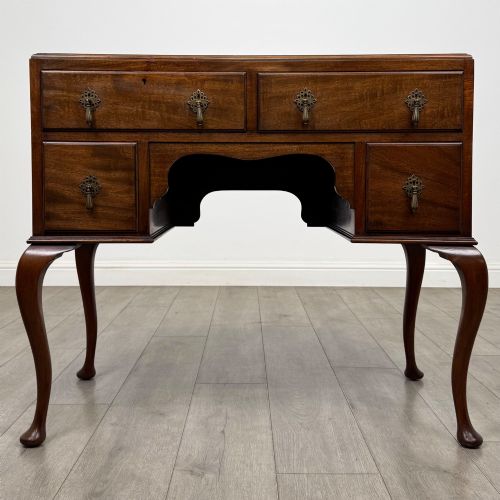
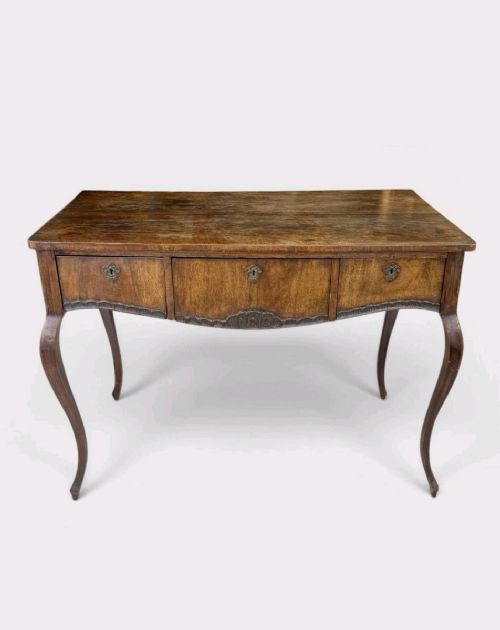
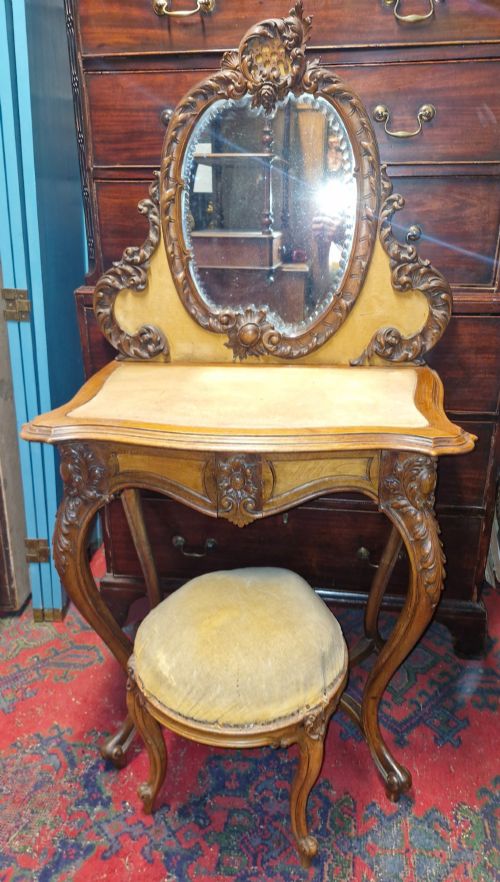
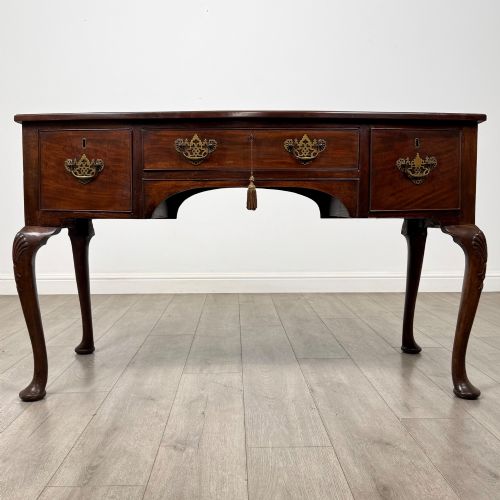
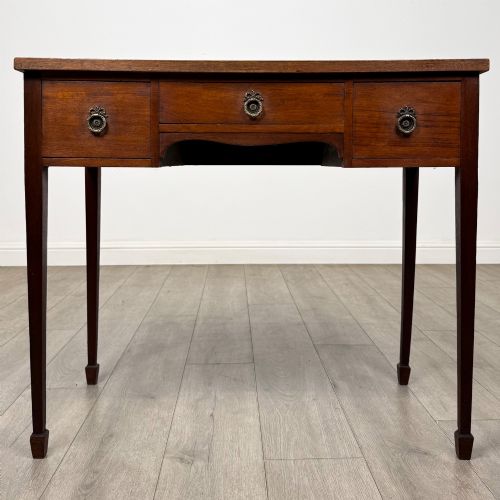
When searching for an antique style dressing table, buyers encounter a mix of genuine Victorian and Edwardian pieces alongside later revival furniture created in the early twentieth century. The selection ranges from large pedestal dressing tables with triple mirrors to compact walnut lowboys and kidney-shaped tables.
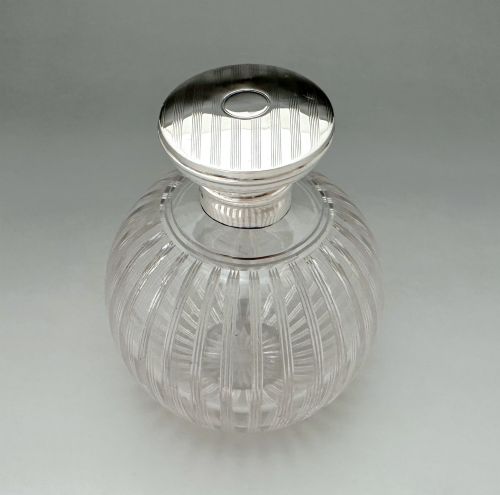
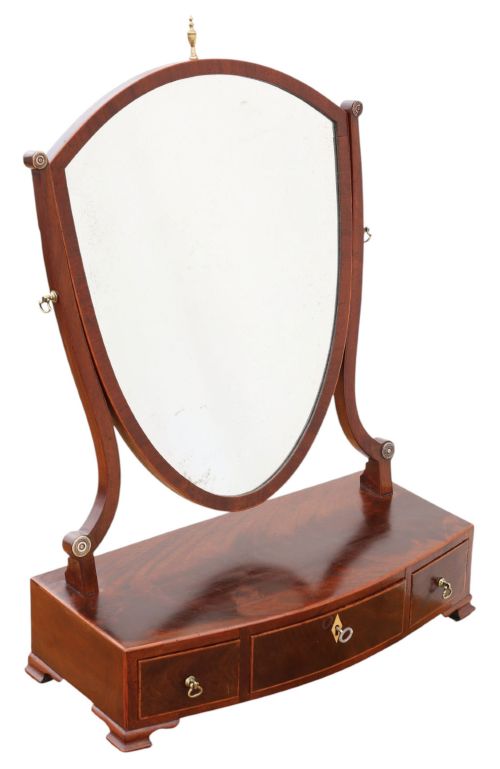
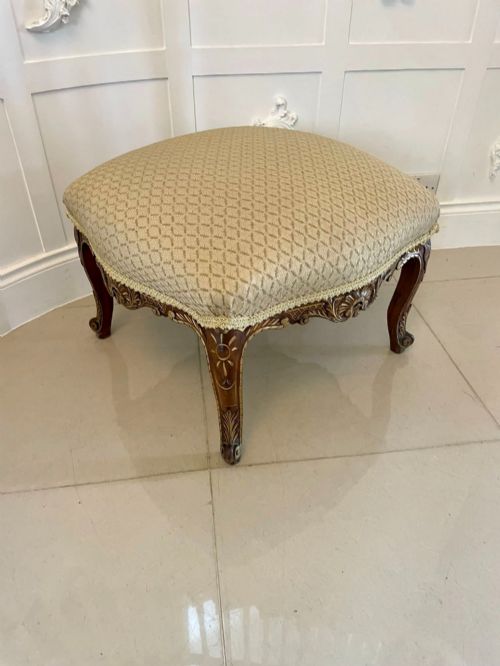
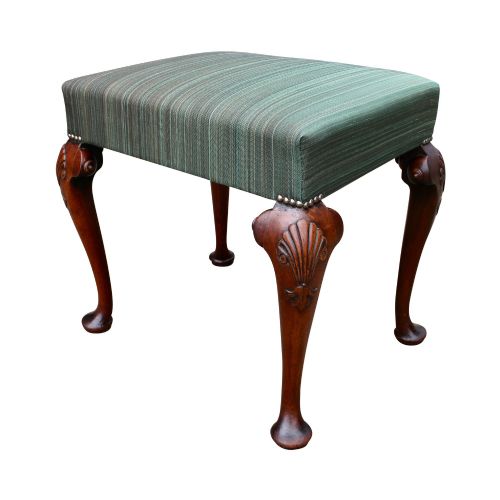
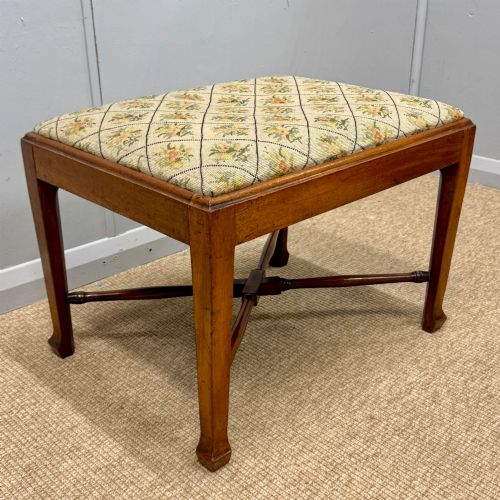
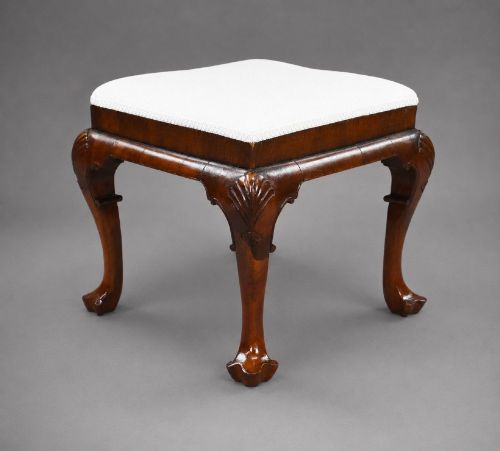
Most examples date from the nineteenth and early twentieth centuries, drawing heavily on Georgian, Queen Anne and Art Deco design vocabularies. Alongside the primary tables, the inventory frequently includes matching stools, footstools and dressing table mirrors in matching timbers.
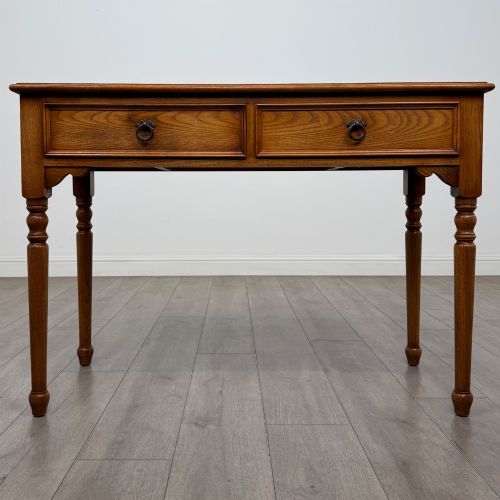
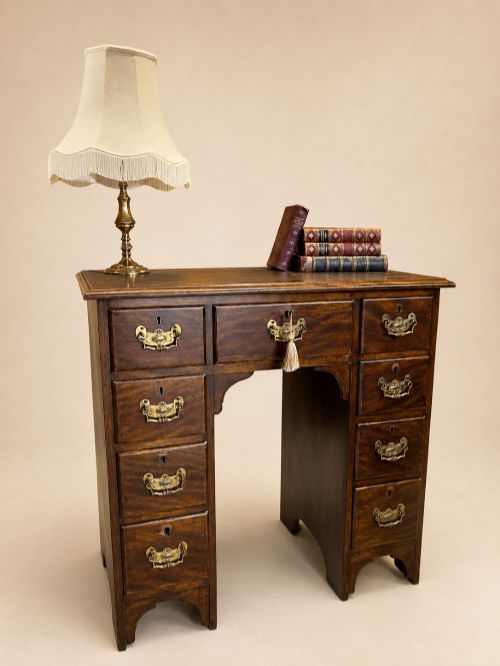
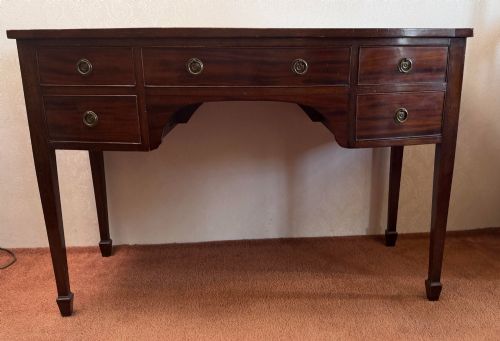
Makers and designers of these vanity tables utilised forms such as kneehole desks, side tables and bureau dressing units. The most common versions met on this page combine functional drawer arrangements with period revival styling.
How they were made
Cabinet makers constructed these dressing tables primarily using solid and veneered timbers, with mahogany and walnut forming the backbone of traditional and revival pieces. Burr walnut and burr elm frequently appear on drawer fronts and top surfaces to create decorative grain patterns.
Secondary details involve brass handles, ormolu mounts, and inset writing surfaces of green tooled leather or fabric. Carved walnut elements, cabriole legs and gilt highlights demonstrate the prevailing craftsmanship of the nineteenth and Edwardian periods.
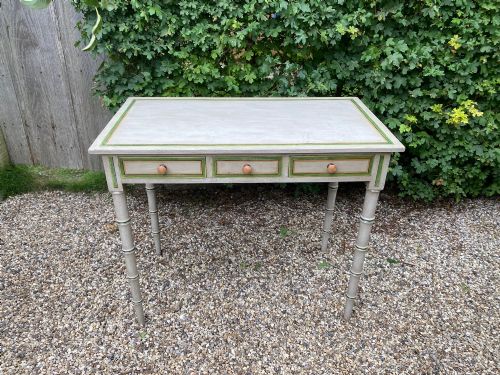
A surprising number of nineteenth-century pieces incorporate faux-bamboo turned woodwork alongside exotic maple and lacquer.
What varies in quality
The standard of an antique style dressing table depends on the selection of timber veneers and the crispness of carved details like cabriole legs. Superior pieces employ matched burr walnut or figured mahogany across the entire surface rather than plain secondary woods.
Construction methods determine durability, visible in the precision of drawer dovetails and the integration of original mirrors and hardware. Higher grade examples retain their matching stools and original glass, whereas altered or later assembled pieces lack historical cohesion.
Maples of London and Paris·Wylie and Lochhead Glasgow·Liberty and Company
The Antique Style Dressing Table Glossary
- Cabriole leg
- A furniture leg that bends outward and then tapers inward, commonly found on Queen Anne and revival dressing tables. This profile originates from ancient Chinese designs and gained popularity in European furniture during the eighteenth century.
- Kneehole desk
- A writing table or dressing table featuring a central recess for the user's legs, flanked by pedestals of small drawers. This compact arrangement maximises storage while maintaining a manageable footprint.
- Lowboy
- A small dressing table or side table with one or more rows of drawers, standing on relatively tall legs. They typically date from the eighteenth century through to revival periods in walnut and mahogany.
- Ormolu
- Gilded bronze mounts applied to furniture for decorative effect, frequently seen on French Empire and revival dressing tables. The technique involves coating base metal with a mercury and gold amalgam.
- Burr walnut
- A prized timber veneer obtained from the growth excrescences on walnut trees, yielding highly swirling patterns. Cabinet makers utilised this figure on prominent surfaces like drawer fronts and table tops.
Antique Style Dressing Table: Frequently Asked Questions
How do I date an antique dressing table?
Dating relies on identifying the primary wood species, construction methods like dovetailing, and the stylistic vocabulary of the hardware and legs. Examining secondary timbers inside the drawers also reveals clues regarding the manufacturing era.
Revival pieces often imitate earlier Georgian or Queen Anne aesthetics, so checking the interior structure helps separate nineteenth-century originals from twentieth-century interpretations.
What is the difference between a dressing table and a writing desk?
Dressing tables typically incorporate mirrors, smaller compartments for cosmetics, and sometimes a matching stool. Writing desks focus primarily on a flat surface and knee clearance for paperwork.
Many antique forms cross boundaries, with kneehole tables serving dual purposes depending on whether a mirror rests upon the top.
Are dressing table mirrors original?
Mirrors on older furniture frequently suffered damage or replacement over decades of use. Original mirrors often display slight foxing, silver degradation, or bevelled edges consistent with the period of the base table.
Matching the wood frame and fixing brackets to the style of the dressing table confirms whether the mirror belongs to the piece.
How do I care for a walnut dressing table?
Walnut timber benefits from stable indoor humidity away from direct sunlight and heat sources, which can dry out wood and crack veneers. Regular dusting with a soft, dry cloth preserves the polished finish.
Occasional application of appropriate furniture wax maintains the moisture balance of the timber without building up heavy residues.