
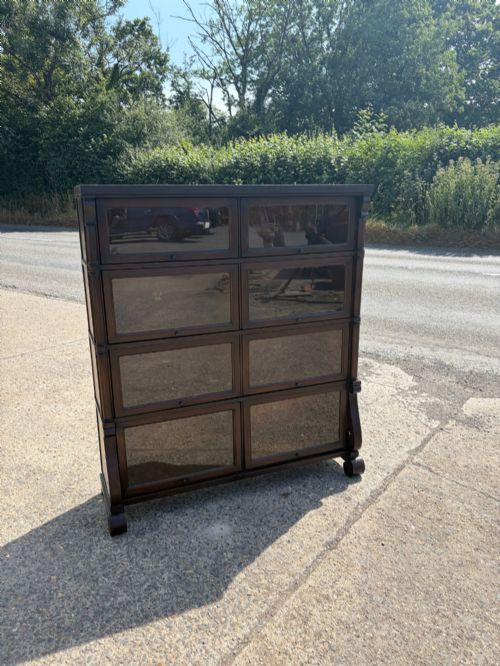
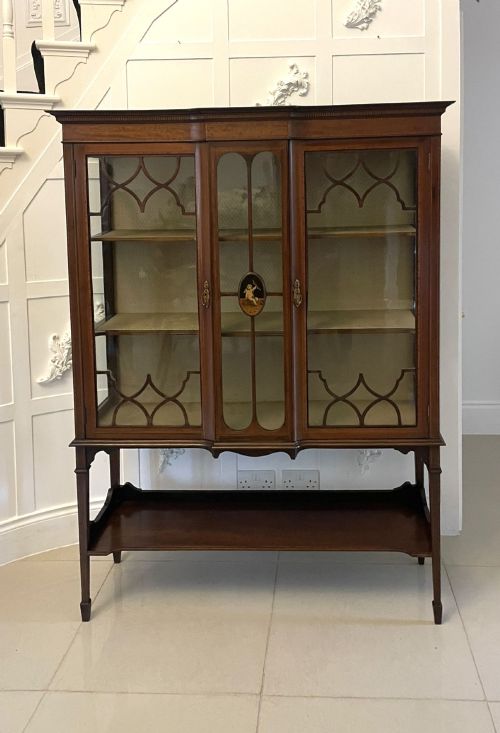
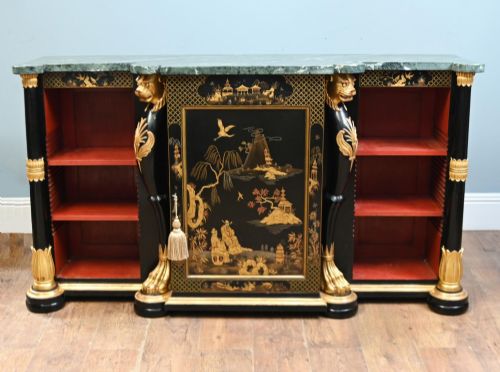
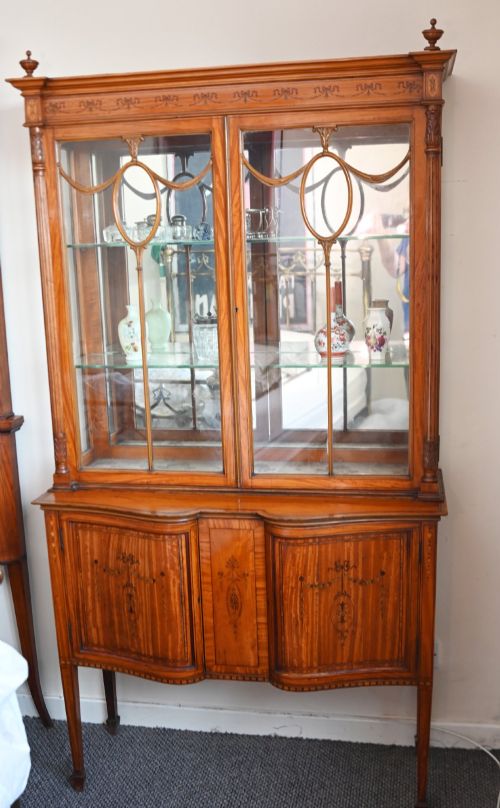
Antique Style Display Cabinet
An antique style display cabinet brings glazed elegance and timber warmth to any room, holding precious collections behind glass.
Antique Style Display Cabinet
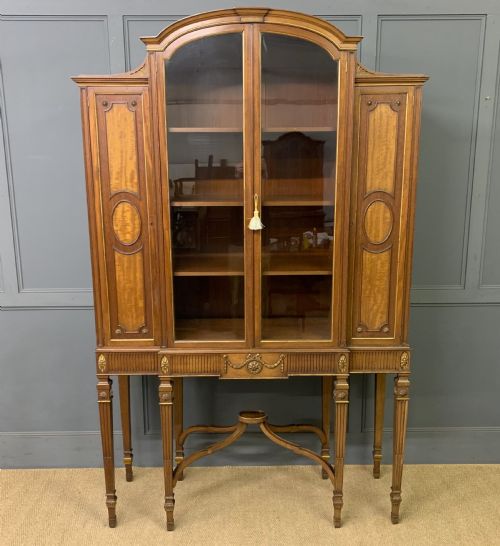
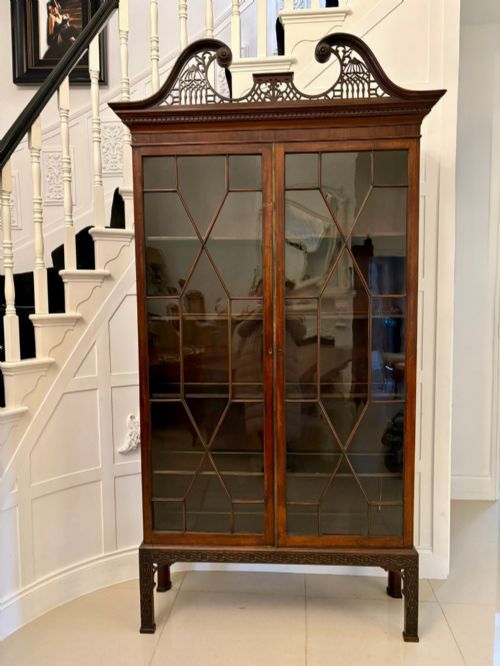
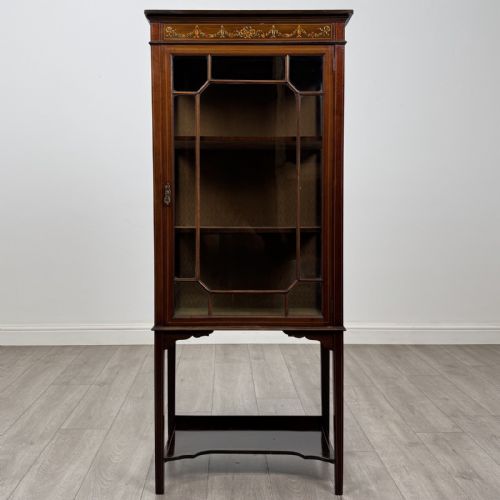
When searching for an antique style display cabinet, buyers encounter a variety of refined storage forms designed to showcase porcelain, books and curiosities. These pieces range from towering breakfront bookcases and serpentine corner vitrines to compact pier cabinets and wall-mounted cupboards.
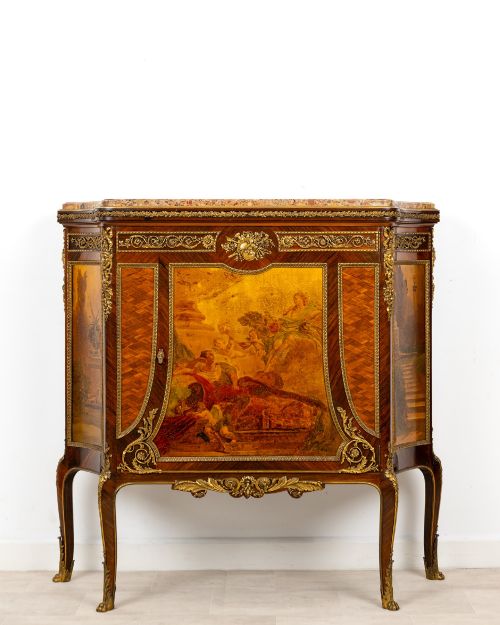
The selections span multiple periods and design revivals, drawing heavily on Victorian craftsmanship, Edwardian satinwood inlay, Georgian proportions and French continental influences. Most examples combine timber framing with expansive glass panels to keep contents visible while protecting them from dust.
Materials and construction
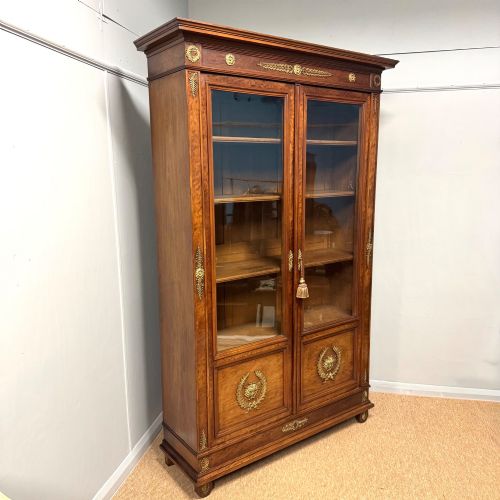
Cabinet makers utilised dense hardwoods such as mahogany, walnut, oak and satinwood, often applying fine veneers, banding and marquetry to create decorative exterior surfaces. Structural strength came from careful joinery, while brass hardware, ormolu mounts and marble tops added ornate weight and contrast to specific continental styles.
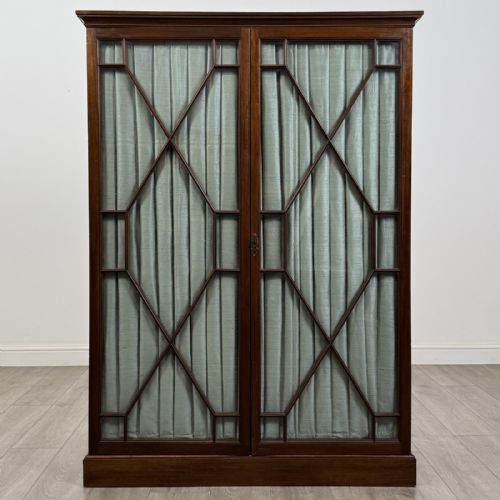
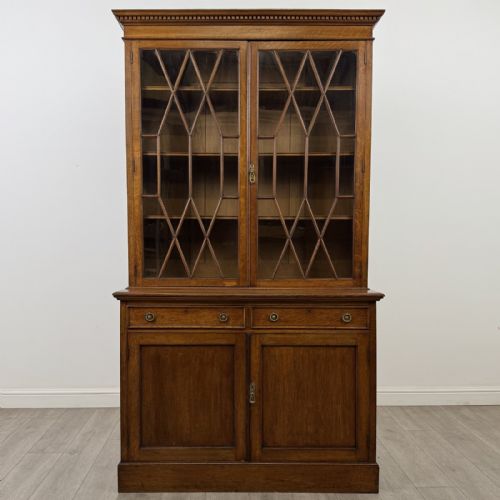
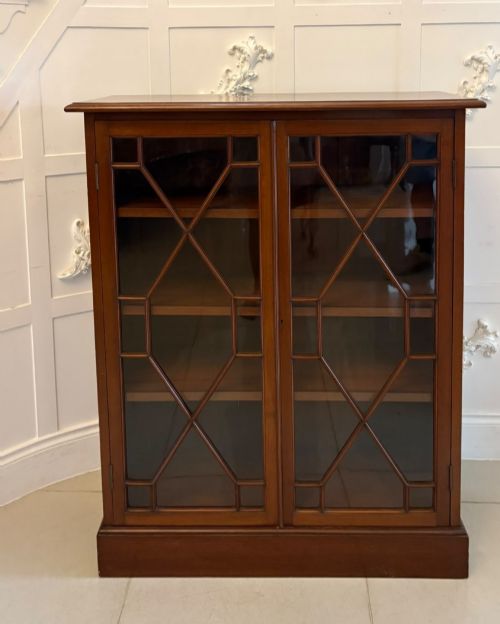
Glazing techniques defined the visual weight of these pieces, employing astral bars, leaded framing or large curved glass panes. Interior linings often featured fabric or painted decoration to frame the displayed objects against a contrasting backdrop.
Some nineteenth-century display cabinets were built with secret compartments cunningly hidden behind ornate carved panels for storing private letters.
Distinctions in execution
Quality separates standard production from exceptional studio work through the crispness of hand-carved details, the selection of figured wood veneers and the precision of the joinery. Superior pieces display harmonious proportions, substantial brass or ormolu mounts and intact original glass without distortion.
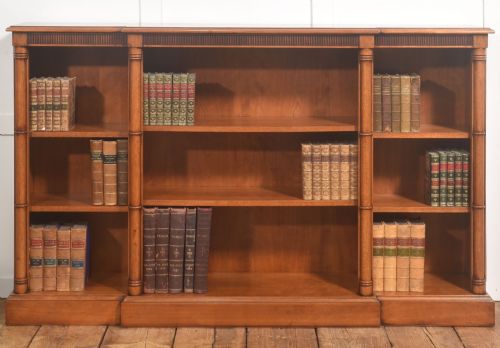
The sophistication of internal detailing, such as adjustable shelving, finely turned columns and hand-painted decoration, marks the difference between utilitarian storage and high-status cabinet work.
Gillows·Hille·Liberty
The Antique Style Display Cabinet Glossary
- Vitrine
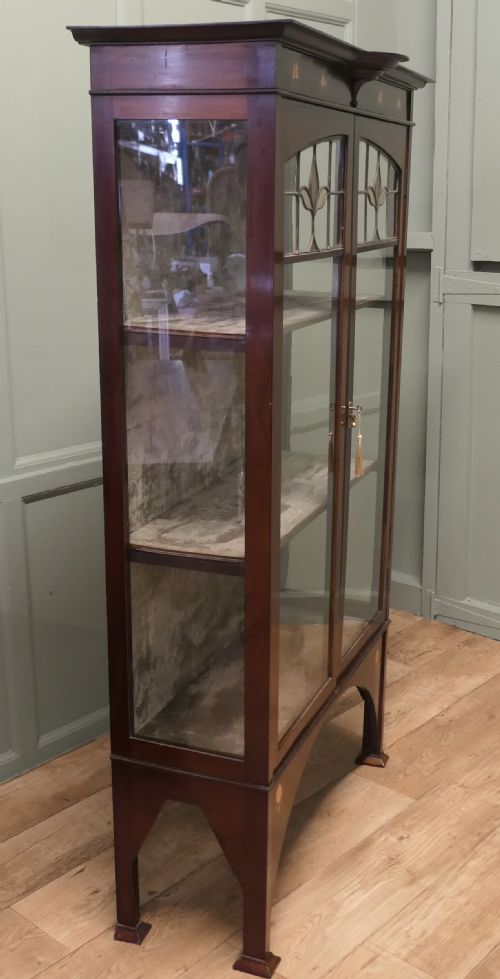
- A glass-fronted cabinet specifically designed for displaying fine porcelain, curiosities and objects d'art. These pieces often feature glazed sides to allow light from multiple angles.
- Breakfront
- A large cabinet or bookcase where the central section projects forward from the flanking wings. This architectural arrangement creates depth and visual rhythm across the facade.
- Astral glazing
- Cabinet doors divided into small glass panes by wooden framing bars known as astragals. This technique provides structural support while framing the contents.
- Ormolu
- Gilt bronze mounts applied to furniture for decorative effect, highly characteristic of French and high-status Victorian pieces. The technique involves applying a gold-mercury amalgam to bronze.
- Pier cabinet
- A narrow cabinet designed to fit the wall space between windows, typically featuring glass doors and a flat top. They were popular in Victorian interiors for displaying ceramics.
Antique Style Display Cabinet: Frequently Asked Questions
What is an antique style display cabinet used for?
These cabinets serve to safely exhibit collections of ceramics, glassware, books and precious ornaments while keeping them protected behind glass doors.
They function as both practical storage and decorative focal points within sitting rooms, libraries and dining spaces.
How do I identify a Victorian display cabinet?
Victorian examples often feature rich timber selections like burr walnut or mahogany, frequently enhanced with intricate carving, inlay work and gilt bronze mounts.
Many incorporate curved glass, mirrored backs and adjustable wooden shelving typical of mid-to-late nineteenth-century manufacturing methods.
What is the difference between a vitrine and a bookcase?
A vitrine is primarily built for displaying decorative objects and art pieces, featuring glass panels on both the front and sides to maximise light.
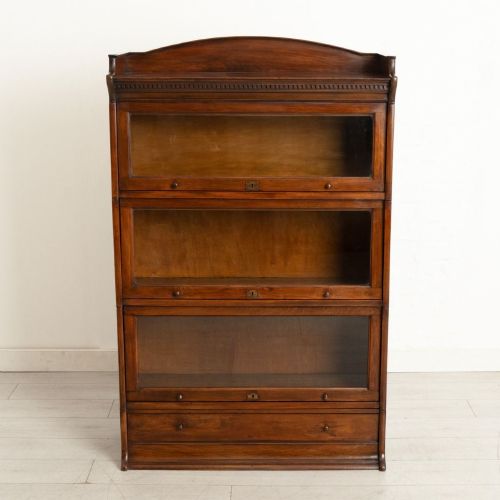
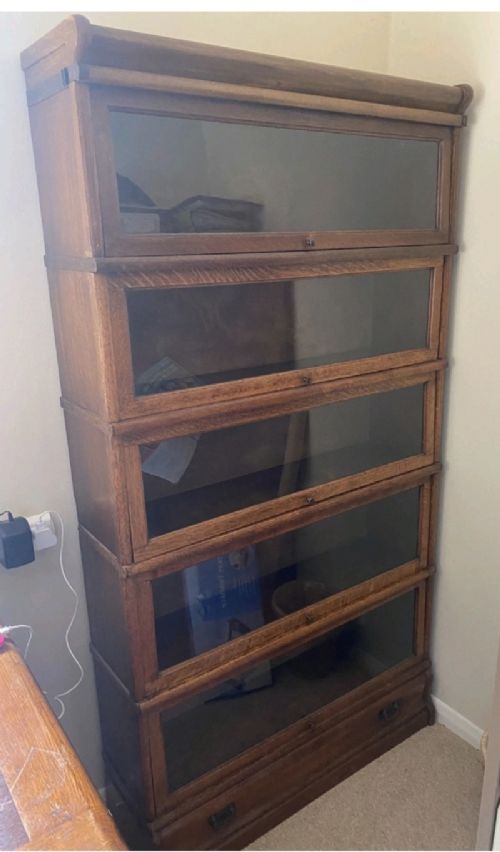
A bookcase focuses on storing volumes, traditionally featuring timber sides with wooden or glazed doors restricted mainly to the front elevation.
How do I care for timber display furniture?
Protect the wood and decorative surfaces by keeping cabinets away from direct sunlight and sudden changes in household temperature or humidity.
Clean the glass with gentle solutions and dust the timber frames regularly using a soft, dry cloth to preserve the finish.