

Antique Style Dining Seating
Antique style dining seating gathers family and guests around the table through enduring periods of design.
Antique Style Dining Seating
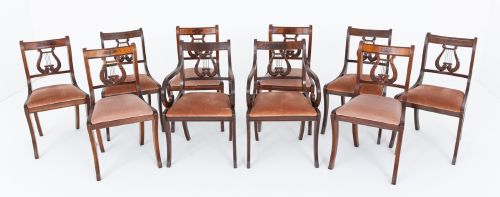
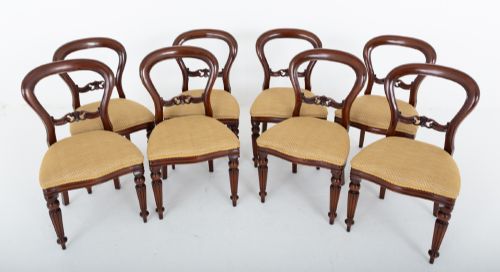
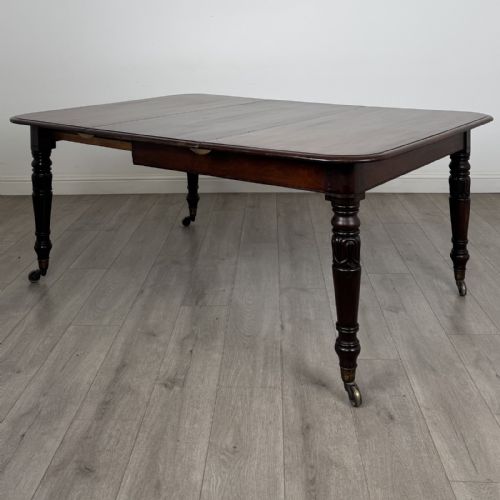
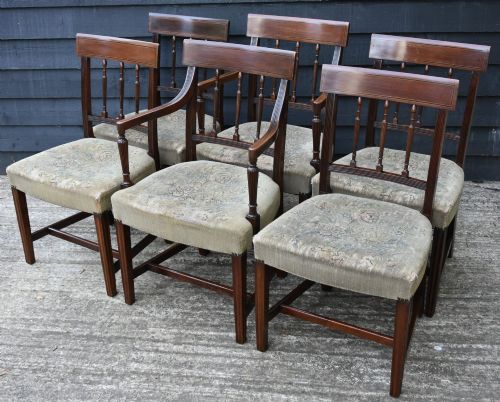
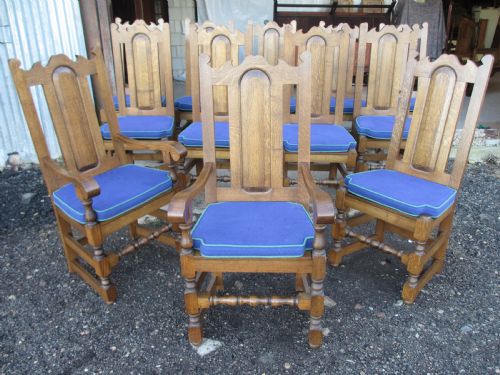
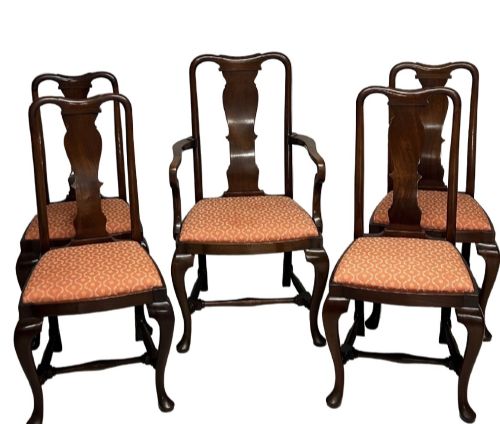
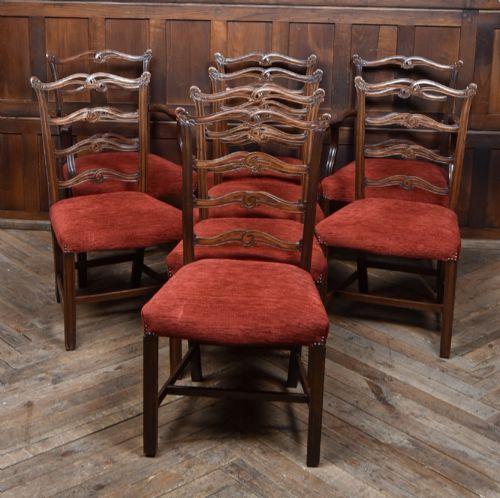
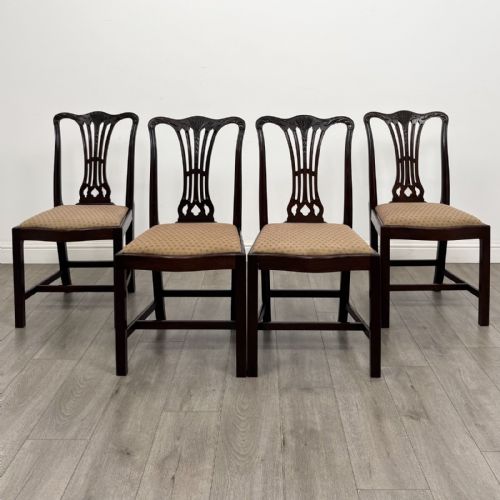
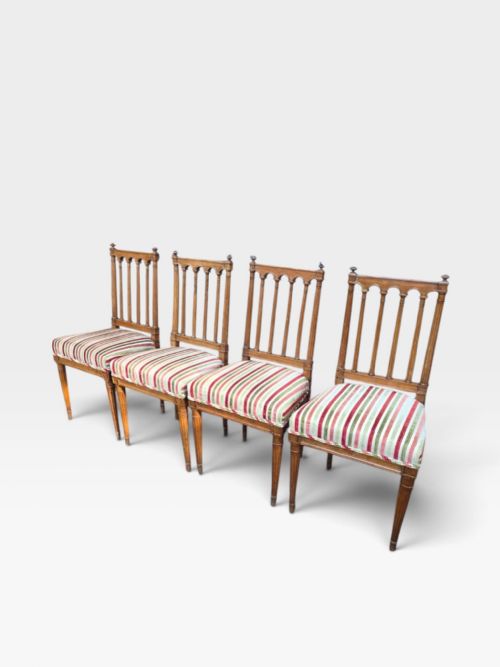
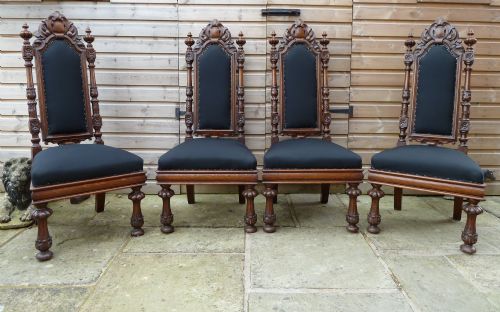
Antique style dining seating encompasses chairs, armchairs, benches, and tables drawn from the eighteenth, nineteenth, and early twentieth centuries. When searching for antique style dining seating, buyers encounter individual side chairs, carvers, and matched sets ranging from four to twelve pieces.
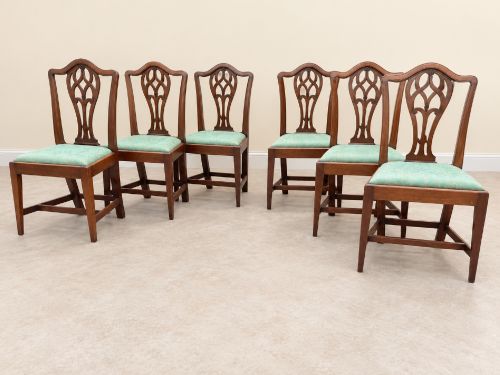
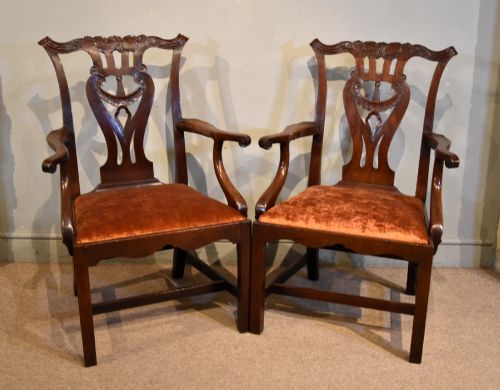
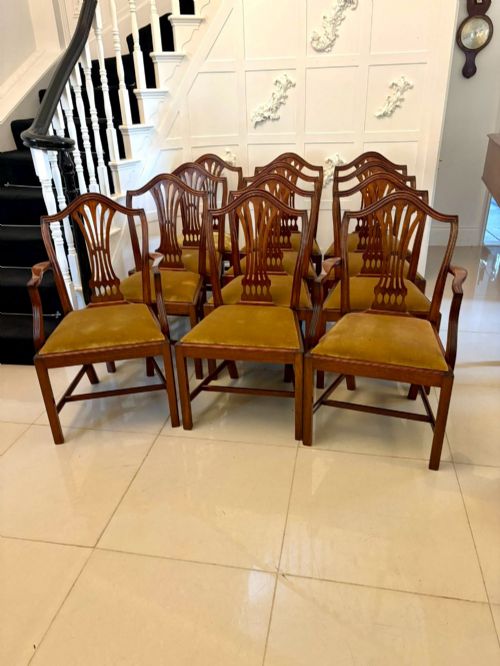
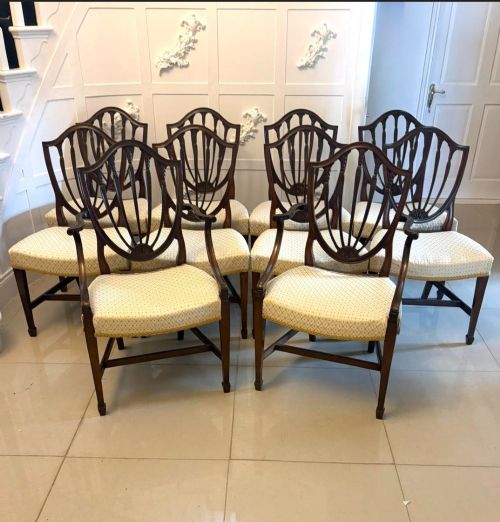
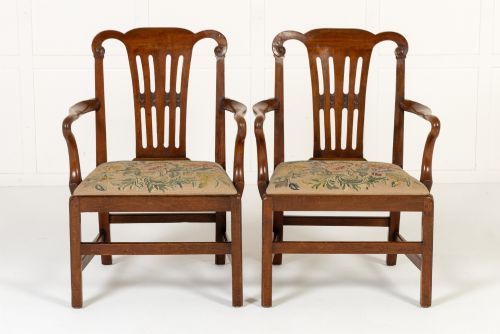
The selections span distinct historical movements including Georgian, Regency, Victorian, and Edwardian eras alongside revival aesthetics like Chippendale and Hepplewhite style. Sets frequently pair mahogany, oak, or walnut frames with upholstered seats in fabric, leather, or velvet.
Markers of Distinction
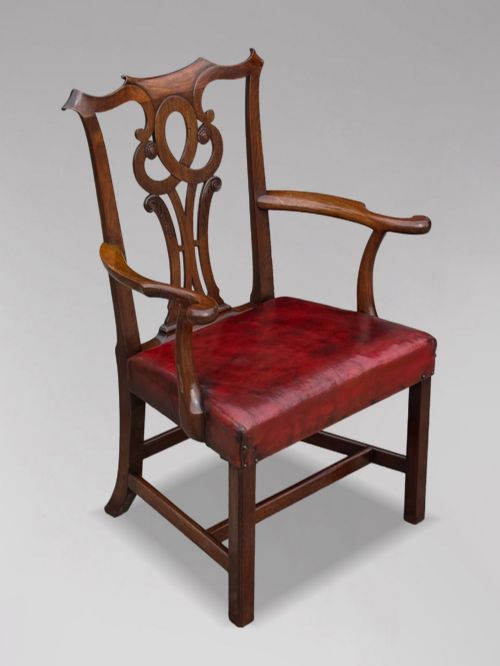
Distinction in these pieces rests upon the crispness of hand carving, the selection of figured timber veneers, and the integrity of original structural joints. Master workshops achieved harmonious proportions and fluid lines in elements like pierced splats and scroll arms, setting finer examples apart from simpler utilitarian output.
The preservation of original surfaces, patination on wood, and intact upholstery materials indicate how carefully a set has survived through generations of use. Cohesion across an entire set of chairs further elevates the standing of dining seating.
Antique Style Dining Seating Retail Price Guide 2026
Typical asking prices for style dining seating among the pieces listed under this phrase on Sellingantiques today, from the lower quarter to the upper quarter. They describe what is for sale here now, not the wider market.
Listings feature dining seating spanning the eighteenth century through the Edwardian era, constructed predominantly in mahogany and oak.
Maple & Co·Goodyers
The Antique Style Dining Seating Glossary
- Carver
- An armchair designed with elbow supports, traditionally placed at the head of a dining table and matched to a set of side chairs.
- Shield Back
- A chair back shaped like a heraldic shield, popularised in the eighteenth century by designers such as George Hepplewhite.
- Splat
- The vertical wooden strip down the centre of a chair back, frequently pierced or carved into elaborate patterns.
- Cabriole Leg
- A furniture leg that curves outward at the knee and tapers inward toward the ankle, drawing inspiration from animal limbs.
- Refectory Table
- A long dining table historically used in monasteries and large halls, characterised by sturdy wooden legs linked by stretchers.
Antique Style Dining Seating: Frequently Asked Questions
How many chairs come in a standard set?
Dining seating sets vary widely in size, frequently appearing in groups of four, six, eight, ten, or twelve pieces. Many larger sets include a combination of side chairs and a pair of carvers for the ends of the table.
Buyers select set sizes based on their dining table dimensions and the scale of their dining room space.
What is the difference between side chairs and carvers?
Side chairs are armless dining chairs intended to line the long sides of a table efficiently. Carvers feature integrated armrests and generous proportions for comfort.
Traditional dining arrangements position two carvers at the head and foot of the table with side chairs filling the intervening space.
How do I identify revival styles in dining chairs?
Revival styles draw inspiration from earlier periods, such as eighteenth-century Chippendale or Hepplewhite designs reinterpreted during the Victorian and Edwardian eras. These pieces replicate classic silhouettes, carved splats, and shield backs while exhibiting the manufacturing techniques of their actual production date.
Examining wood species, tool marks, and interior joinery helps distinguish nineteenth- or twentieth-century revival work from original Georgian items.
Can I mix different wood tones in a dining room?
Dining seating frequently incorporates mahogany, oak, walnut, or rosewood, each offering distinct grain patterns and colour depths. Mixing timber types is a traditional approach that adds visual depth to a dining space rather than requiring a strict match.
Matching the historical period or general stylistic weight matters more for cohesion than ensuring every piece shares an identical wood finish.