


Antique Style Bust
An antique style bust brings the quiet dignity of classical antiquity and historical portraiture directly into a room.
Antique Style Bust
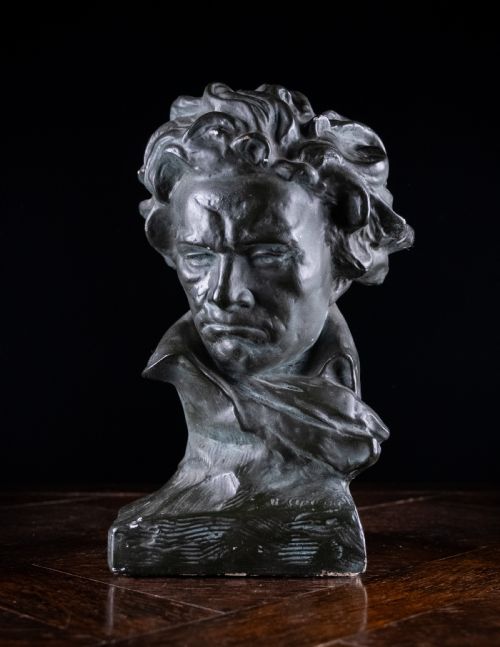
An antique style bust represents a three-dimensional sculpted portrait of the head and shoulders, drawing heavily on historical precedents. When searching for an antique style bust, buyers encounter works that emulate classical figures, Roman emperors, and noble personages from the nineteenth century and earlier. These sculptural pieces often adopt Neoclassical, Renaissance Revival, or Baroque idioms to recreate the gravity of antiquity.
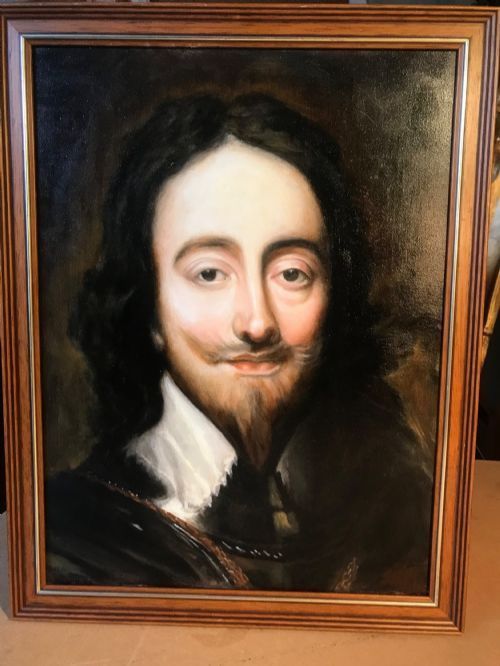
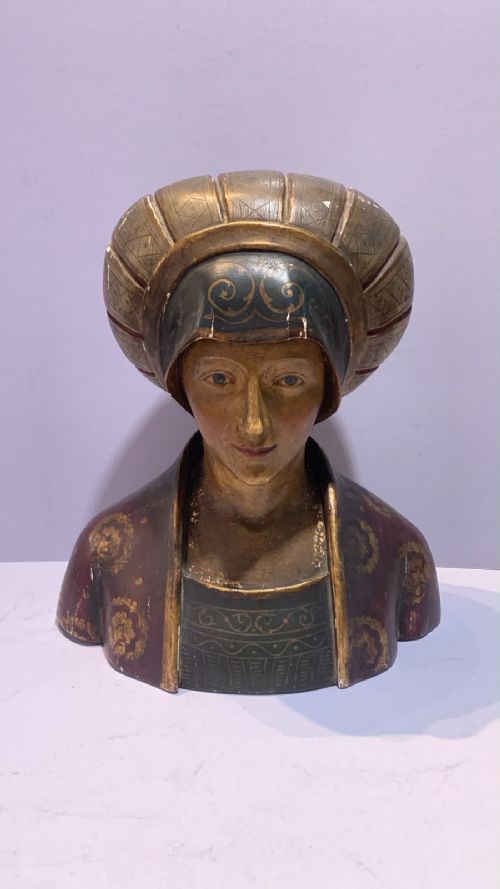
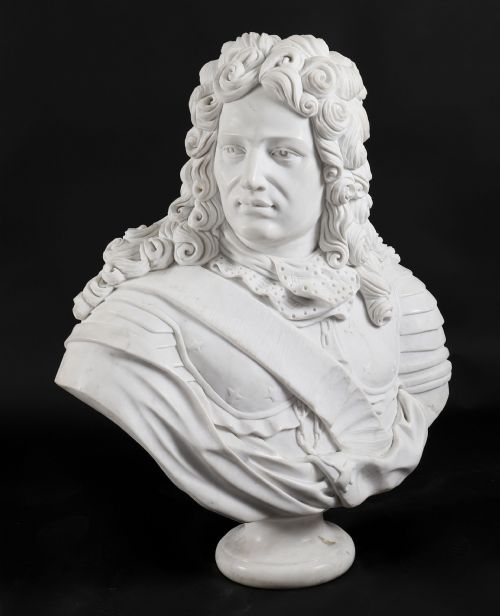
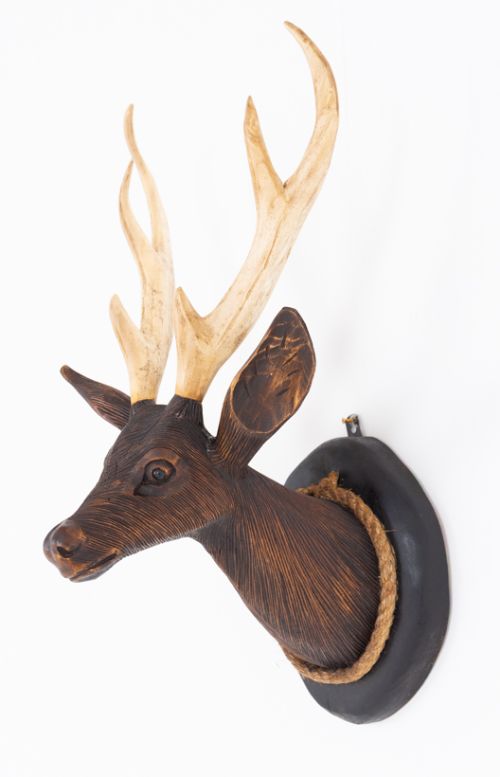
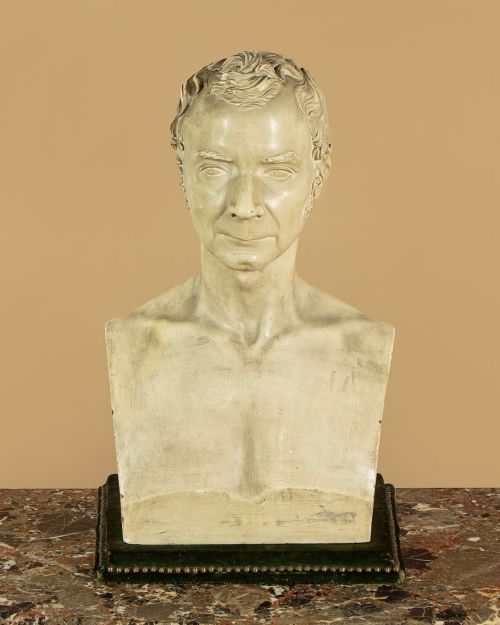
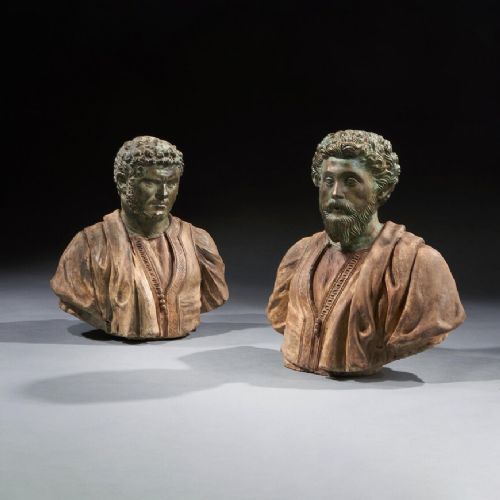
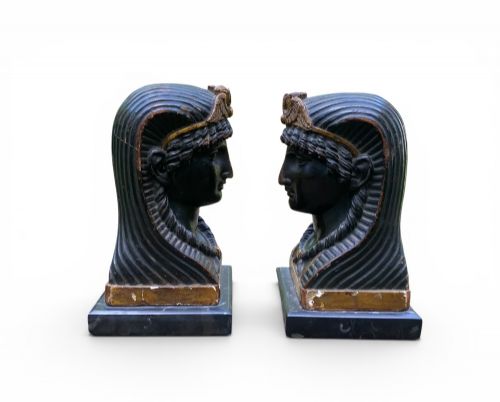
The selections on this page range from library busts of Roman emperors to portrait figures cast in plaster, terracotta, and marble. Many pieces reflect the nineteenth-century Grand Tour tradition, where travellers brought home likenesses of classical sculpture and notable historical figures. Alongside standard sculptural busts, related forms such as profile plaques, stone pedestals, and carved wooden heads appear regularly.
Materials and methods of construction
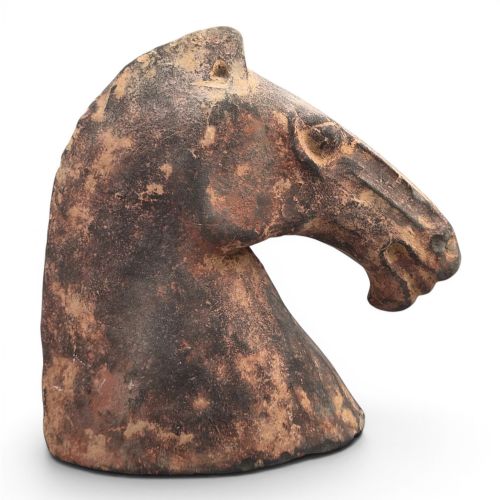
Sculptors utilised traditional materials such as Carrara marble, alabaster, terracotta, and plaster to achieve varied textures and tonal qualities. Plaster and simulated stone offered accessible mediums for library busts, while carved marble and cast terracotta captured finer details in portraiture. Pigment, paint, and bronze patination were frequently applied to surfaces to enhance visual depth or imitate aged metal.
Techniques varied from direct carving in wood and stone to casting from moulds in metal, plaster, and terracotta. Grand Tour pieces often relied on skilled reduction and casting methods to replicate celebrated antiquities for private collections. Workshops also employed specialised mounting, such as ormolu fittings or integrated pedestals, to complete the presentation of the sculptural work.
Listings feature periods from the sixteenth century through the twentieth, utilising marble, terracotta, plaster, and wood.
What distinguishes the quality
The provenance and adherence to classical or Renaissance prototypes further define the standing of a bust. Works modelled after specific sculptors or historical subjects demonstrate a deeper commitment to period aesthetics. Additionally, the integration of matching pedestals or columns contributes to the overall coherence and decorative success of the piece.
Thomas Hope·Pietro Calvi·Mathurin Moreau·Mieczyslaw Leon Zawiejski
The Antique Style Bust Glossary
- Grand Tour
- A traditional trip through Europe undertaken by upper-class young men to study classical art and architecture. Pieces associated with this practice include small-scale busts and profile plaques acquired as souvenirs.
- Parian
- A fine white ceramic material developed in the nineteenth century to imitate carved marble. It takes its name from Parian marble of the Greek island of Paros.
- Terracotta
- Baked red clay utilised for sculptural modelling and architectural decoration. It allows for expressive surface textures before being fired or painted.
- Ormolu
- Gilded bronze ornamentation applied to furniture, clocks, and pedestals. It adds a bright metallic contrast to stone and wood surfaces.
- Cameo
- A method of carving an object such as a gemstone or glass paste to create a raised relief image. Profile portraits are frequently executed in this format.
Antique Style Bust: Frequently Asked Questions
What periods do these busts represent?
The pieces span several centuries, with a strong concentration of nineteenth-century interpretations of earlier historical eras. Makers drew inspiration from classical Roman subjects, the Renaissance, and the neoclassical revivals of the Victorian period.
Items range from library busts of Roman emperors to Grand Tour souvenirs and later twentieth-century interpretations. Each era brought distinct casting and carving methods to the traditional portrait format.
How were these busts displayed in historical interiors?
Sculptural busts were traditionally placed upon library shelves, mantelpieces, and dedicated pedestals or columns. They served as scholarly focal points in studies and formal drawing rooms, reflecting the owner's classical education.
Larger stone and marble examples were also integrated into garden settings or grand hallways. Paired arrangements of emperors or philosophers were common for symmetrical architectural display.
What materials are most common for these sculptures?
Plaster and terracotta appear frequently, offering versatile mediums for detailed modelling and surface painting. Marble and alabaster were also utilised for higher-end decorative commissions.
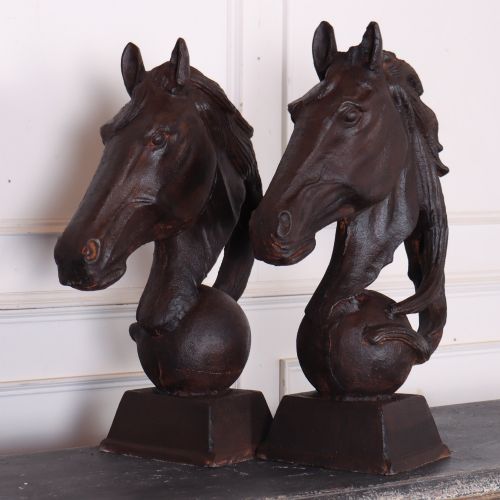
Some pieces incorporate wood carving, cast iron, or glass paste to achieve specific historicist effects. Patination and pigment were often added to simulate ancient bronze or weathered stone.
How can I distinguish a nineteenth-century copy from an older piece?
Nineteenth-century Grand Tour pieces and revival works often display specific casting seams, material compositions, and mounting techniques characteristic of Victorian manufacturing. Examination of the base and surface patination reveals the methods of the period.
Stylistic cues, such as the specific rendering of hair and drapery, point toward nineteenth-century interpretations rather than ancient production. Documentation and signatures from known sculptors also help establish the correct era.