







Antique Style Bronze Lion
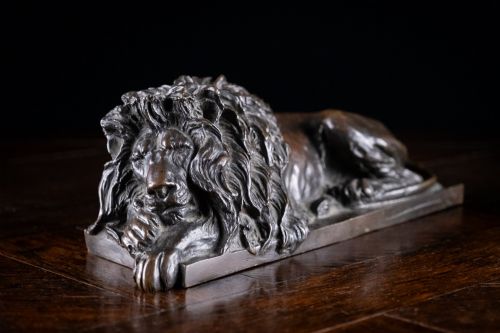
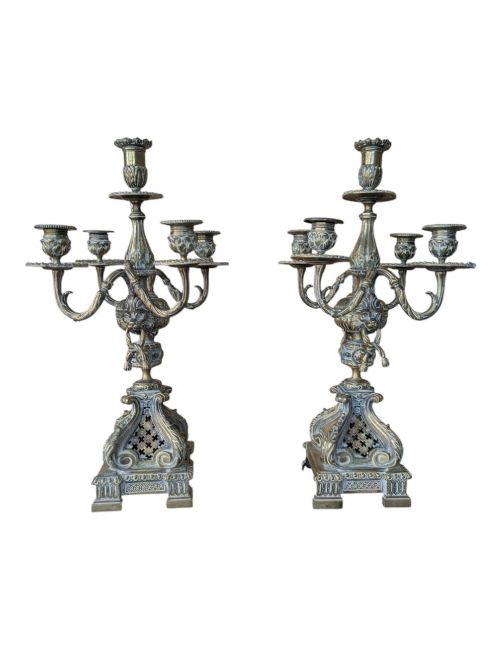
These pieces of antique style bronze lion encompass recast figures, decorative mounts and functional desk objects drawn from periods ranging from the seventeenth century to the twentieth.
Antique Style Bronze Lion
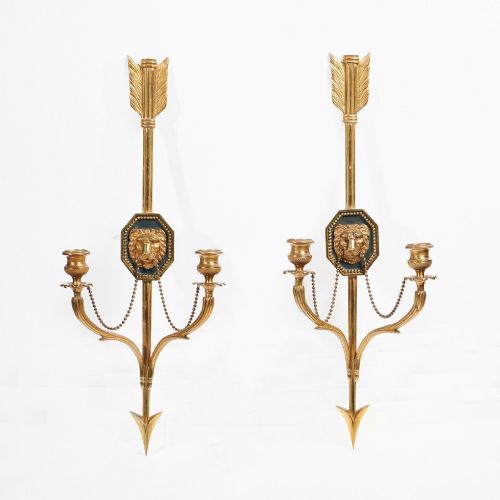
When you search for an antique style bronze lion, you encounter a diverse range of decorative and functional objects drawing on classical and neoclassical motifs. These pieces span centuries of metalwork, incorporating both direct representations of the animal and architectural mounts.
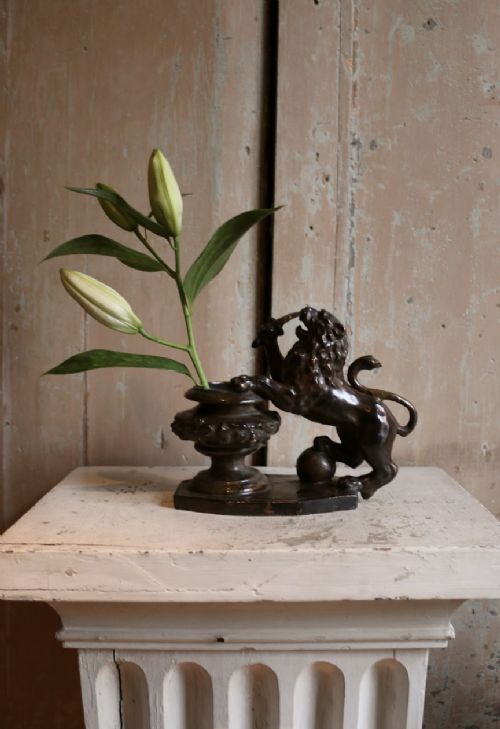
The selections on this page demonstrate the enduring appeal of the lion motif across various European and Asian traditions. You will find sculptural figures alongside mantel clocks, inkwells, and architectural fittings influenced by grand tour taste and empire revivals.
Materials and casting methods
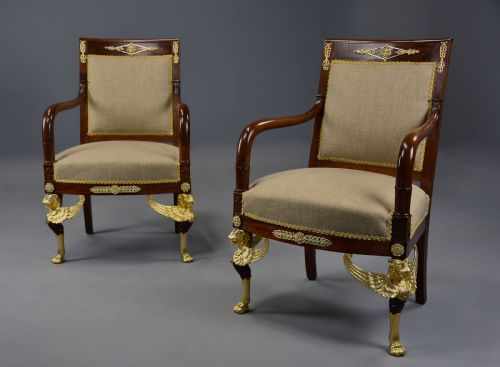
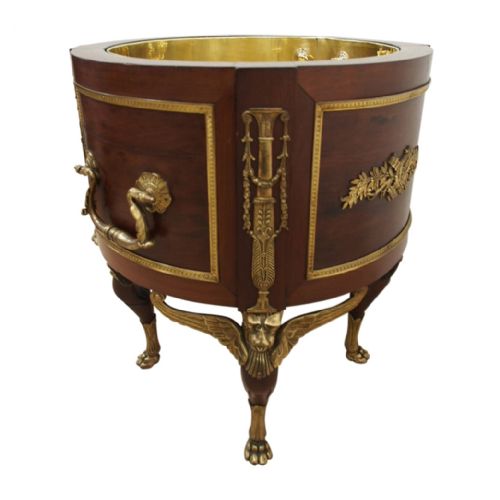
The items listed rely heavily on bronze, ormolu, and gilt bronze, often mounted upon marble bases or integrated into mahogany furniture. These metals allow for sharp detail in the rendering of manes, muscles, and facial expressions.
Casting techniques produce both solid figures and hollow mounts finished with hand-chiselling and gilding. The integration of brass and parcel-gilt details enhances the decorative depth of these metalwork objects.
Antique Style Bronze Lion Retail Price Guide 2026
Typical asking prices for style bronze lion among the pieces listed under this phrase on Sellingantiques today, from the lower quarter to the upper quarter. They describe what is for sale here now, not the wider market.
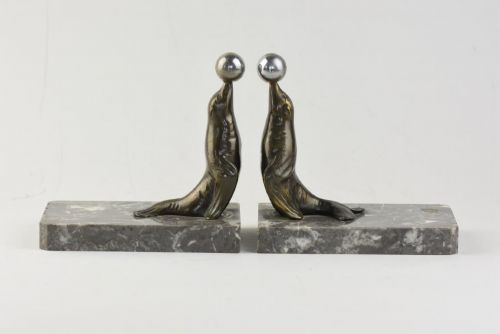
Even fierce bronze guardians often find themselves pressed into service as humble bookends or door knockers.
Assessing quality in metalwork
Quality in these pieces rests upon the crispness of the chase work and the weight of the cast. Superior examples exhibit finely articulated fur and naturalistic proportions rather than soft, generalized contours.
The integration of secondary materials, such as Sienna marble bases or fire-gilt surfaces, distinguishes finer decorative objects from standard production pieces. The precision of assembly in functional items like clocks and inkwells further indicates the maker's hand.
The Antique Style Bronze Lion Glossary
- Ormolu
- Gilded bronze produced by applying a mercury and gold amalgam to a bronze base and heating it. This technique creates a distinctive, durable golden surface seen on many decorative mounts and clocks.
- Grand Tour
- A traditional trip through Europe undertaken by upper-class young men in the eighteenth and nineteenth centuries. Souvenirs from these journeys frequently included small bronzes and classical sculpture replicas.
- Medici Lion
- A marble sculpture of a lion, pair to one of the original Roman lions displayed in Florence. Copies in bronze became popular decorative subjects during the nineteenth century.
- Censer
- A vessel used for burning incense, often incorporating traditional animal finials such as the Fu lion in Asian metalwork.
- Parcel-gilt
- Having portions of the surface covered in gold leaf or gilt while other areas remain in their natural metal finish. This selective highlighting draws attention to specific decorative details.
Antique Style Bronze Lion: Frequently Asked Questions
What periods do these pieces represent?
The items originate from various eras, stretching from the seventeenth century through the nineteenth and into the early twentieth century. Many pieces reflect earlier aesthetic movements revived during the Victorian and Edwardian periods.
Stylistic influences include the French Empire, Regency, and Baroque eras, often interpreted through nineteenth-century manufacturing techniques and grand tour sensibilities.
How were bronze lions used historically?
Bronze lions served both purely decorative functions as mantel sculptures and practical roles as supports for clocks, inkwells, and door knockers. Their inclusion denoted strength, majesty, and classical taste in interior decoration.
Larger figures stood on desks or as garden ornaments, while smaller castings acted as decorative finials on censers or furniture mounts.
How should I care for ormolu and bronze?
Maintenance requires gentle dusting with a soft, dry cloth to prevent the accumulation of abrasive particles. Avoid chemical polishes, particularly on gilded surfaces, which can strip the thin layer of gold.
Environmental stability is important to protect integrated elements like marble bases and wooden mounts from sudden changes in humidity and temperature.
How can I tell a Medici lion apart?
A Medici lion is identifiable by its characteristic pose, depicting the animal resting one paw upon a sphere while turning its head to the side. This specific posture derives from the famous Roman marble sculptures located in Florence.
Copies and interpretations of this motif appeared frequently in nineteenth-century desk ornaments and cabinet bronzes.