
Antique Style Bed
An antique style bed brings historic character into a bedroom through enduring timber and metal forms.
Antique Style Bed
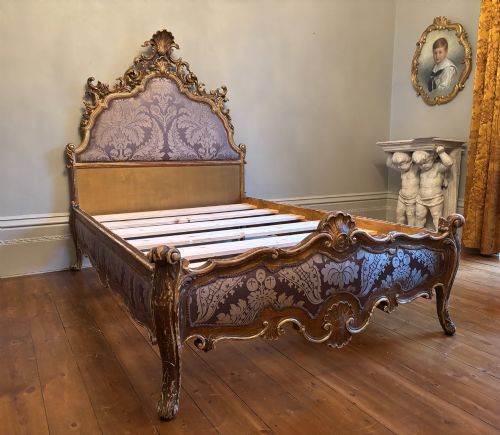
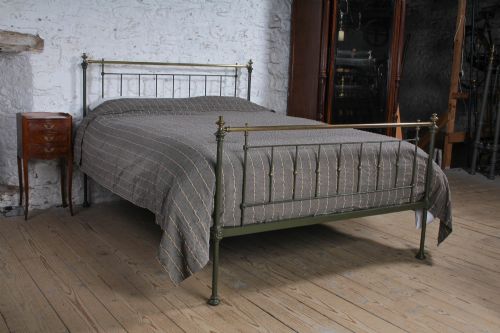
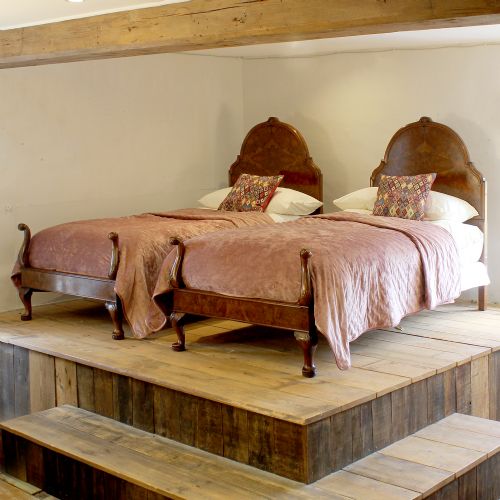
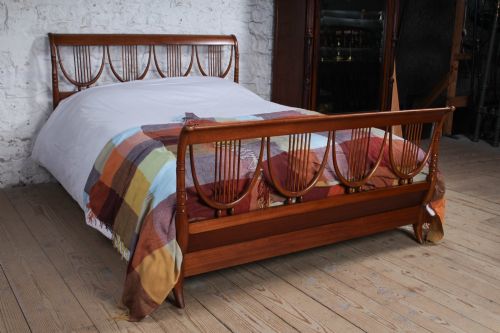
An antique style bed covers frameworks designed to evoke historical periods, spanning Victorian, Edwardian, and earlier revival aesthetics. Buyers searching for an antique style bed encounter wooden and metal constructions ranging from single frameworks to kingsize dimensions.
Origins stretch from 19th-century workshops to early 20th-century revivals, encompassing painted finishes, carved ornamentation, and upholstered headboards. These pieces serve as functional sleeping furniture that doubles as a visual focal point in traditional interiors.
Materials and construction methods
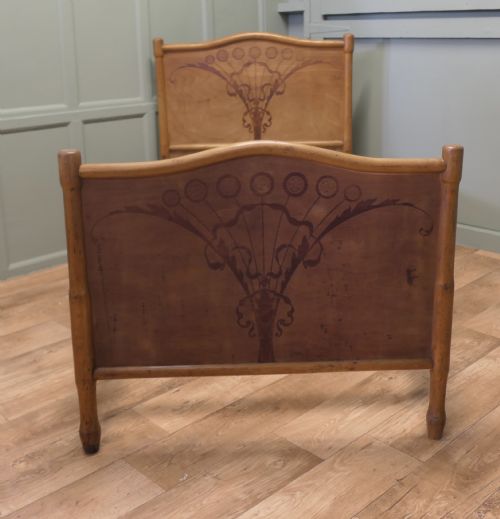
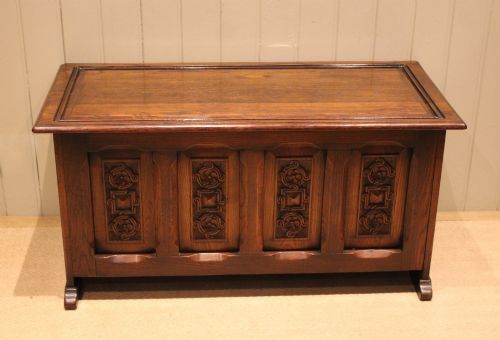
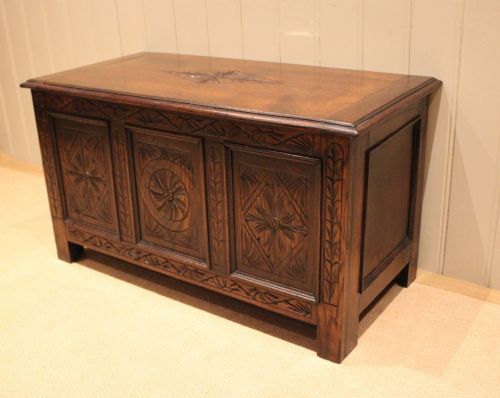
Makers utilised solid timbers such as oak, walnut, and fruitwood, often applying detailed hand-carved panels to headboards, footboards, and associated storage coffers. Mahogany appears in revival pieces, sometimes paired with inlaid details or polished finishes.
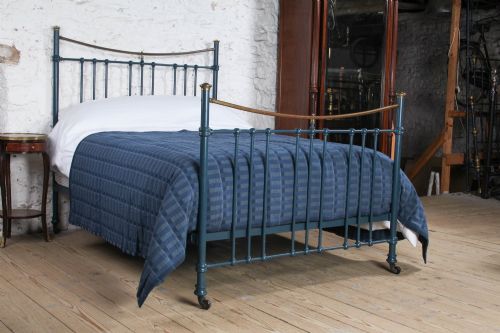
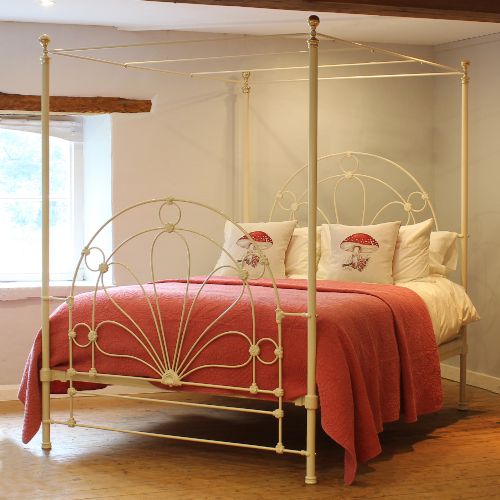
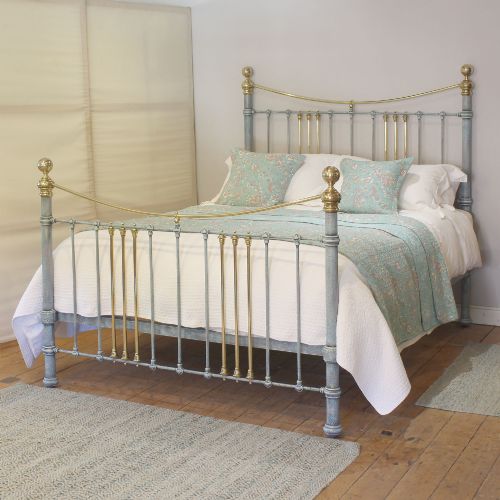
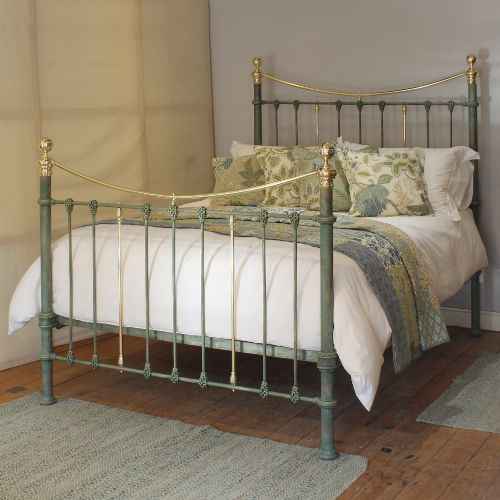
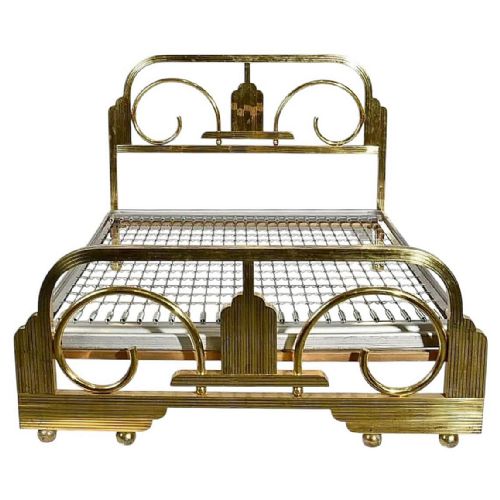
Metal frameworks rely on brass and cast iron, utilised for straightforward single or double structures as well as ornate skyscraper and dip rail designs. Surface treatments include painted finishes, blue verdigris, and giltwood accents reflecting specific stylistic traditions.
A rocking cradle from around 1800 joins the bedstead lineup, offering historic slumber for the smallest household members.
Distinctions in execution and design
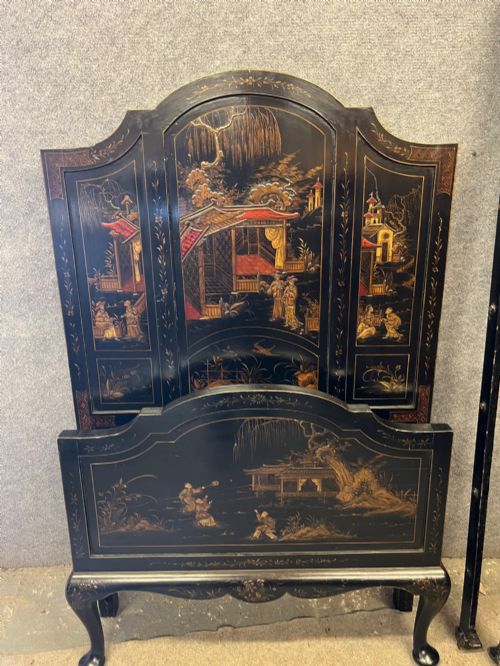
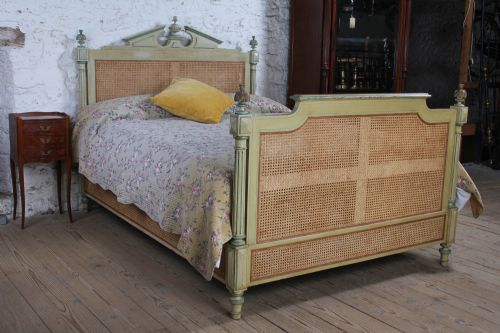
The sophistication of surface enrichment separates standard production from finer examples, evident in the depth of hand-carved oak details, the precision of ormolu mounts, and the subtlety of painted or limed finishes. Higher grade pieces display harmonious proportions across revival styles like Louis XVI and Jacobean.
Structural integrity depends on the quality of the primary material, whether solid mahogany, heavy cast iron, or dense fruitwood. Well-executed joinery and authentic period hardware anchor the better examples found within these historical idioms.
Jason and Joseph Kohn·Oliver Morel·Holland and Sons
The Antique Style Bed Glossary
- Bedstead
- The complete framework of a bed, including headboard, footboard, and side rails. This structural assembly supports the mattress and bedding.
- Four poster
- A bed featuring four vertical columns that support an upper tester or canopy frame. These substantial timber structures often incorporate carved posts.
- Daybed
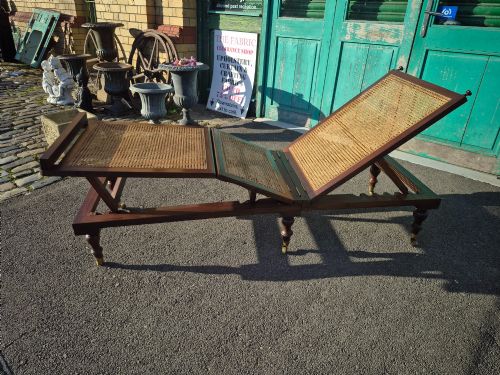
- A piece of furniture functioning as a sofa during the day and a bed at night. Examples appear in late Victorian ironwork and French painted wood.
- Ormolu
- Gilded bronze mounts applied as decorative ornaments to furniture. This technique frequently graces French Louis XV and XVI style beds.
- Bergere
- An enclosed upholstered armchair or bed component with wooden framing. In these listings, it describes specific single bed configurations involving woven cane or upholstery.
Antique Style Bed: Frequently Asked Questions
What defines an antique style bed?
An antique style bed is a sleeping framework produced during the 19th or early 20th century, or built in historical revivals like Georgian and Louis XVI.
These pieces utilise traditional materials such as brass, cast iron, oak, and mahogany to replicate or reinterpret historical aesthetics.
How do I choose the right size?
Listings designate sizes ranging from single and double to king size formats. Measuring your bedroom space ensures adequate clearance for headboards and footboards.
Consider whether standard modern mattress dimensions fit the specific historical frame layout you select.
Are metal beds sturdy?
Metal beds constructed from cast iron and brass offer robust structural support. These materials handle regular domestic use while maintaining their decorative lines.
Many incorporate castors or reinforced joints designed to distribute weight evenly across the floor.
How do I care for wooden frames?
Wooden bedframes require gentle dusting with a dry cloth to protect polished surfaces and carved details. Avoid placing timber pieces in direct sunlight or near heat sources.
Maintaining stable room humidity prevents the solid oak, walnut, or mahogany from warping over time.