
Antique Study Writing Desk
An antique study writing desk brings traditional craftsmanship and organised workspace into a home library or office, offering historical character alongside a practical surface for daily correspondence.
Antique Study Writing Desk
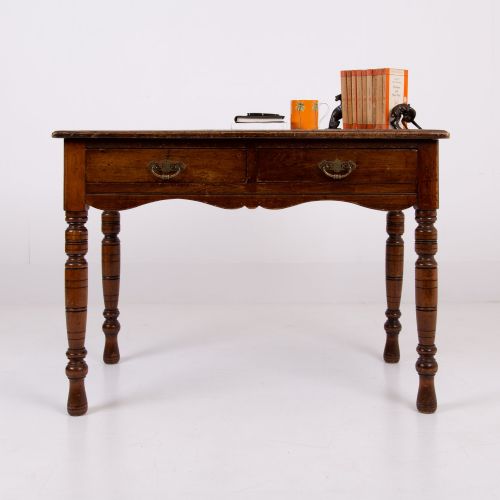
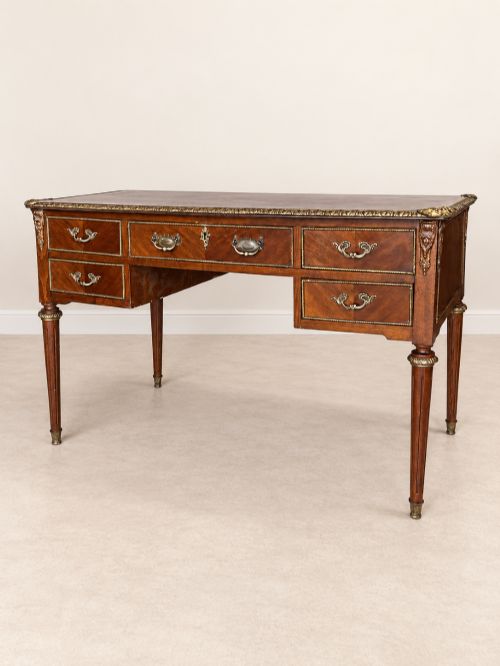
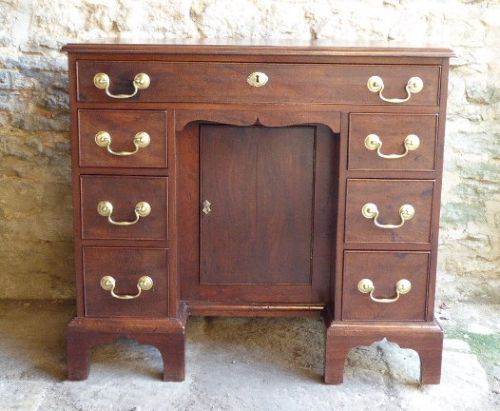
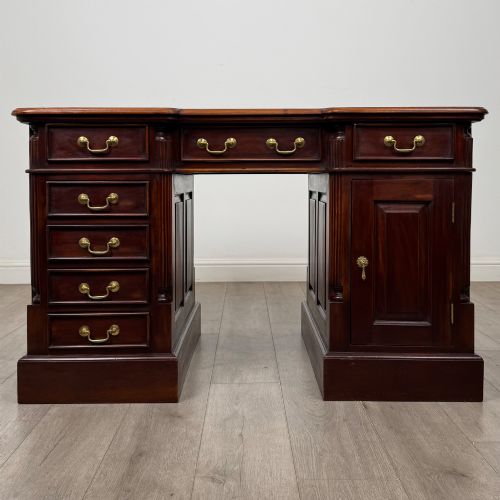
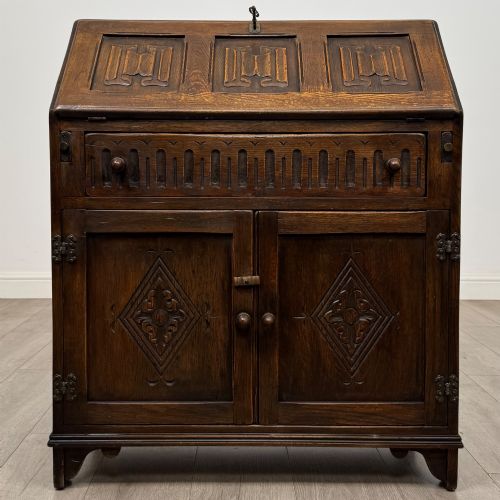
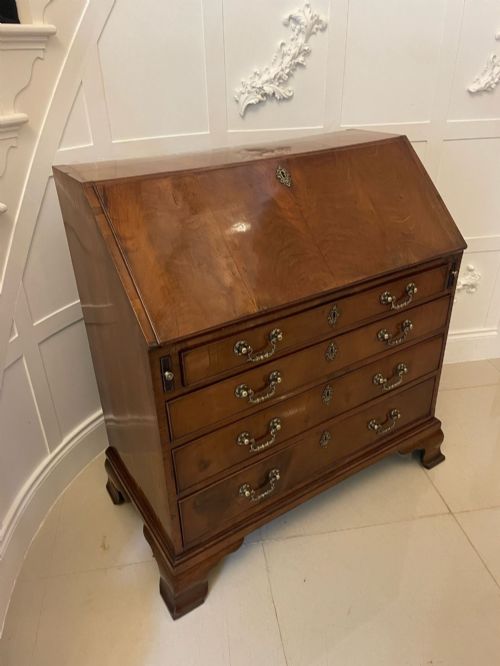
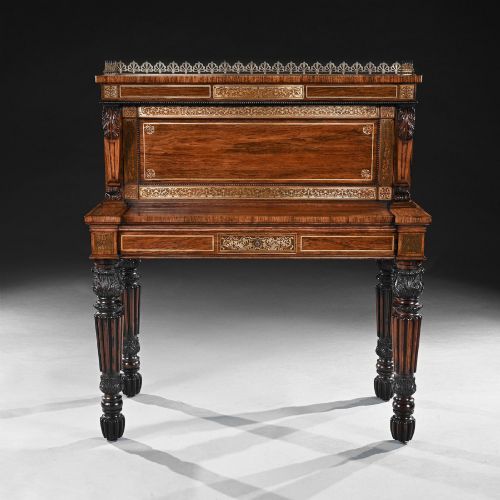
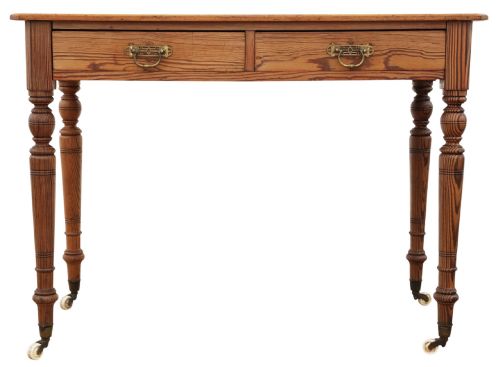
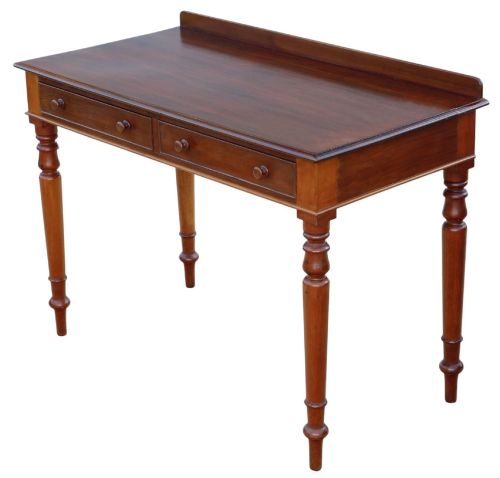
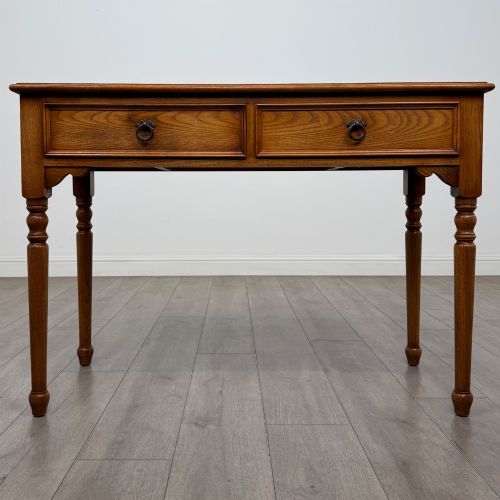
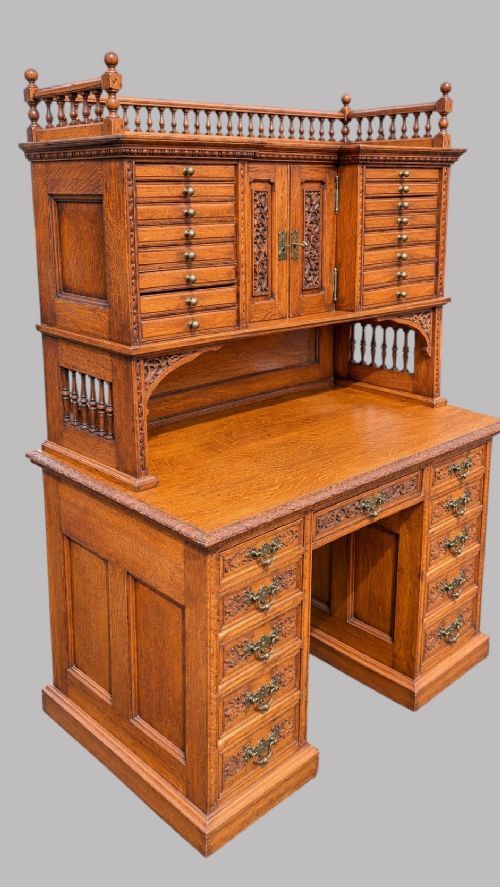
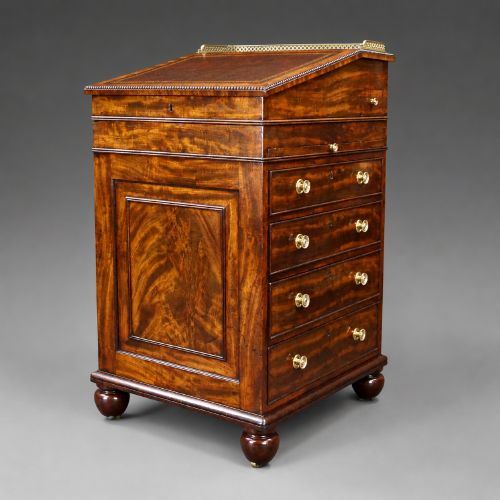
An antique study writing desk encompasses a variety of traditional workspace forms designed for private study, ranging from compact writing tables and slope-front bureaux to substantial twin-pedestal pedestal desks. These pieces originate primarily from the Georgian, Regency, Victorian, and Edwardian eras, reflecting the domestic habits and administrative needs of their respective periods.
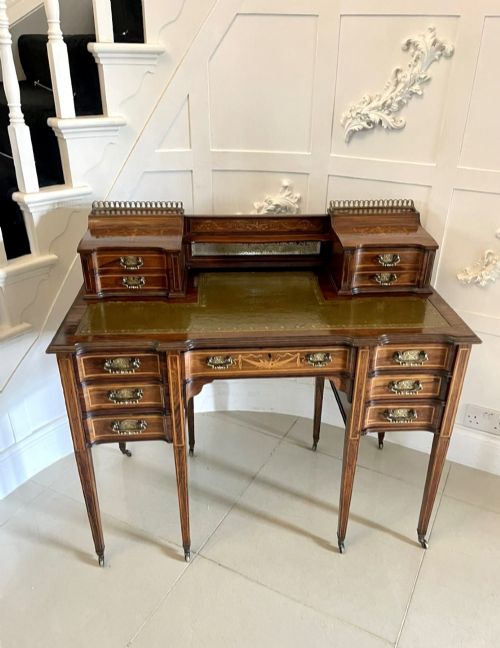
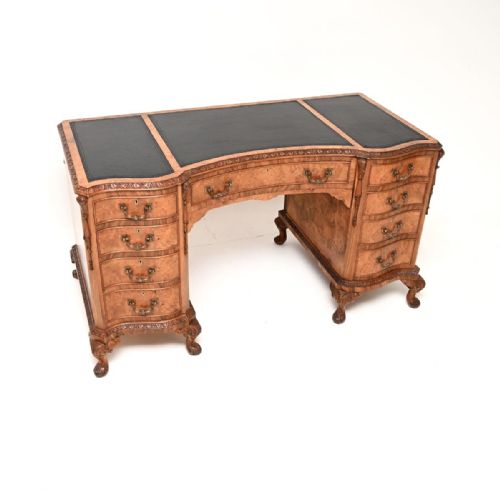
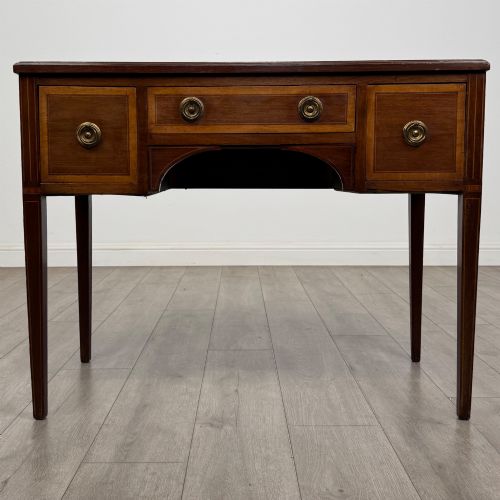
The material palette of these desks spans dense imported timbers such as mahogany, rosewood, and burr walnut alongside domestic hardwoods like oak and pitch pine. Many examples incorporate contrasting wood inlays, tooled leather writing surfaces, and functional brass drawer pulls or mounts.
Materials and Construction
Cabinetmakers built the structural carcases of these desks using solid native timbers like oak or pine, applying decorative veneers of mahogany, burr walnut, or satinwood to visible exterior surfaces. This technique allowed workshops to display striking wood grain patterns while maintaining structural stability across large panels such as desk tops and bureau falls.
Joinery methods relied on traditional hand-cut dovetails for drawer construction and sturdy mortise and tenon joints for the framework. Surfaces were frequently finished with multiple applications of polish or wax, while writing inserts often featured hand-tooled leather panels secured with decorative brass tacking.
Secret compartments hidden inside antique bureau pigeonholes wait to reward anyone thorough enough to inspect their inner construction.
Evaluating Construction and Materials
The distinction between standard commercial pieces and exceptional workshop production lies in the selection of timbers and the precision of assembly. Superior desks display uninterrupted grain matching across drawer fronts, carefully chosen veneers, and substantial secondary woods within the drawer linings rather than cheaper substitutes.
Execution of decorative elements defines the upper tier of these pieces, from finely cut stringing and marquetry to robust brass hardware and neatly hand-cut dovetails. The integration of functional elements, such as smoothly operating drawers and well-fitted internal stationery compartments, demonstrates the original maker's standard of construction.
Maple & Co.·Gillows Oxford Street Workshop·Heal and Son·Trollope & sons
The Antique Study Writing Desk Glossary
- Pedestal desk
- A large freestanding desk comprising two supporting banks of drawers beneath the work surface, joined by a central section with a kneehole space.
- Davenport desk
- A compact Victorian writing desk featuring a sloped, hinged writing surface above a set of side drawers, often with a stationery compartment on top.
- Bureau
- A desk form featuring a hinged sloping flap that opens to reveal an interior arrangement of small drawers and pigeonholes.
- Library table
- A large freestanding table designed for central room placement, typically fitted with frieze drawers and finished on all sides for use in a study.
- Dovetail
- A traditional interlocking joint used in drawer construction, prized for its tensile strength and resistance to being pulled apart.
Antique Study Writing Desk: Frequently Asked Questions
How do I identify a Victorian pedestal desk?
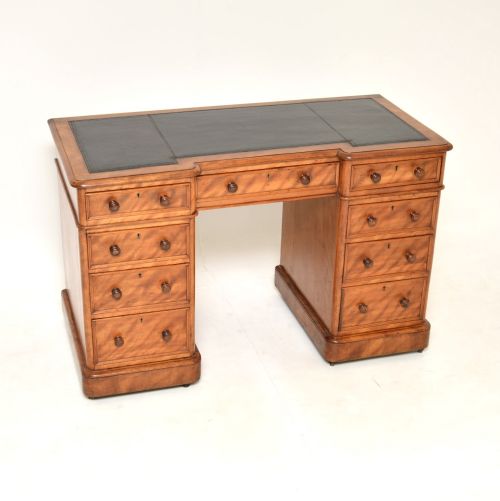
Victorian pedestal desks are typically constructed from heavy timbers such as mahogany or oak, featuring two distinct banks of drawers beneath a rectangular top. They frequently incorporate inset leather writing surfaces and panelled sides designed for freestanding placement.
The drawer interiors usually employ hand-cut dovetails with solid secondary woods like pine or oak. Look for period brass hardware and construction details that reflect mid to late-nineteenth-century workshop practices.
Can I use an antique desk for daily computer work?
Many antique desks offer sufficient surface area and sturdy construction to accommodate modern laptops and writing accessories. However, historical drawer heights and kneehole clearances may require careful measurement to ensure comfortable seating.
Protecting the original leather or polished wood surface with a subtle desk pad helps preserve the antique finish during daily office use. Consideration should also be given to cord management, as these pieces lack built-in cable routing.
How should I care for a leather desk insert?
Leather writing surfaces benefit from gentle cleaning with a slightly damp cloth followed by immediate drying, avoiding harsh chemical cleaners or excessive moisture. Applying a specialist leather conditioner periodically helps maintain suppleness and prevents cracking across the tooled surface.
Keeping the leather away from direct sunlight and heat sources prevents premature drying and fading of the original gilding or colour. Regular dusting with a soft cloth removes abrasive particles that might otherwise scratch the hide.