



Antique Student Desk
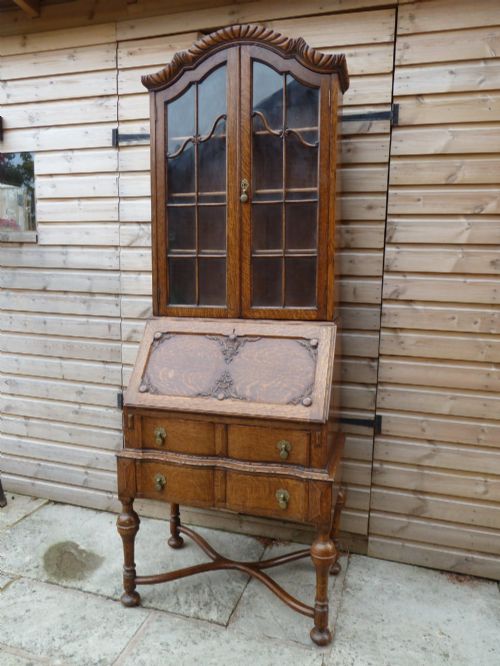
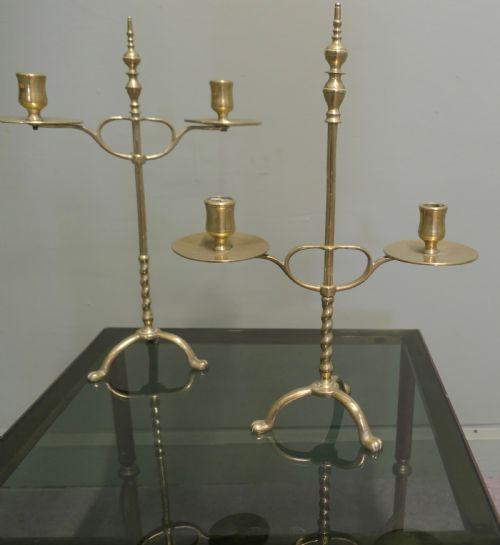
These antique student desk pieces span practical writing bureaux in oak and adjustable brass lamps designed for close work.
Antique Student Desk
An antique student desk encompasses compact writing bureaux in oak and adjustable metal lamps designed for concentrated work. Buyers seeking this phrase encounter both writing furniture from the Victorian and Edwardian periods and heavy brass reading lamps.
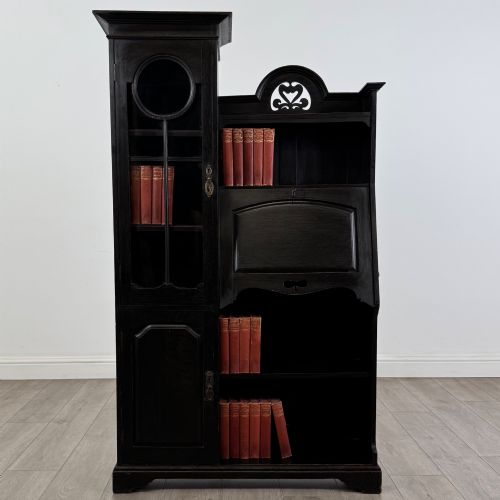
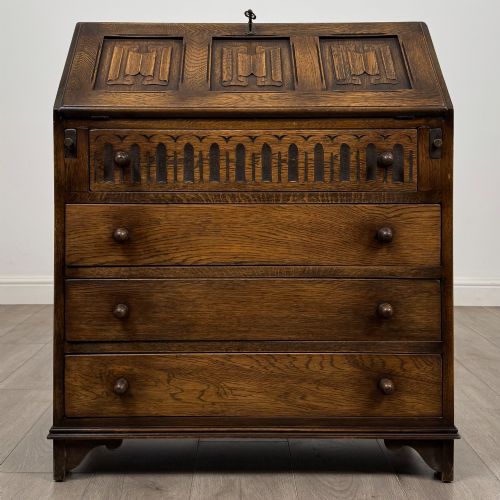
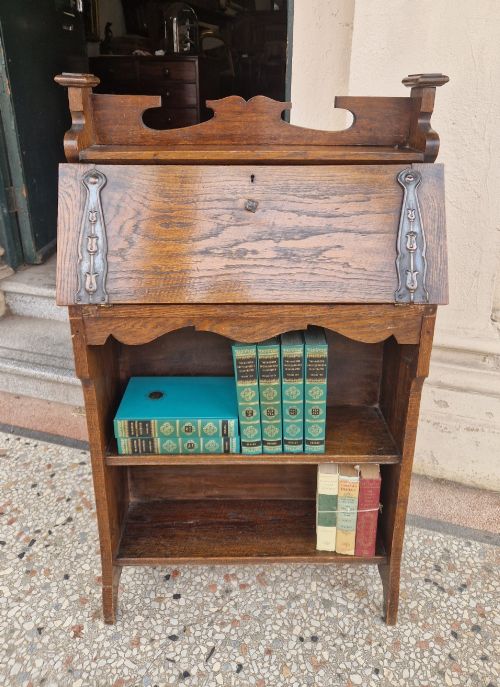
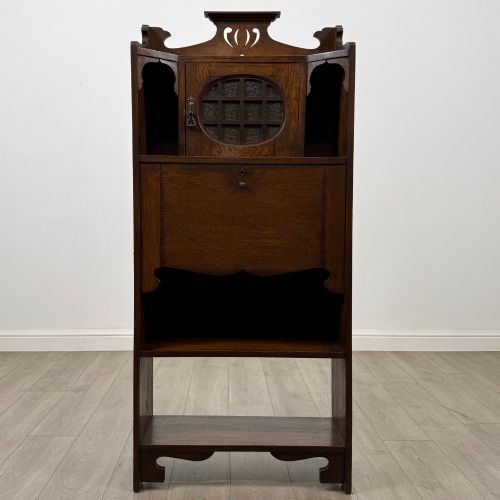
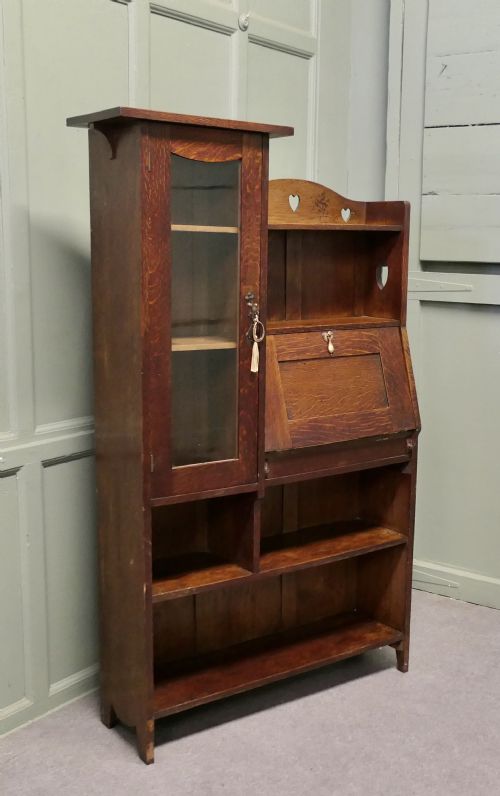
The furniture forms include narrow writing bureaux, bureau bookcases, and carved linenfold desks. Oak is the dominant timber, often finished in dark or golden tones matching Arts and Crafts and Jacobean Revival aesthetics.
Lighting examples range from adjustable student lights with glass shades to heavy brass oil lamps with implements. These sit alongside the writing furniture to complete a traditional study setup.
What varies in quality
The standard of timber selection and carving depth distinguishes superior furniture pieces from plain utility items. Crisp linenfold carving and well-figured oak indicate superior cabinet work.
In metalwork, the weight of the brass and the precision of adjustable mechanisms determine quality. Heavier castings and complete original implements separate better lamps from simpler production.
Some nineteenth-century brass lamps arrive complete with their original implements, ready for tending the wick.
Harris Lebus·James Shoolbred & Co·Wild and Wessel
The Antique Student Desk Glossary
- Bureau
- A sloping desk used for writing, frequently fitted with internal pigeon holes and drawers. It provides a compact surface for correspondence.
- Linenfold
- A style of wood carving that imitates folded linen cloth, common on panels from the Tudor Revival and Arts and Crafts periods. It adds texture to flat cabinet doors.
- Opaline glass
- A milky, translucent glass used for lamp shades to soften illumination. It diffuses light evenly across a work surface.
- Rise and fall
- A mechanical lamp fitting that allows the height of the shade to be adjusted vertically. It utilises counterweights or sliding collars.
Antique Student Desk: Frequently Asked Questions
How do I date an oak bureau?
Examine the hardware, timber grain, and stylistic influences such as Arts and Crafts or Jacobean Revival. Construction methods like hand-cut dovetails help confirm the nineteenth or early twentieth-century origin.
Compare the drawer linings and backboards to regional cabinet-making standards of the period. Makers often stamped their work inside drawers or on carcase edges.
Were these lamps used by students?
These adjustable brass lamps provided focused illumination for reading and writing at desks. They accommodated oil burners or early electrical fittings for close academic work.
Many examples feature rise and fall mechanisms to direct light precisely over manuscripts and books. Their robust brass construction suited heavy daily use.
How do I fit a bureau into a small room?
Narrow writing bureaux offer a compact footprint while providing a drop-down writing surface and internal storage. Their vertical height maximises storage without occupying much floor space.
Position the desk near a window or pair it with an adjustable student lamp to maintain adequate task lighting. The enclosed compartments keep stationery hidden when not in use.
What is the difference between Arts and Crafts and Victorian bureaux?
Arts and Crafts pieces emphasise visible construction, plain golden oak, and honest craftsmanship over applied ornamentation. They often reflect the ideals of simplicity and utility.
Victorian pieces frequently display heavier revival styles, darker finishes, and more elaborate carving or brass fittings. They tend towards formal symmetry and traditional proportions.