
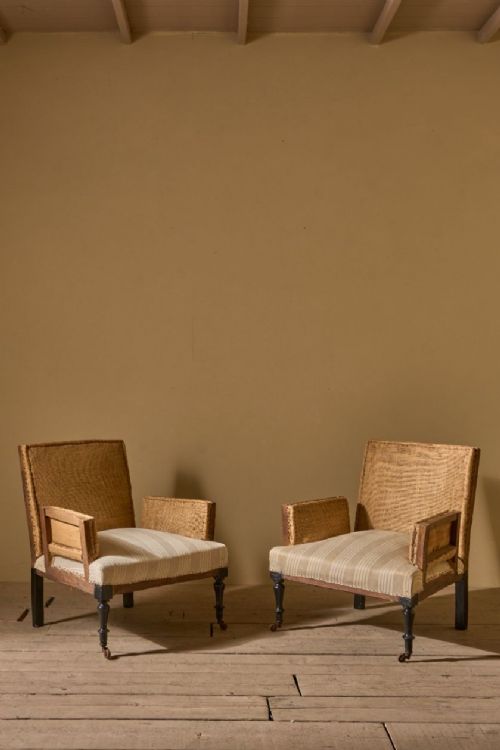
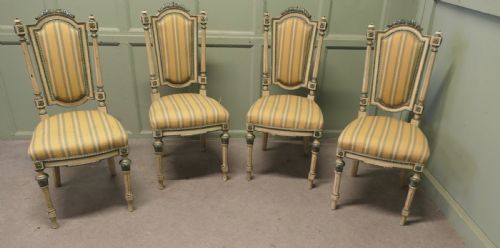
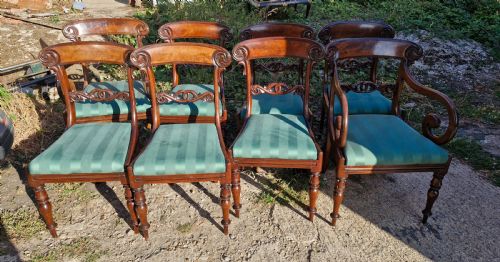
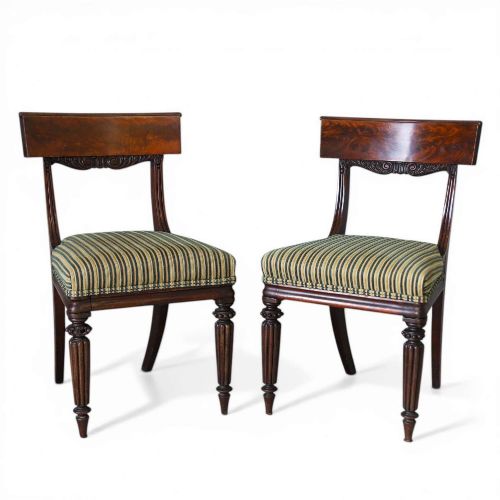
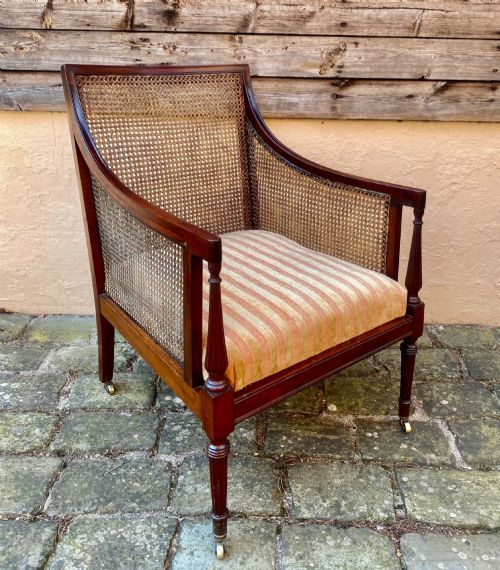
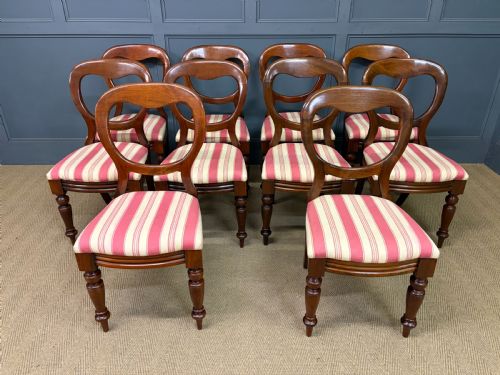
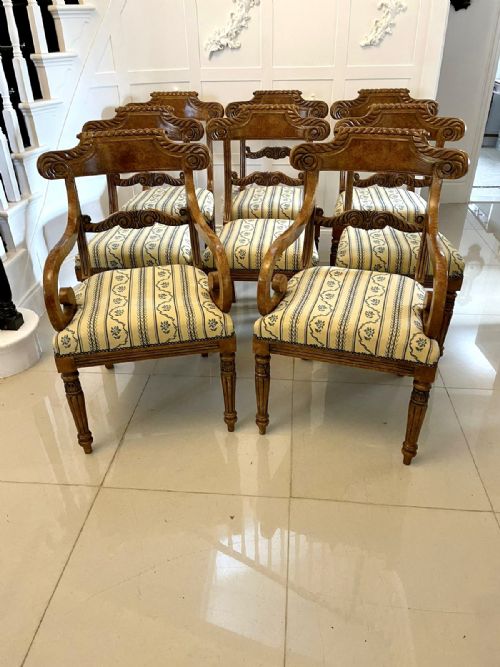
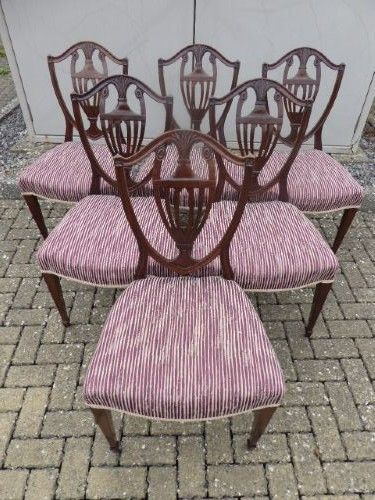
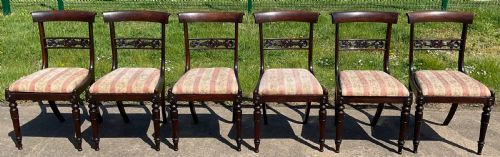
Antique Striped Side Chairs
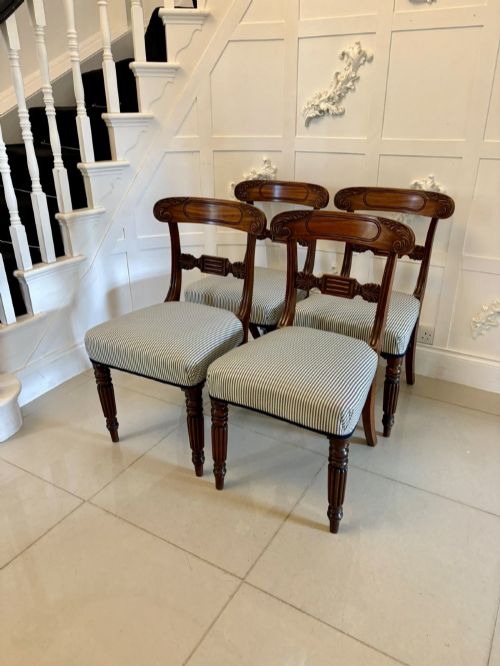
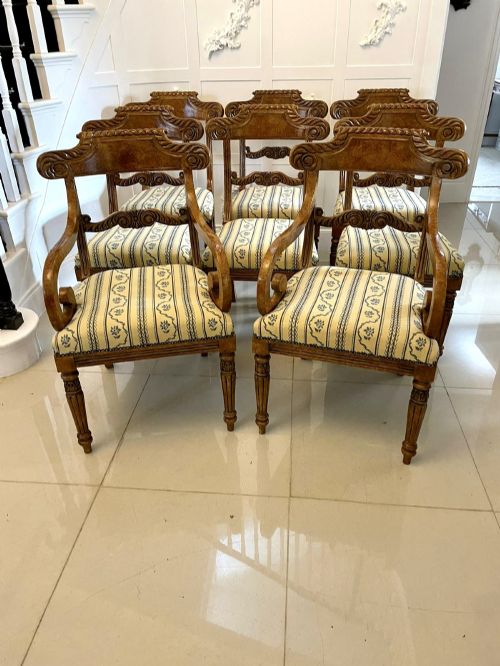
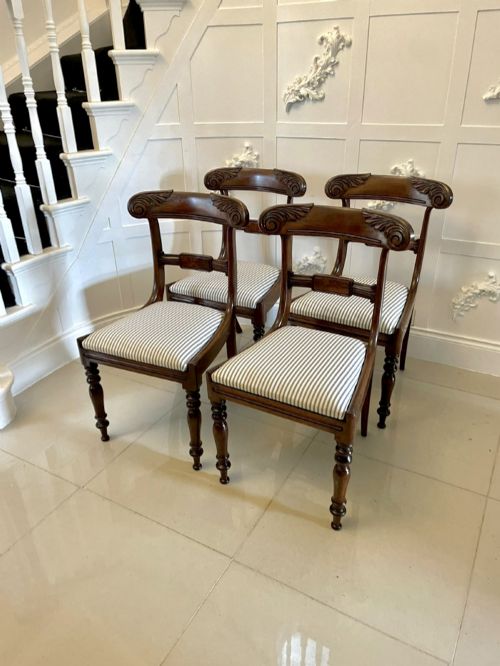
These antique striped side chairs span the Georgian, Regency, and Victorian periods, offering formal seating upholstered in tactile textiles.
Antique Striped Side Chairs
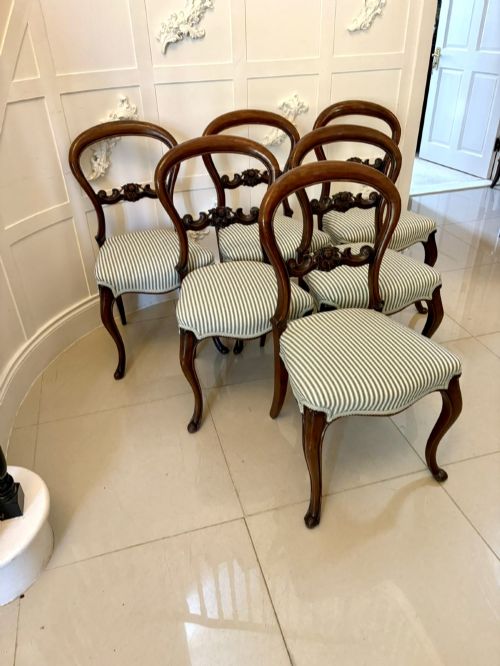
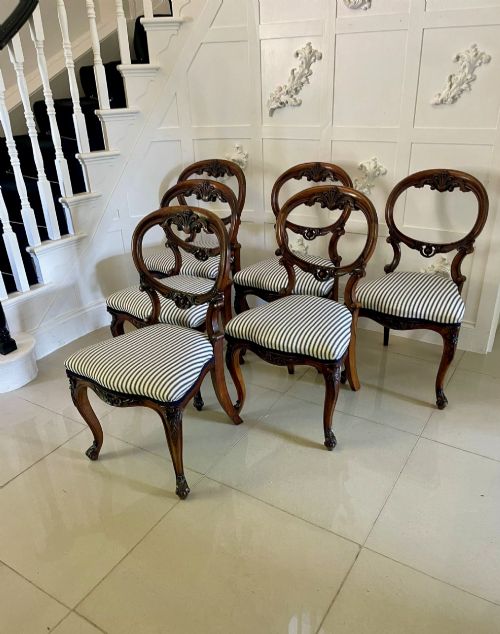
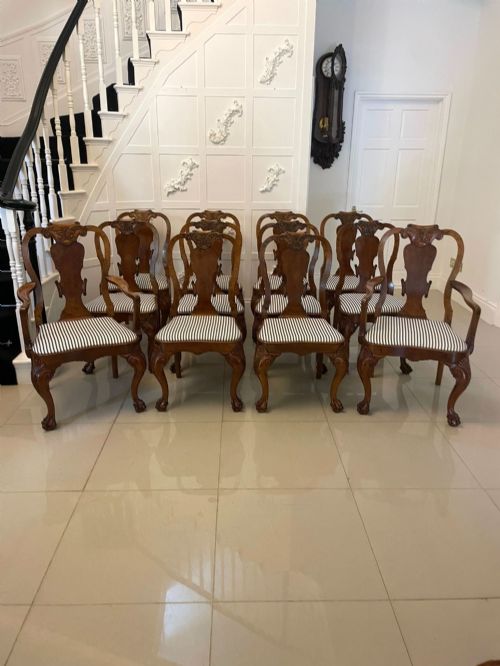
When you search for antique striped side chairs, you encounter seating designed for dining rooms, salons, and bedrooms from the late eighteenth century onwards. These pieces range from formal George III and Regency mahogany frames to decorative Victorian balloon-back chairs and Edwardian satinwood models.
How they were made
Cabinetmakers utilised dense timbers such as mahogany, rosewood, walnut, and oak to construct durable chair frames. Decorative options also include faux birds eye maple, satinwood, and painted finishes.
Joinery methods involved mortise and tenon construction for stability, complemented by carved detailing, brass mounts, and string inlay. Upholstery fabric or textile was then secured over padding to complete the seat.
Materials documented across the inventory include mahogany, rosewood, walnut, oak, satinwood, brass, and assorted upholstery textiles.
What varies in quality
The refinement of the timber carving and the precision of the joinery set higher grades apart from simpler utilitarian seating. Well-executed mahogany or rosewood frames demonstrate crisp lines and substantial weight.
Proportion and decorative restraint dictate the distinction between standard production and pieces of exceptional character. Subtle details like string inlay, balanced proportions, and high-grade upholstery elevate the work.
The Antique Striped Side Chairs Glossary
- Balloon back
- A rounded, oval chair back resembling a balloon, popular during the Victorian period. This form provides ergonomic support while displaying figured mahogany or walnut grain.
- Regency stripe
- A vertical linear pattern frequently used in upholstery during the early nineteenth century. This textile design complements the clean classical lines of Regency and William IV furniture.
- Side chair
- An upright chair without arms, traditionally used at the dining table or placed against a wall. These smaller seats suit diverse domestic spaces.
- Barley twist
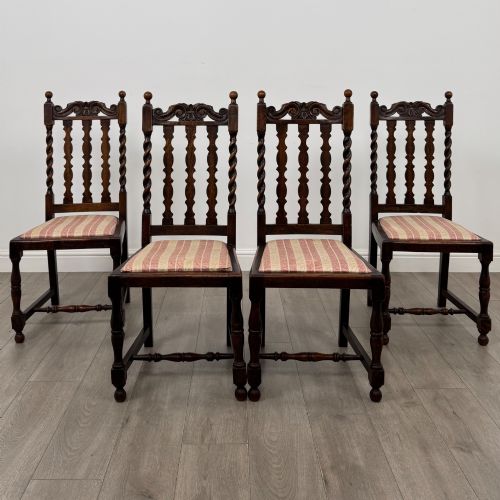
- A carved wooden column resembling a twisted rope, common on Edwardian and seventeenth-century revival frames. This turning technique adds texture to chair legs and stretchers.
Antique Striped Side Chairs: Frequently Asked Questions
How do I spot a Regency chair?
Regency chairs display classical influences inspired by ancient Greece and Rome, often featuring sabre legs, carved rope backs, and dark mahogany or rosewood timbers.
They appear lighter and more restrained than heavy Victorian designs, reflecting the aesthetic preferences of the early nineteenth century.
Are these chairs comfortable for daily use?
Many period side chairs and dining chairs offer firm seating supported by traditional webbing and padding. Upholstered versions provide more cushioning than solid wood models.
Selecting chairs with appropriate seat heights and supportive backs ensures comfortable everyday dining or desk use.
How do I care for antique wood?
Protect wooden frames by keeping them away from direct sunlight and heat sources that cause timber to dry and split. Regular dusting with a soft, dry cloth preserves the polished surface.
Applying occasional specialist wax maintains the natural lustre without building up heavy chemical residues.
Can I mix different chair styles?
Combining occasional chairs from different decades creates an eclectic interior scheme rooted in historical variety. Matching timber tones helps unify disparate seating around a table.
Using pairs of armchairs alongside simpler side chairs adds visual balance to a room.