
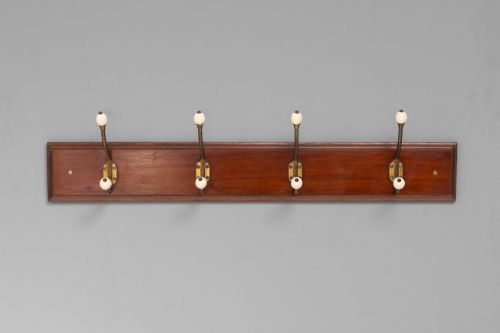
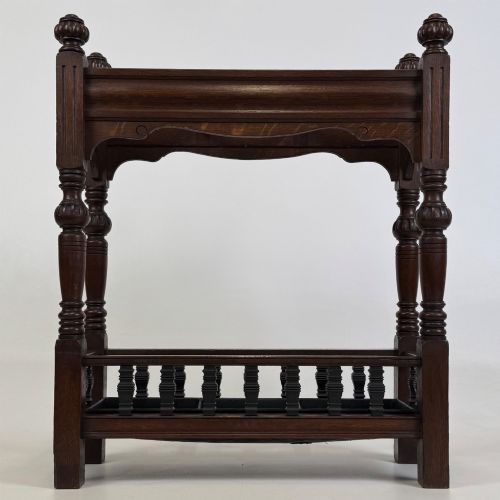
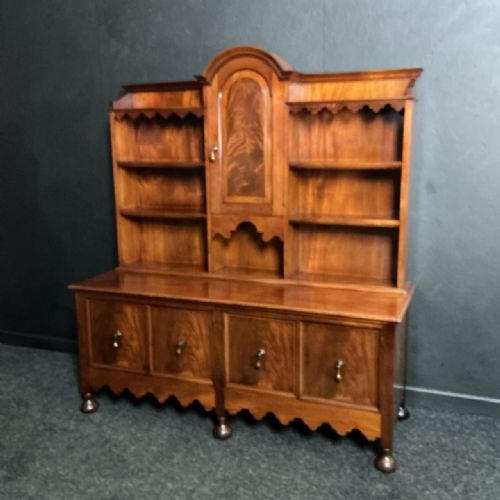
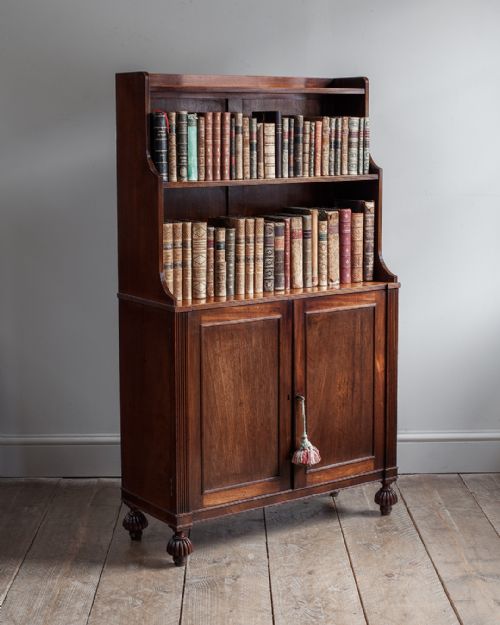

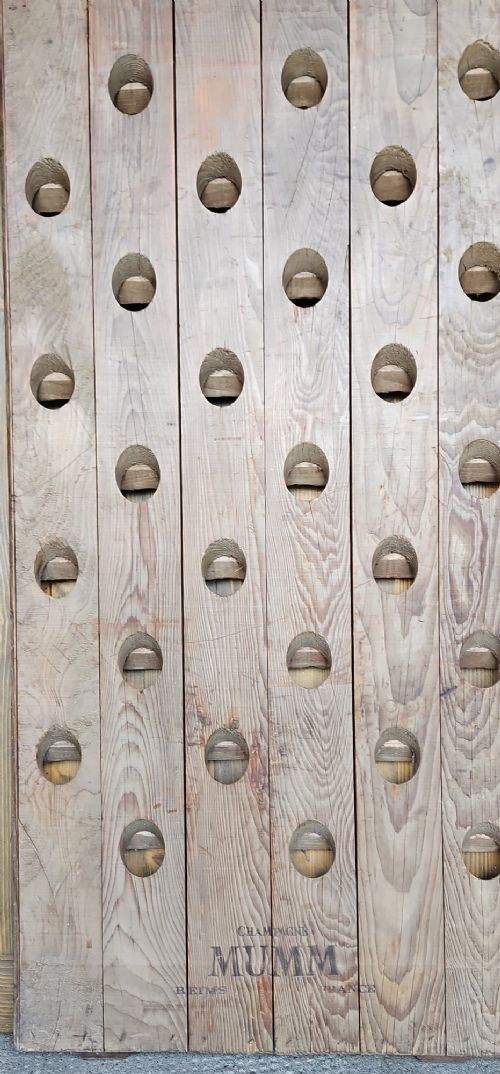
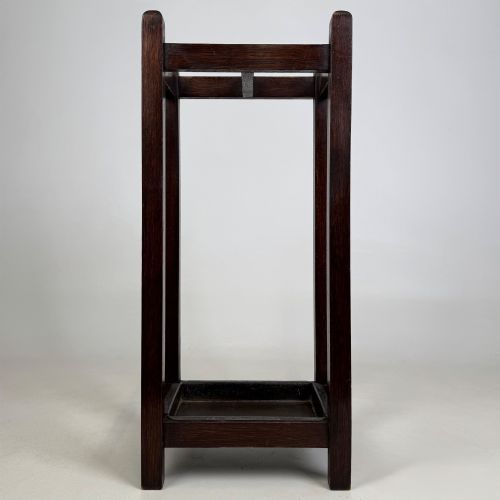
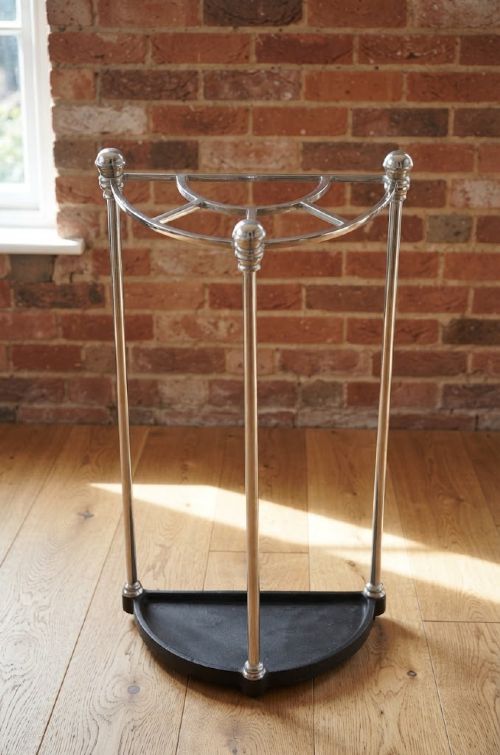
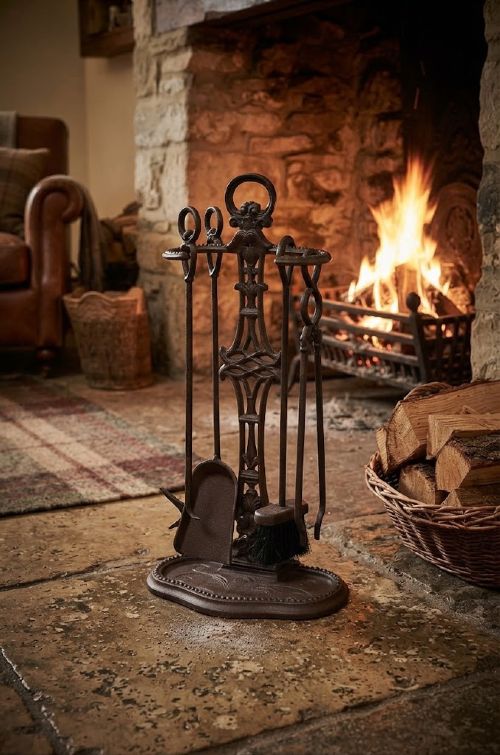
Antique Storage Rack
An antique storage rack organises halls and kitchens cleanly, bringing period utility and sturdy timber to daily life.
Materials and Construction
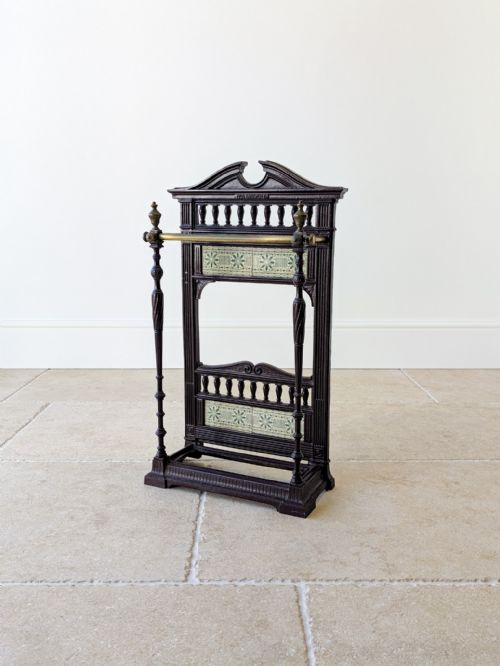
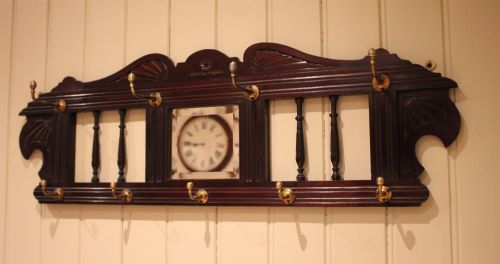
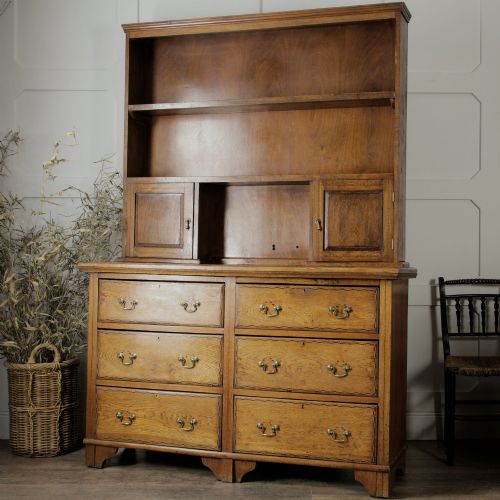
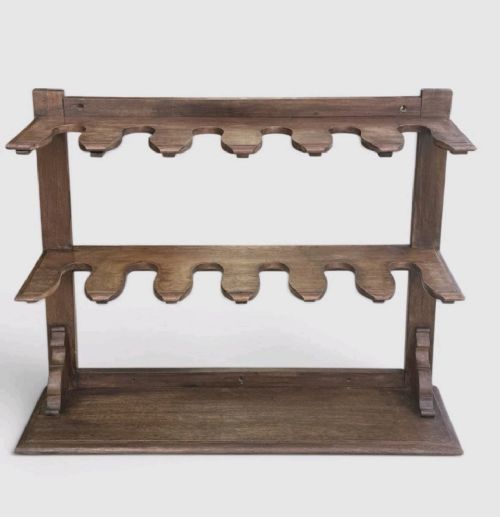
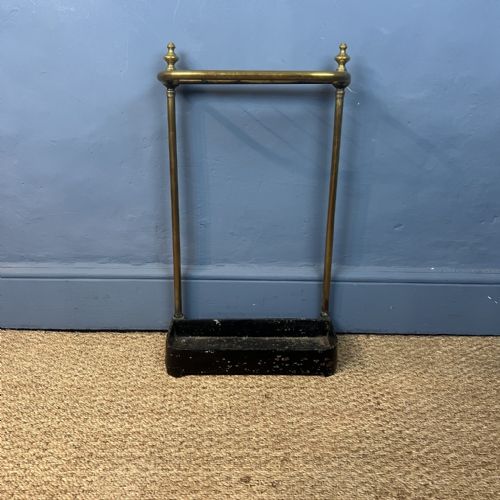
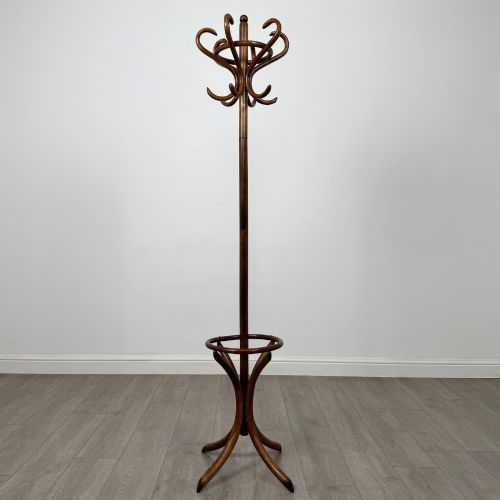
Makers relied heavily on solid oak, mahogany, and pine for wooden frames, complementing these with brass, cast iron, and wrought iron for structural stability and damp-resistant drip trays. Beech and walnut also appear in specific forms such as bentwood coat stands and walnut canterbury units.
Joinery methods varied according to the intended load, employing sturdy pegged joints for oak hallway furniture and slender turnings or nickel plating for lighter twentieth-century stands. Metal components were frequently cast or forged to create rigid dividers and decorative motifs suited to hallway entrances and damp boot rooms.
Distinctions in Standard
The standard of a piece rests upon the integrity of its materials and the weight of its construction. Heavier gauge brass, solid hardwoods without secondary softwood replacements, and intact original cast iron drip trays elevate an object above simpler utilitarian versions.
Proportion and stylistic cohesion also define the upper tier of these furnishings. Pieces that retain their original hardware, distinct period aesthetic movements, and uncompromised structural bracing command greater attention than heavily altered or reconstructed items.
Listings feature storage racks spanning the Victorian, Edwardian, and Art Deco eras, constructed primarily from oak, mahogany, brass, and cast iron.
Coalbrookdale
The Antique Storage Rack Glossary
- Arts and Crafts
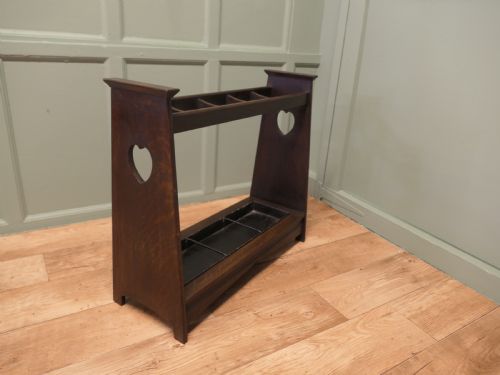
- A design movement advocating traditional craftsmanship, simple forms, and natural materials. Oak is frequently left in its natural finish to highlight the grain.
- Demi-Lune
- A half-moon shape characteristic of tables and umbrella stands designed to sit flush against a hallway wall. This profile saves floor space in narrow corridors.
- Bentwood
- Wood heated with steam and bent into curved shapes, commonly utilised in lightweight coat stands and hatstands. Beech is the timber most often shaped by this process.
- Aesthetic Movement
- A late nineteenth-century design current emphasising visual beauty over narrative content. Pieces from this school often incorporate stylized metalwork and refined structural lines.
Antique Storage Rack: Frequently Asked Questions
What rooms suit an antique storage rack best?
These pieces fit naturally into hallways, kitchens, and boot rooms where practical organisation is required. Umbrella stands and hall stands serve entryways, while plate racks and pot storage suit culinary spaces.
Smaller tabletop or hanging racks adapt easily to studies and living areas for books and periodicals. Their period timber surfaces bring warmth and functional history into modern interiors.
How do I distinguish Edwardian racks from Victorian ones?
Victorian pieces tend to be heavier, employing dark carved mahogany, substantial cast iron, and ornate ornamentation. They reflect a more formal aesthetic suited to nineteenth-century hallways.
Edwardian and later twentieth-century examples often favour brighter oak, simpler rectilinear lines, or lighter nickel-plated frames. The influence of the Arts and Crafts movement also becomes more apparent in the plainer timber surfaces of the later period.
Were these racks used outdoors?
Most storage racks were designed for interior domestic use, specifically in hallways, kitchens, and boot rooms. Metal elements like cast iron and brass were chosen to handle damp items such as wet umbrellas and walking sticks indoors.
Garden games stands and specific pot storage units were built to withstand sheltered outdoor environments or garden rooms. However, unprotected antique timber should remain indoors away from moisture.
How do I care for antique wooden storage furniture?
Maintain the timber by keeping it away from direct heat sources and sudden temperature shifts which can cause wood to split. Regular dusting with a dry cloth preserves the finish without requiring heavy polishes.
Metal components such as brass and cast iron benefit from occasional light cleaning to prevent tarnishing. Ensure that drip trays in umbrella stands are regularly emptied and dried to protect the surrounding floor.