


Antique Storage Jar
An antique storage jar gathers the domestic and trade vessels of past centuries, from glass apothecary jars to earthenware confit pots, holding dry goods, leaf tea and medicines.
Antique Storage Jar
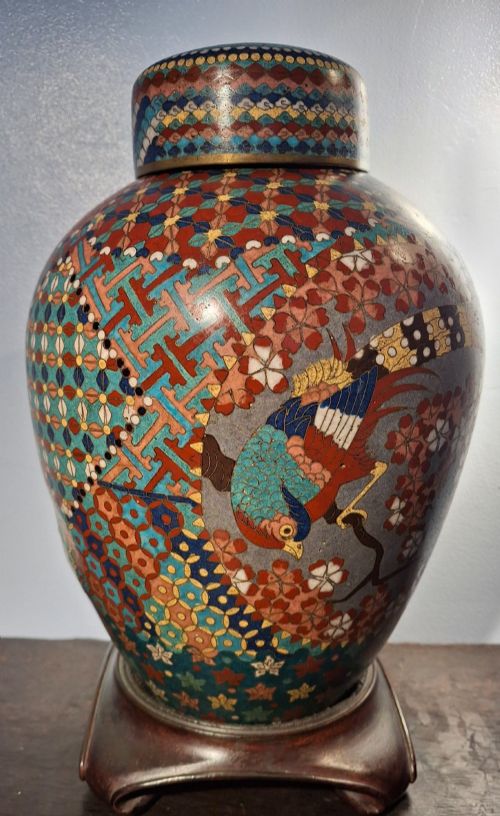
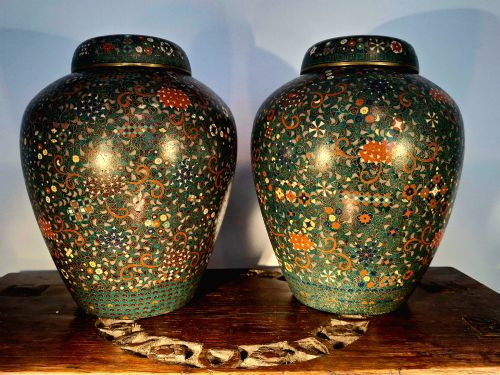
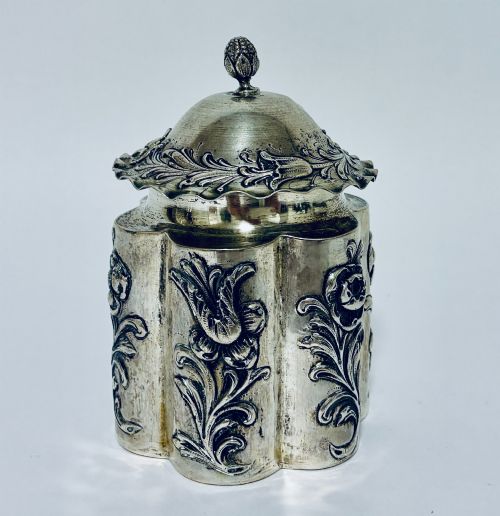
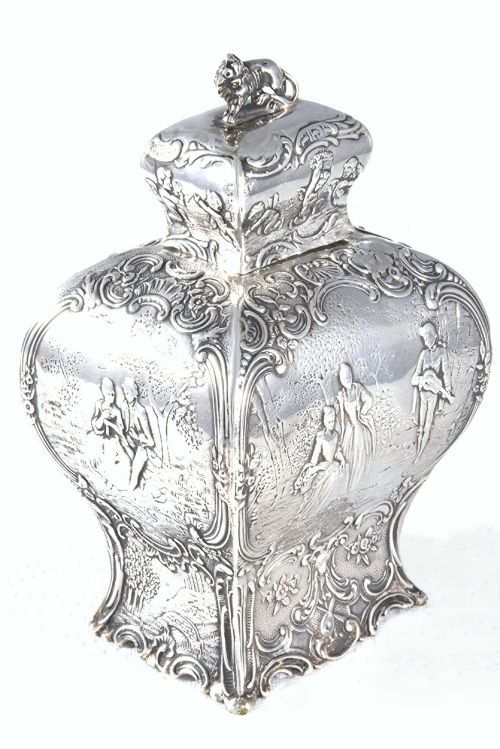
When you search for an antique storage jar, you encounter a diverse group of domestic and commercial vessels spanning tea caddies, apothecary jars, biscuit barrels and large terracotta oil pots. These containers served specific utilitarian purposes in shops, pharmacies and kitchens before finding a place in modern interiors.
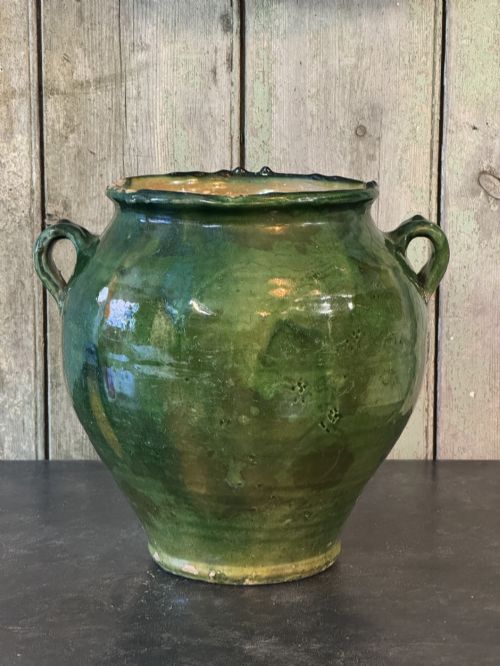
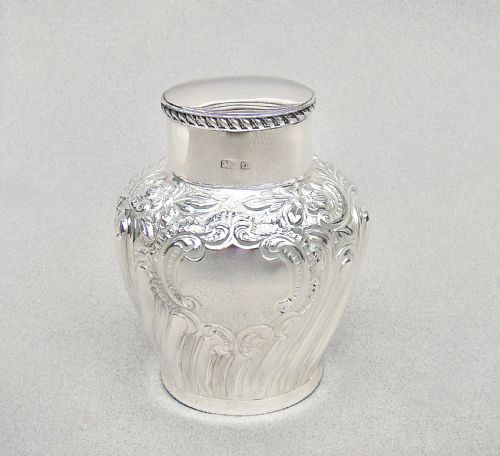
The selections on this page lean heavily toward nineteenth-century European and Asian examples, alongside eighteenth-century English Delftware and Italian majolica drug jars. You meet ceramic confit pots from French provincial workshops alongside sterling silver tea canisters bearing hallmarks from London and Birmingham.
Forms range from small lidded boxes and lacquer sets to substantial glass carboys and tall earthenware olive jars. Each piece reflects the material needs of its period, whether for preserving dry ingredients or displaying medicinal contents.
Materials and Techniques
Makers utilised ceramic, glass, silver and terracotta, shaping them with methods appropriate to each medium. Earthenware and terracotta vessels were thrown on wheels or moulded before receiving lead glazes or tin-glaze coatings such as Delftware and majolica.
Glass storage jars and apothecary carboys were blown, sometimes featuring etched labels or hand-painted enamel decoration. Metal tea caddies and biscuit barrels employed sterling silver or silver plate, often worked with repoussé ornamentation or bombe profiles.
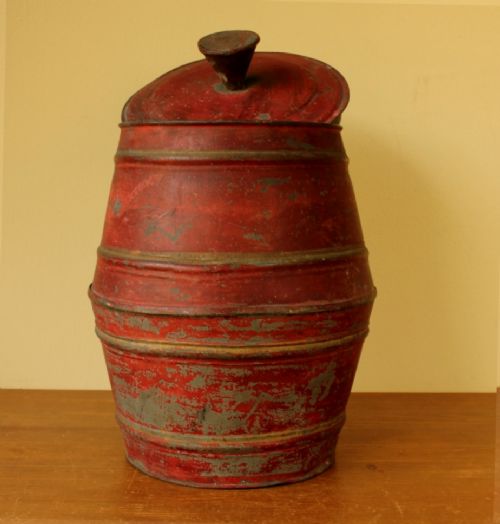
Organic materials also appear, including red lacquered wooden boxes and treen spice towers built in tiered sections. These varied construction methods dictated how each jar contained its contents, from dry spices to wet drugs.
Listings span the eighteenth, nineteenth, and early twentieth centuries, incorporating materials from sterling silver and glass to terracotta and red lacquer.
Evaluating Construction and Condition
Quality in these vessels rests on the precision of the maker's hand and the survival of original surface finishes. A tin-glazed drug jar with crisp hand-painted cobalt lettering stands apart from a standard mass-produced container.
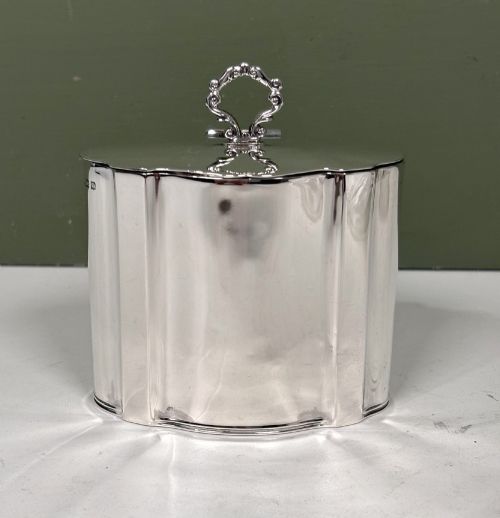
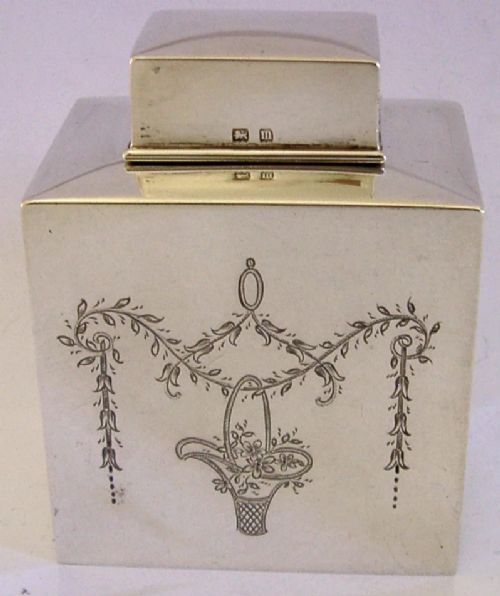
For silver caddies, the clarity of assay office hallmarks and the integrity of hinged lids determine the standard of the piece. Glass items show quality through the thickness of the metal, freedom from excessive distortion, and the preservation of original enamel or etched details.
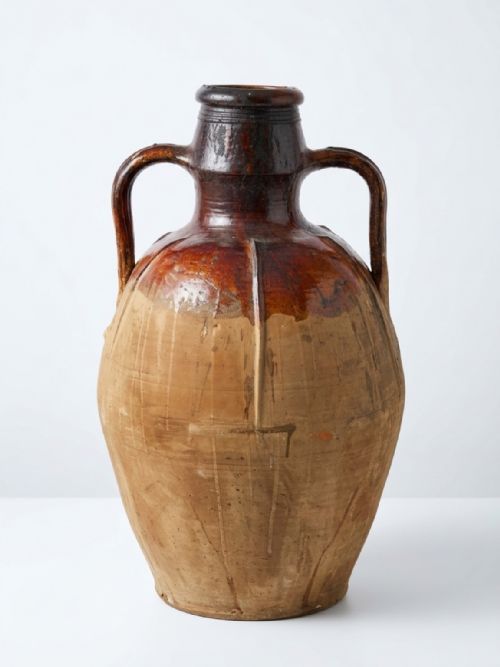
Earthenware confit pots and terracotta oil jars gain distinction from the natural weathering of their glazes and patination accumulated through decades of use.
Zimmermann·Thomas Hayes·Mappin & Webb·Thomas Bradbury·Crown Devon
The Antique Storage Jar Glossary
- Tea Caddy
- A small box or jar designed specifically for storing loose tea leaves securely. They often feature internal lids and lockable silver or wooden bodies.
- Confit Pot
- A French earthenware vessel featuring a fully or partially glazed body, originally utilised for preserving meats. They are recognised by their sturdy loop handles and earthy tones.
- Apothecary Jar
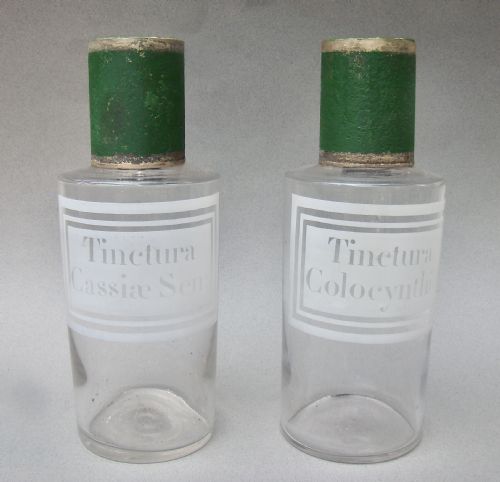
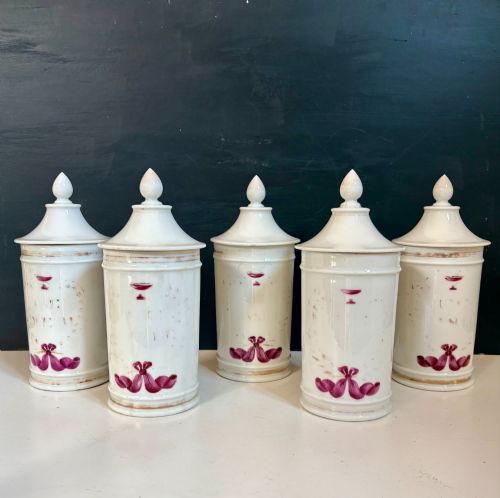
- A glass or ceramic container used in pharmacies to hold medicines, herbs, or chemicals. Examples often display Latin drug labels or painted cartouches.
- Biscuit Barrel
- A covered ceramic or silver-plated container used on dining tables for biscuits and dry baked goods. Edwardian and Victorian examples frequently incorporate swing handles.
- Tin-Glaze
- A pottery earthenware body coated with a white tin-oxide glaze that provides an opaque surface for painted decoration. This technique defines majolica and Delftware pieces.
Antique Storage Jar: Frequently Asked Questions
What did apothecary jars hold?
Apothecary jars held dried herbs, roots, chemical powders and liquid medicines in chemist shops and dispensaries. Many featured hand-painted labels or glass panels to identify the contents.
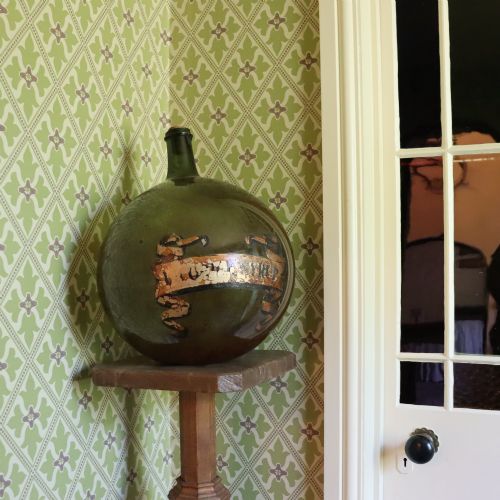
Larger carboys stood in windows to signal the trade to the street.
How do I use a biscuit barrel today?
A ceramic or silver-plated biscuit barrel serves well on a kitchen counter or dining table for storing dry goods or biscuits. The lidded design keeps contents fresh while displaying decorative enamel or metalwork.
They also function as dry storage containers for small household items.
Are terracotta oil jars frost proof?
Most antique terracotta oil jars and garden vessels were fired for indoor or sheltered courtyard use rather than freezing modern winters. Placing them outside during sub-zero temperatures risks cracking the porous earthenware.
Indoor display protects the aged patina and dry surfaces.
How are silver tea caddies dated?
Silver tea caddies carry hallmarks stamped directly into the metal indicating the maker, city of assay, and a specific date letter. These official marks provide precise chronologies for pieces made in London, Birmingham or continental workshops.
Unmarked silver and plated items rely on stylistic clues and construction.