
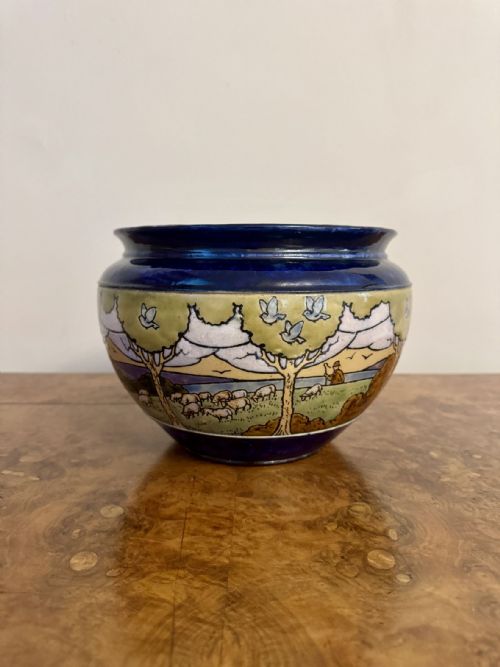
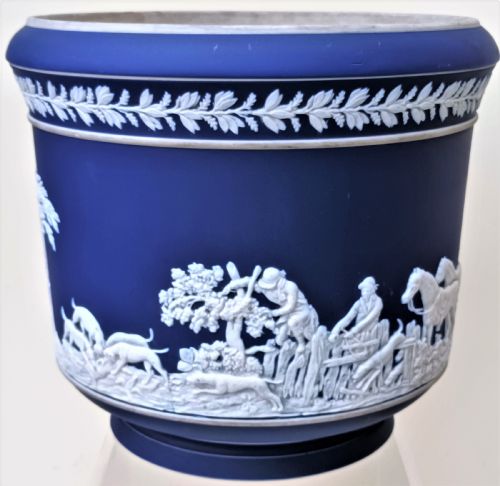
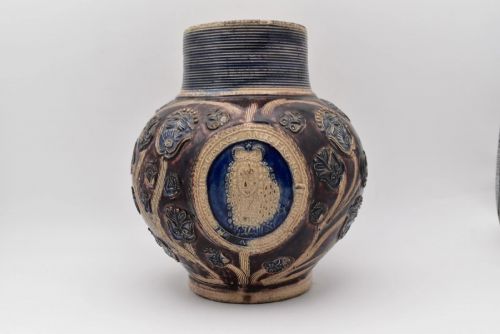


Antique Stoneware Pot
These heavy, durable vessels bridge utilitarian storage and decorative arts, bringing historic character into modern rooms when you buy an antique stoneware pot.
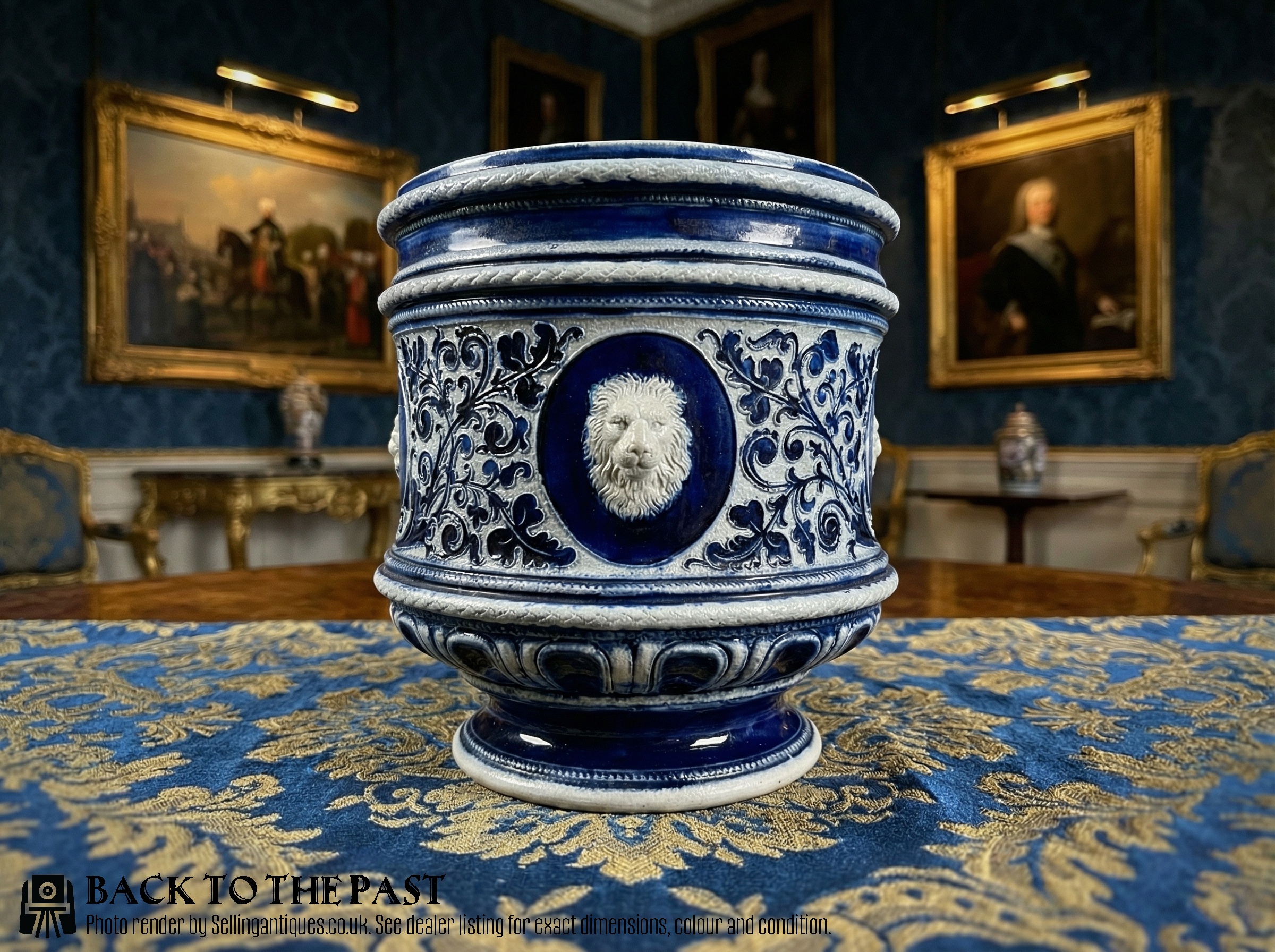
Antique Stoneware Pot
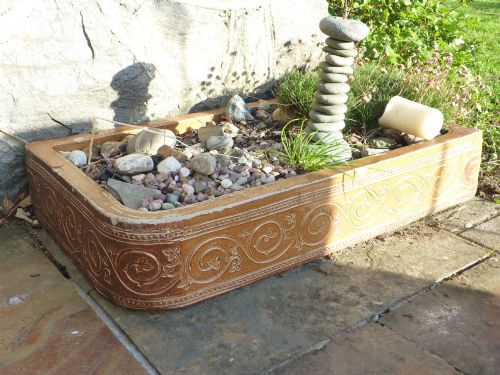
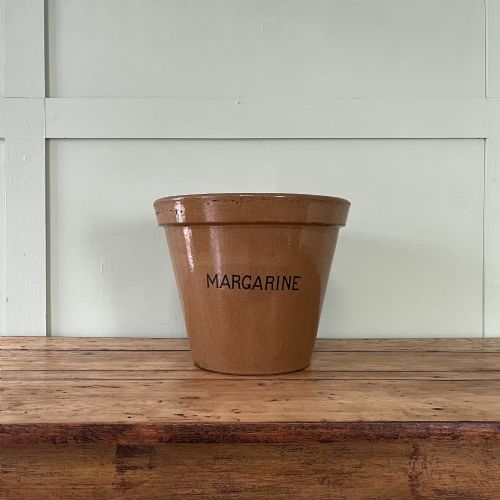
An antique stoneware pot encompasses everything from robust nineteenth-century storage jars and French confit pots to intricate Victorian jardinières and early German salt-glazed jugs. You will frequently encounter large planters, garden troughs, and kitchen vessels spanning the seventeenth century through the early twentieth century.
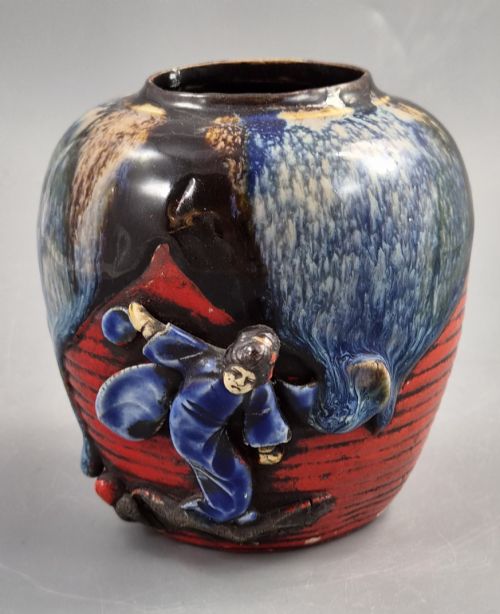
The material traditions range from heavy salt-glazed English and German utilitarian bodies to refined jasperware tea sets, confit jars, and Japanese art pottery vases. These pieces served practical domestic and agricultural roles before transitioning into ornamental display items for homes and gardens.
How they were made
Potters shaped dense ceramic bodies on wheels or in moulds, employing high-firing techniques that vitrified the clay and rendered it impermeable to liquids without requiring complex interior glazing. Salt glazing imparted a characteristic textured orange-peel surface during kiln firing, while other items received rich green, blue, or brown lead glazes.
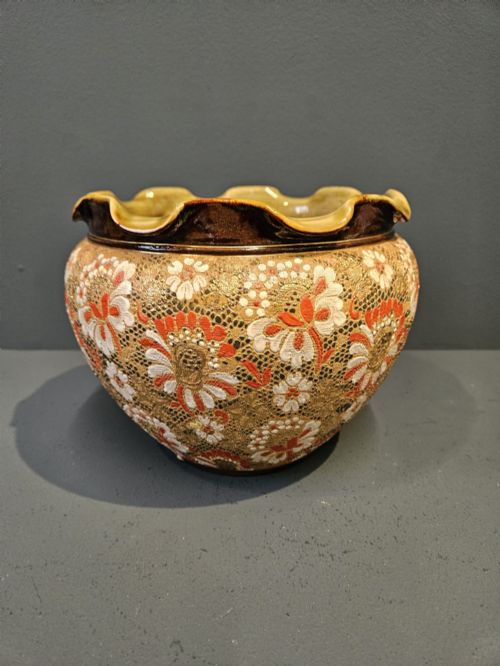
Makers embellished surfaces through slip trailing, incised foliage, moulded sprigs, and specialist reactive glazes such as flambé. Many utilitarian storage vessels and garden planters display simple hand-thrown marks, whereas exhibition pieces from potteries like Doulton Lambeth showcase elaborate relief ornamentation and specialised stoneware bodies like Slaterware.
An eighteenth-century tavern soup jar and a nineteenth-century ceramic rugby ball inkwell prove that historic potters possessed a wonderfully dry sense of humour.
What varies in quality
Quality rests in the crispness of moulded or incised decoration, the intentionality of the glaze application, and the structural integrity of heavy ceramic walls. Pieces featuring named artists, complex slip work, or uncommon forms demonstrate a higher degree of workshop mastery than basic utility wares.
The distinction between a standard kitchen vessel and an exhibition-grade piece lies in the refinement of the clay body and the balance of the form. Well-potted rims, even glaze coverage without excessive kiln flaws, and sharp relief detailing elevate certain pots into notable examples of ceramic history.
Royal Doulton·Doulton Lambeth·William Adams and Sons·Makuzu Kozan·Enoch Wood and Sons
The Antique Stoneware Pot Glossary
- Stoneware
- A dense, vitreous ceramic fired at high temperatures until the clay body fuses and becomes non-porous. This impervious nature made it the preferred medium for holding liquids, preserves, and garden plantings.
- Salt-Glazed Stoneware
- Pottery finished by throwing common salt into the kiln during high-temperature firing, which vaporizes and reacts with the silica in the clay to create a pitted, glossy texture. This finish protects the vessel against moisture and chemical corrosion.
- Jardiniere
- An ornamental ceramic pot or stand designed to hold growing plants or flowers indoors. They frequently feature decorative relief motifs or rich coloured glazes suited for drawing rooms and orangeries.
- Confit Pot
- A traditional French earthenware or terracotta storage jar, often partially glazed in green or honey tones, utilised originally for preserving meats and fats. Their generous proportions and earthy patinas make them popular for interior decoration.
- Jasperware
- A fine-grained, unglazed stoneware developed by Wedgwood, typically featuring white neoclassical relief figures contrasted against a coloured background such as blue, green, or white. This refined ceramic style mimics the appearance of ancient carved cameos.
Antique Stoneware Pot: Frequently Asked Questions
What were stoneware pots used for?
Utilitarian stoneware pots served primarily to store liquids, oils, salted meats, and dry goods securely before modern refrigeration existed. Heavy crocks and jars kept provisions cool and protected from pests in domestic larders and cellars.
Larger vessels functioned as garden planters, drainage troughs, and umbrella stands for grand country houses and urban villas. Over time, many utility vessels transitioned into decorative interior cache pots and jardinieres.
How do I date an antique stoneware pot?
Dating relies on examining stylistic markers, manufacturing marks, glaze types, and the method of forming the clay body. Earlier pieces from the seventeenth and eighteenth centuries often feature hand-thrown irregularities and stamped salt-glazed decorations, while nineteenth-century items introduce industrial moulds and distinct studio signatures.
Maker stamps, registration diamonds, and specific colour palettes like Victorian jasperware or Arts and Crafts glazes help narrow down the production decade. Comparing surface wear and potting techniques against documented examples confirms the era.
Can antique stoneware pots go outside?
Many sturdy stoneware and salt-glazed garden planters, troughs, and urns are built to withstand outdoor elements and seasonal weather changes. Their dense, vitrified clay bodies resist moisture absorption when fired at appropriately high temperatures.
Fragile art pottery, delicate earthenware confit pots, and pieces with historical glazes require shelter from freezing temperatures and persistent dampness to prevent surface spalling. Checking the specific ceramic body type ensures safe placement in gardens versus interior rooms.
What is the difference between earthenware and stoneware?
Earthenware is fired at lower temperatures, leaving the porous clay body permeable to liquids unless coated entirely in a glassy glaze. It feels lighter and often serves decorative or light kitchen duties.
Stoneware undergoes much higher kiln temperatures, causing the clay particles to vitrify and fuse into a hard, stone-like material that holds water independently. This dense composition makes stoneware heavier and significantly more durable for rugged storage tasks.