

Antique Stone Figure Sculpture
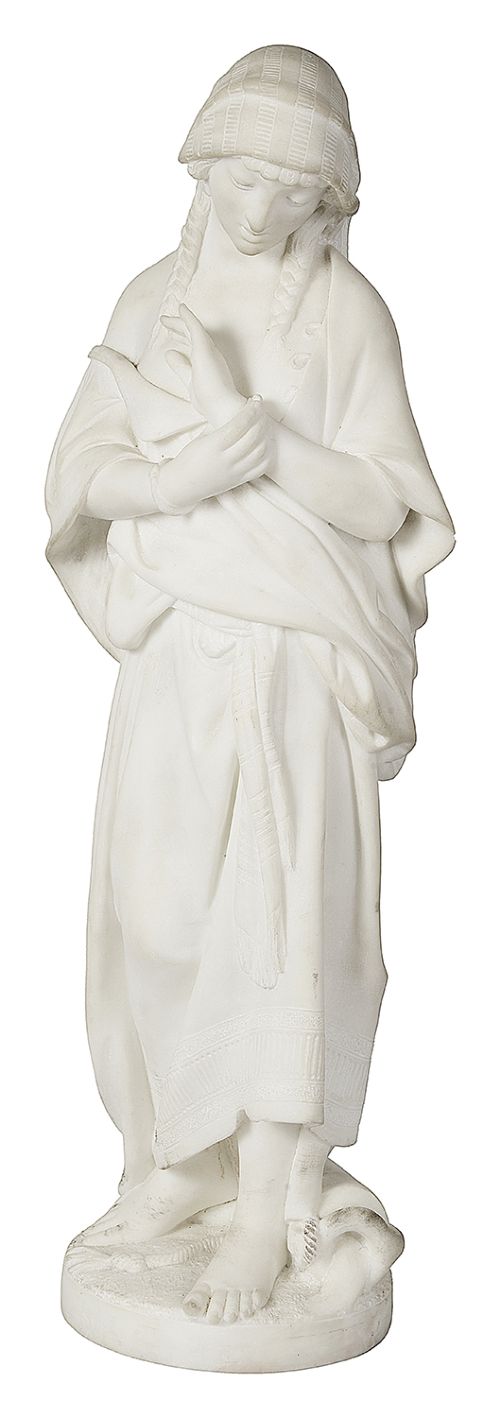
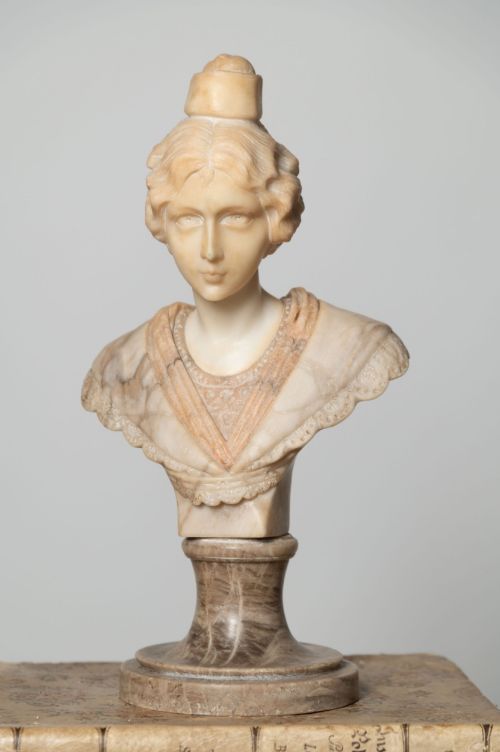
An antique stone figure sculpture brings classical weight and carved detail into a room, spanning Italian Grand Tour subjects and quiet nineteenth-century portrait busts.
Antique Stone Figure Sculpture
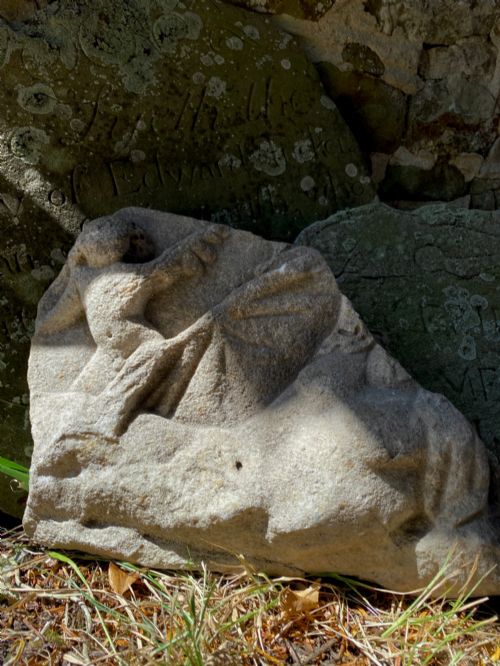
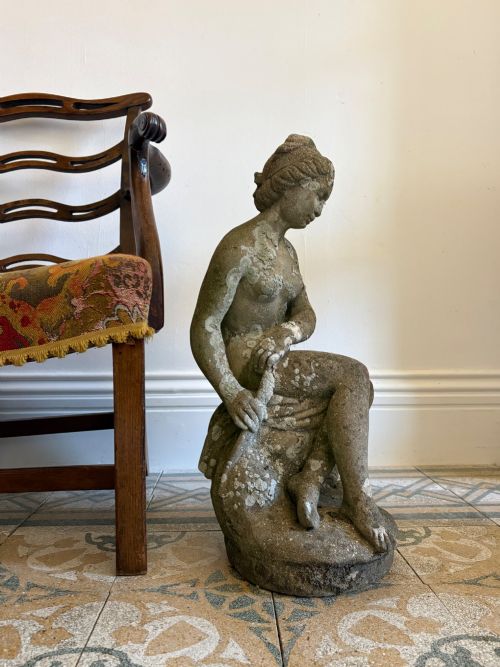
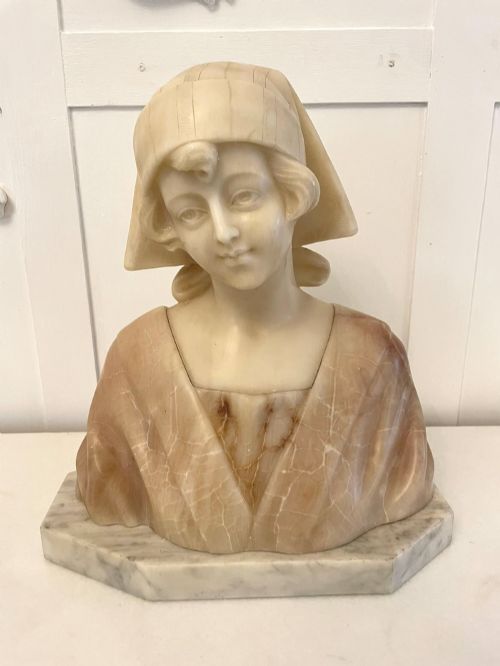
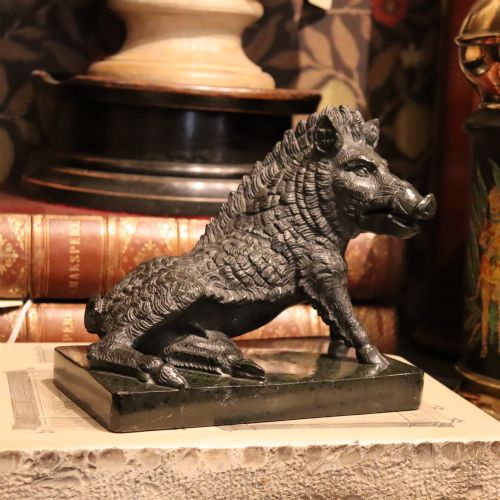
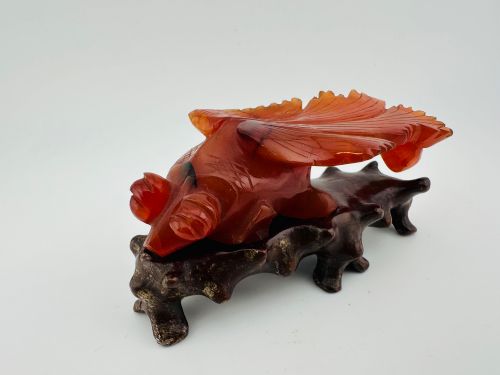
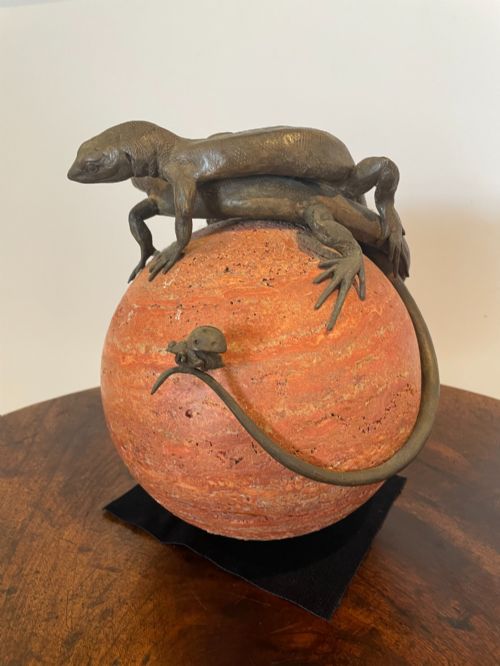
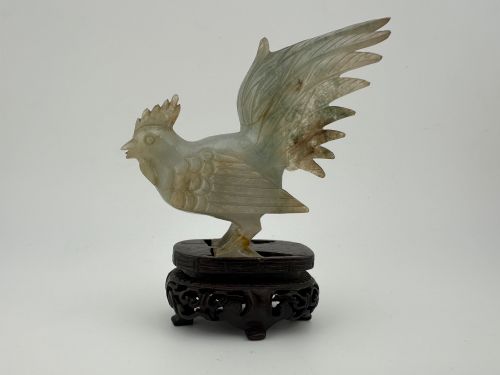
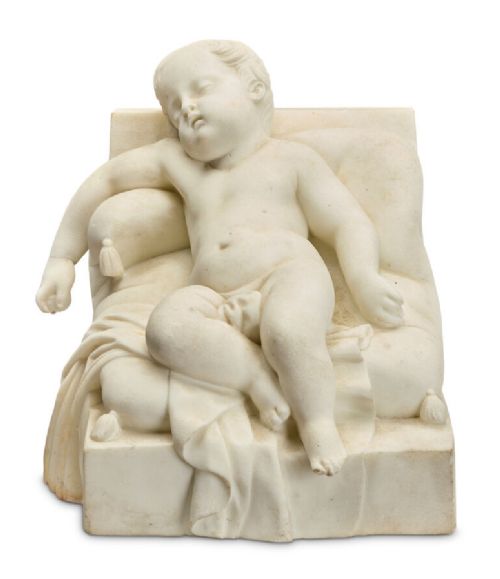
An antique stone figure sculpture encompasses carved human busts, animal models, mythological subjects, and garden ornaments spanning from the seventeenth century through to the early decades of the twentieth century.
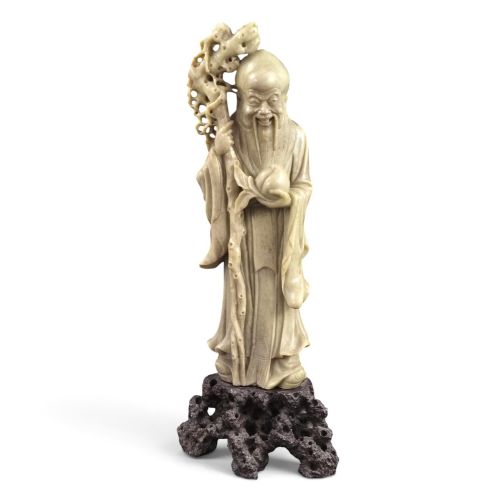
Buyers frequently encounter nineteenth-century Italian Grand Tour carvings, neoclassical portrait busts of literary figures and muses, and Chinese soapstone or serpentine scholar carvings.
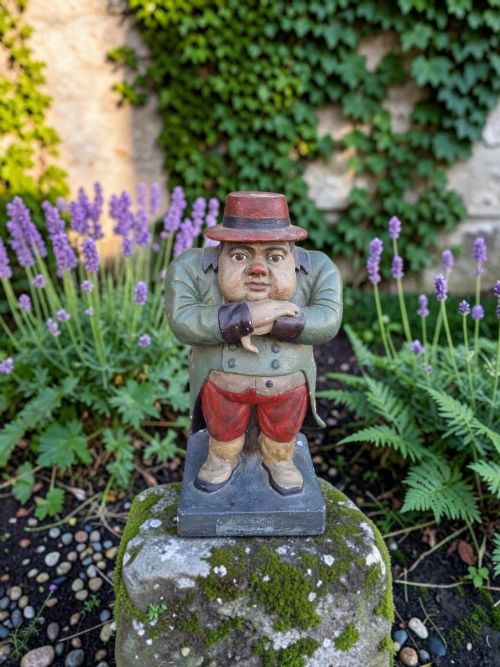
Pieces range from diminutive amulets and figurines to life-sized garden statues, utilising durable mediums suited for both interior display and exterior courtyards.
Materials and carving techniques
Sculptors utilised fine-grained stones including Carrara marble, veined alabaster, green serpentine, and softer soapstone, shaping them with chisels, rasps, and hand drills to achieve smooth contours and fine drapery folds.
Many nineteenth-century works originated in Florentine and Roman workshops, where artisans copied classical antiquities or carved original neoclassical figures, sometimes combining different stone types within a single sculpture.
Antique Stone Figure Sculpture Retail Price Guide 2026
Typical asking prices for stone figure sculpture among the pieces listed under this phrase on Sellingantiques today, from the lower quarter to the upper quarter. They describe what is for sale here now, not the wider market.
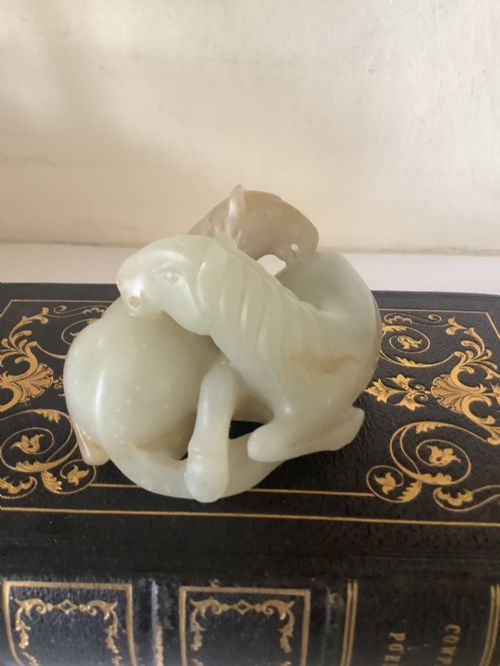
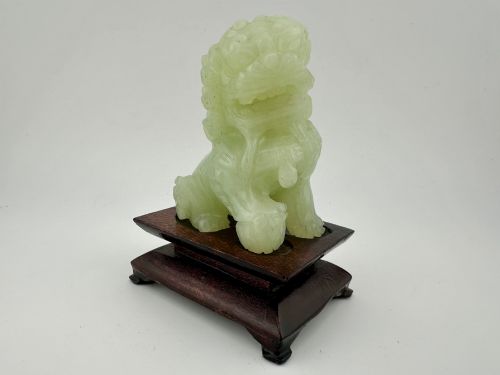
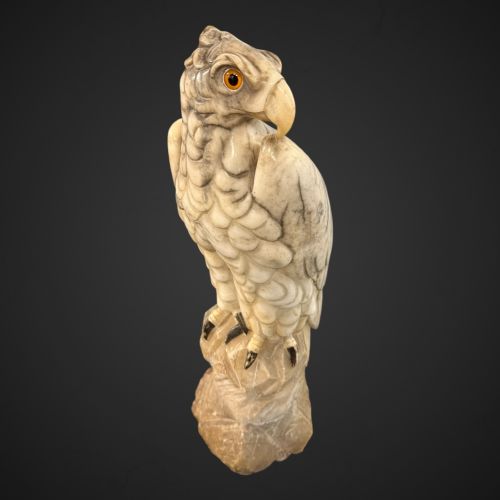
Among the stone menagerie rest patient stone pigeons, recumbent green marble lions, and a steadfast stone camel carrying its rider.
Craftsmanship and expression
Quality rests upon the sensitivity of the carving, visible in the natural fall of hair, the definition of facial expressions, and the crisp rendering of hands and drapery.
Superior examples demonstrate a careful selection of stone, where natural veining enhances the sculptural form rather than obscuring anatomical details, and often bear the signatures of known European sculptors or respected Chinese ateliers.
Barranti·Houdon·Eugene Aizelin·Antonio Canova·Carrier-Belleuse·Auguste Henri Carli
The Antique Stone Figure Sculpture Glossary
- Grand Tour
- A cultural journey undertaken by nineteenth-century elites who acquired small-scale marble and serpentine copies of classical antiquities in Italy as souvenirs.
- Neoclassical
- A revival style drawing inspiration from the classical art and architecture of ancient Greece and Rome, prevalent in nineteenth-century busts and figures.
- Serpentine
- A group of green silicate minerals often polished and utilised by Italian and Chinese carvers for animal figures and smooth-surfaced models.
- Alabaster
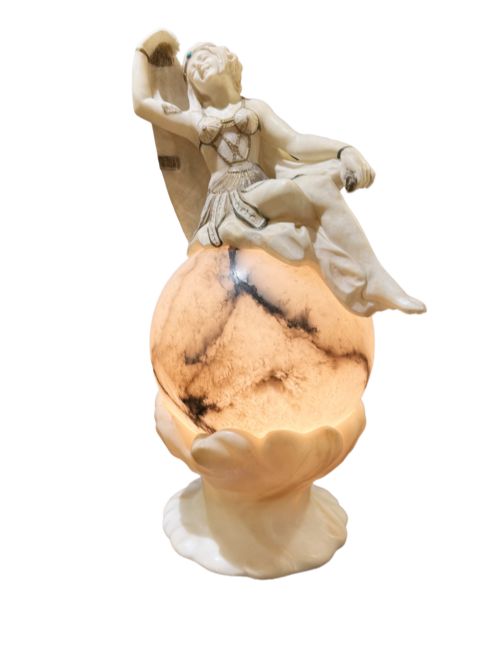
- A soft, translucent stone favoured by sculptors for interior portrait busts because it accepts fine detail and admits light beneath the surface.
- Animalier
- A nineteenth-century artistic genre focusing on the realistic portrayal of animals, seen in carved stone lions, boars, and camels.
Antique Stone Figure Sculpture: Frequently Asked Questions
What is an antique stone figure sculpture?
These pieces comprise hand-carved statues, portrait busts, and animal figures executed in marble, alabaster, soapstone, and reconstituted stone over the past several centuries.
They originate primarily from European sculpture studios and Chinese workshops, capturing subjects from classical mythology, portraiture, and garden ornament.
Where were these sculptures displayed historically?
Smaller marble and alabaster busts and animal figures sat upon library shelves, desks, and cabinet tops in nineteenth-century homes, often brought back from travels abroad.
Larger figures and reconstituted stone statues were designed to stand outdoors in gardens, courtyards, and terraces.
How do I care for antique stone sculpture?
Interior marble and alabaster pieces require only gentle dusting with a soft, dry cloth to prevent the accumulation of grit in carved crevices.
Outdoor stone and reconstituted pieces should be protected from harsh frost where possible and kept clear of climbing vegetation that retains moisture against the surface.
How do I identify the period of a stone sculpture?
Dating relies upon stylistic markers such as neoclassical drapery, Victorian portrait hairstyles, or specific nineteenth-century Grand Tour subjects, alongside the tool marks left on the underside.
Signatures incised into the base or rear of the sculpture often point directly to known European studios or Chinese dynasties.