

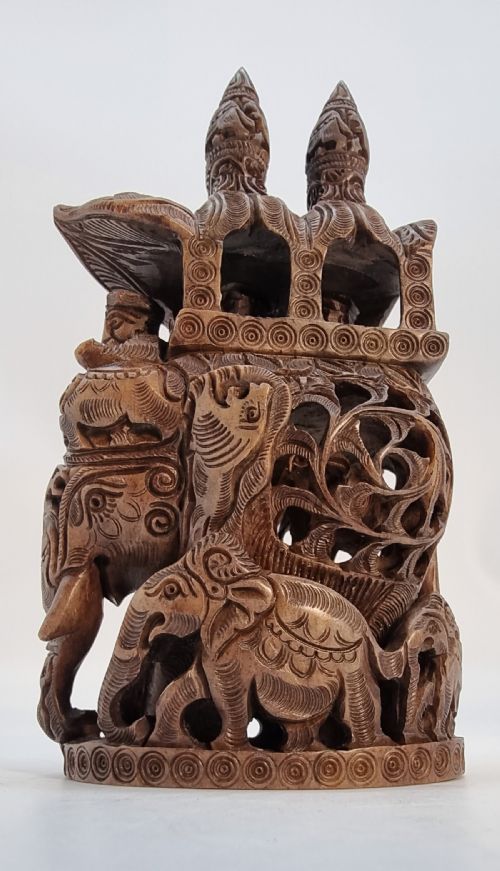


Antique Stone Animal
These antique stone animal carvings range from substantial garden troughs and grand Italian marble figures to delicate Chinese jade and soapstone miniatures.
Antique Stone Animal
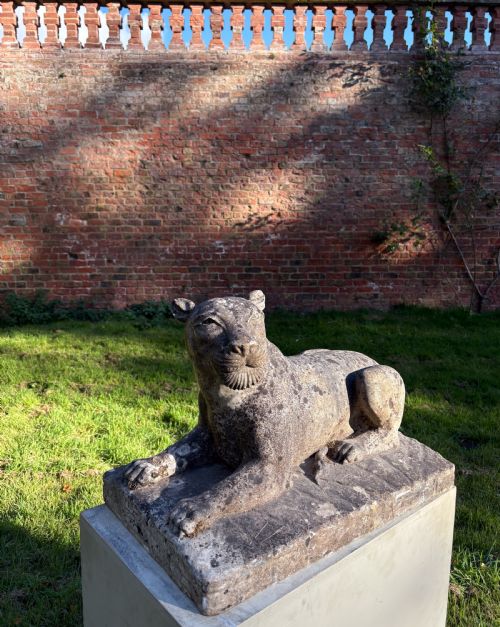
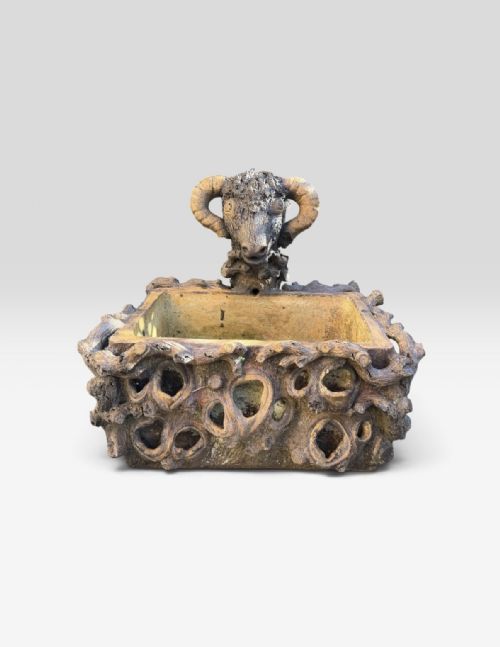
An antique stone animal brings sculptural form and natural texture into an interior or garden setting, capturing subjects from domestic livestock to classical mythological beasts. When exploring antique stone animal pieces, buyers encounter everything from massive sandstone pig troughs and garden planters to cabinet-sized hardstone carvings and marble statues.
The selections span diverse cultural traditions and centuries, including Victorian rustic troughs, Italian Grand Tour green serpentine models, and Chinese hardstone carvings on fitted hardwood stands. Pieces range across the nineteenth and twentieth centuries, taking the shape of dogs, horses, birds, and fish.
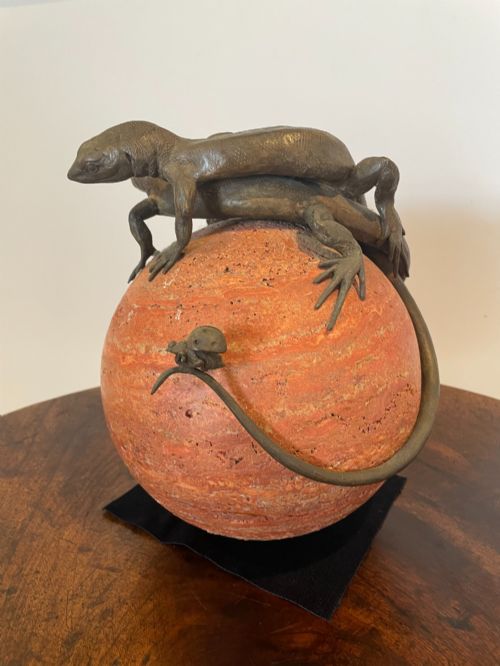
Domestic and personal adornments also appear within the category, encompassing silver paste lizard brooches and decorative bookends alongside architectural marble pet memorials and large garden sculptures.
How they were made
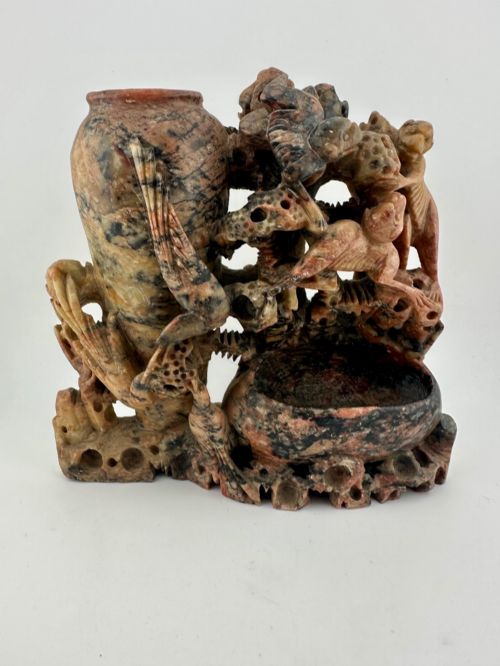
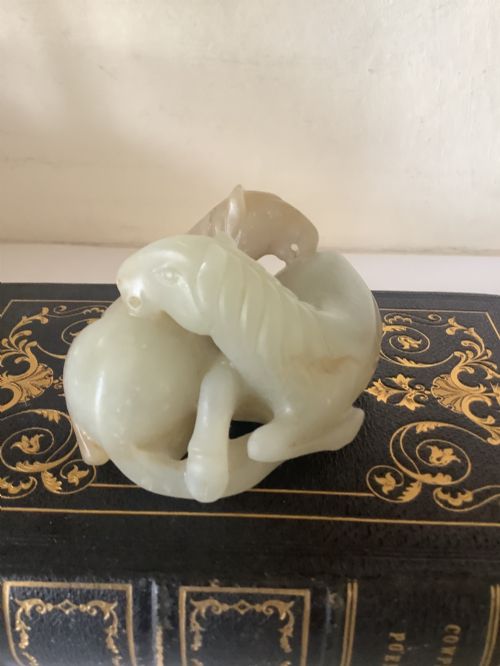
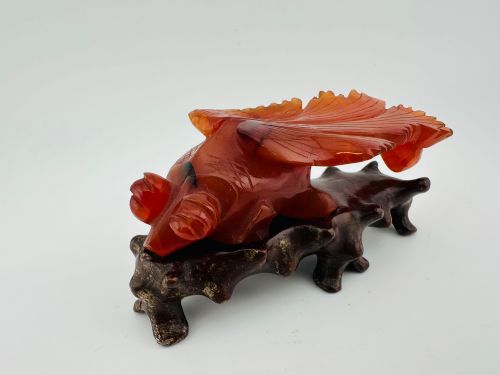
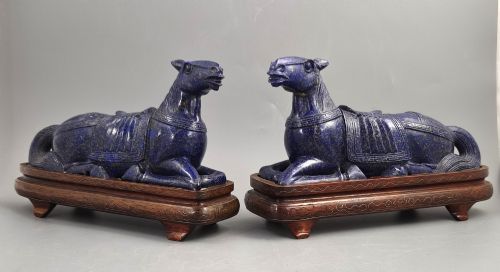
Makers shaped these subjects using a variety of stones and minerals, carving hardstones like jade, carnelian agate, and lapis lazuli alongside softer materials such as soapstone, alabaster, and Derbyshire alabaster. Sculptors also utilised veined Carrara marble and green serpentine marble, mounting smaller Asian carvings on fitted hardwood stands or silver inlaid bases.
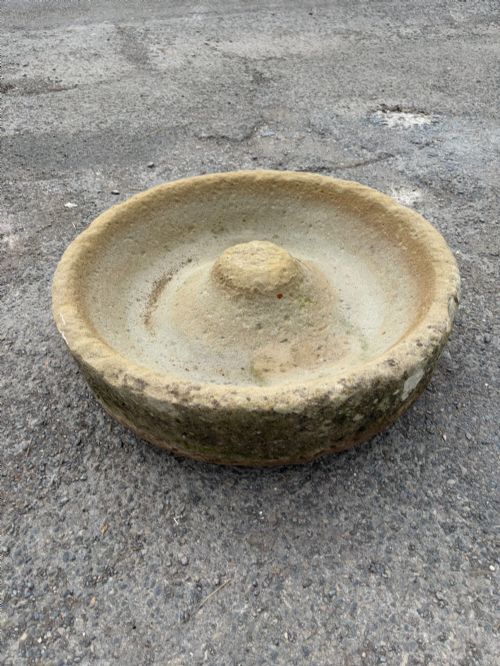
Architectural and utilitarian items utilised coarser materials, employing sandstone and salt-glazed stone for heavy garden troughs and agricultural use. Production techniques combined hand-chiselling of dense stone blocks with detailed surface polishing for cabinet sculptures and architectural models.
Antique Stone Animal Retail Price Guide 2026
Typical asking prices for stone animal among the pieces listed under this phrase on Sellingantiques today, from the lower quarter to the upper quarter. They describe what is for sale here now, not the wider market.
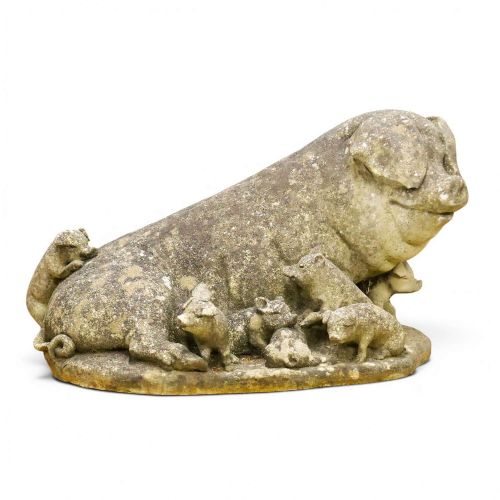
Some nineteenth-century carvers rendered domestic pigs and farmyard piglets with surprising charm in solid sandstone.
What varies in quality
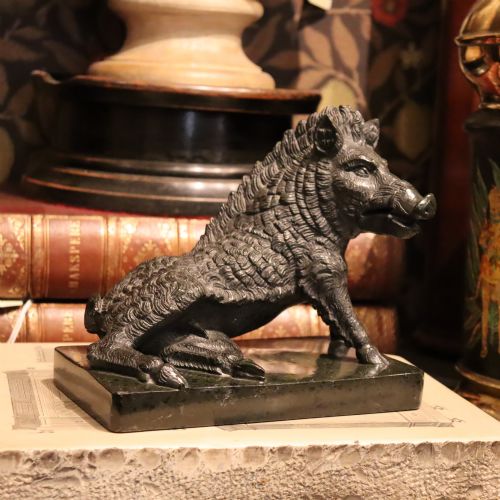
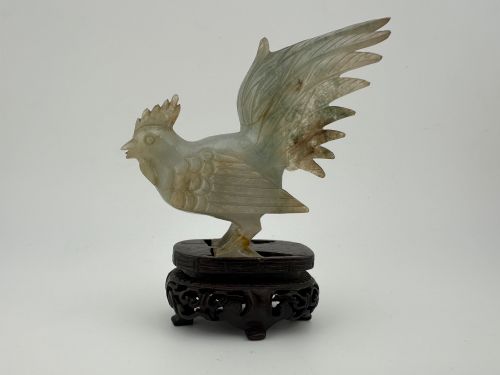
Quality rests upon the precision of the carving and the anatomical accuracy of the animal form, distinguishing spirited naturalistic studies from stiffer, routine production. Finer items display careful attention to muscular tension, texture, and facial detail, whether rendering a Florentine boar, a wild stallion, or a cockerel in jade.
The choice of material and the integrity of the stone significantly influence the standing of a piece, with flawless hardstones and richly veined marbles commanding greater attention than simpler utility stones. Original matching stands, fitted bases, and well-preserved surfaces further elevate the presence of cabinet sculptures.
Bright And Sons·Joseph Gott
The Antique Stone Animal Glossary
- Hardstone
- A semi-precious stone such as jade, agate, or lapis lazuli used for small-scale decorative carvings. These materials require specialised abrasive cutting techniques.
- Grand Tour
- A nineteenth-century tradition where wealthy travellers collected classical sculptures and architectural models in Italy. These souvenirs often replicated famous antique statues such as the Florentine boar.
- Serpentine marble
- A dark green, mottled mineral resembling marble that was frequently utilised in nineteenth-century Italian carving. It takes a high polish and mimics the appearance of ancient stones.
- Soapstone
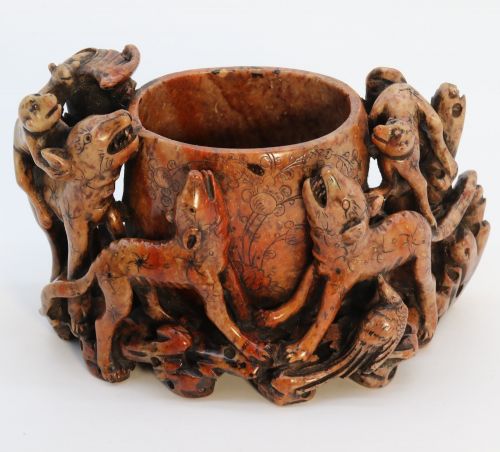
- A relatively soft, talc-based metamorphic stone that allows for intricate hand-carving. It appears frequently in traditional Chinese brush pots and animal studies.
- Salt glaze
- A vitreous coating formed by throwing salt into the kiln during high-temperature firing. This technique creates a durable, glossy finish on utilitarian vessels and troughs.
Antique Stone Animal: Frequently Asked Questions
How do I care for marble and stone sculptures?
Dust marble and hardstone carvings regularly with a soft, dry cloth to prevent surface accumulation. Avoid harsh chemical cleaners and keep natural stone pieces away from excessive moisture and direct heat sources.
For large garden troughs and sandstone items exposed to the elements, gentle washing with water helps clear debris without damaging the weathered surface patina.
What is the difference between hardstone and soft stone carvings?
Hardstones include dense minerals like jade, carnelian, and lapis lazuli that resist scratching and take a brilliant polish. These materials are typically reserved for small cabinet sculptures, miniatures, and decorative objects.
Soft stones like soapstone and alabaster allow for deeper undercut details and softer tactile qualities. They appear more often in figurative studies and vessels where intricate manual carving is prioritized over extreme durability.
Are Italian Grand Tour marbles antique copies?
Grand Tour carvings produced in nineteenth-century Italy frequently replicated famous classical antiquities discovered during archaeological excavations. Sculptors carved these green marble and serpentine models as high-status souvenirs for European travellers.
These pieces hold independent value as masterworks of nineteenth-century craftsmanship rather than mere reproductions, reflecting the period's fascination with classical antiquity.