



Antique Stick Furniture
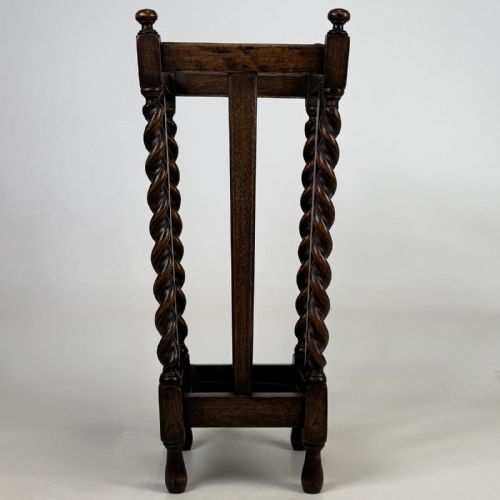
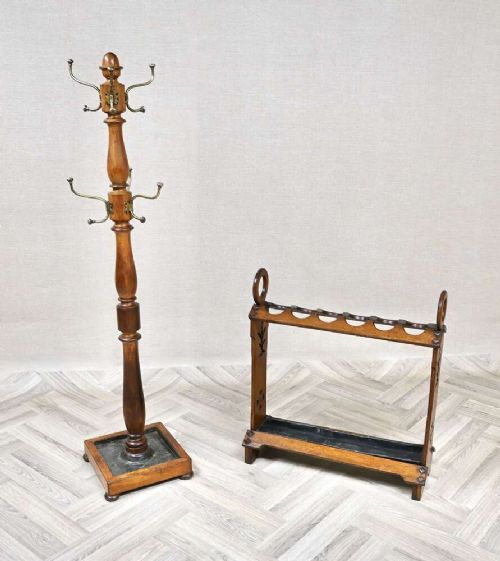
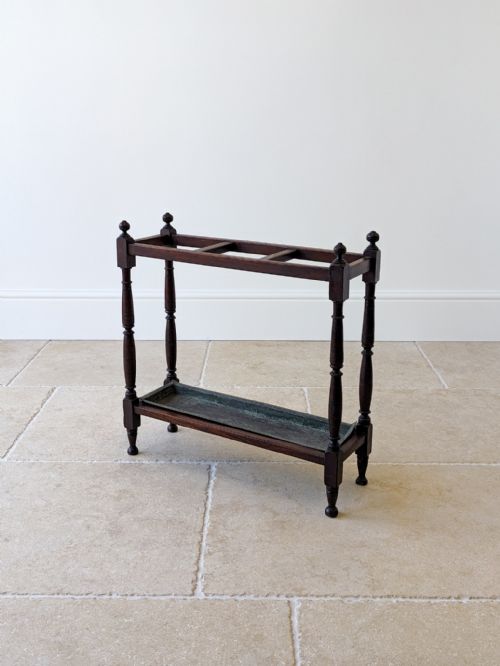
These antique stick furniture pieces combine utility and craftsmanship, offering practical umbrella holders, hall stands, and rustic seating for the home.
Antique Stick Furniture
Antique stick furniture spans practical items designed for hallways and country seating, where umbrella stands, hall stands, and Windsor armchairs dominate the selection. These pieces originate across the Victorian, Edwardian, and Georgian periods, alongside later nineteenth and twentieth-century examples.
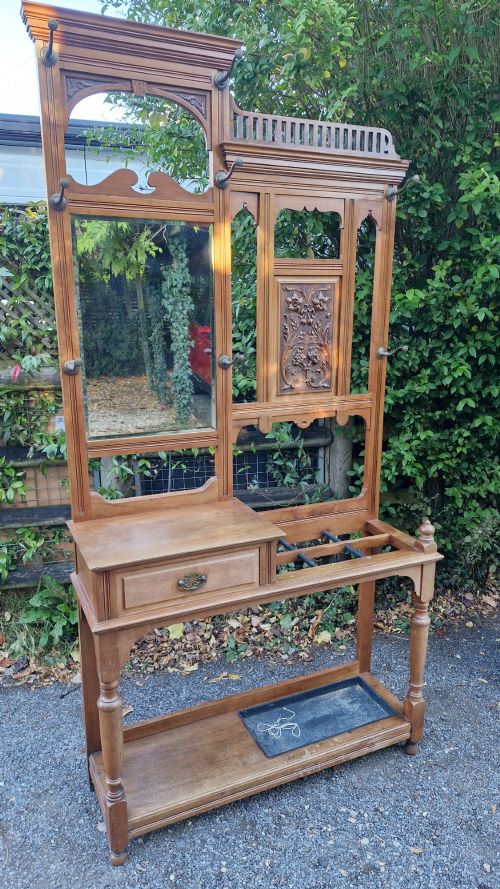
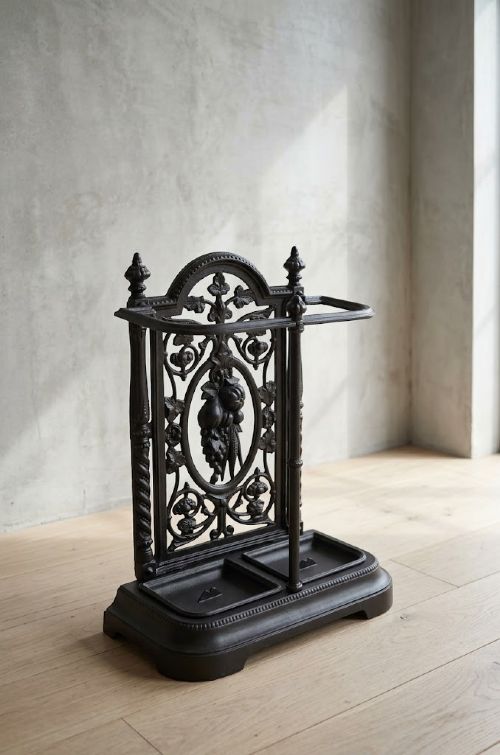
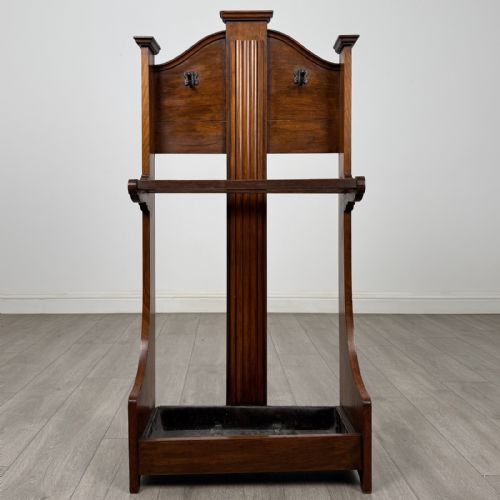
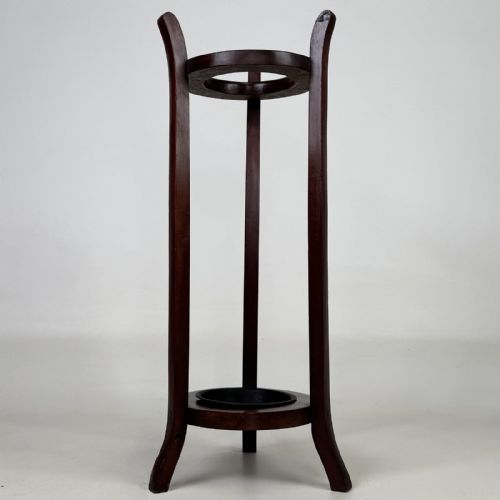
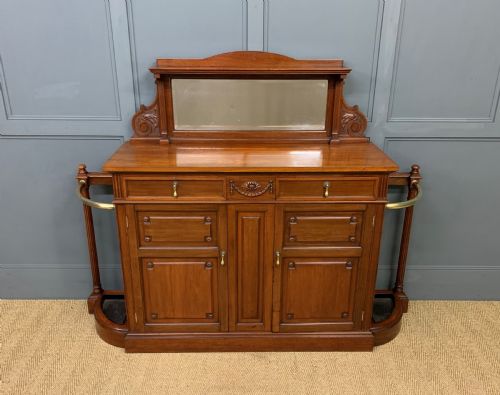
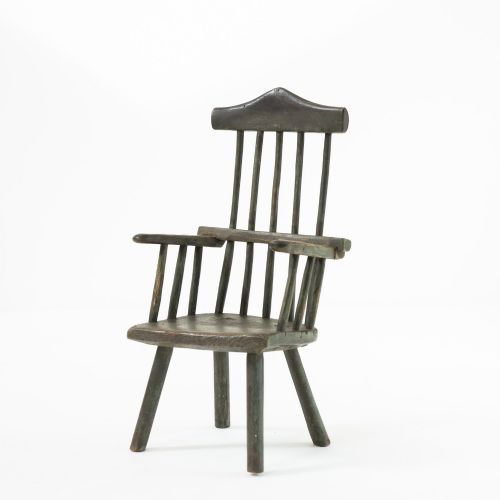
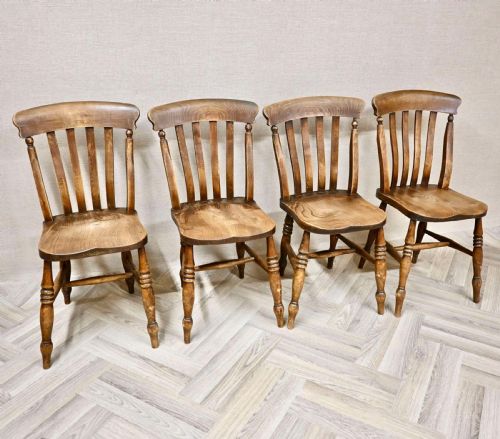
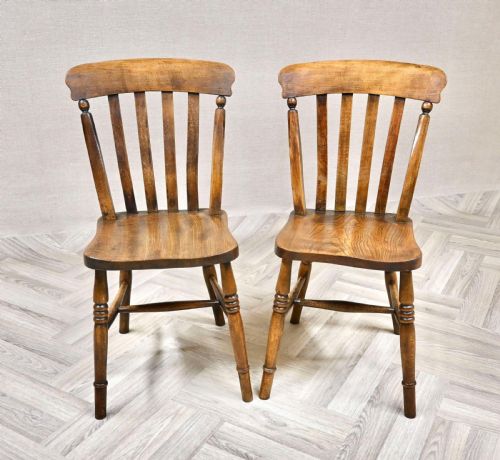
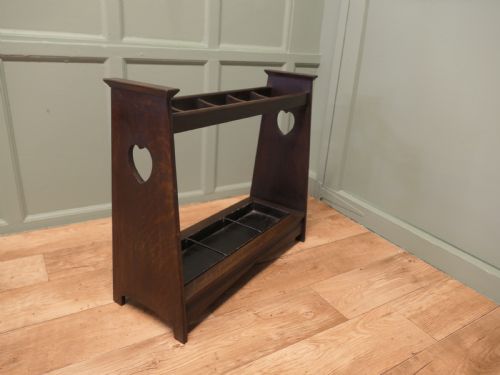
Hall stands and umbrella stands frequently incorporate dedicated drip trays, coat hooks, and mirror panels, serving the functional demands of entranceways. Seating forms range from lathback and hoop back Windsor chairs to folk art primitive children's armchairs.
Makers and designers from notable firms like Liberty, Shoolbred and Co., and Heals of London appear alongside regional country pieces in oak, elm, and ash. The selection unites urban aesthetic designs with robust vernacular woodworking traditions.
Evaluating Craftsmanship
Quality rests in the integrity of the timber selection, the crispness of iron castings, and the survival of original structural components like drip trays and mirrors. Superior examples display refined turning on Windsor chair spindles and balanced proportions in hall stands.
Maker attribution elevates certain oak umbrella stands and walnut hall cupboards, while robust vernacular country furniture relies on honest patination and traditional construction methods to command interest.
Antique Stick Furniture Retail Price Guide 2026
Typical asking prices for stick furniture among the pieces listed under this phrase on Sellingantiques today, from the lower quarter to the upper quarter. They describe what is for sale here now, not the wider market.
Listings feature periods spanning from the eighteenth century through to the Edwardian era, constructed in oak, elm, cast iron, and brass.
Shoolbred and Co.·Heals of London
The Antique Stick Furniture Glossary
- Windsor chair
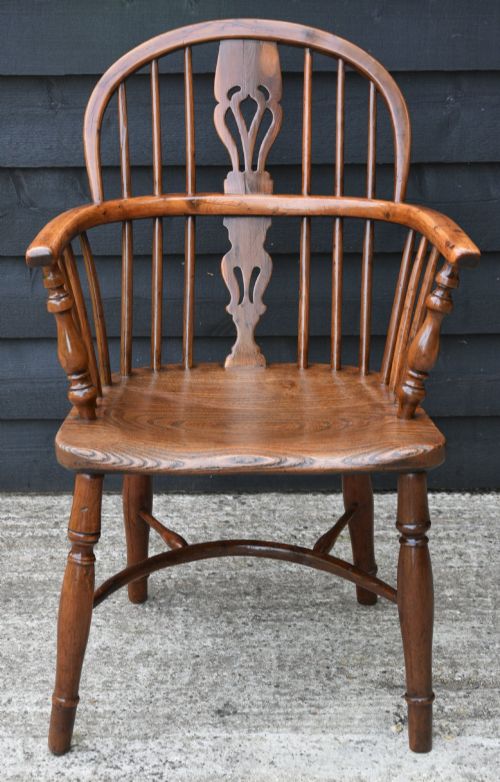
- A wooden chair constructed with a solid sculpted seat into which the legs and back spindles are separately inserted. They often feature elm seats combined with ash or yew framework.
- Hall stand
- A piece of hallway furniture combining coat hooks, a mirror, and a base compartment with drip trays for walking sticks and umbrellas. They appear in oak, mahogany, and bamboo.
- Crinoline stretcher
- A curved metal or wooden brace linking the legs of a Windsor chair to provide stability. It takes its name from the hoop skirts worn in the nineteenth century.
- Lathback
- A chair back design featuring vertical wooden slats or laths secured between a top bow and the seat. This style is typical of traditional English country kitchen chairs.
Antique Stick Furniture: Frequently Asked Questions
What is antique stick furniture?
Antique stick furniture encompasses items designed to hold walking sticks and umbrellas, alongside seating built with turned wooden spindles. The category includes hallway stands, umbrella racks, and stick-back chairs from the eighteenth to the twentieth centuries.
These pieces served functional roles in domestic interiors, holding wet outerwear and providing sturdy seating in hallways and country kitchens.
How do I care for wooden hall stands?
Keep wooden hall stands away from direct heat sources and sudden temperature changes to prevent the timber from splitting. Regular dusting and occasional application of appropriate furniture wax preserve the finish.
Ensure metal drip trays inside umbrella compartments are emptied and dried regularly to prevent moisture damage to the surrounding wood base.
How do I date an antique stick stand?
Dating relies on stylistic clues, construction methods, and materials such as cast iron, oak, or mahogany. Victorian and Edwardian examples often feature incorporation of mirrors and integrated drip trays.
Georgian and eighteenth-century country pieces display vernacular woodworking techniques and simpler forms without the complex cast ironwork seen in later Victorian manufacturing.
Where were umbrella stands used?
Umbrella and stick stands were placed in the entrance halls of large homes and townhouses to catch dripping water from wet weather gear. They provided guests with a designated place for walking sticks upon entry.
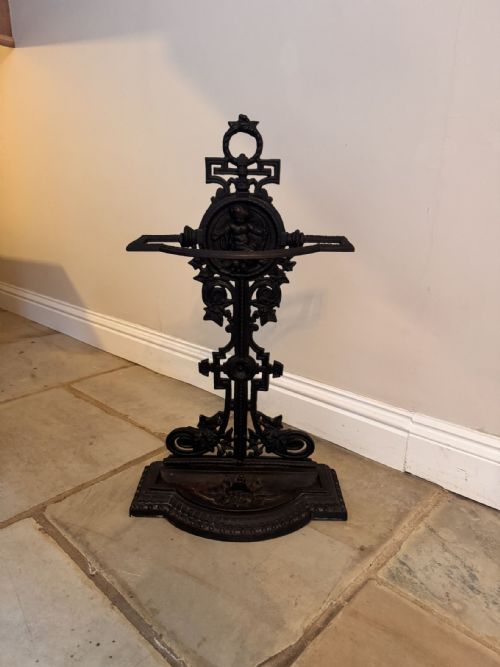
Cast iron models were particularly favoured for their resilience against damp umbrella tips and heavy everyday use in busy hallways.