

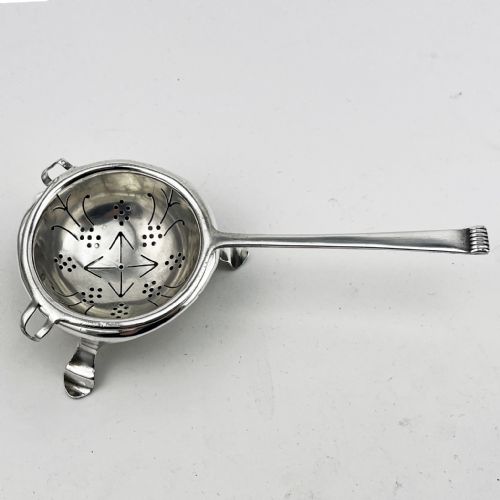


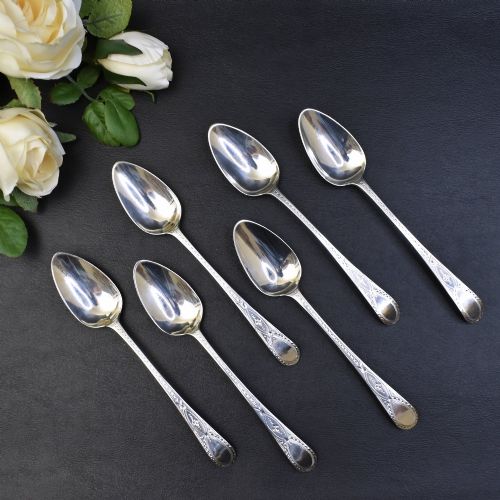
Antique Sterling Tea Set
These pieces for an antique sterling tea set bring genuine period silver to the table, offering a complete service or matched vessels for daily use.
Antique Sterling Tea Set
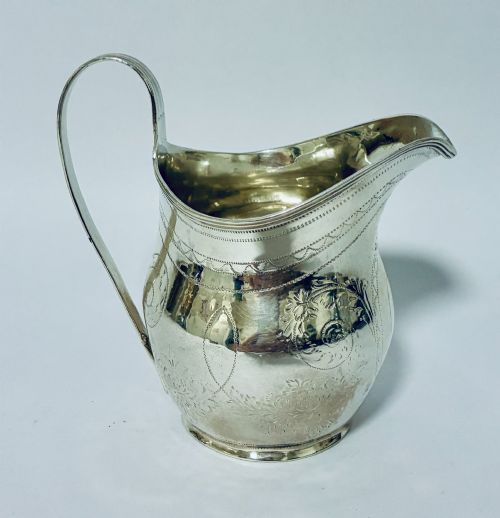
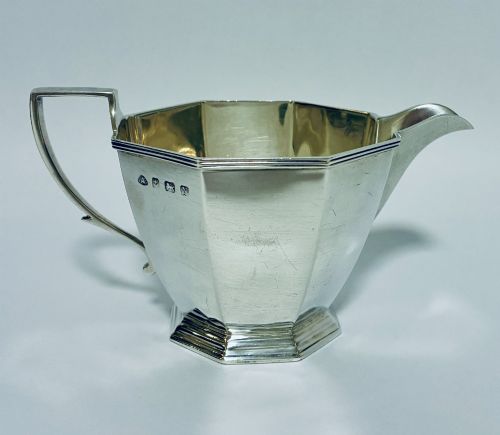
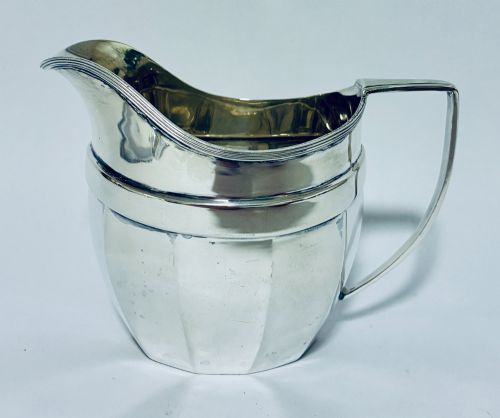
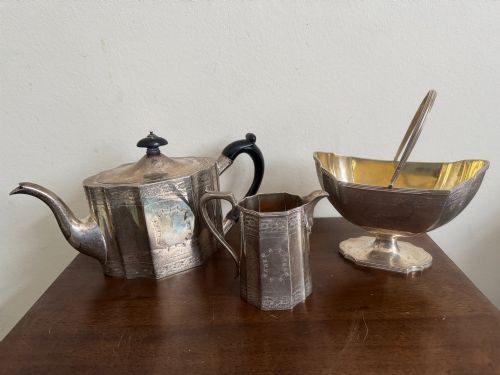
An antique sterling tea set brings together matching or coordinated silver vessels designed for serving tea and coffee. The groupings range from full multi-piece tea and coffee services with pots, jugs, and bowls to smaller matched sugar bowls and cream jugs.
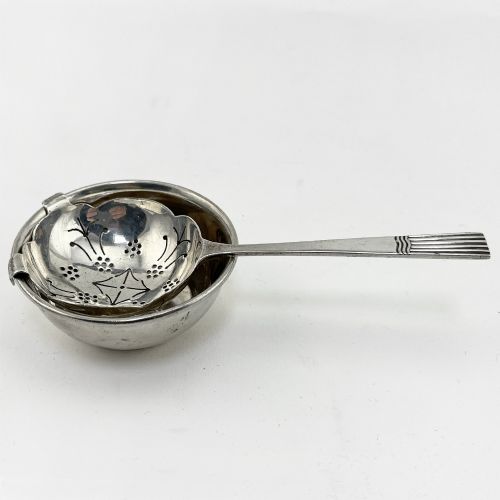
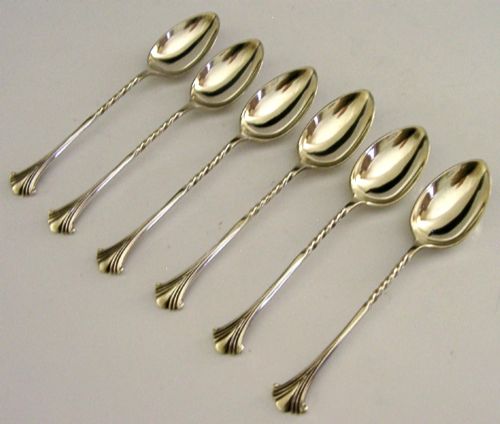
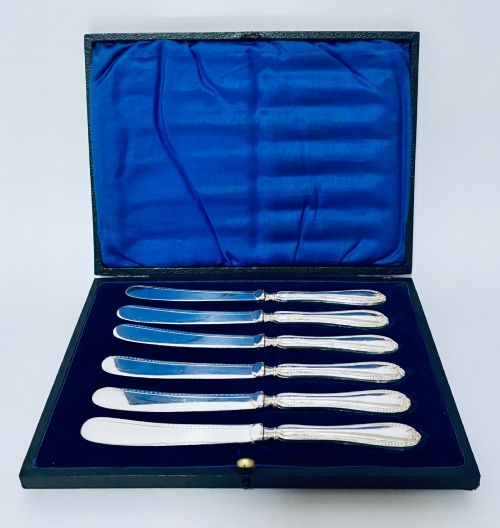
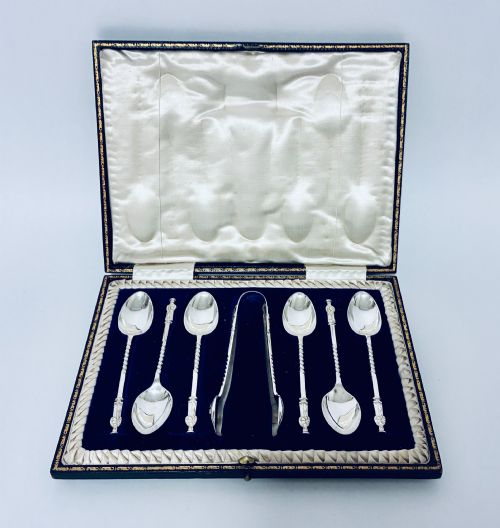
Buyers will find these silver services spanning several decades and periods, including Georgian, Victorian, Edwardian, and Art Deco eras. Many items appear alongside related serving utensils such as teaspoons, butter knives, and tongs.
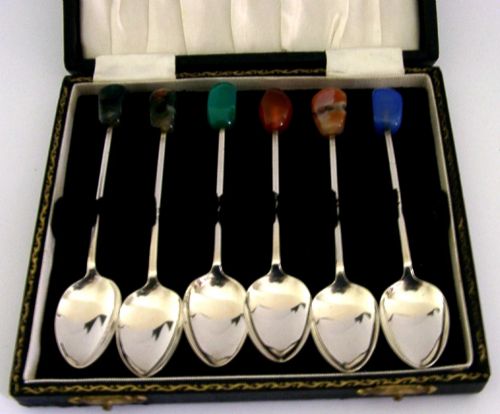
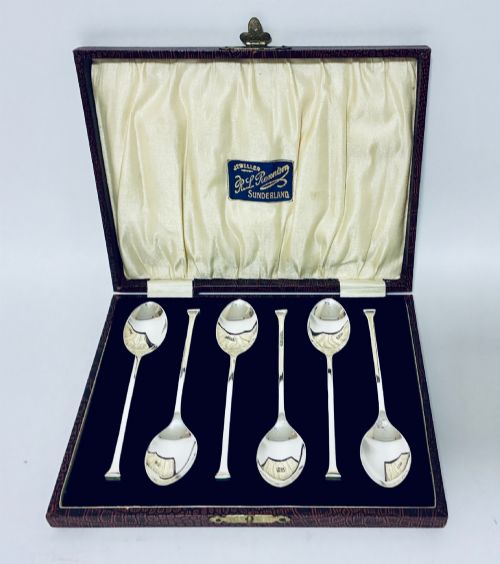
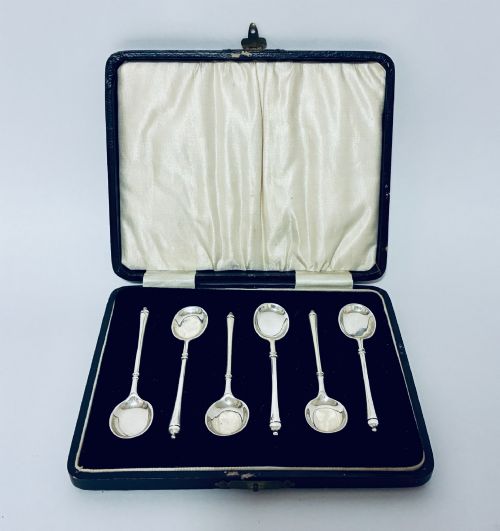
Complete four or five-piece tea and coffee services sit alongside individual sugar bowls, cream jugs, and cased sets of spoons. Each configuration reflects the dining customs of its specific period.
Materials and construction methods
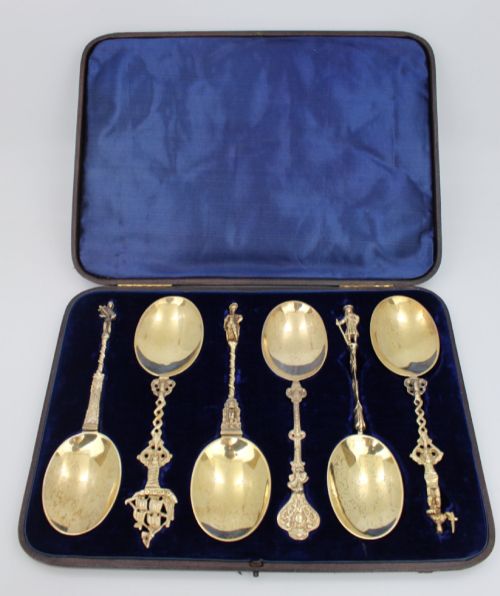
Silversmiths utilised sterling silver and silver-gilt alongside internal components of wood and decorative elements of enamel. Cased sets frequently protect the silver with fitted linings of velvet, silk, satin, and leatherette.
Manufacturing methods combine traditional hand-forging and raising techniques with period hallmarking practices across assay offices like London, Birmingham, Sheffield, Chester, and Glasgow.
Antique Sterling Tea Set Retail Price Guide 2026
Typical asking prices for sterling tea set among the pieces listed under this phrase on Sellingantiques today, from the lower quarter to the upper quarter. They describe what is for sale here now, not the wider market.
Miniature chocolate pots in solid silver prove that historical chocolate lovers insisted on proper ceremony just as much as tea drinkers.
What separates the best pieces
Quality rests in the crispness of the chasing, engraving, and bright-cut work applied to the silver surface. Maker attribution also plays a role, with documented silversmiths commanding attention for superior weight and balance.
The integrity of the original fitted case, where present, adds distinction to smaller sets and spoons. Well-preserved hallmarks and untouched surfaces elevate individual items above standard production.
Deakin and Francis·Rait·Georg Jensen·P A W Bateman·Joseph Craddock·Benjamin Smith·Paul Storr
The Antique Sterling Tea Set Glossary
- Sterling silver
- A standard alloy composed of pure silver and other metals to ensure durability for tableware. It carries official hallmarks indicating purity.
- Silver-gilt
- Sterling silver coated with a thin layer of gold on the surface. This technique provides a rich two-tone appearance often seen on interior bowls and spoons.
- Bright-cut engraving
- A surface decoration technique using faceted cuts to create geometric or floral patterns that reflect light. It appears frequently on Georgian teaspoons and sugar tongs.
- Assay office
- An official organisation that tests the purity of precious metals and stamps items with hallmarks. Towns such as London, Birmingham, Sheffield, and Chester operated these offices.
- Apostle spoon
- A spoon featuring the figure of an apostle cast on the terminal of the handle. These decorative items often appear in fitted presentation cases.
Antique Sterling Tea Set: Frequently Asked Questions
How do I clean an antique sterling tea set?
Clean silver gently using a specialist microfibre cloth and approved silver polish to remove tarnish without wearing away the underlying detail. Avoid harsh abrasive dips that strip the natural patina accumulated over decades.
Store pieces in dry conditions away from direct sunlight, and utilise lined wooden boxes or protective cases to prevent accidental scratches between uses.
Can I use an antique tea set daily?
Sterling silver tea vessels and cutlery are durable enough for regular use, provided they receive careful hand washing with mild detergent. Dishwashers subject silver to high heat and harsh chemicals that damage the metal.
Dry each piece immediately after washing to prevent water spots and protect any delicate hinges or soldered joints from moisture damage.
What do the hallmarks tell me?
British hallmarks provide a secure record of the town where the item was tested, the standard of the silver, and the year of manufacture. Maker marks identify the specific silversmith or firm responsible for the piece.
Learning to read these tiny stamped symbols allows collectors to date tea sets and individual spoons accurately down to specific decades or years.
How were tea sets stored originally?
Many smaller silver items, including apostle spoons, butter knives, and sugar tongs, were housed in fitted presentation cases lined with silk, satin, or velvet. These boxes protected the metal during storage and transport.
Larger tea and coffee services remained on display on sideboards or trays, ready for formal drawing room hospitality during the Georgian and Victorian eras.