
Antique Sterling Silver Salts
These antique sterling silver salts bring character to the dining table, offering miniature sculptural forms crafted for functional elegance.
Identifying antique sterling silver salts
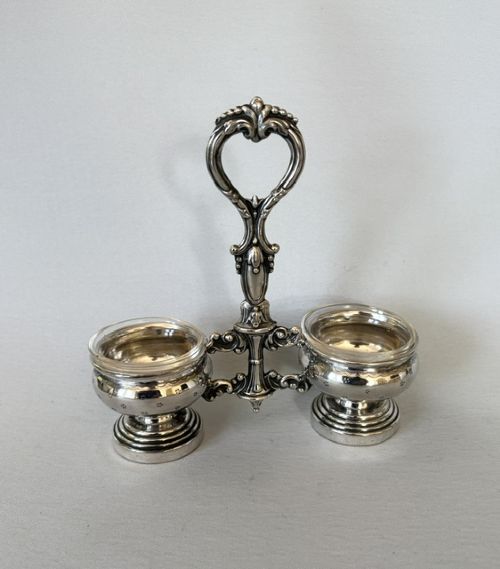
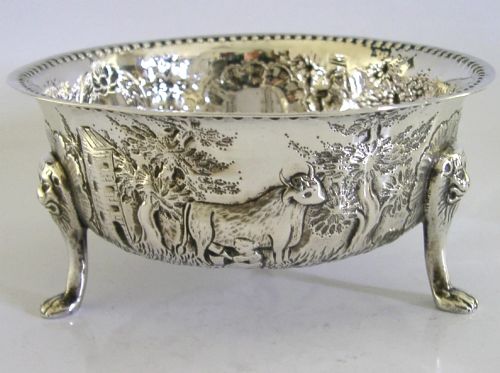
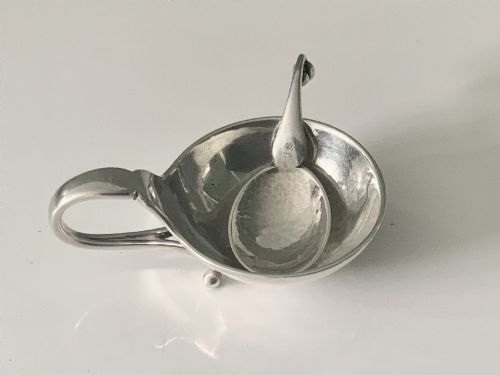
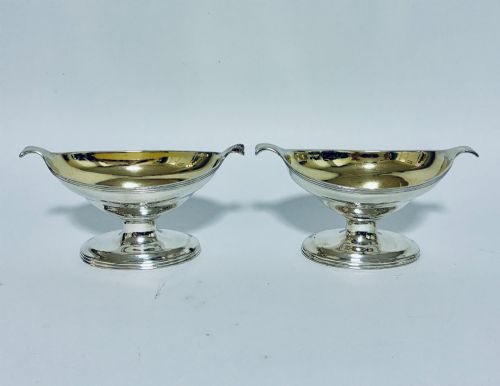
When searching for antique sterling silver salts, you encounter small open cellars or dishes designed to hold table salt before the invention of free-flowing salt. The majority of pieces appearing on this page belong to the Victorian and Edwardian periods, frequently found as pairs or matched sets.
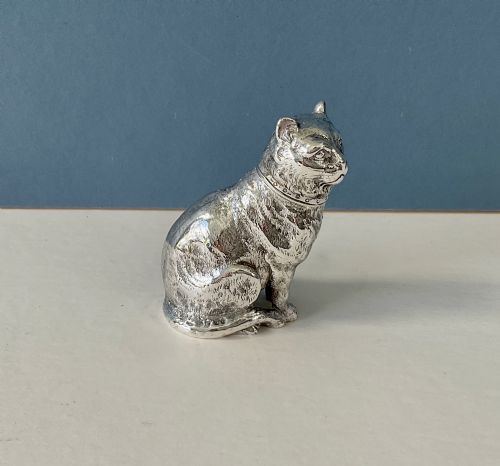
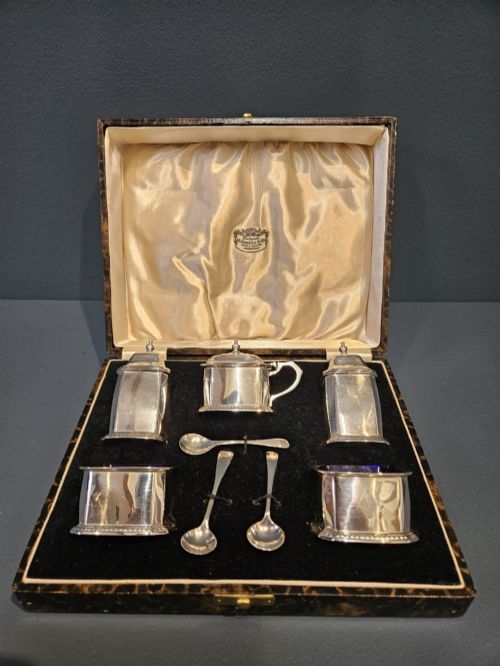
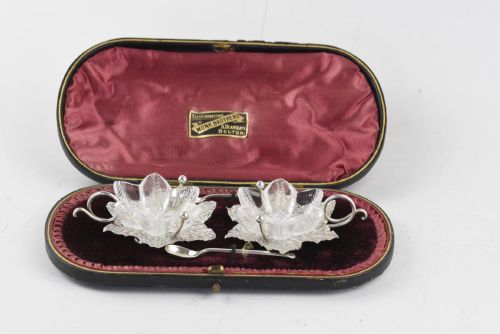
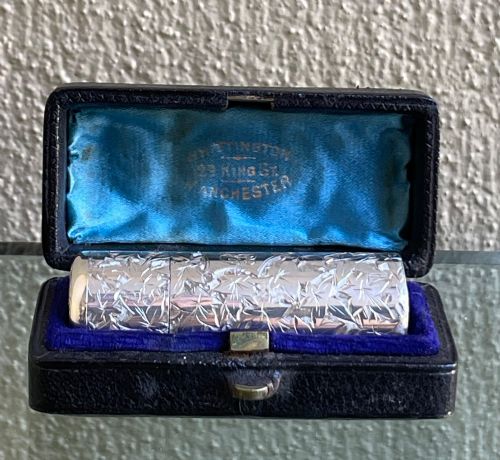
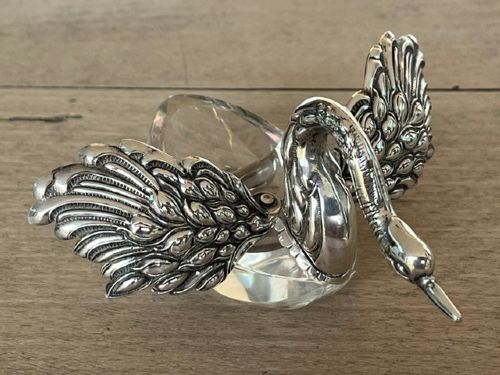
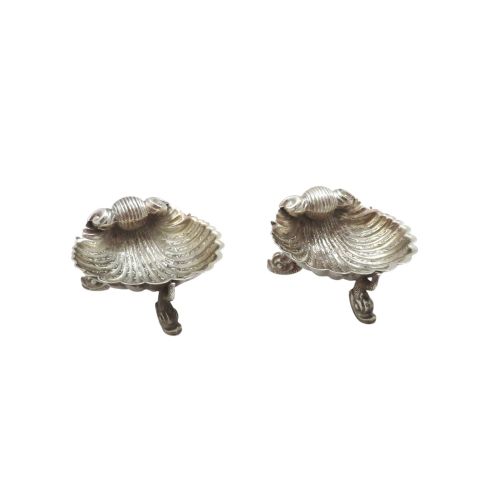
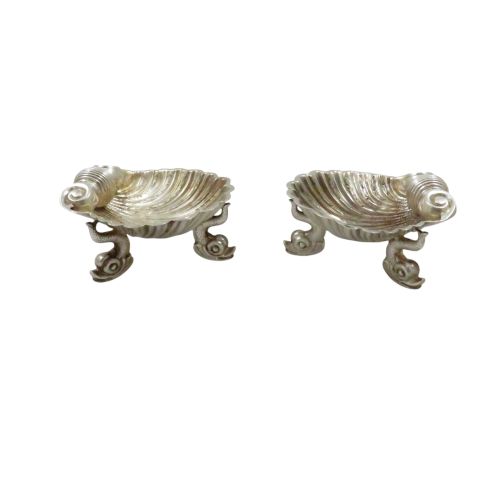
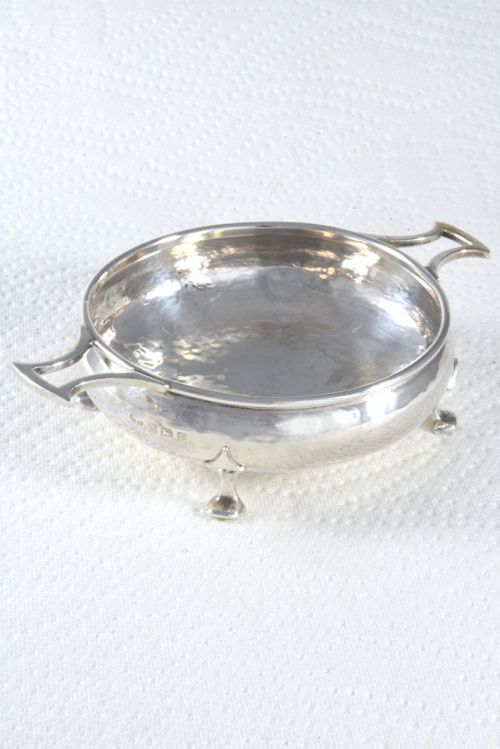
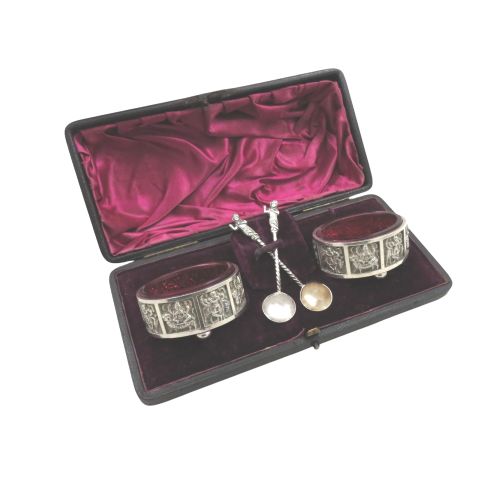
Forms vary widely from traditional circular and navette shapes to imaginative novelty designs shaped like shells, top hats, baby cradles, and thistle heads. Many sets also include matching spoons, occasionally housed within fitted leather, velvet, or silk-lined presentation cases.
Earlier Georgian and William IV examples sit alongside the later Victorian and Edwardian items, demonstrating how domestic dining rituals evolved over the nineteenth and early twentieth centuries. Certain vessels feature decorative additions such as dolphin feet, cherub handles, crests, or interior liners.
Assessing quality and distinction
Quality rests upon the crispness of the chasing and the originality of the design, particularly in novelty pieces where anatomical or botanical details must remain sharp. Maker attribution also elevates a set, distinguishing standard production items from marked pieces originating from notable workshops.
The presence of matching spoons and original fitted cases considerably strengthens a set's completeness and desirability. Heavier gauge silver provides a more substantial feel in the hand, separating robust dining pieces from lighter domestic wares.
Listings feature sterling silver salts spanning the Georgian, William IV, Victorian, and Edwardian periods, alongside gold gilt finishes.
Thomas Smily·J T Younge·Walker and Crowder·William H Leather·HJ Lias and Son
The Antique Sterling Silver Salts Glossary
- Sterling silver
- A silver alloy containing 92.5 percent pure silver and 7.5 percent other metals, usually copper, chosen for durability.
- Gold gilt
- A thin layer of gold applied to the interior surface of the silver salt cellar to prevent corrosion from the salt.
- Navette
- A boat-shaped vessel design with pointed ends, popular in decorative silver work.
- Liners
- Protective inserts, often made of glass or alternative materials, placed inside the silver cellar to protect the metal.
Frequently Asked Questions
How were salt cellars used?
Diners used antique sterling silver salts to hold coarse or flake salt at the table, taking pinches of salt using dedicated spoons or their fingers.
Before free-running salt was invented, these small dishes were essential dining table accessories positioned beside each place setting or shared between guests.
What periods do these salts cover?
The pieces span from the late Georgian era through the William IV, Victorian, and Edwardian periods up to the early twentieth century.
Victorian and Edwardian examples appear most frequently, encompassing both standard classical forms and whimsical novelty designs.
Do antique salts include spoons?
Many sets include their original matching silver spoons, often nestled together inside fitted presentation cases lined with silk and velvet.
Complete sets featuring both cellars and spoons are particularly prized by collectors for maintaining their original pairing.
How do I care for silver salts?
Protect the metal by cleaning silver salts gently with appropriate silver polish and removing salt residues promptly after use.
Keep pieces stored away from damp environments, especially those with delicate leather and silk-lined presentation cases.