

Antique Sterling Silver Gilt
Antique sterling silver gilt pieces bring a rich golden warmth to solid silver, offering small-scale luxury from Georgian, Victorian, and later workshops.
Antique Sterling Silver Gilt
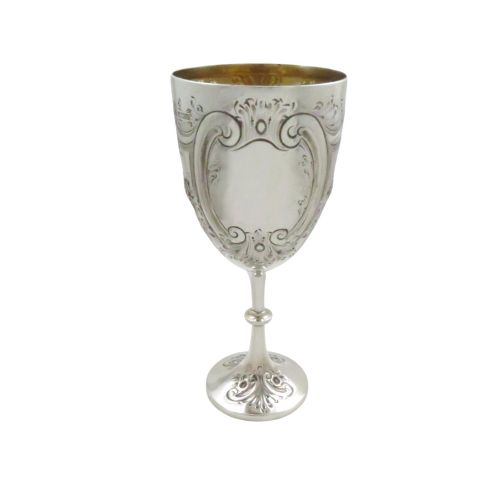
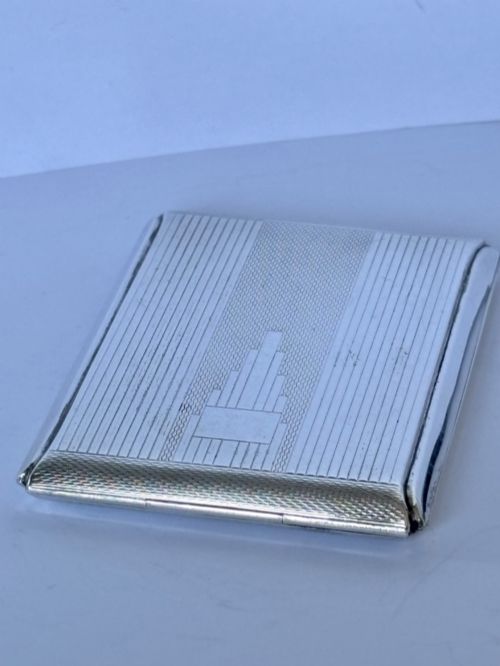
When you search for antique sterling silver gilt, you are looking at items fashioned from solid silver that have received a thin coating of gold over their surfaces, often restricted to the interiors. The pieces on this page span several centuries, moving from Georgian and William IV items through Victorian and Edwardian examples up to mid-century creations.
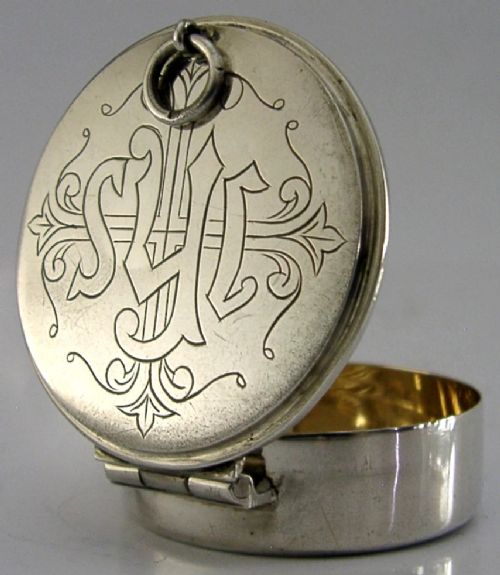
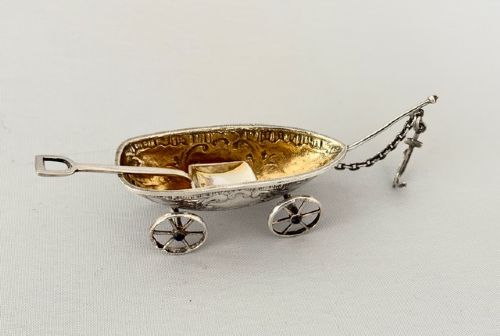
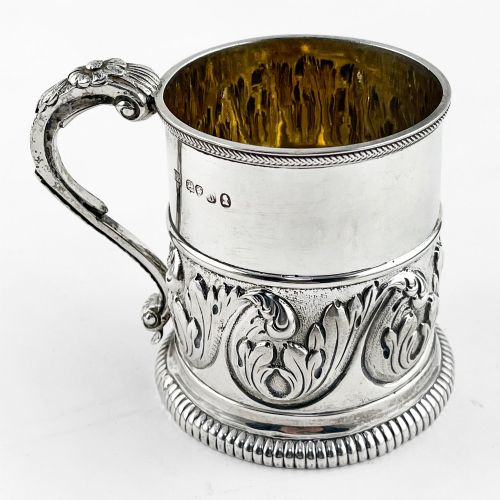
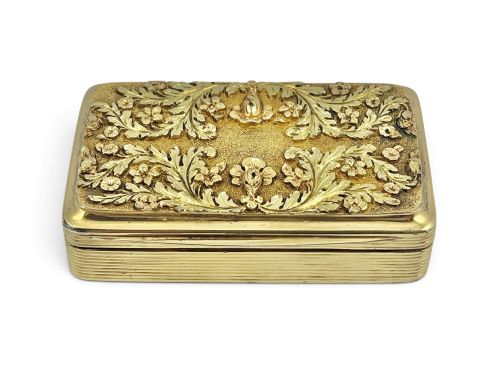
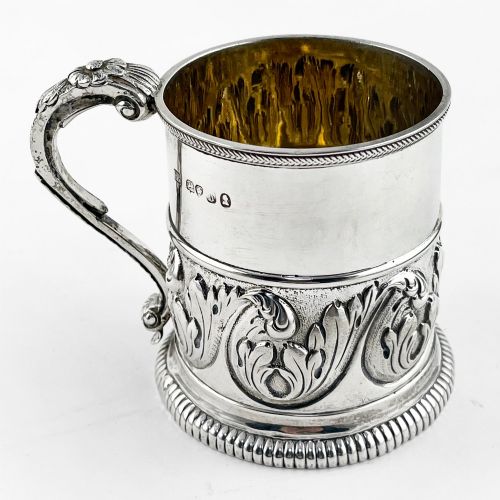
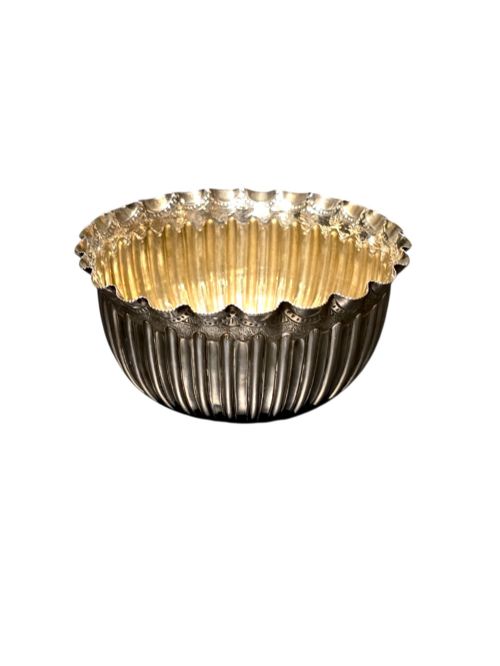
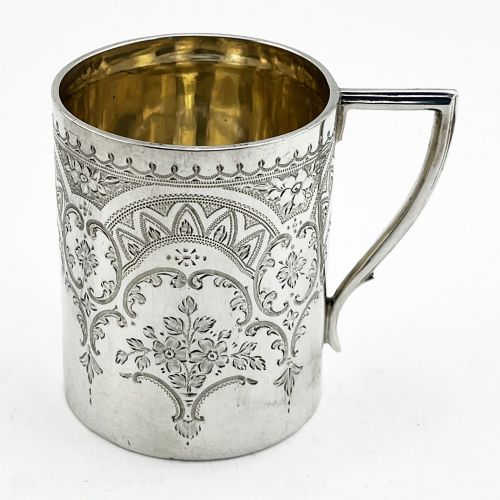
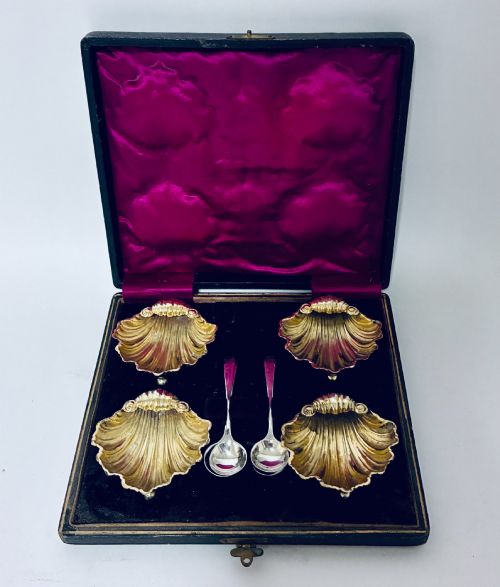
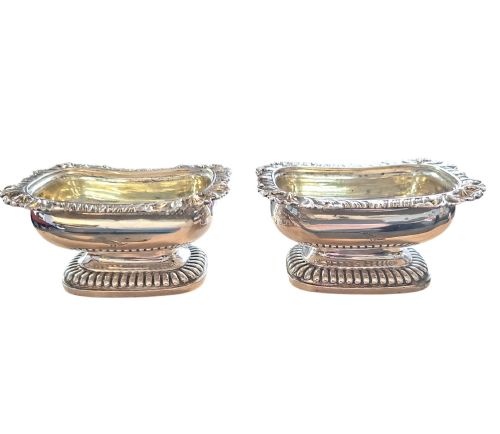
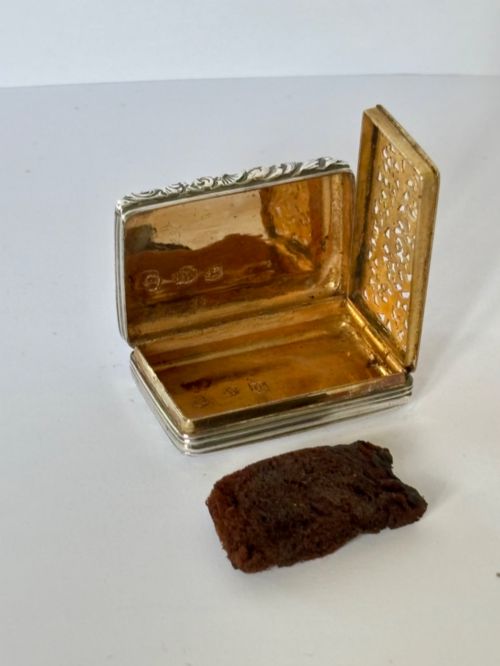
The objects themselves range from pocket-sized vinaigrettes and snuff boxes to larger serving spoons, salt cellars, christening mugs, and ecclesiastical pyx boxes. Many items display parcel-gilt finishes where the contrast between polished silver and warm gold defines the design.
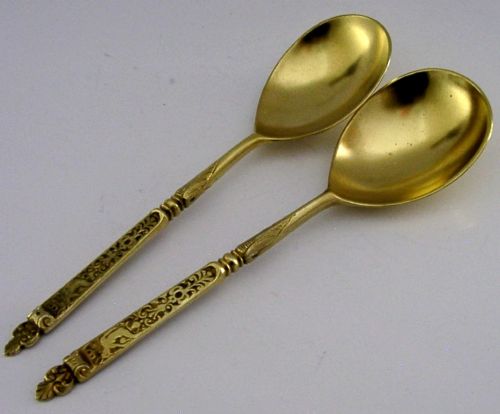
Makers utilised this technique to protect vulnerable interiors from acidic contents such as snuff or vinegar, while also providing a decorative contrast on presentation cups and apostle spoons.
Materials and gilding technique
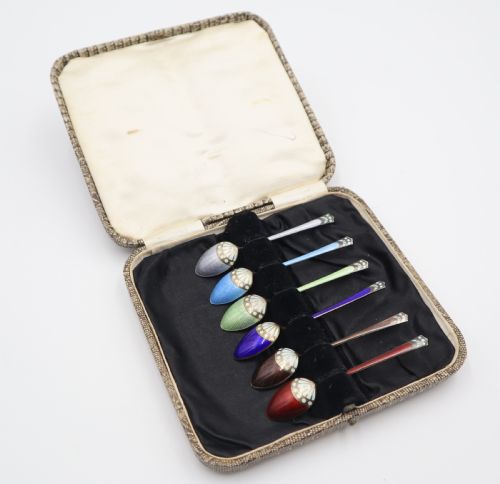
The underlying material in these items is sterling silver, combined with gold used in the gilding process and occasionally supplemented by cut glass, velvet, agate, or enamel details. Artisans also employed leather for fitted cases.
The gold was traditionally applied using mercury gilding or electroplating methods onto the silver substrate, creating a durable bond that endures across centuries of handling.
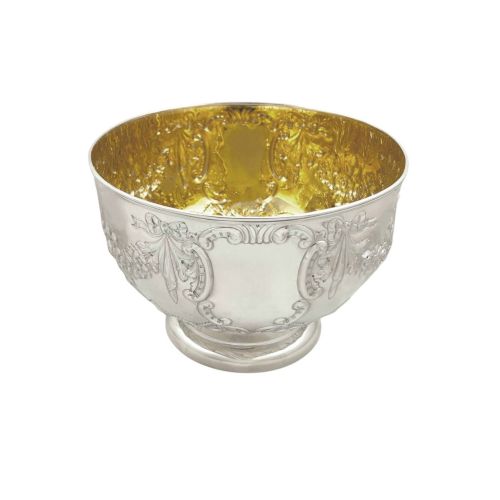
Repoussé work, chasing, and engraved handles frequently appear alongside plain polished surfaces, showing the versatility of the metal base before the gold layer was introduced.
Antique Sterling Silver Gilt Retail Price Guide 2026
Typical asking prices for sterling silver gilt among the pieces listed under this phrase on Sellingantiques today, from the lower quarter to the upper quarter. They describe what is for sale here now, not the wider market.
Materials recorded include sterling silver, silver gilt, vermeil, velvet, agate, enamel, and cut glass.
Judging the quality of silver gilt
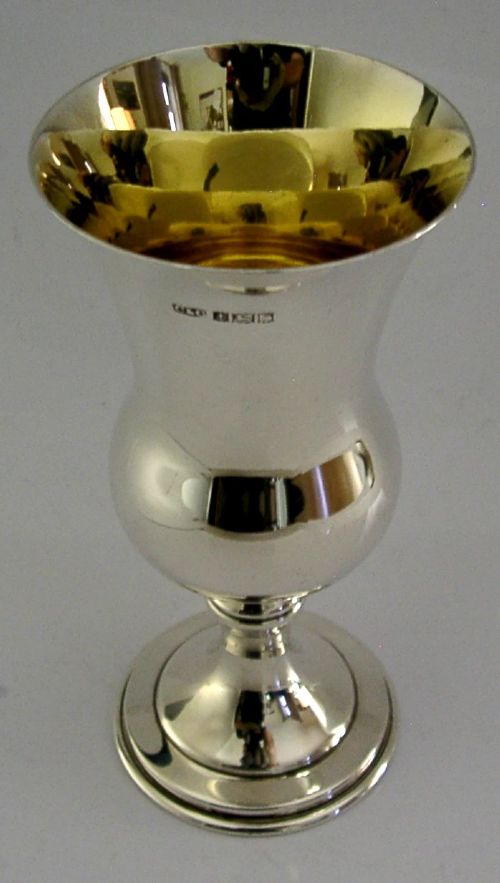
Quality rests in the crispness of the chased or repoussé decoration and the preservation of the gold layer across high points and recessed areas alike. Maker marks and assay office stamps that remain sharp and legible indicate careful preservation and superior initial manufacture.
The thickness and evenness of the gold wash determine how much of the warm gilt survives after decades of cleaning and use. Superior items maintain an intact, rich tone rather than patchy silver showing through worn spots.
Associated elements such as original fitted Moroccan leather cases, functional internal grilles in vinaigrettes, or integrated cut glass components elevate the standard of a piece.
George William Adams·Deakin & Francis·F. Osbourne & Co·Burns Oats & Washbourne·Henry Matthews·Thomas Johnson·Cornelius Bland·Robert Thornton·Thomas Shaw·Edward Smith·Tiffany & Company·Nathaniel Mills·Peter & Anne Bateman·William Chawner II
The Antique Sterling Silver Gilt Glossary
- Vermeil
- Sterling silver plated with gold. This term frequently describes French or international pieces on the market.
- Parcel-gilt
- Partially gilded silver. Artisans applied gold to specific areas, such as interiors or highlights, leaving the rest as bare silver.
- Vinaigrette
- A small decorative box containing a perforated grille. These held a sponge soaked in aromatic vinegar.
- Pyx
- A small round container used in ecclesiastical settings. These held the Eucharistic bread.
- Repoussé
- Metalwork hammered into relief from the reverse side. This technique created dimensional patterns on boxes and mugs.
Antique Sterling Silver Gilt: Frequently Asked Questions
What is silver gilt?
Silver gilt is solid sterling silver that has been coated with a layer of gold. This process provides the rich visual warmth of gold while utilising the substantial structure of silver.
In many cases, the gilding was applied only to the interior of items like snuff boxes and mugs to protect the silver from tarnishing or chemical reactions with contents.
Why are only interiors gilded?
Gilding the inside of functional items protected the silver from corrosive substances such as tobacco, salt, or vinegar-soaked sponges. It also created a striking visual contrast when the lid was opened.
Presentation cups and bowls often featured parcel-gilt designs where selective gilding highlighted specific decorative motifs against the polished silver background.
How do I clean silver gilt?
Silver gilt requires gentle care because aggressive polishing can wear away the thin gold layer over time. Warm water, mild soap, and a soft cloth are usually sufficient for routine maintenance.
Avoid standard silver dips and abrasive pastes, as these chemical treatments strip the gold wash directly from the underlying silver.
What is a vinaigrette box?
A vinaigrette is a small pocket-sized container used during the Georgian and Victorian periods to hold aromatic substances. Opening the hinged lid revealed an internal pierced grille.
A small sponge soaked in vinegar or perfume sat beneath this grille, allowing the owner to inhale the scent when confronted with unpleasant odours.
How do I identify the period?
Periods are identified through a combination of assay office marks, maker stamps, and stylistic cues such as Victorian repoussé work or Georgian clean lines. Hallmarks stamped directly into the silver provide precise dating information for British pieces.
The weight, form, and presence of original fitted cases also help place an object within its specific era.