

Antique Sterling Silver Cellar
An antique sterling silver cellar brings dining history to the table, offering small vessels crafted for salt and condiments.
Antique Sterling Silver Cellar
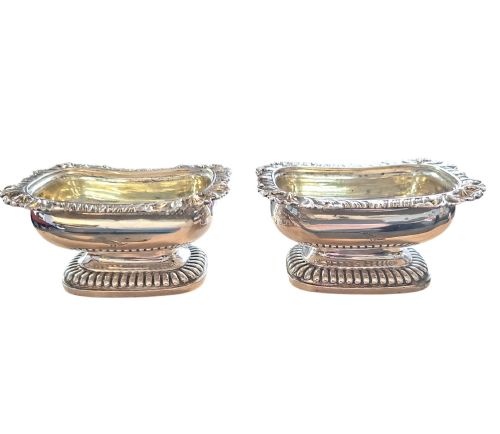
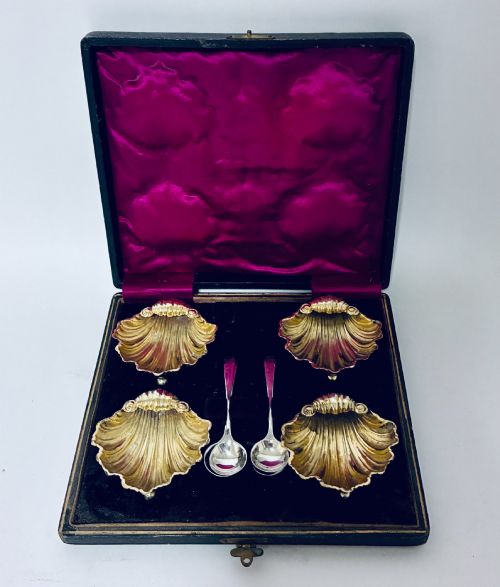
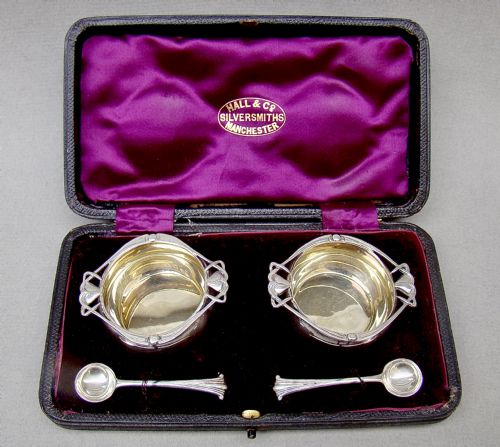
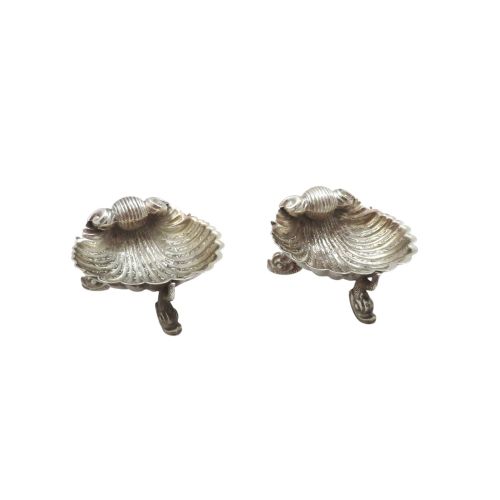
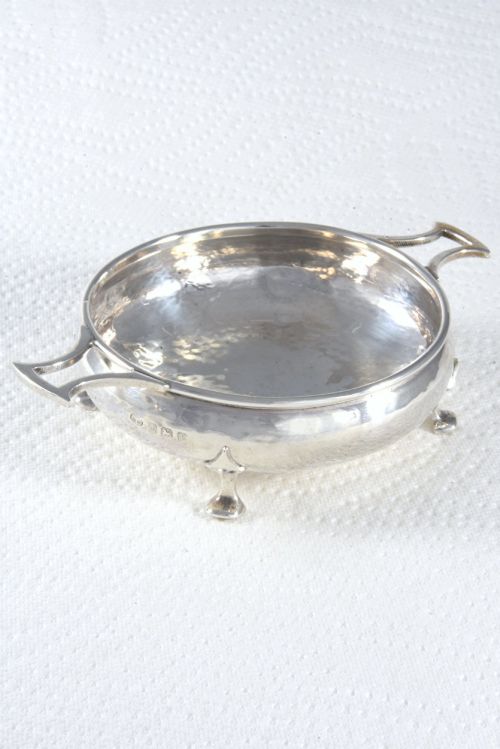
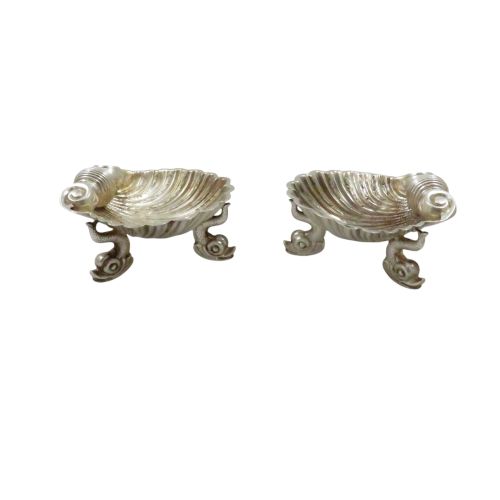
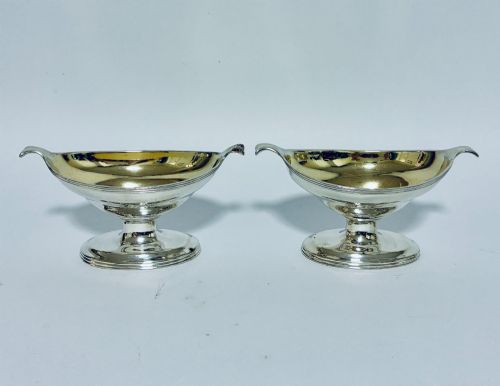
An antique sterling silver cellar encompasses small open vessels, salt boats, mustard pots, and cruet sets designed for table service. The selection spans Georgian trencher salts, Victorian shell and cauldron designs, and Edwardian wirework tubs.
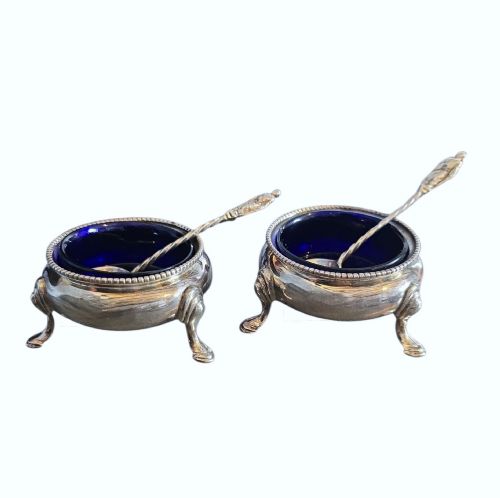
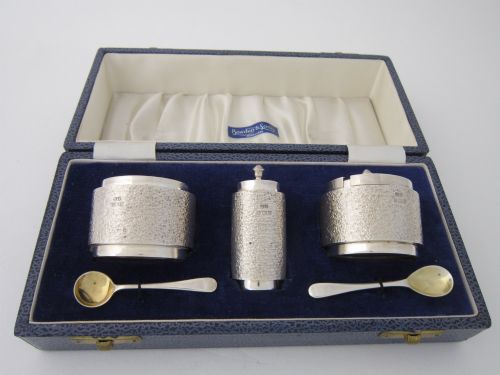
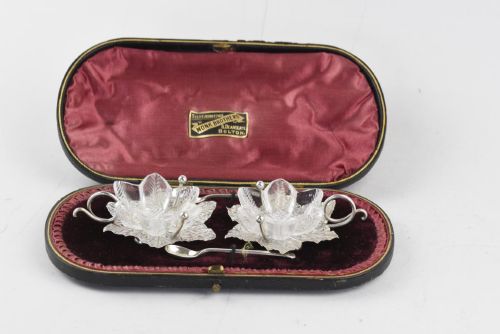
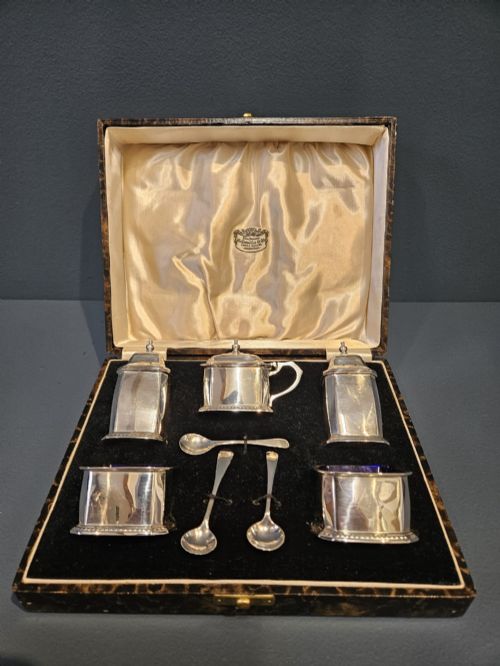
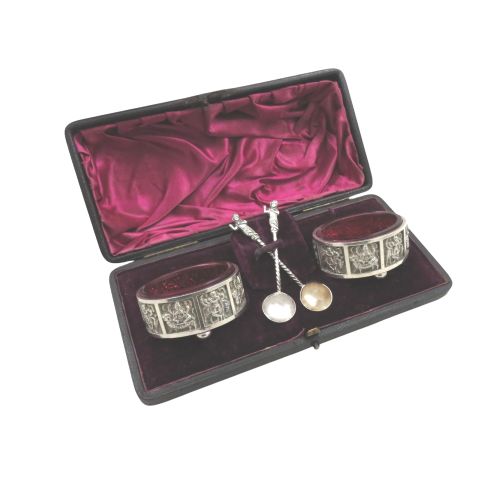
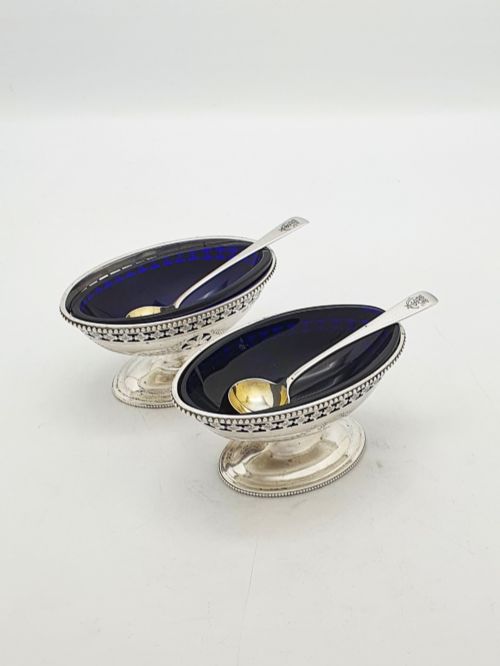
Many examples appear in matched pairs or cased sets complete with small spoons and coloured glass liners. Buyers encounter items ranging from simple eighteenth-century geometric forms to highly decorated nineteenth-century naturalistic flower and animal motifs.
Materials and construction
Silversmiths utilised sterling silver alongside glass, cobalt glass, and silver gilt interiors to construct these pieces. Techniques involved casting, piercing, hammering, and detailed foliate chasing to create ornate surface textures.
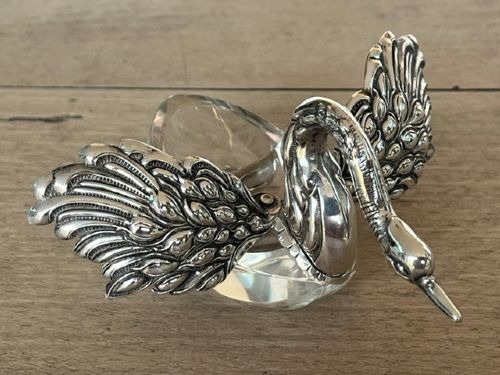
Cased sets frequently incorporate velvet, silk, and satin linings within fitted presentation boxes. Additional materials include crystal and glass inserts shaped as swans or bowls to fit metal frames.
Antique Sterling Silver Cellar Retail Price Guide 2026
Typical asking prices for sterling silver cellar among the pieces listed under this phrase on Sellingantiques today, from the lower quarter to the upper quarter. They describe what is for sale here now, not the wider market.
Listings feature sterling silver and glass materials spanning from the eighteenth century through the Art Deco period.
Assessing craftsmanship
Quality separates through the crispness of the chasing, the weight of the solid silver used, and the survival of original components like liners and spoons. Pieces featuring detailed figural work, such as dolphin feet or bird motifs, display higher artisanal skill.
The integrity of hallmarks, maker marks, and the precision of pierced decorative patterns also distinguish finer examples from standard production items.
Goldsmith & Silversmith's·Georg Jensen·William Neale·Josiah Williams & Co·David Hennell·John Edmonstone·William Bateman
The Antique Sterling Silver Cellar Glossary
- Trencher salt
- A heavy, often square or octagonal salt cellar originating from the seventeenth and eighteenth centuries. These early forms sat directly on the dining table.
- Cauldron salt
- A small round salt cellar raised on three or four legs, mimicking the shape of a traditional cooking pot. This form gained immense popularity during the Victorian era.
- Salt boat
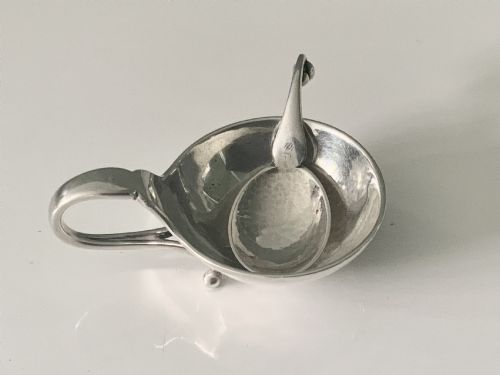
- A small open condiment container shaped like a miniature gravy boat, featuring a pouring lip and a single handle. They frequently appear in Georgian and Victorian table settings.
- Silver gilt
- Sterling silver that has been coated with a thin layer of gold on the interior or exterior surface. This technique protected the silver from corrosive salts.
- Pierced work
- A decorative metalworking technique where patterns are cut through the silver sheet to create openwork designs. It is commonly seen on Edwardian and Victorian baskets and salt galleries.
Antique Sterling Silver Cellar: Frequently Asked Questions
How do I date my silver cellar?
Dating relies heavily on the assay office hallmarks, date letters, and maker marks stamped directly onto the silver surface.
Stylistic indicators, such as Georgian simplicity versus Victorian naturalistic chasing, also help narrow down the period of manufacture.
Were these always sold in pairs?
While many salt cellars were manufactured and sold as matched pairs or complete sets of four for dining symmetry, single pieces also occur.
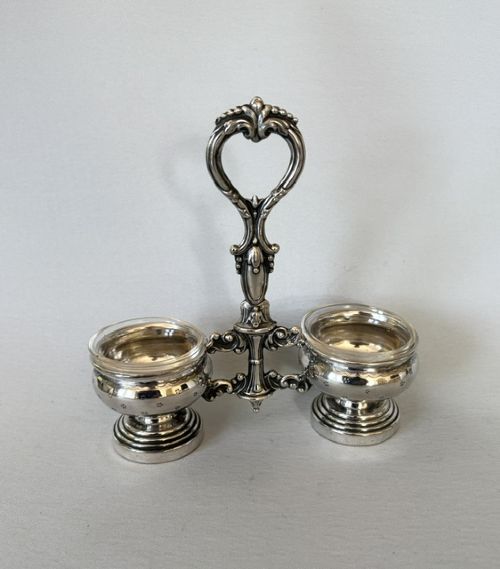
Larger cruet sets frequently integrated cellars alongside mustard pots, pepper shakers, and oil bottles into one framework.
How should I clean silver cellars?
Cleaning requires a soft cloth and specialist silver polish used sparingly to preserve the underlying hallmarks and fine chased details.
Removable glass liners should be washed separately in warm soapy water to avoid damaging the surrounding metalwork.