




Antique Sterling Salt Spoon
An antique sterling salt spoon is a small, purposeful implement designed to accompany open table salts and cruet sets.
Antique Sterling Salt Spoon
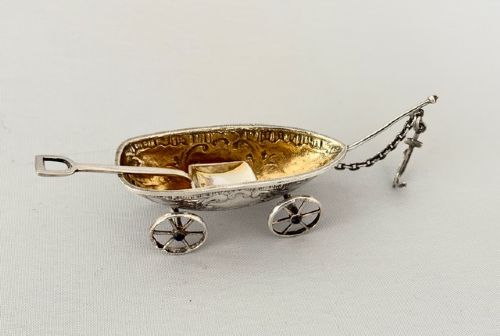
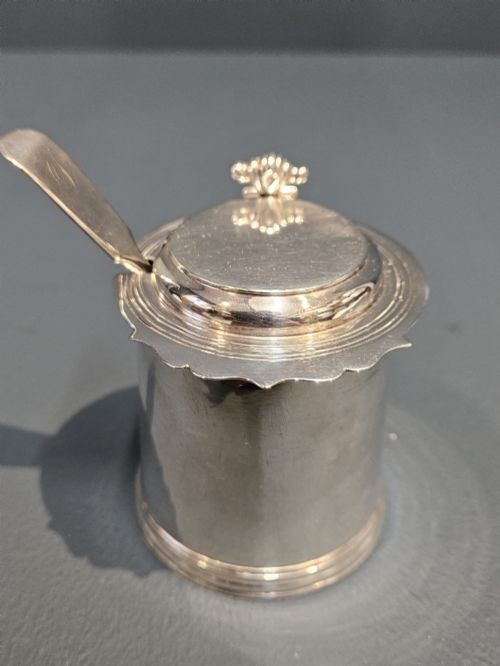
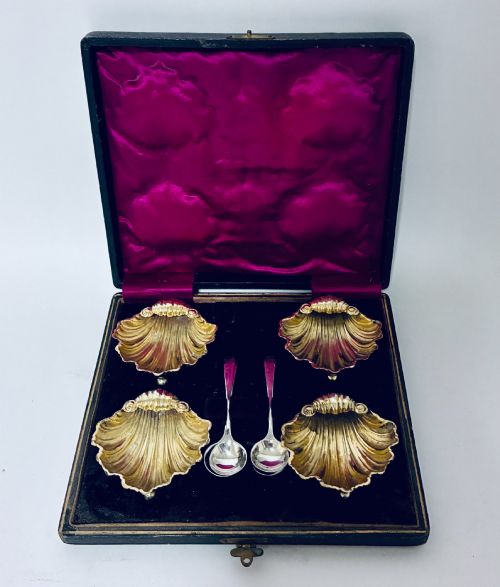
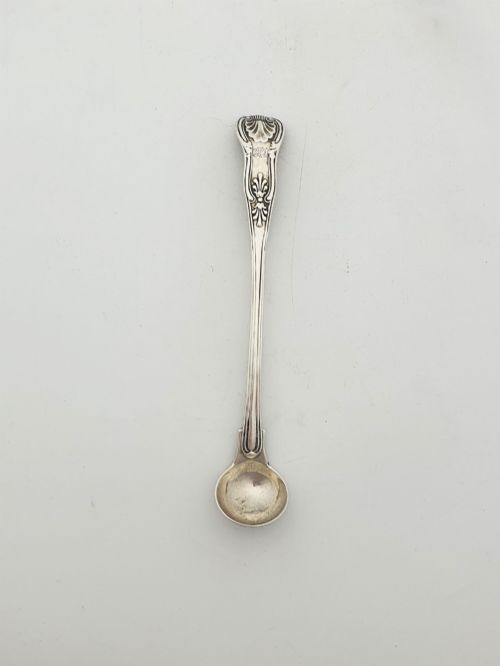
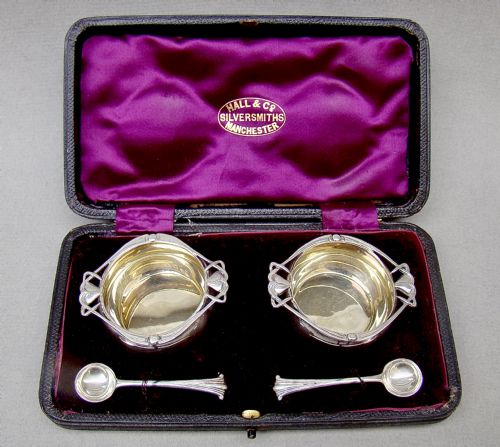
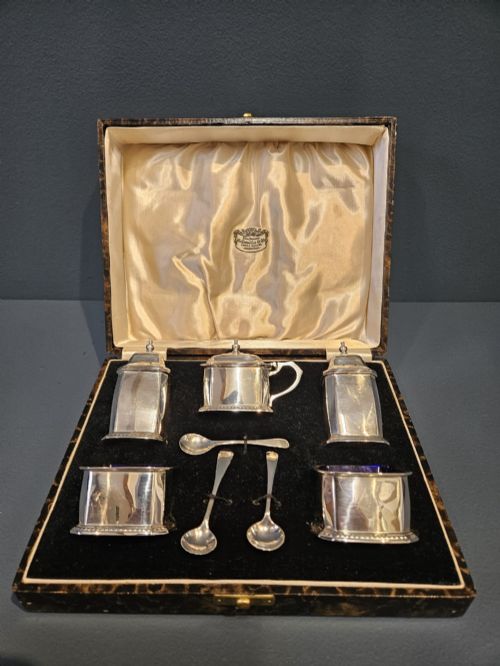
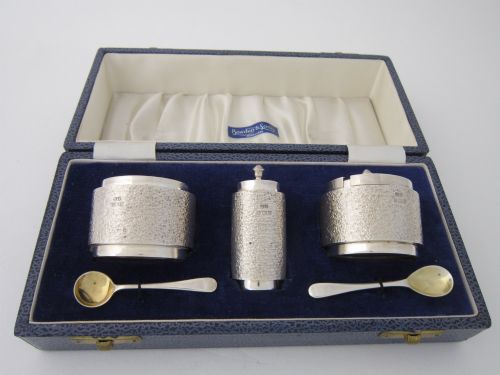
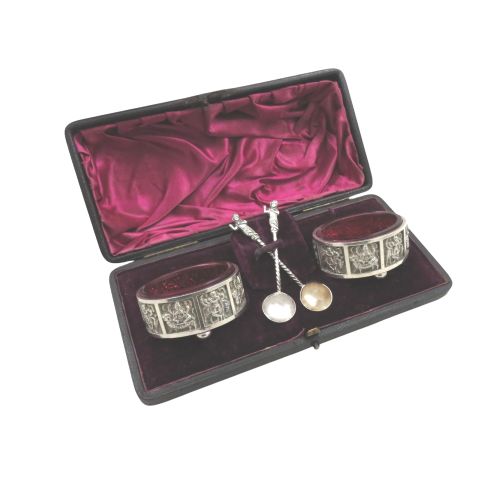
An antique sterling salt spoon is a diminutive utensil created for transferring condiment from an open salt cellar to a plate. These pieces appear frequently within cased pairs and larger cruet sets alongside salt cellars and mustard pots. They span several periods including the Victorian, Edwardian and Georgian eras.
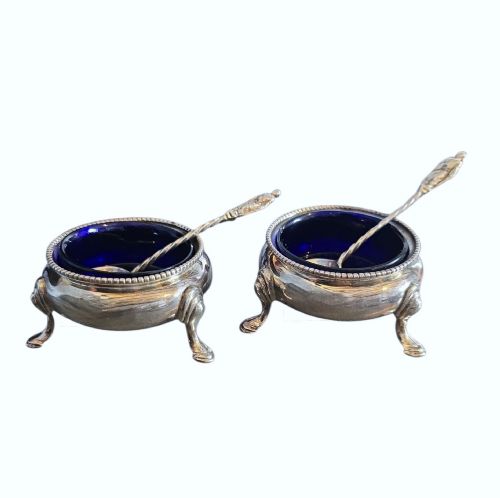
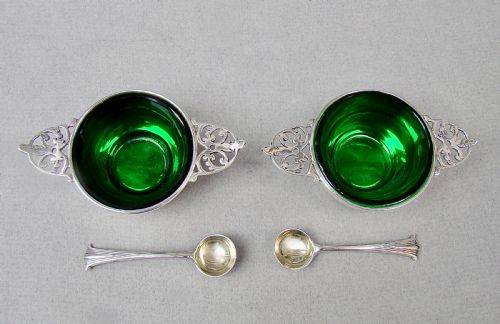
Buyers encounter these spoons matched with cobalt glass liners, velvet or silk lined presentation cases, and solid silver vessels. The forms range from simple shovel bowls to novelty designs shaped as shells or thistle heads. Many originate from London and Birmingham workshops of the nineteenth and early twentieth centuries.
The phrase encompasses individual condiment spoons as well as matched sets intended for formal dining tables. They reflect the changing domestic habits of the eighteenth, nineteenth and twentieth centuries. Each example demonstrates the specific scale required for functional use beside miniature table ceramics.
How they were made
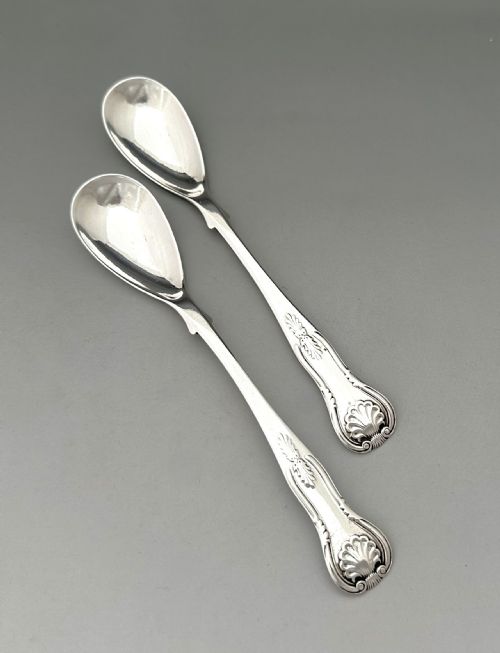
Silversmiths shaped these utensils from sterling silver, utilising traditional techniques such as hammering, casting and stamping. Many pieces bear British hallmarking stamps indicating the assay office, date letter and maker's mark. Certain examples incorporate gilt finishes over the silver surface to resist corrosion from mineral salts.
Associated components such as salt liners rely on blown or moulded cobalt glass fitted carefully to the silver mounts. Fitted presentation cases employ rigid wooden carcasses covered in leather or satin with velvet interiors designed to hold spoons and salts securely.
Antique Sterling Salt Spoon Retail Price Guide 2026
Typical asking prices for sterling salt spoon among the pieces listed under this phrase on Sellingantiques today, from the lower quarter to the upper quarter. They describe what is for sale here now, not the wider market.
Materials appearing across these condiment sets include sterling silver, cobalt glass, leather, velvet, silk and satin.
What varies in quality
The standard of an antique sterling salt spoon depends largely upon the crispness of its stamping and the weight of the metal. Thicker gauge silver maintains structural integrity in the tiny bowl and stem over decades of handling. Superior examples show clear, legible hallmarks and intentional detailing rather than rushed mass production.
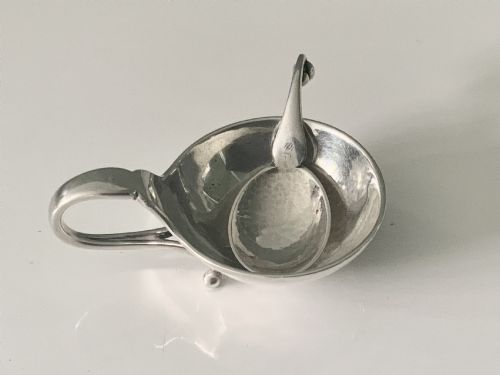
Design ambition separates basic utility pieces from exceptional ones, particularly when makers incorporate novelty forms like birds, thistles or swan shapes. The survival of matching original presentation boxes and correctly fitted glass liners adds significantly to the integrity of a set.
Georg Jensen·Josiah Williams And Co·Hamilton And Inches·John Edmonstone·Wilmot Manufacturing Co·Morris And Michael Emanuel·William H Leather·HJ Lias And Son·Vale Brothers And Sermon
The Antique Sterling Salt Spoon Glossary
- Cruet set
- A collection of matched condiment containers, such as salt cellars, mustard pots and pepper shakers, often arranged on a stand or tray.
- Hallmark
- An official stamp impressed into silver indicating standard of purity, assay office and year of manufacture.
- Navette
- A boat-shaped vessel form with tapered ends, popular in decorative silver tableware during the Georgian and Edwardian periods.
- Master salt
- A larger salt cellar placed centrally on a dining table from which individual portions were served.
Antique Sterling Salt Spoon: Frequently Asked Questions
How were salt spoons used?
Diners used an antique sterling salt spoon to transfer dry salt from an open cellar onto their individual dinner plates.
This method prevented diners from dipping their own fingers or personal cutlery directly into the communal salt supply.
How do I date a silver spoon?
British silver pieces typically display a series of stamped hallmarks that include a specific letter code for the year of assay.
Reference tables match these letters and town marks to determine the exact decade or year of production.
What is a cobalt glass liner?
Cobalt glass liners are deep blue glass inserts placed inside open silver salt cellars to protect the metal from chemical corrosion.
Salt can tarnish and pit sterling silver over time, making these removable glass vessels a practical protective measure.
Are cased salt sets complete?
Many Victorian and Edwardian sets survive inside their original velvet or silk lined presentation boxes alongside matching spoons.
Checking that the number of spoons corresponds directly to the salt cellars confirms whether the set remains intact.