


Antique Sterling Menu Clip
These antique sterling menu clip pieces hold dining lists and place cards, bringing silver detail to formal tables.
Antique Sterling Menu Clip
An antique sterling menu clip stands on the dining table to hold meal lists and place cards for guests. When you search for an antique sterling menu clip, you encounter small silver table accessories from the Victorian, Edwardian, and later twentieth-century periods.
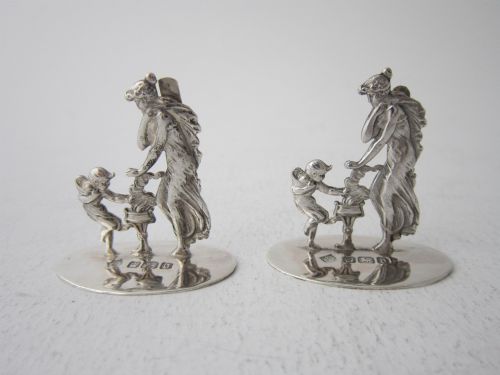
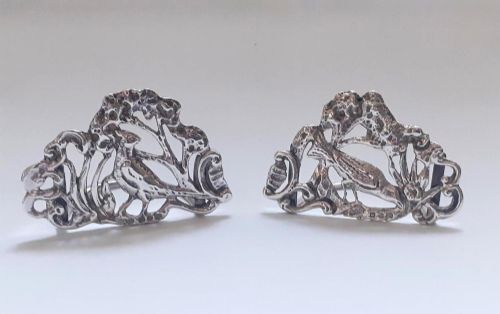
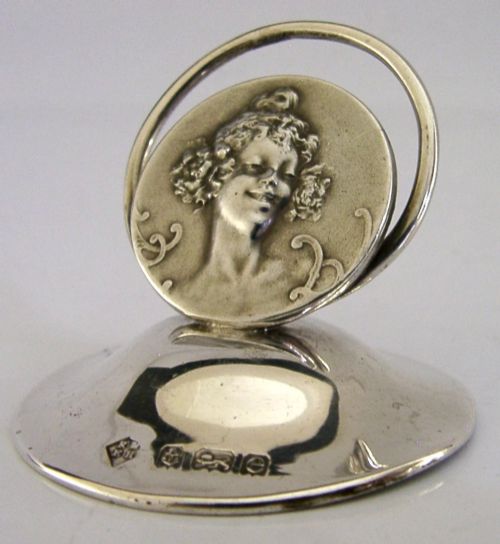
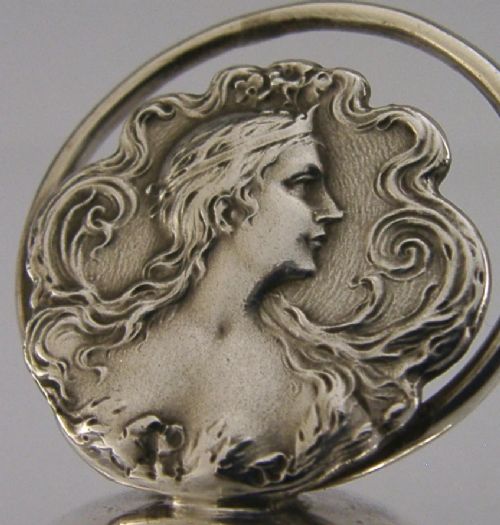
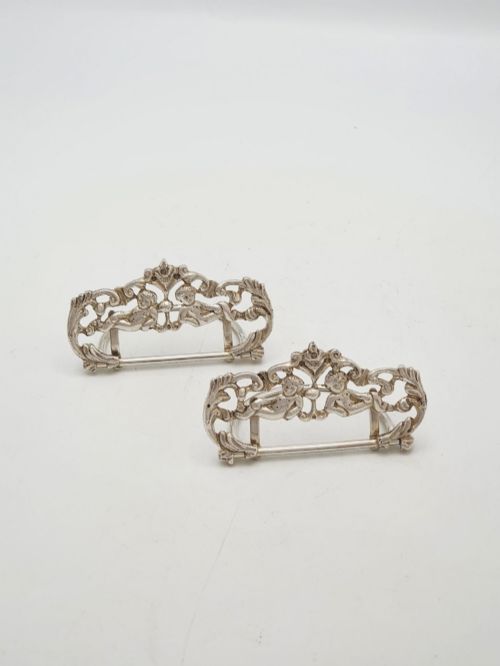
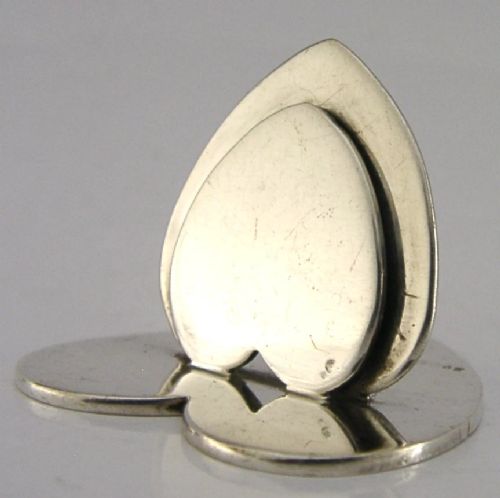
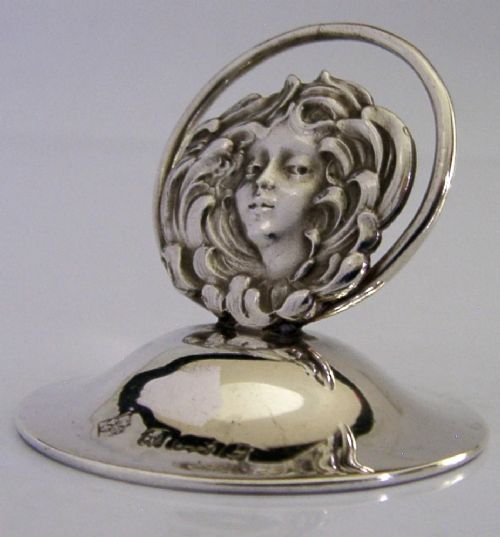
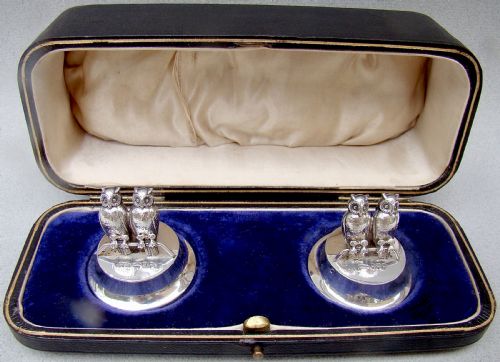
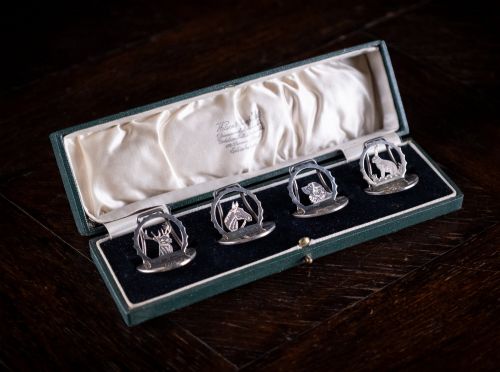
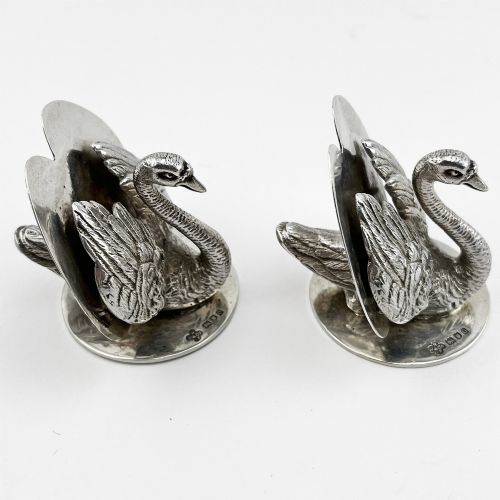
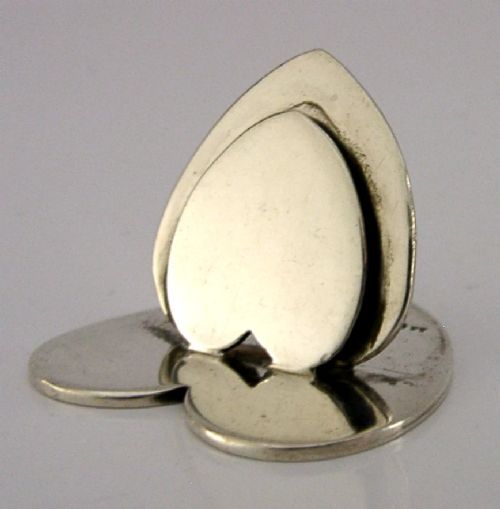
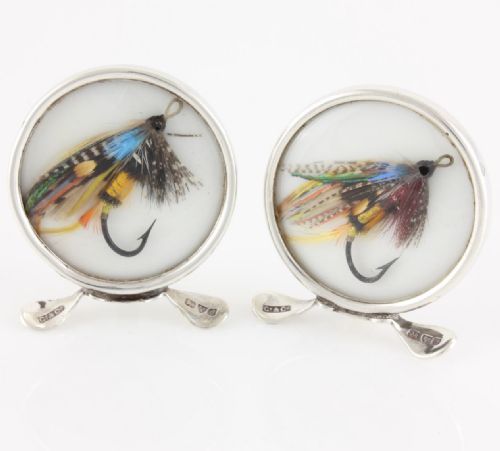
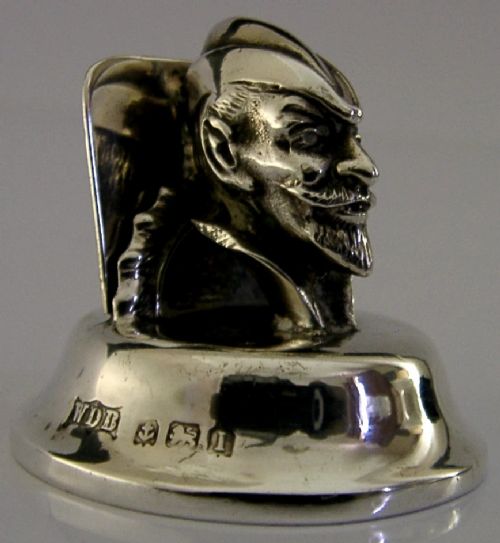
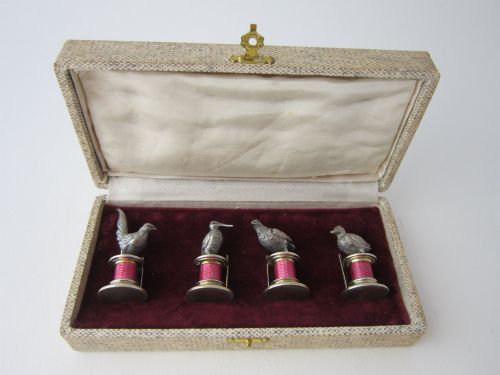
The commonest examples on this page take figural and novelty forms. You find birds, owls, cherubs, and animals alongside Art Nouveau maiden motifs and heart shapes.
Many items appear in pairs or sets rather than as single pieces. Makers fashioned them for domestic dining tables and military messes alike.
How they were made
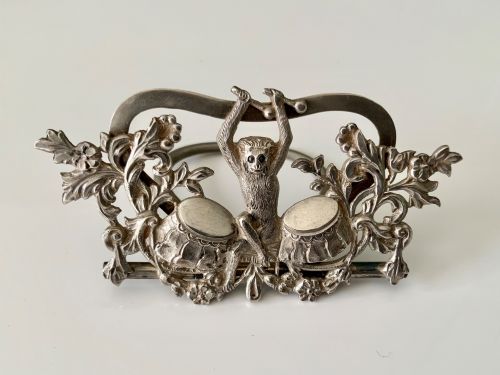
Silversmiths formed these pieces primarily from sterling silver, occasionally combining the metal with guilloche enamel, velvet, silk, leather, and glass. Workshops utilised casting and stamping techniques to create detailed figures such as owls, monkeys, and swans.
Makers applied hallmarks and town marks to designate the silver standard and origin of manufacture. These methods ensured durable table accessories that maintained their form through repeated use.
Antique Sterling Menu Clip Retail Price Guide 2026
Typical asking prices for sterling menu clip among the pieces listed under this phrase on Sellingantiques today, from the lower quarter to the upper quarter. They describe what is for sale here now, not the wider market.
Listings span the Victorian, Edwardian, and George VI periods, incorporating materials such as guilloche enamel and velvet alongside sterling silver.
What varies in quality
The distinction between standard examples and superior pieces rests in the sharpness of the casting and the complexity of the subject matter. Novelty figural designs and enamelled surfaces demand greater skill from the silversmith than plain clips.
Makers known for high output and specific registered designs influence the desirability of a piece. Complete sets and original fitted boxes elevate the standing of the items.
Sampson Mordan·Levi and Salaman·A. Wilcox·Grey and Co·Asprey
The Antique Sterling Menu Clip Glossary
- Sterling silver
- A silver alloy containing 92.5 percent pure silver by mass, providing the durable metal standard for these table accessories.
- Guilloche enamel
- A decorative technique where an intricate pattern is engraved beneath a translucent enamel layer on the silver surface.
- Hallmark
- An official stamp applied to silver items to indicate the standard of purity, the assay office, and the year of manufacture.
- Place card holder
- A small table accessory designed to hold a guest's name card upright during a formal meal.
- Novelty silver
- Silver objects shaped in whimsical or literal forms, such as animals, figures, and characters from literature.
Antique Sterling Menu Clip: Frequently Asked Questions
What is an antique sterling menu clip?
These small silver objects hold printed menu cards and place settings on dining tables. Silversmiths shaped them into decorative figures and simple clips during the Victorian and Edwardian eras.
Collectors prize them for their miniature sculpture and variety of subjects, ranging from birds to literary characters.
How were menu clips used?
Hosts placed them along the dining table to indicate courses or assign seats to guests. They kept cards upright and visible during formal meals.
Today, they serve a similar decorative function or display small photographs and cards in domestic settings.
How do I identify the date?
Makers stamped silver items with hallmarks that include date letters indicating the exact year of assay. Town marks and standard marks help confirm the period of manufacture.
Stylistic cues such as Art Nouveau curves or Edwardian figural motifs also point to the decade of creation.
Why do some come in pairs?
Dining tables required balanced places, so silversmiths produced menu clips and place card holders in matching pairs or larger sets. Matched groups allowed hosts to maintain symmetry across the table arrangement.
Finding a matched pair or a boxed set adds to the completeness of the items.