
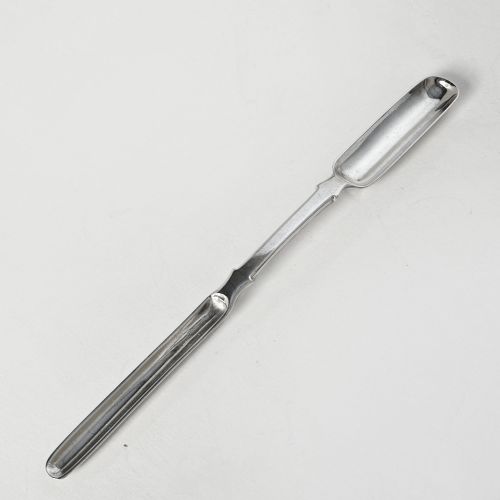
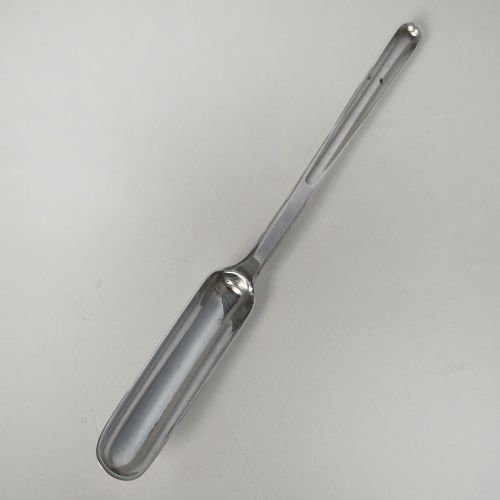


Antique Sterling Marrow Scoop
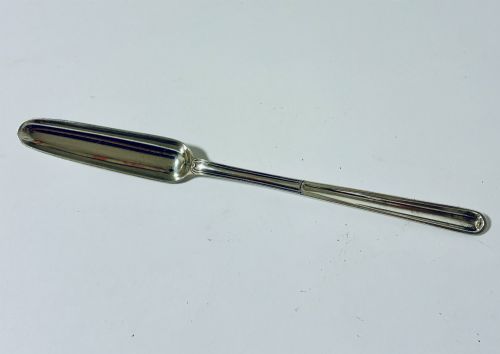
An antique sterling marrow scoop is a specialised piece of cutlery designed for extracting marrow from bones, offering a tactile link to Georgian dining habits.
Antique Sterling Marrow Scoop
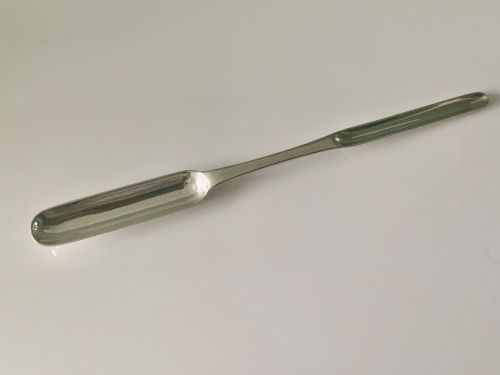
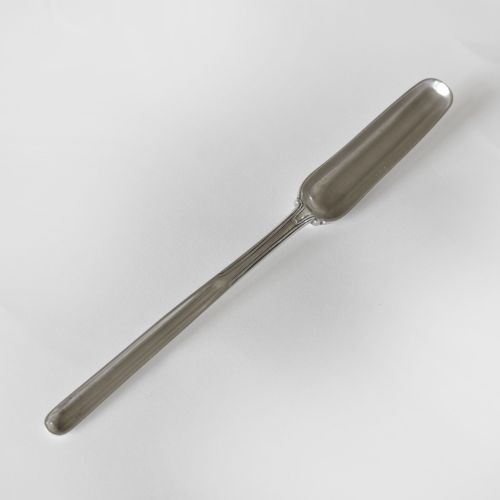
An antique sterling marrow scoop is a specialised piece of silverware created to serve rich marrow at the dining table during the eighteenth and nineteenth centuries. These items generally take a double-ended form, featuring a long, narrow trough for the larger leg bones and a smaller scoop at the opposite end for slender bones.
The pieces seen on this page span the Georgian era and the nineteenth century, reflecting the periods when bone marrow formed a regular part of elite meals. Most examples adhere to traditional English and Irish flatware designs, executed in solid sterling silver or Britannia silver.
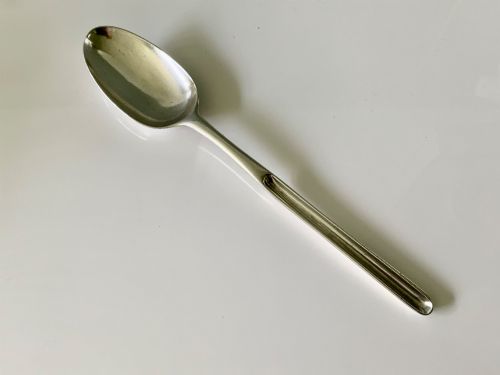
Collectors encounter various configurations, including standard single or double-ended scoops and occasional variations termed marrow spoons. Each item demonstrates the functional tableware requirements of historic dining rooms.
How they were made
Makers fashioned these implements from solid silver, sterling silver, or Britannia silver, hammering and shaping the metal to achieve the characteristic elongated trough. The durability of solid silver ensured that the thin, curved bowls could withstand daily use at the table without bending.
Craftsmen often incorporated family crests or monograms onto the reverse or handle, applying engraving techniques common to Georgian and nineteenth-century silversmithing. These decorative touches identified the owning household while maintaining the smooth, ergonomic contours required for utility.
The listings here include examples struck in Britannia silver alongside standard sterling silver pieces from the Georgian and nineteenth-century periods.
What varies in quality
Quality in these items rests upon the crispness of the hallmarks, the retention of the original profile in the troughs, and the clarity of any engraved family crests. Examples that retain their original weight and thickness display superior preservation.
The distinction between standard production and exceptional work often lies in the balance of the double-ended forms and the precision of the silversmith's finish. Pieces by recognised makers command attention through sharper definition in the bowls and superior execution of the crest work.
Benjamin Watts·George II·Edward Power·Jonathan Hayne·Thomas Johnson·George Smith
The Antique Sterling Marrow Scoop Glossary
- Britannia silver
- A standard of silver coin purity introduced in England, containing higher silver content than sterling. It was utilised during the early eighteenth century.
- Flatware
- Table utensils used for serving and eating food, encompassing spoons and forks made of silver. These objects form a core category of historic tableware.
- Hallmark
- An official stamp applied to precious metals indicating the standard of purity, the maker, and the year of assay. These marks provide the primary evidence for dating an item.
- Crest
- An heraldic design engraved onto the silver to denote family lineage. Silversmiths frequently placed these marks on the reverse of the handle.
Antique Sterling Marrow Scoop: Frequently Asked Questions
What is a marrow scoop used for?
A marrow scoop served a specific function at the historic dining table, allowing diners to extract marrow from roasted bones with precision.
The narrow troughs were shaped to reach deep inside the bone without damaging the delicate meat.
How do I date an antique silver scoop?
Dating relies heavily on the assay office hallmarks stamped directly onto the silver, which record the exact year of manufacture and the silversmith's mark.
Stylistic elements such as the presence of a Queen Anne period form or a later Georgian crest also help determine the age.
Are marrow scoops made of solid silver?
The pieces recorded here are formed from solid silver, sterling silver, or the higher-purity Britannia silver standard.
Solid construction was necessary to provide the strength required for scraping bone interiors.