


Antique Sterling Caster
An antique sterling caster brings the weight of centuries of dining history to the table, offering a refined vessel for dispensing sugar or spices.

Antique Sterling Caster
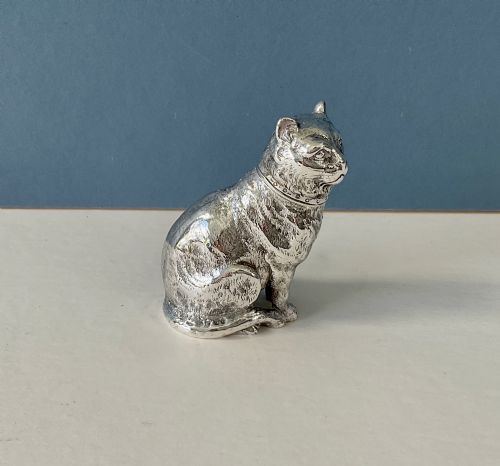
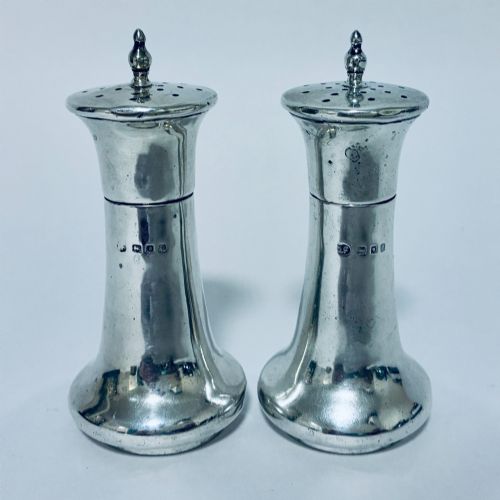
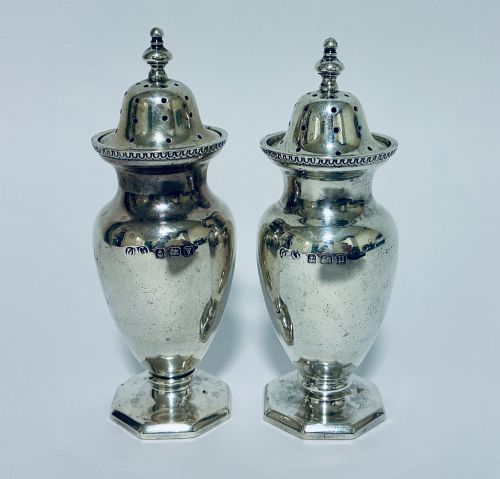
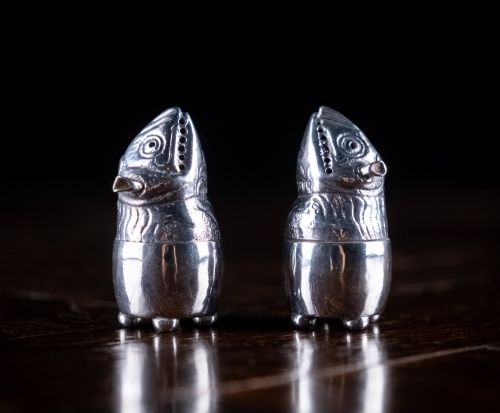
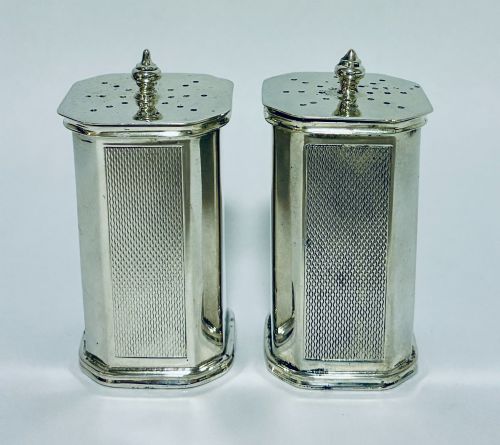
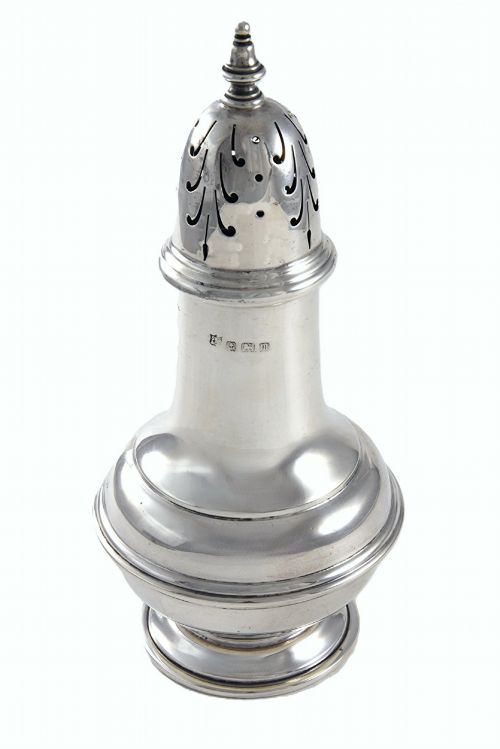
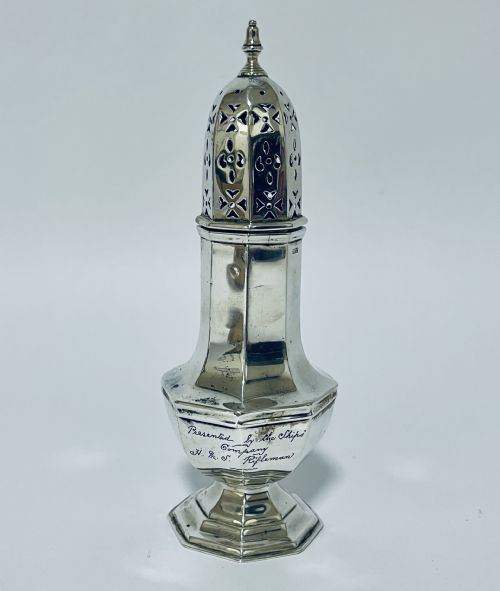
When searching for an antique sterling caster, buyers encounter functional tableware designed to dispense sugar, pounce, or pepper onto food and documents. These pieces range from tall sugar shakers and muffineers to diminutive pepper pots and novelty animal forms.
The selection on this page draws from multiple eras, spanning George I and Georgian examples through Victorian and Edwardian items into Art Deco and later twentieth-century productions. Sugar casters and cruet sets dominate the records, alongside specialised condiment containers incorporating glass and silver gilt.
How they were made
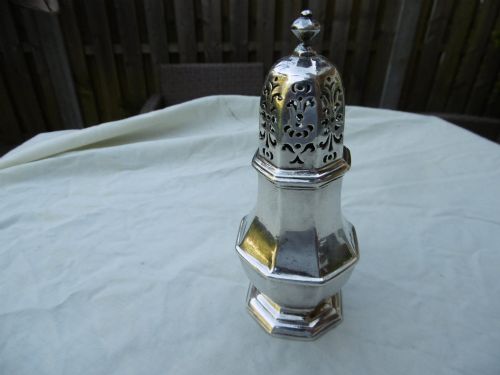
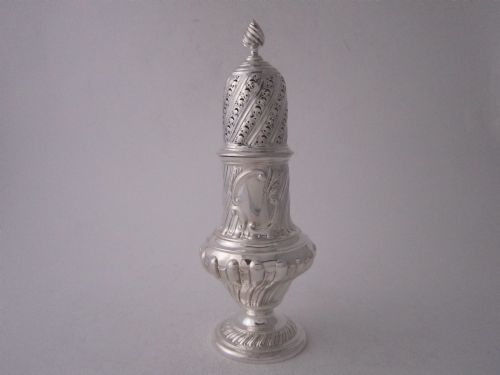
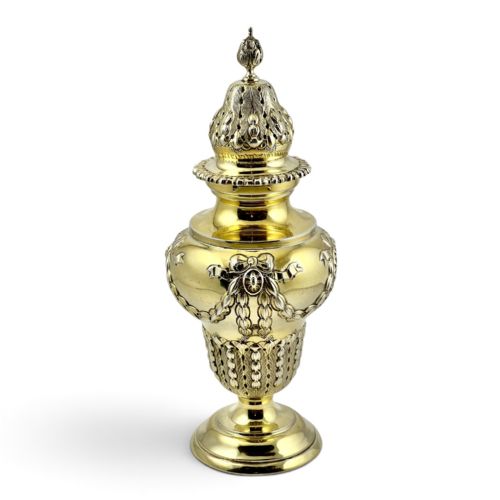
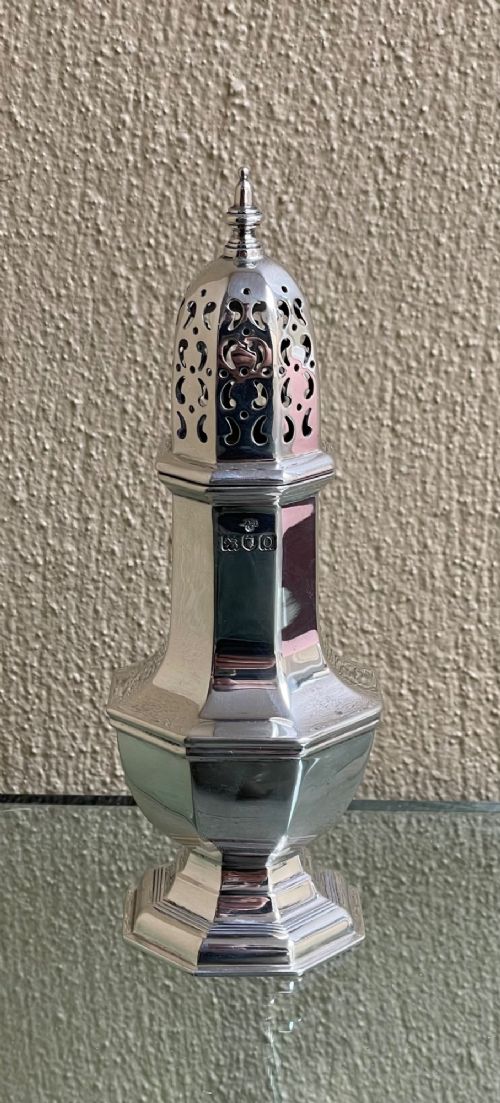
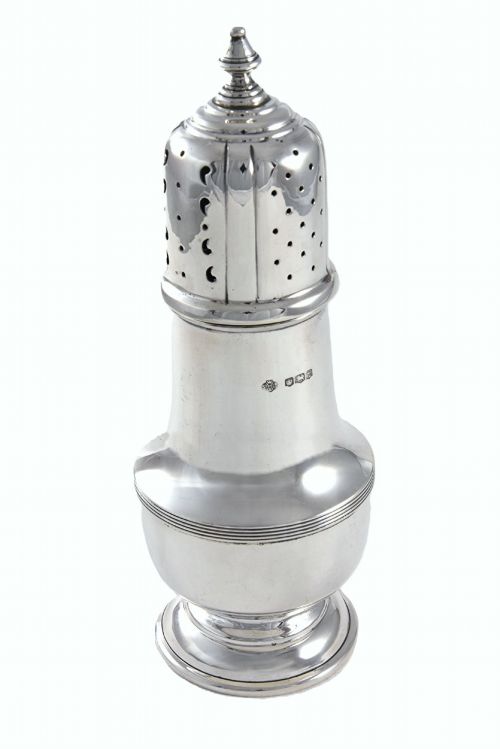
Silversmiths constructed these vessels primarily in solid sterling silver, often employing piercing, chasing, and repoussé techniques to form intricate patterns on the bodies and lids. Many sugar shakers and casters feature pierced domed covers secured by internal threads or bayonet fittings, allowing contents to be shaken freely.
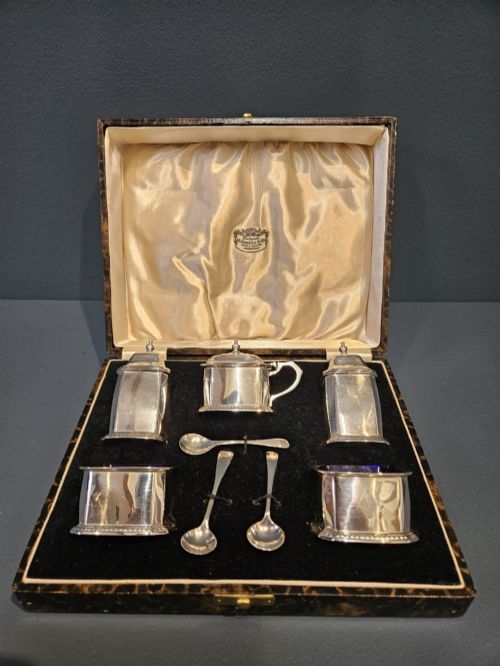
Makers occasionally combined sterling silver with cut glass, blue glass liners, or velvet padding within cruet frames. Select examples received a layer of silver gilt on the interior or exterior surfaces to prevent corrosion from acidic condiments and spices.
Listings feature sterling silver sugar casters spanning the Georgian period through the Edwardian era and into the 1930s.
What varies in quality
The standard of an antique sterling caster rests heavily on the weight of the silver and the crispness of the piercing across the shaker lid. Heavier gauge metal provides durability and balance, while sharply cut apertures demonstrate superior craftsmanship by the silversmith.
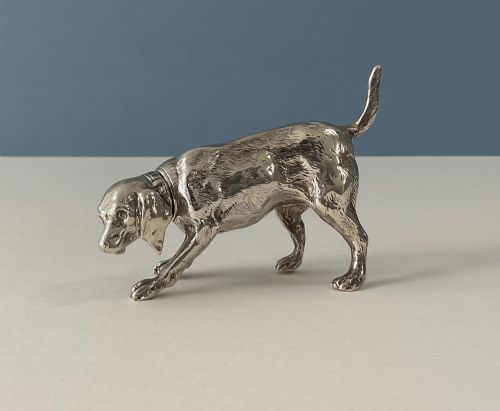
Provenance and maker attribution elevate certain pieces, particularly those bearing the marks of renowned Huguenot artisans or prominent London and provincial workshops. The integration of sculptural novelty elements, such as birds and animals with detailed chasing, also distinguishes exceptional items from standard domestic tableware.
Goldsmith & Silversmith's·Frederick Brasted·Charles Thomas Fox·Stephen Adams·James Goodwin·Simon Pantin·The Barker Brothers·James Dixon & Sons Ltd·Evald Nielsen·Horace Woodward & Co Ltd·Elkington & Co·Roberts & Belk·William Comyns·Asprey
The Antique Sterling Caster Glossary
- Caster
- A small vessel with a pierced top used for sprinkling sugar or fine condiments over food. These containers typically feature a tapering body on a footed base.
- Muffineer
- An alternative nineteenth-century term for a sugar caster specifically utilised for dusting sugar onto warm muffins or bread. They share the same pierced domed lid construction as standard shakers.
- Pounce pot
- A small container with a perforated lid used to sprinkle resin powder onto rough parchment to prepare the surface for ink. They date primarily to the eighteenth century and resemble small casters.
- Cruet set
- An assembly of multiple glass or silver bottles and casters held within a standing frame for table condiments. These sets often group mustard, oil, vinegar, and pepper together.
- Silver gilt
- Sterling silver that has been coated with a thin layer of gold through an electrochemical or fire-gilding process. This finish protects the silver from tarnishing when exposed to salt or spices.
- Piercing
- A decorative technique where metal is cut through to create openwork patterns on the lids and bodies of silver vessels. This allows the contents to escape while filtering out larger lumps.
Antique Sterling Caster: Frequently Asked Questions
What is the difference between a caster and a shaker?
Historically, the terms caster and shaker describe the same tall, pierced container used for sprinkling sugar or condiments onto food. Older pieces from the Georgian and Victorian eras are frequently designated as casters, while twentieth-century examples often adopt the shaker label.
Both variants serve the identical function of dispensing dry seasonings through a perforated lid. The internal mechanism and overall silhouette remain consistent across both designations.
How do I identify the date of a silver caster?
English silver casters carry hallmark stamps that record the assay office, the standard mark, and a date letter corresponding to the exact year of manufacture. Examining the base or the rim of the lid usually reveals these stamped maker marks and date ciphers.
Reference books match these specific punch marks to historical assay records. Additional stylistic clues, such as octagonal George I bodies or Victorian ornamentation, support the hallmarked date.
How were antique casters used on the dining table?
Dining arrangements in the eighteenth and nineteenth centuries relied on these vessels to distribute fine caster sugar over desserts, fruits, and baked goods. Servants or diners passed them around the table as part of larger service sets.
Condiment sets and cruets kept pepper, mustard, and sugar within reach during formal meals. Novelty animal pepperettes served both a functional seasoning role and a decorative conversational purpose.
Can I still use my antique silver caster for sugar?
Solid sterling silver resists corrosion well and remains entirely safe for holding dry refined sugar or modern spices. Washing the piece by hand with warm soapy water immediately after use prevents any residue from sticking to the interior.
Avoid abrasive cleaners that might wear away engraved details or historic hallmarks over time. Regular gentle polishing maintains the bright finish of the sterling metal.