


Antique Sterling Basket
An antique sterling basket brings tactile weight and intricate metalwork to a table, combining utility with decorative grace.
Antique Sterling Basket
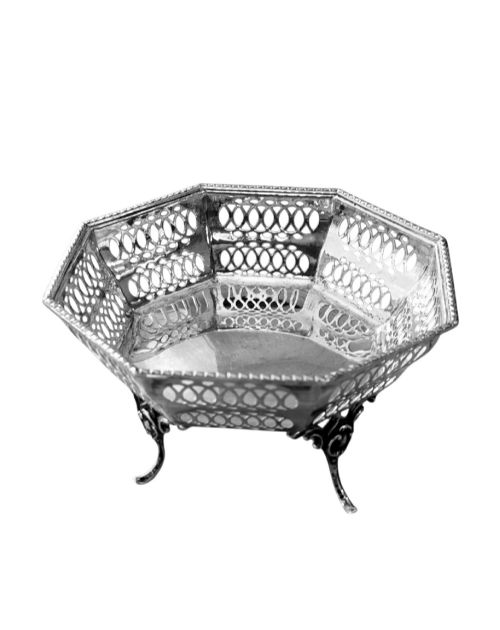
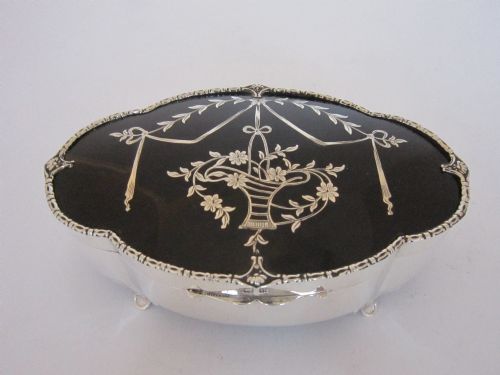
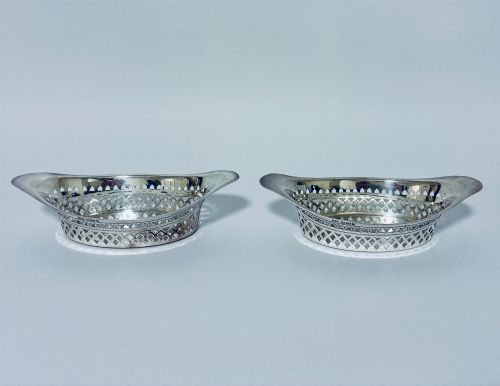
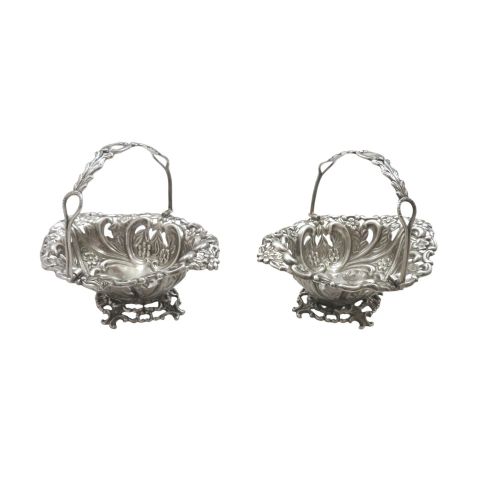
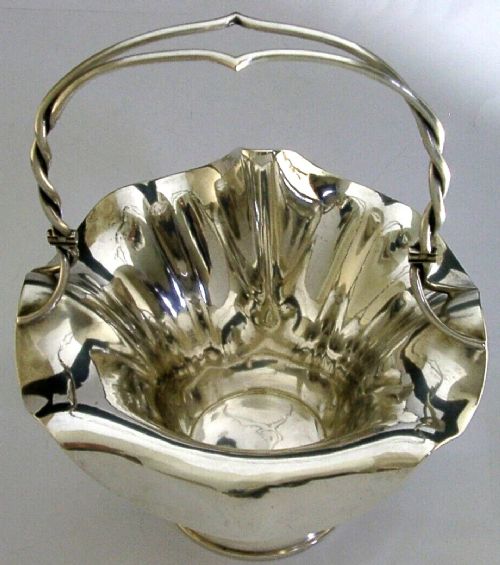
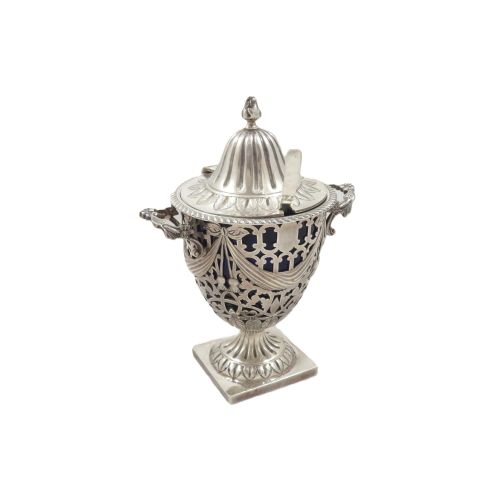
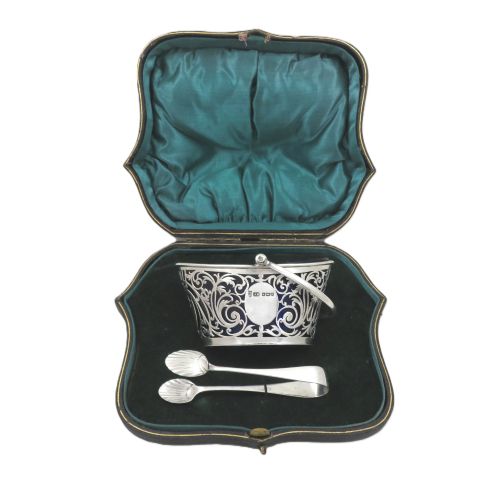
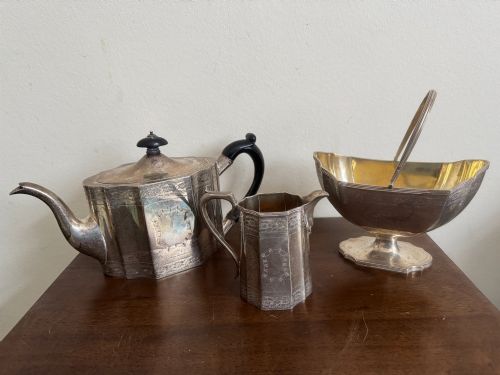
When you search for an antique sterling basket, you encounter forms ranging from small bonbon dishes and cream pails to large centrepieces and bread dishes. The selection on this page relies heavily on Edwardian and Victorian pieces, alongside Georgian examples.
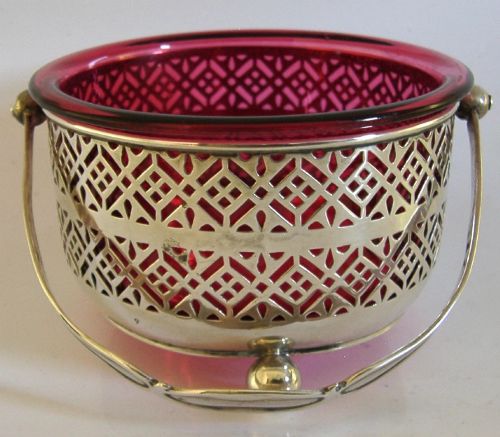
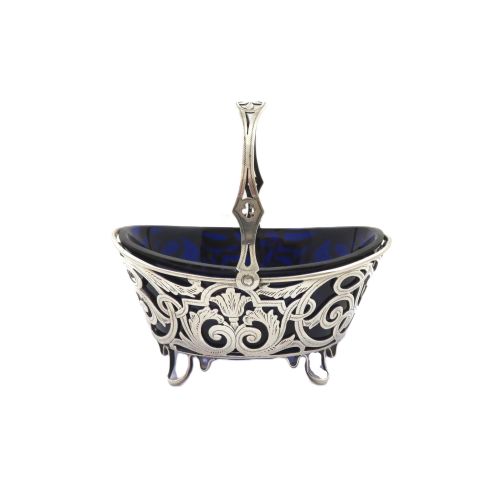
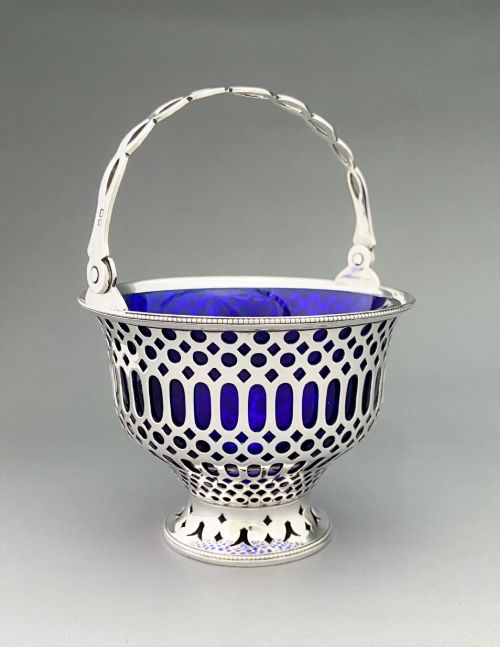
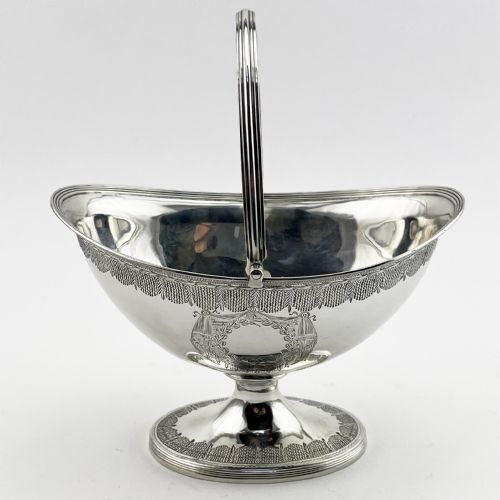
Sugar baskets and swing-handled vessels dominate the forms, often accompanied by glass liners in cobalt, cranberry, or ruby hues. These objects served functional roles on the dining table before transitioning into pure display items.
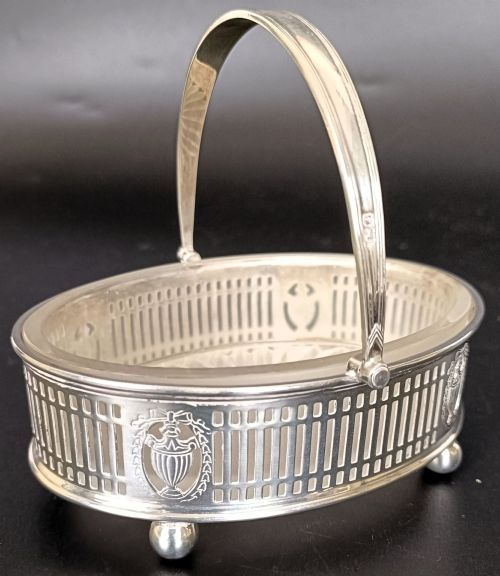
Makers utilised various silhouettes, including oval, footed, and urn-shaped designs, reflecting the shifting tastes from Neoclassical Revival to Art Nouveau.
Materials and construction
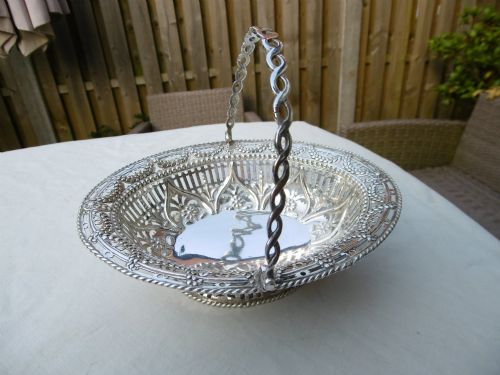
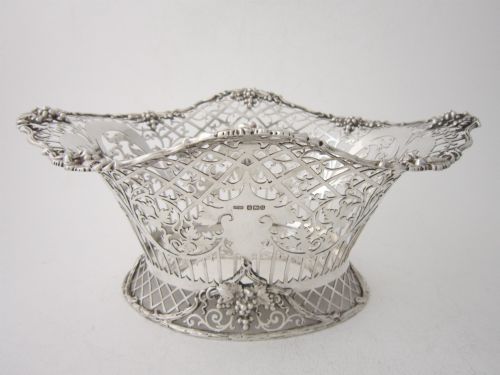
Silversmiths formed these baskets using solid sterling silver, frequently employing piercing, fretwork, and lattice techniques to create light, openwork walls. Embossed detailing and cast floral handles add sculptural depth to Victorian and Edwardian items.
Many Georgian and later examples incorporate coloured glass liners, such as cranberry or cobalt glass, held securely within the pierced silver framework. Makers also applied silver gilt finishes to interior surfaces for added lustre.
Antique Sterling Basket Retail Price Guide 2026
Typical asking prices for sterling basket among the pieces listed under this phrase on Sellingantiques today, from the lower quarter to the upper quarter. They describe what is for sale here now, not the wider market.
Listings feature periods spanning from the 18th century through to the 1930s, utilising solid sterling silver alongside cranberry, cobalt, and ruby glass.
Assessing quality in silver baskets
Quality rests upon the crispness of the piercing and the gauge of the silver used in the body. Heavier pieces with cast handles demonstrate superior substance compared to lighter, pressed alternatives.
The integration of original coloured glass liners and clear, legible hallmarks significantly elevates the standing of a piece.
Aldridge and Green·Henry Chawner·Joseph Rodgers·Samuel Herbert·William Comyns
The Antique Sterling Basket Glossary
- Sterling silver
- A silver alloy containing 92.5 percent pure silver and 7.5 percent other metals, usually copper. This standard ensures the durability required for domestic tableware.
- Piercing
- A decorative technique where metal is cut through to create openwork patterns such as lattices or geometric friezes. It lightens the visual weight of large silver objects.
- Swing handle
- A movable handle attached to the rim of a basket via pivots. This feature allows the handle to lie flat when the vessel rests on a sideboard.
- Bonbon dish
- A small open vessel designed for holding sweets or small confectionery. These items often match larger tea service accessories.
- Silver gilt
- Sterling silver that has been coated with a thin layer of gold on its surface. This treatment protects the interior from corrosive foods.
Antique Sterling Basket: Frequently Asked Questions
How were sterling baskets used originally?
These vessels held sugar lumps, bread, fruit, or small confections on the formal dining table. They formed part of the coordinated tableware service during tea and dinner.
Over time, many of these baskets shifted from active dining service to decorative display pieces within the home.
Do glass liners matter for value?
Original coloured glass liners in cranberry, ruby, or cobalt greatly enhance the completeness of a sugar basket. Finding a piece retaining its matching period glass is uncommon.
Without the liner, the pierced silver framework remains visually striking, though collectors prefer matched sets.
How do I care for antique silver?
Regular, gentle dusting and occasional cleaning with a specialist silver cloth preserve the polished surface without wearing away the fine engraved details. Avoid abrasive pastes that damage the hallmarks.
Store pieces in dry environments away from direct sunlight to slow down the natural tarnishing process of sterling silver.
How can I date a silver basket?
British sterling pieces carry hallmarks indicating the assay office, the maker, and a date letter corresponding to the exact year of manufacture. Comparing these marks against official assay records reveals the production era.
Stylistic cues such as Neoclassical Revival pierced galleries or Art Nouveau flowing lines also help narrow down the period.