


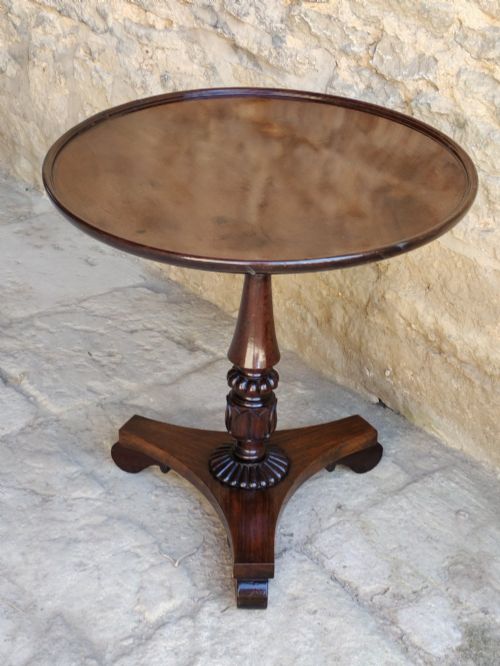
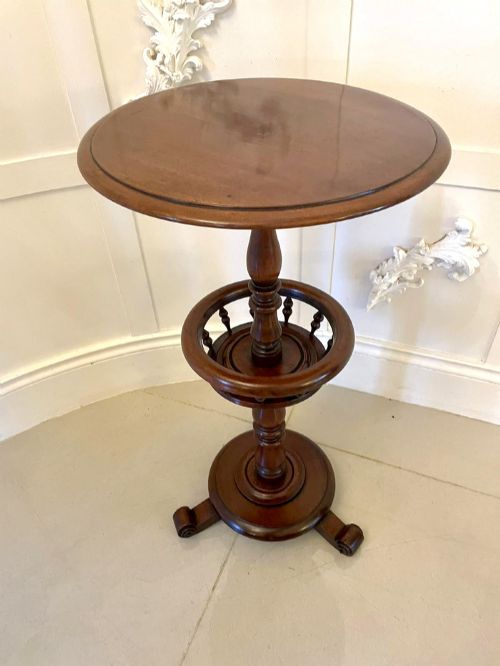
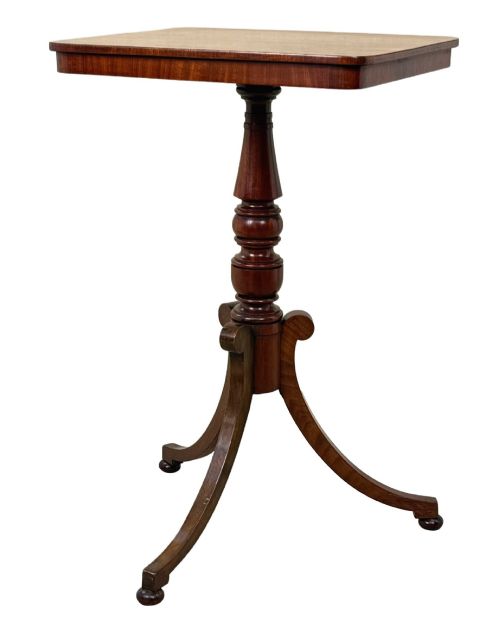
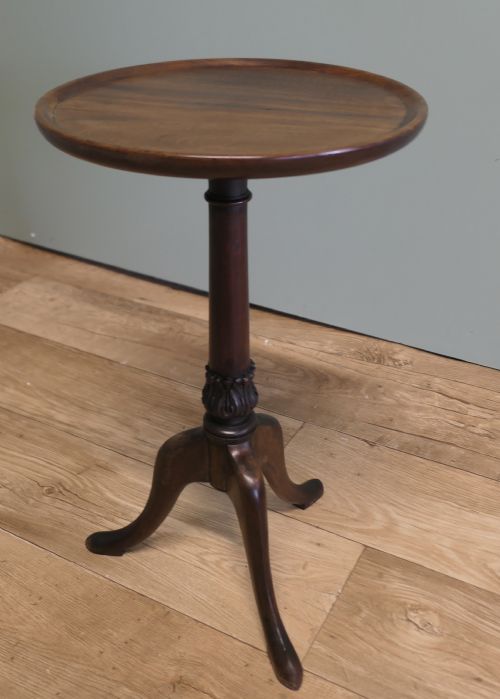
Antique Stem Stand
These antique stem stand pieces combine elevated form and practical utility, offering collectors versatile display surfaces and lighting supports spanning multiple centuries.
Antique Stem Stand
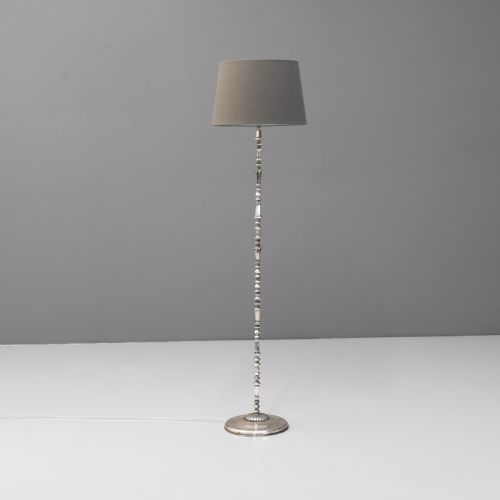
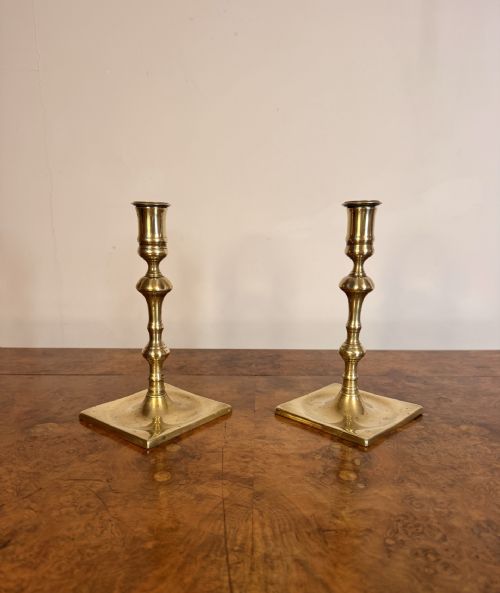
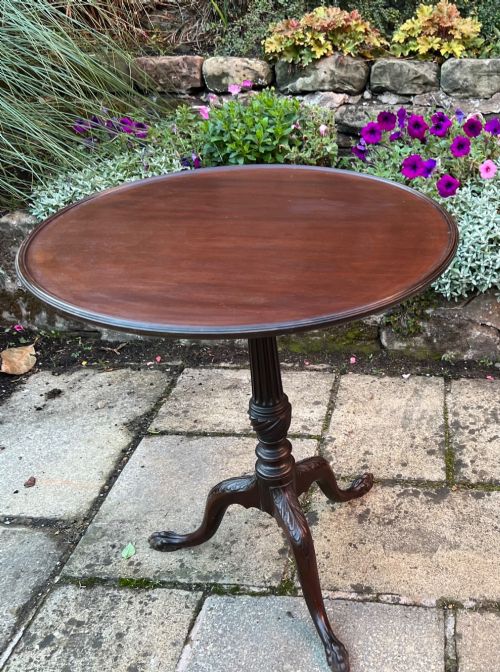
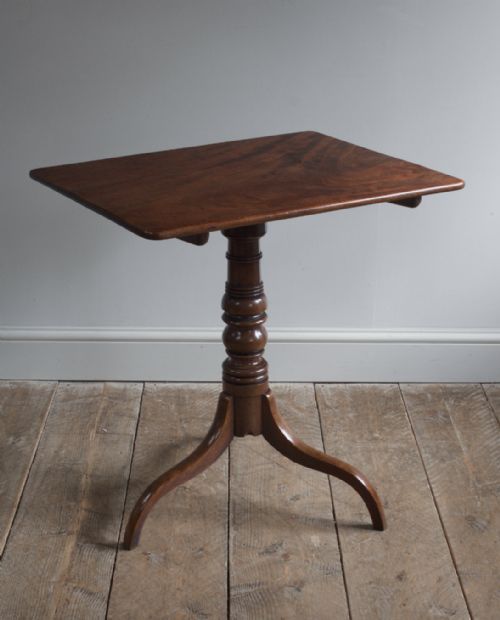
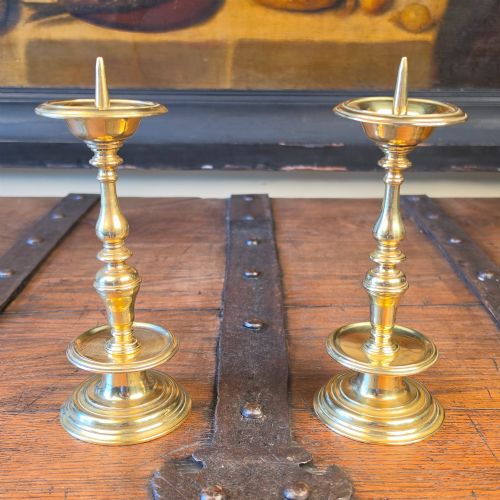
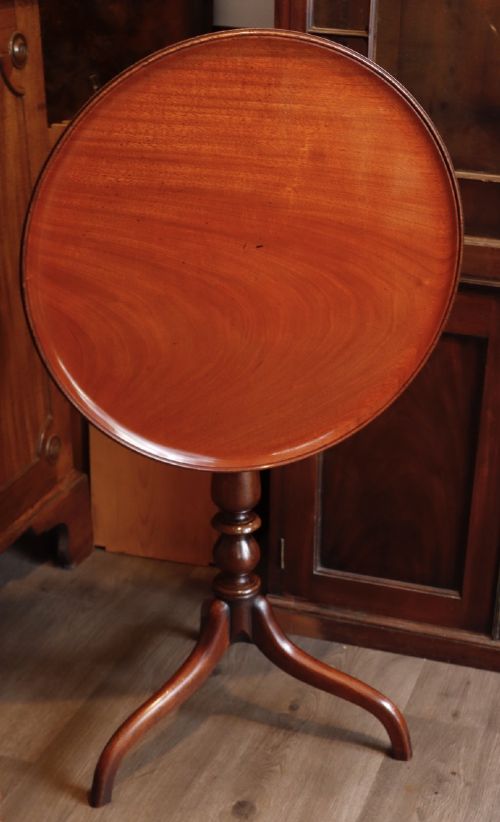
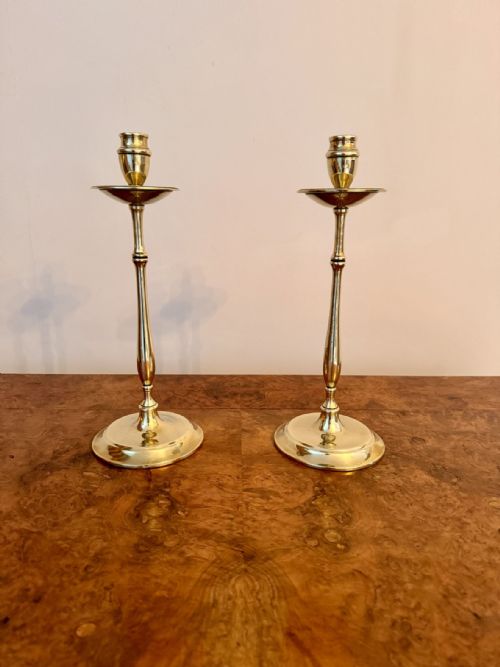
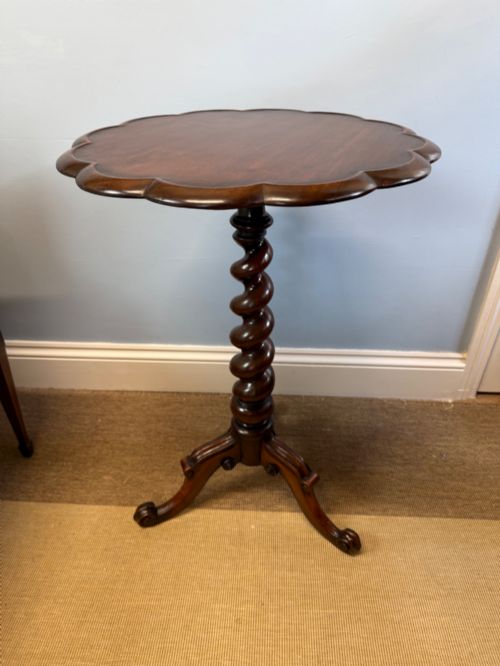
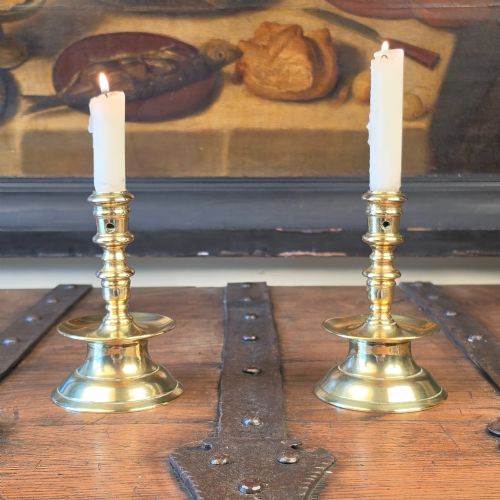
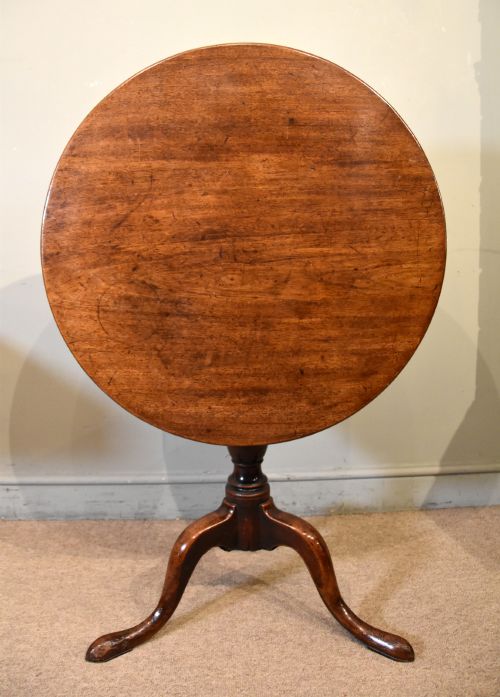
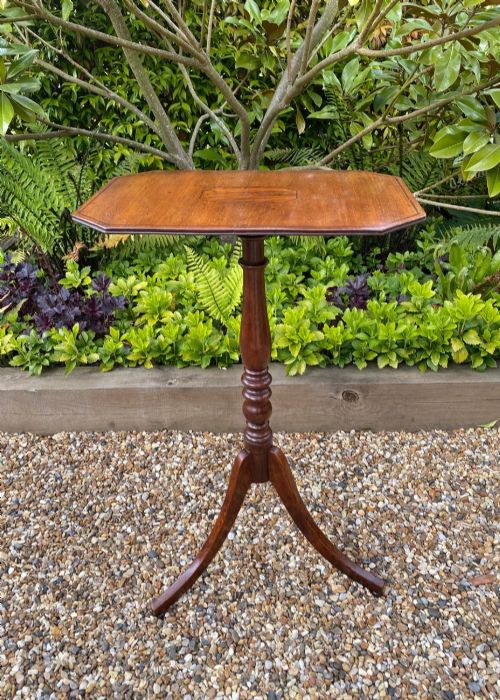
An antique stem stand encompasses a diverse group of elevated furnishings, ranging from compact tripod tables and wine tables to tall floor lamps and candlesticks. When searching for an antique stem stand, buyers encounter elevated surfaces supported by central pillars or shafts, typically resting on tripod feet or weighted bases.
The selections span numerous periods including the Georgian era, Victorian period, and Edwardian times. Forms vary widely from circular mahogany occasional tables and tilt-top designs to brass lighting supports and carved wooden torcheres.
Originating primarily as functional household items for holding candles, serving wine, or displaying ornaments, these pieces now serve as versatile accent furniture in modern interiors.
Materials and construction methods
Cabinetmakers and metalworkers utilised durable timbers and metals, with mahogany, oak, and walnut frequently appearing alongside brass, copper, and pewter. Timber pieces often feature turned shafts, carved tripod legs, and dished or star-shaped tops.
Metal items demonstrate casting and turning techniques, resulting in heavy, stable bases for candlesticks and standard lamps. Secondary woods such as beech appear in structural elements, while decorative touches like penwork or boxwood inlay enhance specific table tops.
Antique Stem Stand Retail Price Guide 2026
Typical asking prices for stem stand among the pieces listed under this phrase on Sellingantiques today, from the lower quarter to the upper quarter. They describe what is for sale here now, not the wider market.
Distinctions in quality and execution
Quality rests upon the selection of timber grain, the precision of turned stems, and the stability of the central pillar joint. Superior examples display harmonious proportions between the top, the slender stem, and the supporting feet.
Metal pieces derive their merit from casting weight, crisp detailing in the metalwork, and the retention of original surface patination. Secondary timber choice and the integration of tilt-top mechanisms further differentiate standard production from finer craftsmanship.
The Antique Stem Stand Glossary
- Tripod table
- A small freestanding table supported by a central pillar resting on three legs. These versatile pieces frequently served as wine or candle stands in Georgian and Victorian parlours.
- Tilt-top action
- A mechanical hinge beneath a table top allowing the surface to fold vertically when not in use. This clever design saved valuable floor space in period rooms.
- Torchere
- A tall ornamental stand designed to hold a candle or a lamp. Eighteenth-century Dutch and later British examples often feature elaborate carved timber stems.
- Baluster
- A moulded column or stem with a swelling lower portion, commonly found on candlesticks and tazzas. The shape derives from architectural balustrades.
- Standard lamp
- A tall floor-standing lamp supported by a vertical stem and weighted base. Edwardian and later examples introduced sophisticated illumination to domestic spaces.
Antique Stem Stand: Frequently Asked Questions
What is a wine table used for?
A wine table provided a convenient movable surface for holding glasses and bottles during evening gatherings. Their compact circular tops perched atop slender stems made them easy to place beside seating.
Today, these versatile stands function effectively as small lamp tables or decorative accents in living areas.
How do I identify a Georgian tripod table?
Georgian tripod tables typically feature dense timbers like mahogany or oak, combined with hand-turned central pillars and pad or cabriole feet. Construction details often include pegged joints and tilt mechanisms.
Examining the underside reveals timber shrinkage and tool marks consistent with eighteenth-century cabinetmaking practices.
What is the difference between a torchere and a plant stand?
A torchere originally functioned as an elevated light support for candles or oil lamps before evolving into a display pedestal. Plant stands share a similar tall stem format but were built specifically to bear the weight of heavy ceramic pots and damp soil.
Both forms utilise slender vertical shafts to draw the eye upward in a room.
How should I care for a wooden stem table?
Wooden stem tables require protection from direct sunlight and extreme temperature fluctuations to prevent timber splitting or warping. Regular dusting with a dry cloth helps maintain the polished surface.
Occasional application of appropriate wax preserves the natural grain and historic patination of walnut, mahogany, or oak.