



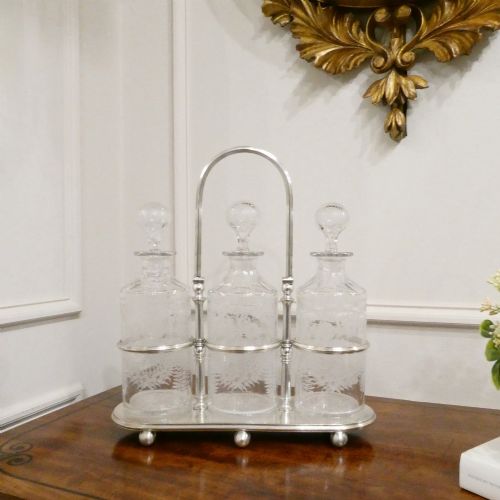
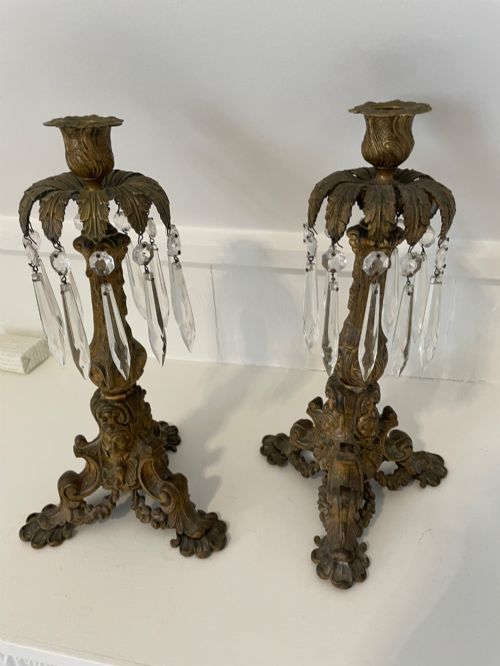
Antique Standing Glass
Antique standing glass covers freestanding mirrors, display cabinets, and lamps from Victorian, Edwardian, and earlier periods.
Antique Standing Glass
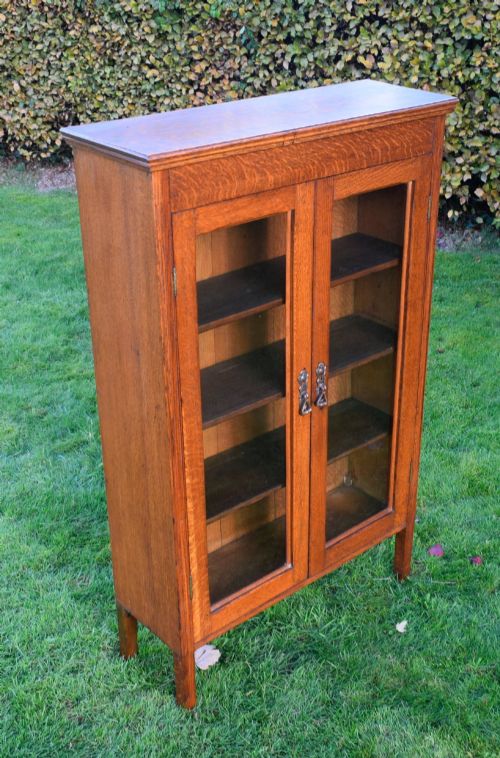
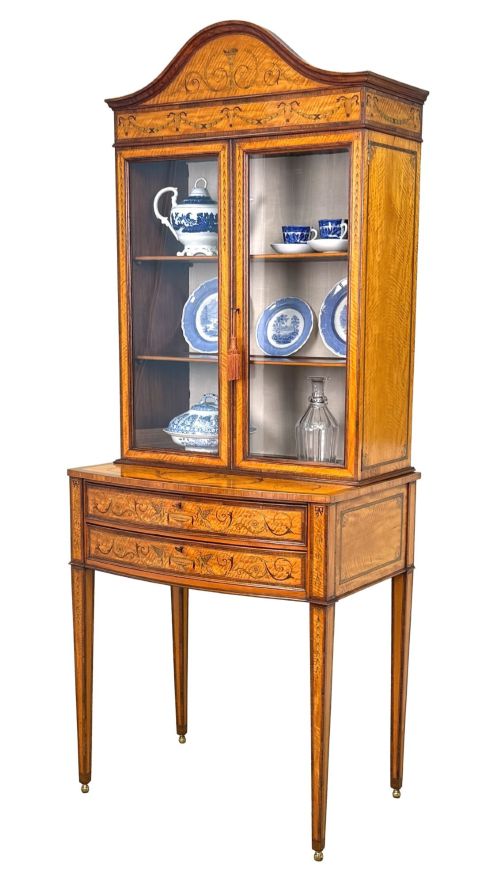
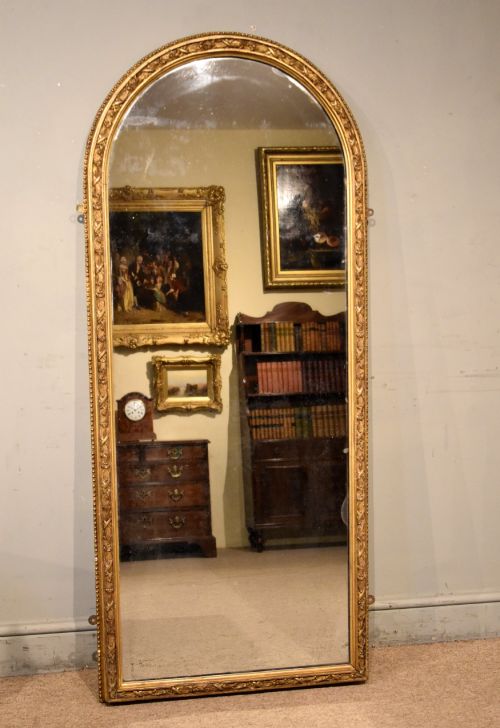
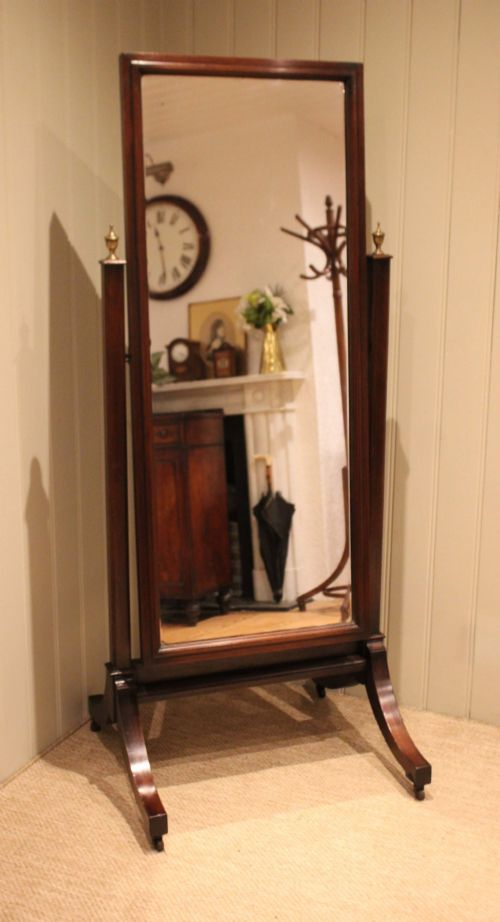
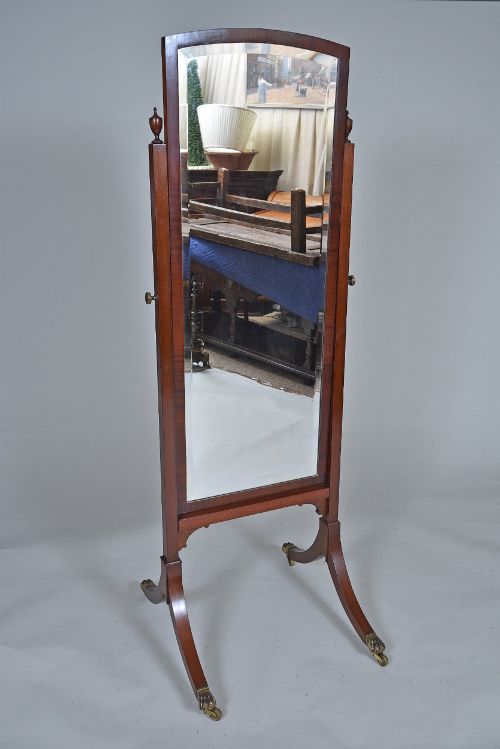
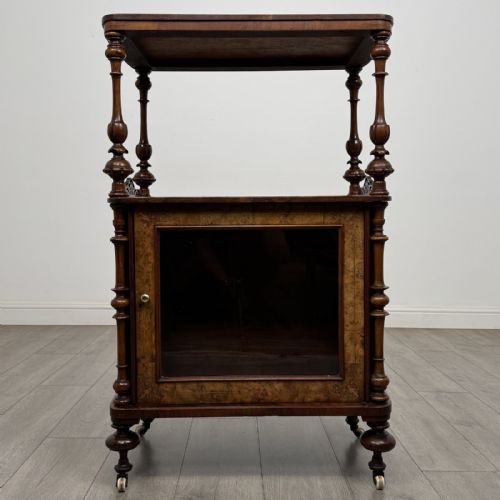
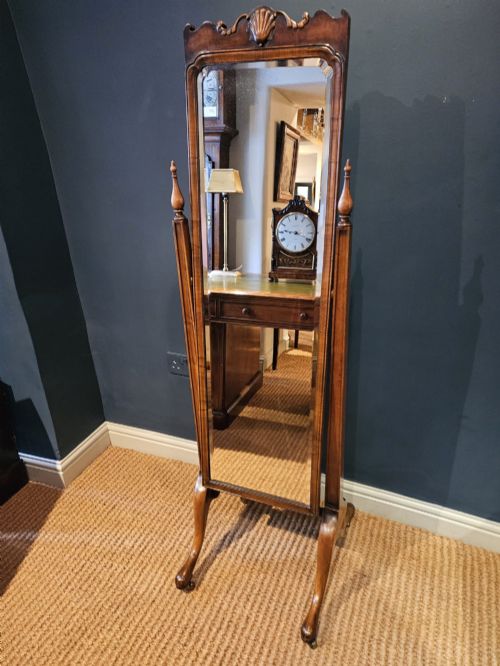
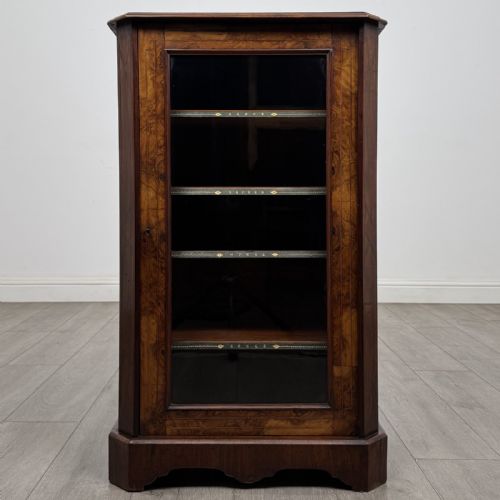
When you search for antique standing glass, you are looking at large freestanding furnishings where glass plays a central structural or visual role. The selection spans tall cheval dressing mirrors, upright display cabinets with glazed panels, and floor-standing lamps.
You are most likely to meet Edwardian and nineteenth-century examples on this page, particularly mahogany display cabinets and cheval mirrors. These forms served practical domestic purposes in bedrooms and reception rooms, housing china or reflecting light.
The objects combine timber frames with glass elements, ranging from mercury glass in French leaner mirrors to bevelled plates in dressing glasses and clear panes in china cabinets.
How they were made
Cabinet makers utilised dense hardwoods such as mahogany, oak, walnut, and satinwood to construct the structural frames that support the weight of large glass plates and shelves. These timbers were frequently polished, carved, or inlaid with contrasting veneers and stringing.
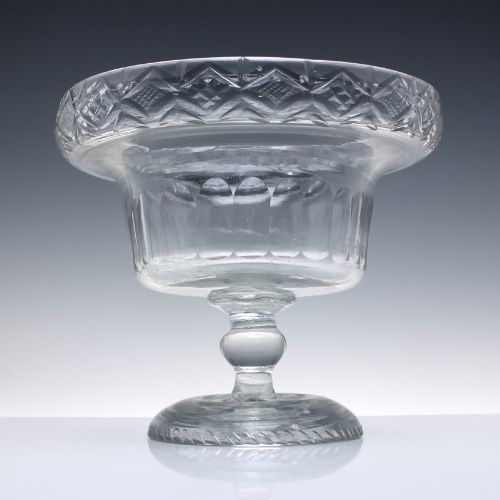
Glass production relied on traditional techniques to create bevelled edges, curved door panes, and heavy mercury backing for mirrors. Metal components in brass, silver plate, or ormolu were cast and mounted to secure hinges, feet, and decorative trimmings.
Antique Standing Glass Retail Price Guide 2026
Typical asking prices for standing glass among the pieces listed under this phrase on Sellingantiques today, from the lower quarter to the upper quarter. They describe what is for sale here now, not the wider market.
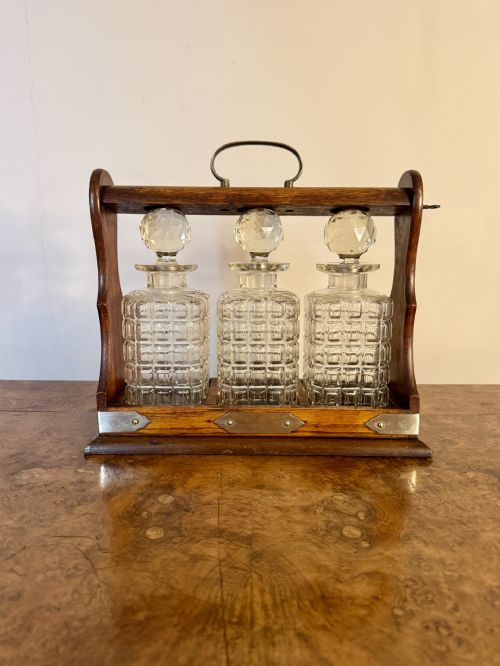
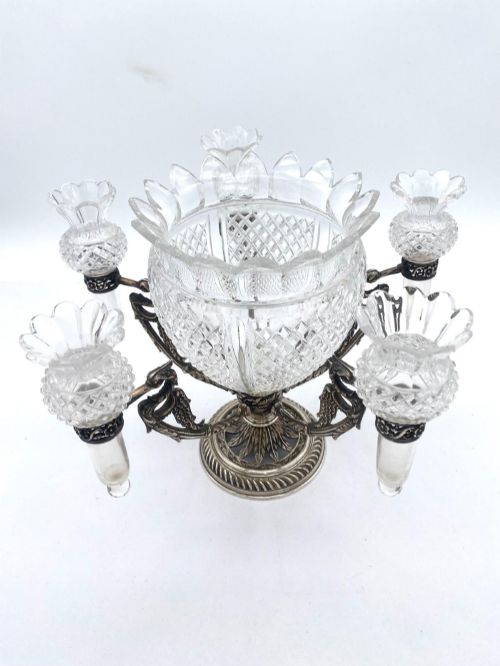
Smoking stands with glass ash receptacles rub shoulders with towering liquor cabinets and rotating music etageres.
What varies in quality
The calibre of timber selection and cabinet work defines the upper tiers of these pieces. Fine grain figures in mahogany and walnut, alongside meticulous marquetry or hand-carved mouldings, separate standard utility furniture from exceptional examples.
The integrity of the glass and metal mounts also determines standing. Original bevelled mirror plates, heavy cast brass hardware, and well-executed joinery without distortion indicate higher workshop standards.
Harrods Ltd·Gabriel Viardot·Dugdill
The Antique Standing Glass Glossary
- Cheval mirror
- A freestanding full-length dressing mirror suspended on a vertical frame with pivoting pivots. It allows the glass to tilt to various angles.
- Display cabinet
- A glazed freestanding piece designed to showcase porcelain, china, and small collectibles. These often feature glass side panels to maximise light.
- Bevelled glass
- A mirror or window pane with an angled edge polished around the perimeter. This creates a decorative prismatic border.
- Mercury glass
- An early form of silvered glass created by pouring a liquid mercury amalgam between double-walled blown glass. It produces a distinctive misty reflection.
- Ormolu
- Gilt-bronze ornaments applied to furniture and decorative objects. The technique involves coating bronze with a finely ground gold mercury amalgam.
Antique Standing Glass: Frequently Asked Questions
What is an antique cheval mirror?
A cheval mirror is a tall, freestanding dressing glass mounted within a pivoting frame on four legs or a heavy base.
First developed in the eighteenth century, these mirrors allowed users to view their entire outfit without needing wall fixings.
How do I date a display cabinet?
Dating relies on observing timber choices, decorative styles, and construction methods used in the frame.
Edwardian cabinets often feature satinwood inlay and Sheraton Revival motifs, whereas nineteenth-century pieces lean towards heavier carved mahogany or oak.
Where should I place a standing glass mirror?
Position freestanding mirrors opposite windows or light sources to bounce natural light deep into reception rooms or bedrooms.
Ensure the floor surface is level so the pivoting frame maintains its balance without straining the side uprights.