




Antique Spring Fusee Clock
An antique spring fusee clock brings the measured tick of centuries into a room, driven by a tapered drum and cord or chain.
Antique Spring Fusee Clock
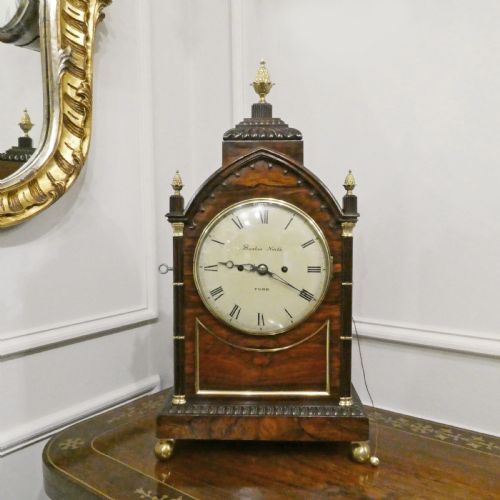
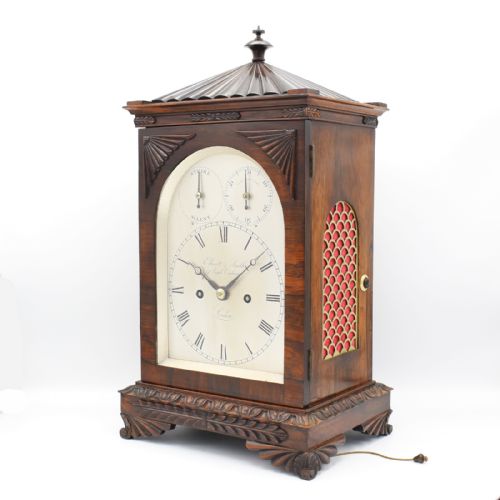
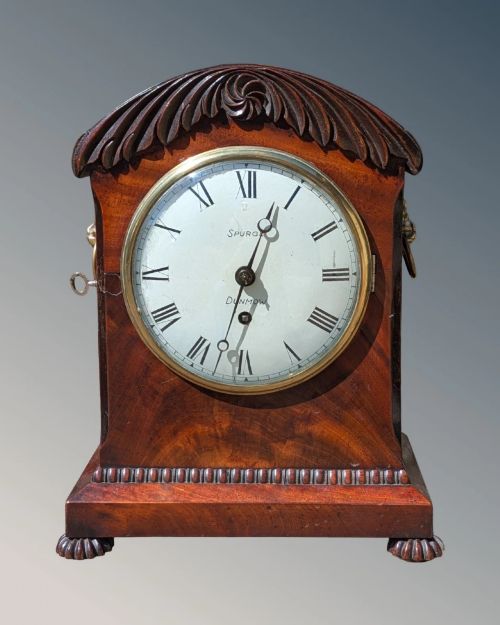
An antique spring fusee clock sits on a bracket, mantel, or table, taking the form of a bracket clock, library timepiece, or table clock.
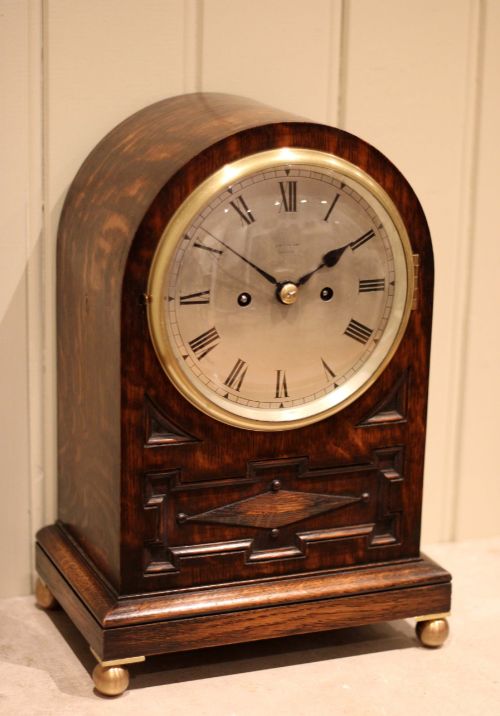
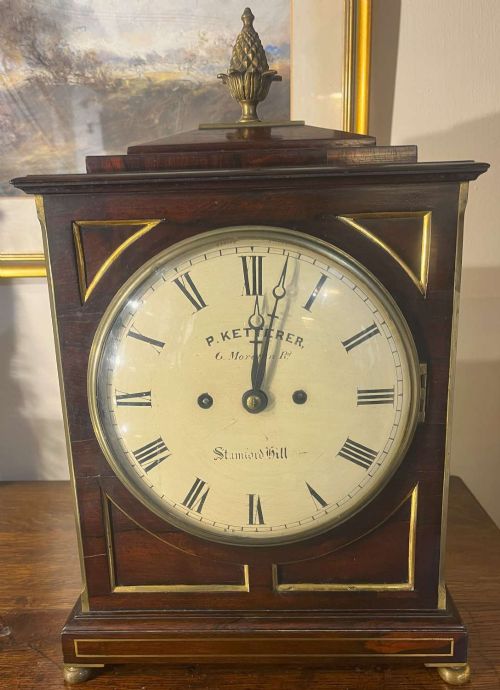
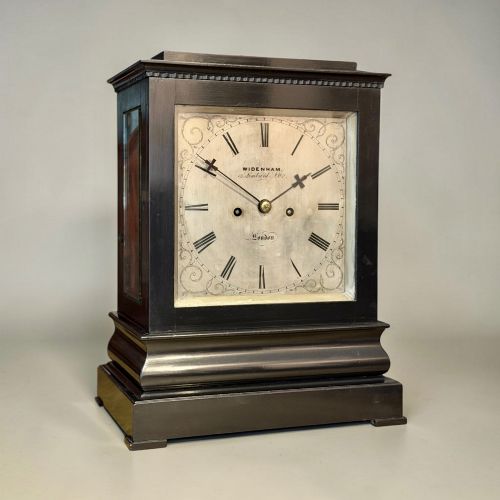
The pieces appearing on this page span the 18th century, Regency, Georgian, and Victorian periods, with mahogany and ebonised wood forming the most common cases.
How they were made
Cabinetmakers housed these movements in sturdy timbers such as mahogany, rosewood, oak, and ebonised wood, often incorporating brass and glass elements.
Makers integrated spring-driven fusee movements alongside steel, brass, and enamel dials to maintain an even tension and steady timekeeping.
Antique Spring Fusee Clock Retail Price Guide 2026
Typical asking prices for spring fusee clock among the pieces listed under this phrase on Sellingantiques today, from the lower quarter to the upper quarter. They describe what is for sale here now, not the wider market.
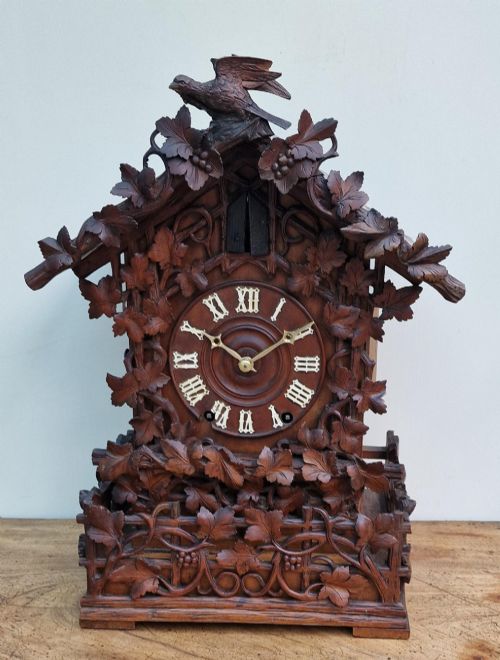
Some spring-driven clocks even incorporated automation, adding moving mechanical scenes to tick away the hours.
What varies in quality
The refinement of the cabinetwork and the execution of the dial distinguish simpler library timepieces from elaborate multi-train bracket clocks with automation or multiple bells.
The reputation of the maker, evident in signed dials and intricate movement architecture, sets apart standard production from exceptional workshop output.
Widenham of London·George Wadham, Bath·Barber & North of York·Webster Cornhill London·Spurge Dunmow·Mappin & Webb·Cording of London·Phillips Brothers·Geo. Carter, Hackney·Wilkinson Leicester·J Kingerley Manchester·Richard Rooker·Somersall London·Funnell of Brighton·John McGregor, Wick·Desbois & Wheeler·Plumbly & Tupman, London·Isaac Hurley, London·Osborn of Bognor Regis·Leith of London
The Antique Spring Fusee Clock Glossary
- Fusee
- A conical drum that equalises the declining power of the mainspring as it unwinds. This mechanism ensures consistent force reaches the escapement.
- Bracket clock
- A portable table or mantel clock originally designed to sit on a wall bracket. These clocks often feature striking or chiming trains.
- Verge escapement
- An early type of escapement mechanism controlling the release of power from the gear train. It works with a balance wheel or pendulum.
- Library timepiece
- A simpler clock designed for quiet spaces, usually featuring a single fusee movement without strike or chime complications.
- Break-arch case
- A wooden clock case topped by an arched pediment above the dial door. This shape gained popularity during the Georgian period.
Antique Spring Fusee Clock: Frequently Asked Questions
What is a fusee clock?
A fusee clock uses a conical pulley connected to the mainspring by a chain or cord. This clever device compensates for the dropping tension of the spring as it unwinds.
Most examples found here are housed in timber cases like mahogany or ebonised wood and sit on tables, brackets, or mantels.
How do I wind my clock?
You wind the movement using a matching key inserted into the dial holes. Care must be taken not to overwind the spring.
Single fusee models require winding on one arbor, while twin or triple fusee examples control striking and chiming trains that also need attention.
Where should I place it?
These clocks belong on stable, level surfaces away from direct sunlight, drafts, and dampness. Bracket and mantel clocks perform best on sturdy furniture.
Placing them on a firm foundation ensures the pendulum and verge escapement maintain a steady beat.
How do I date an antique clock?
Dating relies on stylistic clues in the case work, such as lancet tops, break-arches, brass inlay, and dial signatures. Cabinet styles shift from Georgian and Regency forms to Victorian interpretations.
Inscribed signatures of makers and towns on the brass dial or backplate offer direct links to active working periods.